Mar . 11, 2026 02:05 Back to list
Understanding the Critical Roles of Spark Plug and Coil Systems for Optimal Engine Performance
Understanding Spark Plug and Coil Systems
The engine's ignition system is crucial for optimal performance, and at its heart lie two vital components: the spark plug and the ignition coil. These work together to deliver the high-voltage spark needed to ignite the air-fuel mixture within the engine cylinders. A failing spark plug or coil can lead to reduced fuel efficiency, rough idling, and even engine failure. This article will explore the functions, common issues, and importance of both, providing a comprehensive overview for automotive enthusiasts and professionals. We will also discuss maintenance and replacement tips to ensure your engine runs smoothly.
The Role of the Spark Plug
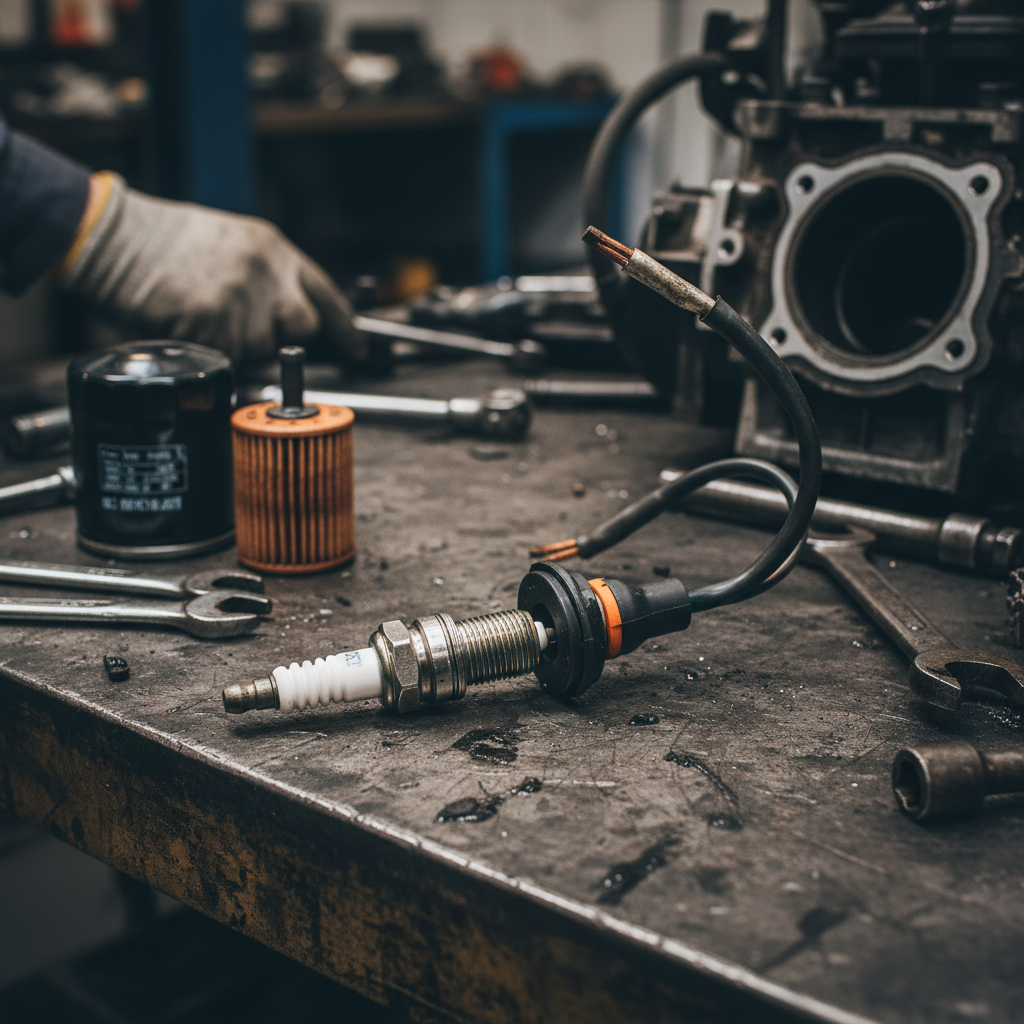
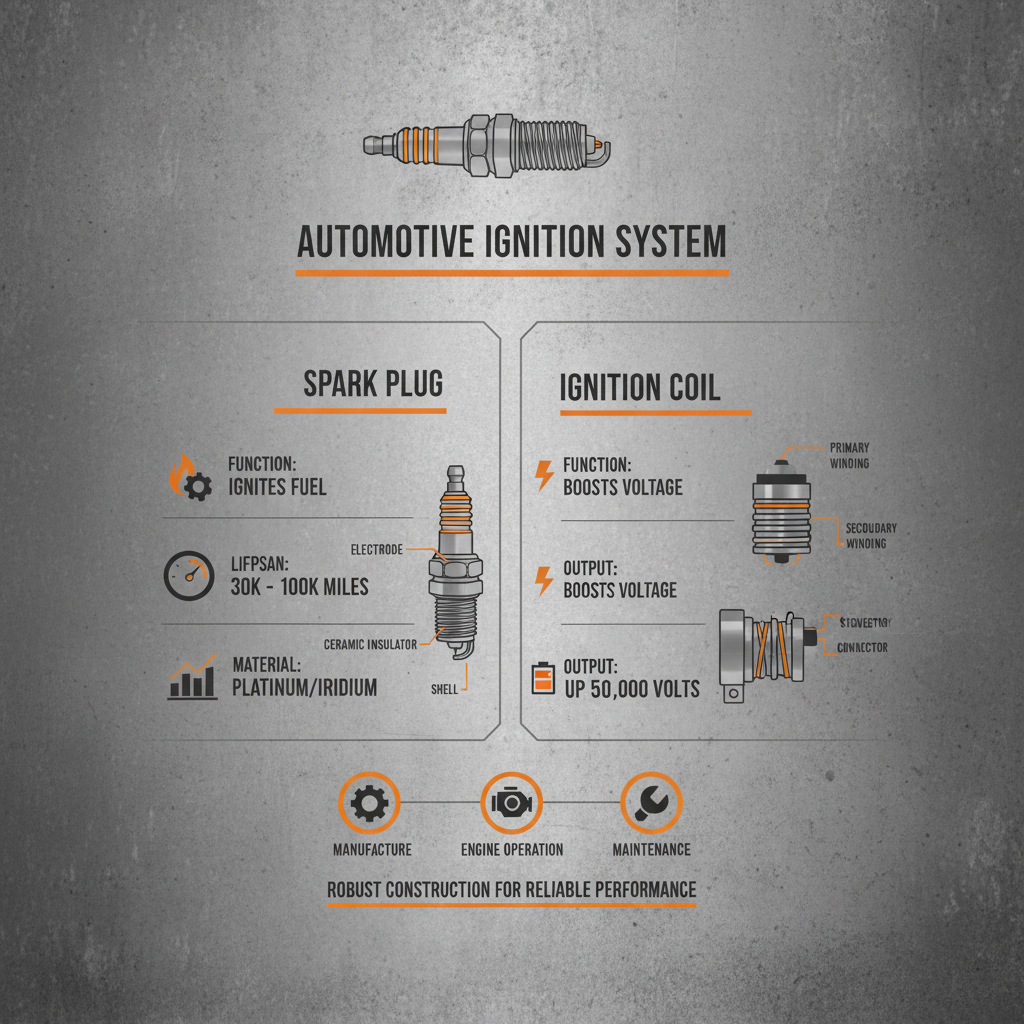
The spark plug's primary function is to create a spark that ignites the compressed air-fuel mixture inside the engine cylinder. This spark initiates the combustion process, which drives the piston and ultimately powers the vehicle. Spark plugs endure intense heat and pressure, so they are designed to be durable but require periodic replacement. Different types of spark plugs, such as copper, platinum, and iridium, offer varying levels of performance and longevity. Choosing the right spark plug for your vehicle is crucial for maintaining optimal engine performance. You can explore high-quality spark plugs at Huimao Oilseal.
Key Highlights: Spark plugs endure intense heat and pressure and are vital for creating the spark that ignites the air-fuel mixture, initiating the combustion process.
Understanding Ignition Coils and Their Function
The ignition coil transforms the vehicle's low-voltage electricity (typically 12 volts) into the high-voltage electricity (tens of thousands of volts) needed to create a spark at the spark plug. Coils achieve this through electromagnetic induction. Modern vehicles often utilize individual coils for each cylinder (coil-on-plug) or coil packs serving multiple cylinders. Faulty ignition coils can cause misfires, reduced power, and increased emissions. Regular inspection and maintenance of ignition coils are essential for preventing engine problems. Finding reliable ignition coils is crucial for maintaining optimal engine performance.
Ignition Coil Benefits:
• Transforms low voltage to high voltage
• Crucial for spark generation
• Prevents misfires and power loss
• Ensures efficient combustion
Spark Plug Types: A Comparative Overview
Different spark plug types cater to various engine needs and budgets. Copper plugs are the most affordable but have the shortest lifespan. Platinum plugs offer improved durability and performance. Iridium plugs, the most expensive option, provide the longest lifespan and most consistent spark. The choice depends on your vehicle’s manufacturer recommendations and your driving conditions.
Common Issues with Spark Plugs and Ignition Coils
Several issues can affect the performance of spark plugs and ignition coils. Worn spark plugs can cause misfires, reduced fuel economy, and difficulty starting the engine. Fouled spark plugs, often caused by oil leaks or rich fuel mixtures, can also hinder performance. Ignition coils can fail due to overheating, internal shorts, or cracks. Diagnosing these issues often requires a mechanic equipped with diagnostic tools. Regular maintenance, including spark plug replacement and coil inspection, can prevent these problems.
The Importance of Regular Maintenance
Proactive maintenance is the key to preventing costly engine repairs. Spark plugs should be replaced according to the vehicle manufacturer's recommendations, typically every 30,000 to 100,000 miles, depending on the type of plug. Ignition coils should be inspected for cracks or damage during routine maintenance. Addressing issues early on can prevent more significant problems and ensure your engine operates efficiently. Don't compromise on quality – use reputable brands like those offered at Huimao Oilseal for reliable performance.
Conclusion: Maintaining Peak Engine Performance
The spark plug and ignition coil are fundamental components of a well-functioning engine. Understanding their roles, recognizing common issues, and prioritizing regular maintenance are crucial for ensuring optimal performance, fuel efficiency, and longevity. Invest in quality parts and proactive care, and your engine will thank you.
Frequently Asked Questions (FAQs)
How often should I replace my spark plugs?
The recommended replacement interval for spark plugs varies depending on the type of plug and your vehicle’s manufacturer’s recommendations. Typically, copper spark plugs should be replaced every 30,000 miles, platinum plugs every 60,000-100,000 miles, and iridium plugs every 100,000+ miles. However, it's crucial to consult your vehicle’s owner’s manual for specific guidelines. Signs of worn spark plugs include misfires, reduced fuel efficiency, and difficulty starting the engine. Regular inspection can help determine if replacement is necessary, even before reaching the recommended mileage.
What are the symptoms of a failing ignition coil?
A failing ignition coil can manifest in several ways. Common symptoms include engine misfires (feeling like the engine is shaking or stumbling), reduced engine power, poor fuel economy, a check engine light illuminating, and difficulty starting the engine. In some cases, a failing coil may cause rough idling or stalling. If you experience any of these symptoms, it's important to have your ignition coils inspected by a qualified mechanic.
Can a bad spark plug cause an ignition coil to fail?
Yes, a bad spark plug can potentially contribute to the failure of an ignition coil. A spark plug that is fouled or damaged can create an electrical load on the coil, causing it to overheat and eventually fail. It’s therefore important to address any spark plug issues promptly to prevent damage to the ignition coil. Maintaining a healthy spark plug ensures optimal performance and longevity of the entire ignition system.
Is it safe to drive with a misfiring engine?
Driving with a misfiring engine is generally not recommended. A misfire can damage your catalytic converter, leading to costly repairs. It can also significantly reduce your fuel efficiency and engine power. If you suspect a misfire, it's best to have your vehicle inspected and repaired as soon as possible. Continuing to drive with a misfire can exacerbate the problem and potentially cause further damage to your engine.
Latest news
-
Prechamber Spark Plugs for Enhanced Engine Combustion Efficiency
NewsApr.16,2026
-
Ultimate Guide to Choosing the Best Motorcycle Spark Plug
NewsApr.09,2026
-
The Vital Role of a Generator Spark Plug for Reliable Power Supply
NewsApr.07,2026
-
Understanding Engine Spark Plug Functionality for Optimal Performance
NewsApr.04,2026
-
Comprehensive Guide to Aircraft Spark Plugs for Optimal Engine Performance
NewsMar.31,2026
-
Choosing the Best Spark Plug Supplier for Optimal Engine Performance
NewsMar.28,2026