The radial oil seal is a critical component in countless mechanical systems across the globe, safeguarding machinery from contamination and ensuring operational efficiency. These seals prevent the leakage of fluids – oils, greases, fuels – and the ingress of harmful elements like dust and debris. Their importance spans industries from automotive and aerospace to manufacturing and agriculture, underpinning the reliability of equipment vital to modern life. Understanding the principles behind their design, materials, and applications is paramount for engineers, technicians, and anyone involved in the maintenance and operation of rotating equipment.
Globally, the market for radial oil seals is substantial and continues to grow, driven by increasing industrialization, particularly in emerging economies. Reports indicate a multi-billion dollar industry, projected to expand steadily in the coming years. The ISO standards for seals, coupled with regional regulations concerning environmental protection and safety, influence both manufacturing processes and material choices. A primary challenge lies in balancing performance requirements with cost-effectiveness and sustainability, demanding continuous innovation in seal design and materials science.
A failure in a radial oil seal can lead to significant downtime, costly repairs, and even catastrophic equipment failure. Thus, choosing the correct seal for a specific application is not merely a technical detail, but a crucial factor in ensuring operational safety, longevity, and profitability.
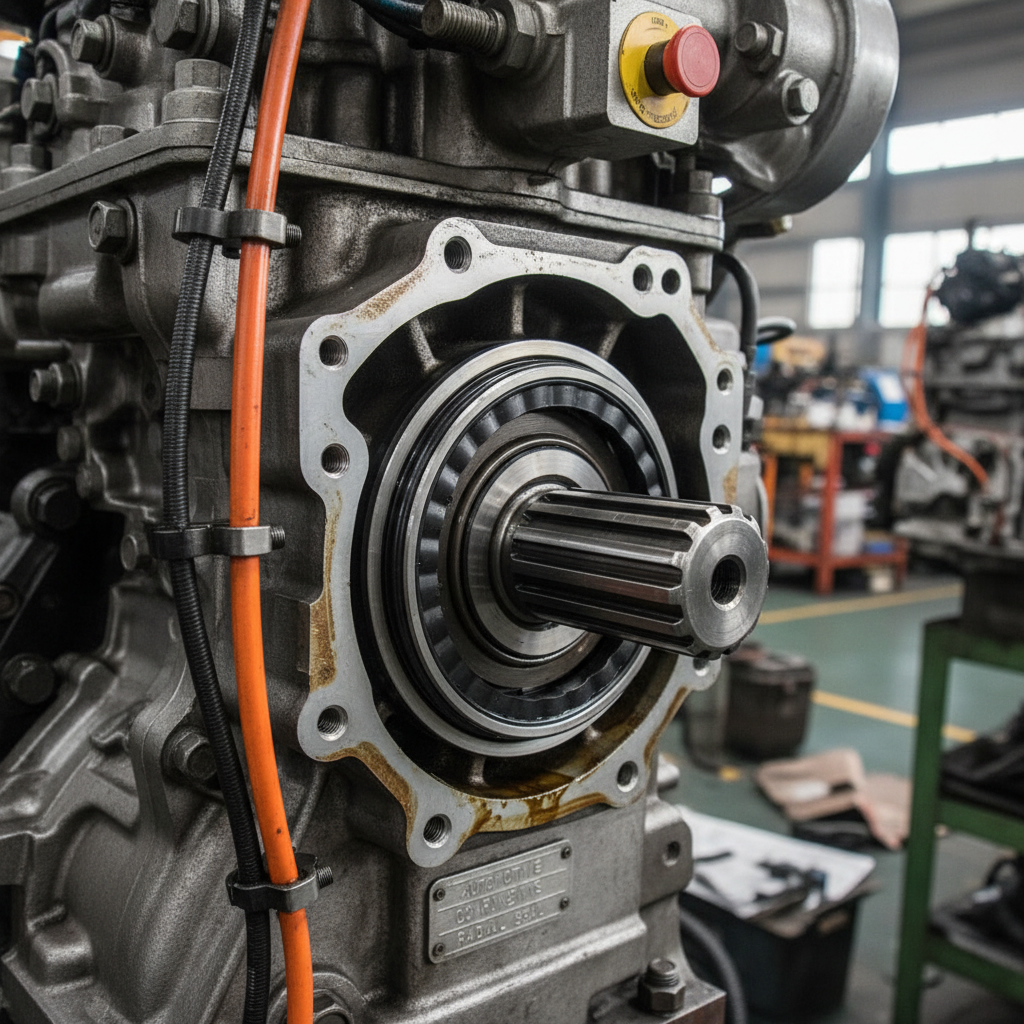
Understanding the Fundamentals of radial oil seal
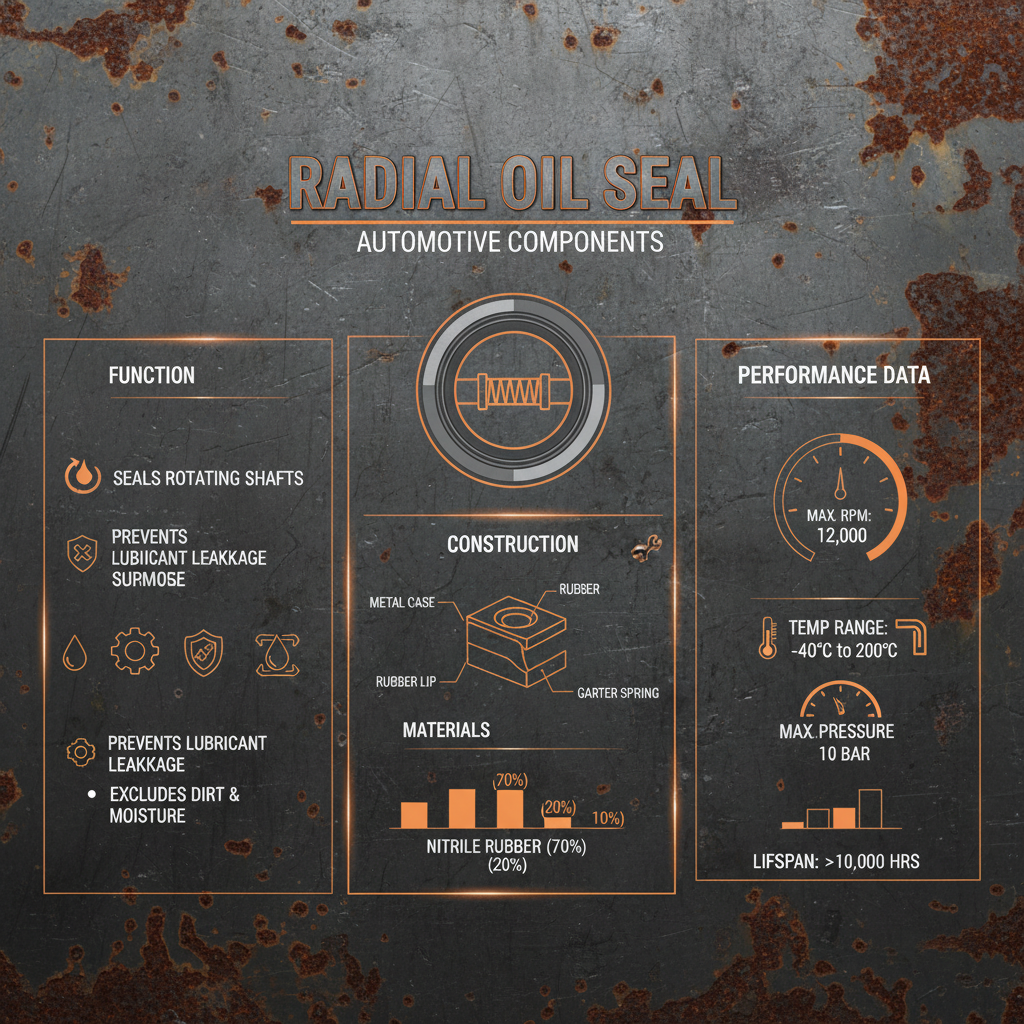
At its core, a radial oil seal is designed to create a dynamic barrier between stationary and rotating components in machinery. This is accomplished through a combination of precise manufacturing tolerances, carefully selected materials, and often, a spring-loaded lip that maintains contact with the rotating shaft. The proper functioning of this seal is vital to maintaining pressure, preventing contamination, and minimizing friction.
The design principles governing radial oil seals are deeply rooted in tribology – the science of friction, wear, and lubrication. Factors such as shaft speed, surface finish, fluid viscosity, and operating temperature all influence seal performance and longevity. Choosing the appropriate seal geometry and material composition is therefore paramount to achieving reliable operation in specific applications.
FAQS
Single-lip seals are generally used for less demanding applications with lower pressures and slower shaft speeds. They offer less resistance to rotation but provide limited protection against contaminants. Double-lip seals, on the other hand, feature two sealing lips and offer significantly enhanced protection against dust, dirt, and other debris, making them suitable for harsher environments and higher pressures. The choice depends on the specific application requirements and operating conditions.
Determining the correct size involves measuring several critical dimensions. You'll need to know the shaft diameter, housing diameter, and seal width. It's crucial to ensure a precise fit to prevent leakage and premature wear. Consulting a seal manufacturer's catalog or website, or seeking expert advice, is highly recommended to ensure accurate selection. Improper sizing can lead to seal failure and costly downtime.
Common materials include Nitrile Rubber (NBR) for general-purpose applications, Silicone Rubber (VMQ) for high-temperature applications, Viton (FKM) for resistance to chemicals and fuels, and Polyurethane (PU) for high wear resistance. PTFE (Teflon) is used in highly corrosive environments. The choice of material depends on the fluid being sealed, the operating temperature, and the desired lifespan of the seal.
Several factors contribute to seal longevity. Proper lubrication is essential, as is maintaining clean operating conditions. Ensure the shaft surface is smooth and free of imperfections. Avoid overpressure and excessive shaft speeds. Regularly inspect seals for signs of wear and replace them proactively to prevent catastrophic failure.
Common failure modes include wear due to abrasion, chemical attack, heat degradation, and improper installation. Contamination by dirt and debris can also accelerate wear. Shaft misalignment, excessive vibration, and overpressure can damage the sealing lip. Correctly identifying the root cause of failure is crucial for preventing recurrence.
High-speed applications demand seals designed to withstand centrifugal forces and generate minimal heat. Materials with low friction coefficients, such as PTFE, are often preferred. Proper lubrication is also critical to reduce friction and prevent overheating. The seal design should minimize dynamic friction and maximize heat dissipation to ensure reliable performance.
Conclusion
In conclusion, the radial oil seal is a fundamental component in countless mechanical systems, quietly ensuring their reliable operation. Understanding its principles, materials, and applications is critical for engineers, technicians, and anyone involved in maintaining and optimizing machinery. The advancements in materials science and manufacturing techniques continue to drive improvements in seal performance and longevity, leading to increased efficiency and reduced downtime.
Looking ahead, the future of radial oil seal technology will be shaped by sustainability concerns, the demand for increased efficiency, and the integration of smart technologies. By embracing innovation and focusing on long-term value, we can unlock even greater potential from these vital components. Visit our website at www.huimaooilseal.com to learn more about our comprehensive range of sealing solutions.
Related Posts
-

Understanding Teflon Oil Seals for Optimal Equipment Performance and Reliability
-
Optimizing Rotating Equipment Performance with Reliable Floating Oil Seal Solutions
-

The Critical Role of Silicone Oil Seals in Construction and Heavy Machinery
-
Navigating the Complex World of Oil Seal Rubber Part Materials and Design