0%

Table of Contents

Teflon oil seals. Seems simple enough, right? But after 20 years spent crawling under machines, breathing dust, and talking shop with the guys who actually keep things running, you realize these little rings are the unsung heroes of just about every piece of equipment out there. They're not glamorous, they don't get magazine covers, but when one fails, everything grinds to a halt. We’re talking downtime, lost revenue, and a whole lot of frustration. Understanding the nuances of teflon oil seals isn't just about specs and materials; it's about preventing headaches and keeping projects on schedule. I've seen firsthand what happens when corners are cut, and trust me, you want a seal you can rely on.

The demand for reliable sealing solutions is global. The United Nations estimates that infrastructure development alone requires billions in maintenance annually, a significant portion directly impacted by component failure—and seals are a major player in that. It’s not just heavy industry, either. Agriculture, automotive, aerospace… they all depend on effective sealing. What’s driving this? Increasing machine complexity, harsher operating environments, and a push for greater efficiency. We’re demanding more from our equipment, and that puts more stress on everything, especially the seals. Finding solutions that meet these demands isn't just good business, it’s essential for global productivity.

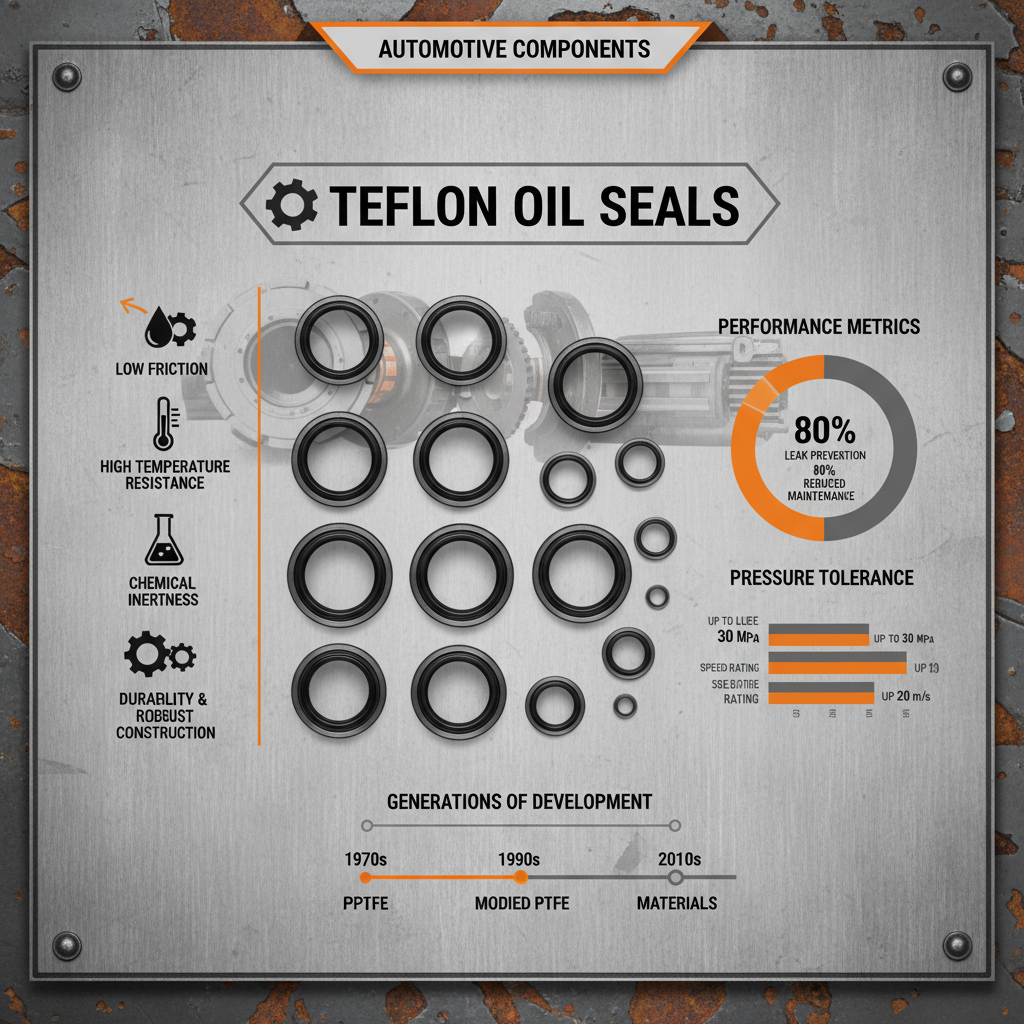
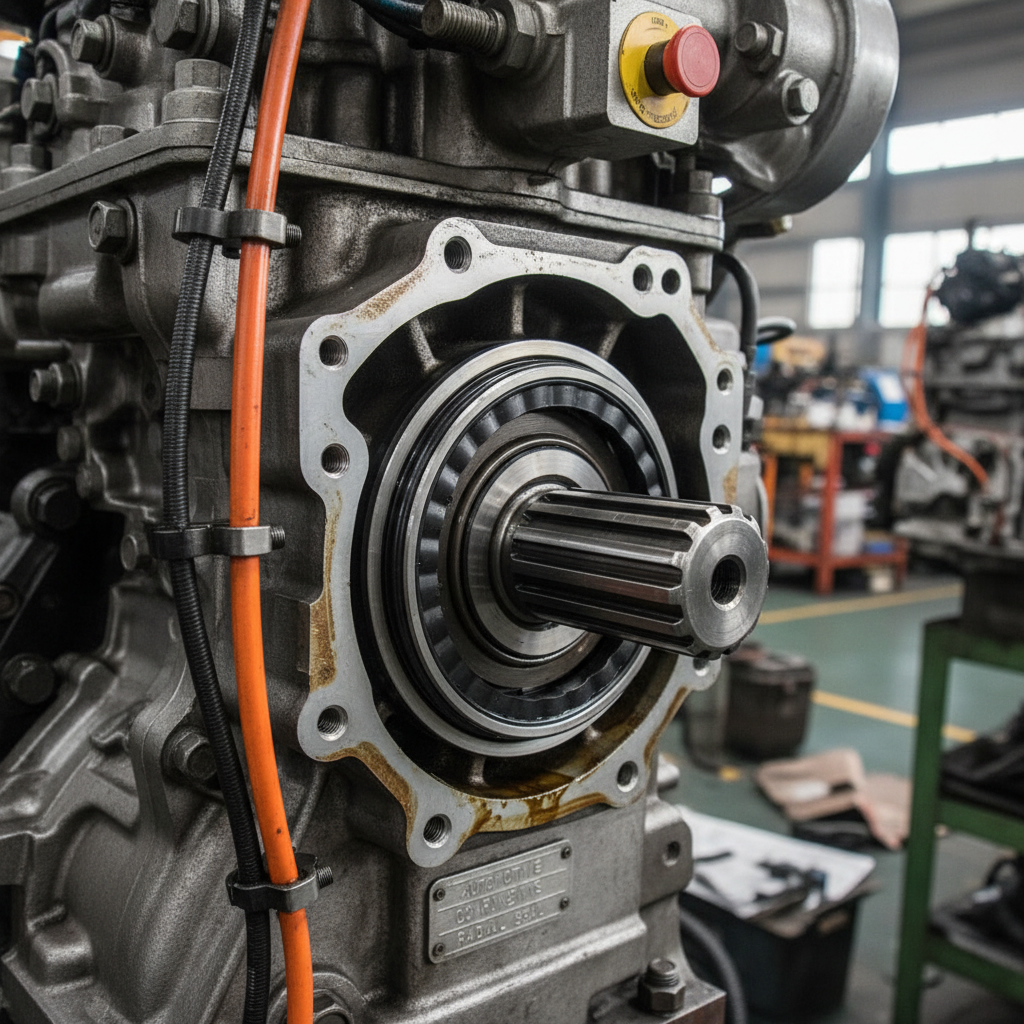
Simply put, a teflon oil seal prevents leakage. It forms a barrier between moving parts – a shaft and a housing, for example – and the surrounding environment. But it’s more than just stopping fluid from escaping. It keeps contaminants out, protecting critical components from wear and tear. The "teflon" part is crucial: polytetrafluoroethylene (PTFE) gives these seals exceptional chemical resistance and a remarkably low coefficient of friction. This translates to less heat buildup, longer life, and improved performance. It’s a technology that underpins modern industry and enables a lot of the comforts and efficiencies we take for granted.

Understanding Teflon Oil Seals for Optimal Equipment Performance and Reliability

Key Factors or Core Components

Understanding Teflon Oil Seals for Optimal Equipment Performance and Reliability

First off, durability. A teflon oil seal isn’t worth much if it’s shot after a month. The quality of the PTFE compound, the elastomer used for the lip, and the precision of the manufacturing process all play a role. Then there’s compatibility – what fluid are you sealing? Some seals aren't happy with aggressive chemicals or high temperatures. Beyond the materials, the design matters. A well-designed seal will distribute pressure evenly, minimizing wear. Lastly, proper installation is huge. A seal that's pinched, twisted, or contaminated is doomed from the start. I've seen too many failures that came down to a rushed install.

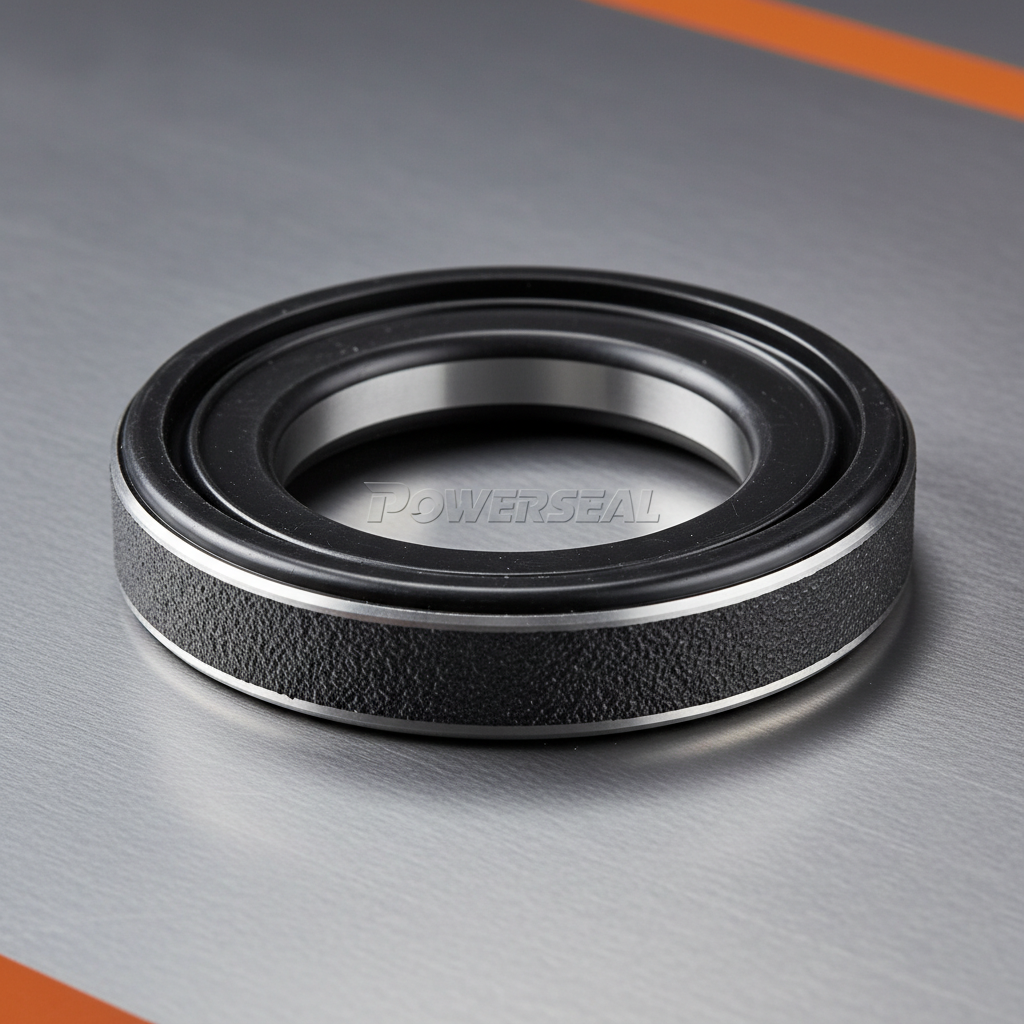
The core components really boil down to the material selection: the Teflon (PTFE) itself, the elastomer (like nitrile, Viton, or silicone) that provides the springiness, and any reinforcing materials. The PTFE provides the low friction and chemical resistance, while the elastomer ensures a tight fit. The type of elastomer you choose depends on the application – temperature range, fluid compatibility, and desired lifespan. It’s a balancing act. Then there's the casing - metal or composite - providing structural support. It’s a system, not just a ring of plastic.

Global Applications & Use Cases

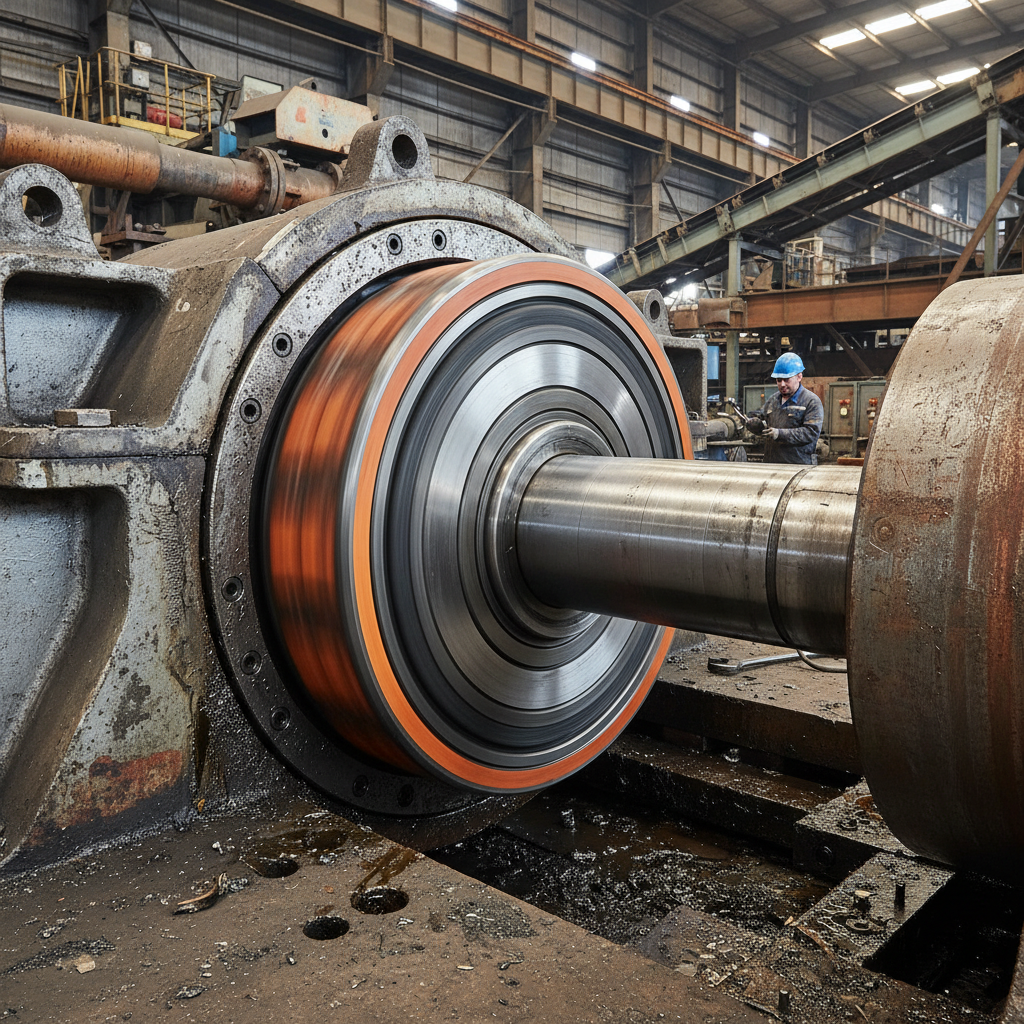
You'll find these seals everywhere. Hydraulic systems in construction equipment – excavators, loaders, bulldozers – they’re all relying on teflon oil seals. The automotive industry uses them extensively in transmissions, engines, and power steering. Aerospace depends on them for fuel systems and hydraulics, where reliability is non-negotiable. Even in food processing, you’ll find specialized seals designed for sanitary environments.

Think about remote mining operations in Australia, or the oil and gas fields in the Middle East. These places aren’t exactly known for readily available parts and qualified mechanics. Reliable seals are critical to minimizing downtime and keeping production flowing. Similarly, in agricultural regions across the globe, where equipment is constantly exposed to harsh conditions, a robust seal can mean the difference between a successful harvest and a costly repair.

And it’s not just big industries. Even smaller applications, like pumps in water treatment plants or compressors in HVAC systems, rely on consistent sealing performance. In post-disaster relief operations, having access to reliable machinery is crucial, and that machinery won’t run without functioning seals. It's a silent but critical component of keeping the world moving.

Definition & Meaning

A teflon oil seal – or more accurately, a PTFE oil seal – is a mechanical component designed to prevent the leakage of fluids (oil, water, grease, chemicals) from rotating or reciprocating machinery. It accomplishes this by creating a dynamic barrier between stationary and moving parts. The "teflon" part, referring to the PTFE material, is what gives it its unique properties.

Its connection to modern industry is profound. Without reliable sealing technology, we wouldn’t have efficient engines, dependable hydraulic systems, or safe chemical processing. It's a foundational technology that enables countless advancements in manufacturing, transportation, and energy production. Think of the complex machinery that builds our cars, planes, and infrastructure – all relying on seals to function properly.

It also plays a role in sustainability. By preventing leaks, these seals reduce fluid loss, minimizing environmental contamination and conserving valuable resources. A well-performing seal contributes to more efficient operations, reducing energy consumption and waste. It’s a small component with a surprisingly large impact.

Advantages & Long-Term Value

The immediate benefit is cost savings. Preventing leaks means less fluid replacement, less downtime, and fewer repairs. But the long-term value goes way beyond that. The low friction of teflon reduces wear on shafts and housings, extending the life of the equipment. The chemical resistance minimizes corrosion and degradation, further contributing to longevity.

From a safety standpoint, reliable sealing prevents spills and potential hazards, protecting workers and the environment. The peace of mind knowing your equipment is running efficiently and reliably is also valuable. And let's be honest, there's a certain pride in knowing you're using quality components that are built to last. I’ve always said, cheap parts end up costing you more in the long run – both in money and headaches.

Average Teflon Oil Seal Lifespan by Application


Future Trends & Innovations

We’re seeing a move towards more advanced materials. New PTFE compounds are being developed with even greater resistance to wear and chemicals. There's also research into self-lubricating seals that can reduce friction and extend lifespan even further. Smart seals, equipped with sensors that monitor performance and predict failure, are also on the horizon.

Digitalization is playing a role too. Predictive maintenance programs, powered by data from sensors embedded in equipment, can help identify seals that are nearing the end of their life and schedule replacements before failures occur. This is huge for minimizing downtime and optimizing maintenance schedules. And, of course, the push for sustainability is driving demand for seals made from eco-friendly materials and designed for longer life.

Challenges & Solutions

One common challenge is improper installation. It’s not rocket science, but it requires attention to detail and proper training. Providing clear installation guidelines and offering training programs for mechanics can make a big difference. Another issue is selecting the right seal for the application. There are so many options available, it can be overwhelming. Working with a knowledgeable supplier who can provide expert guidance is key.

Contamination is also a constant battle. Dirt, debris, and corrosive fluids can all damage seals. Implementing robust filtration systems and regular maintenance procedures can help keep contaminants at bay. And finally, dealing with extreme temperatures and pressures requires specialized seal designs and materials. Continuous innovation and material science advancements are essential for overcoming these challenges.

Challenges and Solutions in Teflon Oil Seal Application

The effectiveness of teflon oil seals is heavily influenced by the surrounding operating conditions. Maintaining optimal performance requires addressing common challenges proactively and implementing tailored solutions. This ensures longevity and minimizes the risk of costly failures.

Selecting the correct seal material for the specific application is crucial. Factors like fluid compatibility, temperature range, and pressure levels must be carefully considered. Incompatibility can lead to rapid degradation and seal failure. Utilizing advanced materials and coatings can broaden operating parameters and enhance seal life.

Proper installation is paramount. Incorrect installation can compromise the seal's integrity, leading to premature failure. Ensuring correct alignment, lubrication, and tension are essential. Implementing rigorous quality control measures during installation can minimize errors and optimize performance.

Summary of Key Challenges and Solutions for Teflon Oil Seal Applications

Challenge Area Impact on Seal Performance Proposed Solution Implementation Priority (1-5, 5=Highest)
Material Incompatibility Accelerated Degradation, Swelling, or Hardening Select PTFE Compound with Proven Compatibility 5
Installation Errors Compromised Seal Integrity, Premature Failure Standardized Installation Procedures & Training 5
Contamination Abrasive Wear, Reduced Seal Life Implement Filtration Systems & Regular Maintenance 4
Extreme Temperatures Material Breakdown, Loss of Elasticity Utilize Heat-Resistant Elastomers or Coatings 3
High Pressure Seal Deformation, Leakage Reinforced Seal Design with Back-Up Rings 4
Dynamic Seal Runout Uneven Wear, Seal Failure Precision Shaft & Housing Tolerances 3

FAQS

What’s the biggest mistake people make when selecting a teflon oil seal?

Ignoring the fluid compatibility. You can have the best seal in the world, but if it's not designed to handle the specific fluid it's exposed to, it’s going to fail quickly. A lot of folks focus on size and pressure, but overlook the chemical resistance. Always check the datasheet and confirm it's compatible with what you're sealing. It saves a lot of headaches down the line.

How long should a teflon oil seal realistically last in a hydraulic system?

It really depends on the operating conditions, but a well-maintained hydraulic system with a quality teflon oil seal should get you at least 2-5 years. However, factors like fluid contamination, temperature extremes, and pressure fluctuations can significantly shorten that lifespan. Regular fluid analysis and preventative maintenance are key to maximizing seal life.

Are all teflon oil seals created equal?

Absolutely not. The quality of the PTFE compound, the elastomer used, the precision of manufacturing, and the quality control processes all vary significantly between manufacturers. Cheaper seals may seem like a good deal upfront, but they often lack the durability and performance of higher-quality seals.

What’s the best way to install a teflon oil seal to prevent damage?

Use a proper seal installation tool! Never pry a seal into place with a screwdriver or other sharp object, as this can damage the sealing lip. Lubricate the seal with the fluid it will be exposed to during operation. Ensure the shaft is clean and free of burrs or scratches. A little care during installation can dramatically extend the seal's life.

Can a damaged teflon oil seal be repaired?

Generally, no. Once a teflon oil seal is damaged – scratched, cracked, or deformed – it's best to replace it. Attempting to repair a seal is usually a temporary fix and can lead to further problems. The cost of downtime and potential damage far outweighs the cost of a new seal.

What are the signs that a teflon oil seal is failing?

The most obvious sign is leakage. But also look for reduced performance, increased noise, or overheating of the equipment. Regular inspections can help catch potential problems early on before they escalate into major failures. A drop in system pressure is another indicator that should be investigated.

Conclusion

Teflon oil seals aren’t flashy, but they are fundamental to the reliable operation of countless machines and systems worldwide. Understanding their core components, key applications, and potential challenges is crucial for anyone involved in maintenance, engineering, or operations. Investing in quality seals and proper installation practices translates to reduced downtime, lower maintenance costs, and improved overall efficiency.

Looking ahead, advancements in materials science and sensor technology will continue to drive innovation in sealing solutions. Proactive maintenance, coupled with a thorough understanding of these critical components, will be essential for maximizing equipment lifespan and minimizing environmental impact. Don't underestimate the power of a good seal – it’s a small component with a big responsibility. For reliable teflon oil seals and expert advice, visit our website today: www.huimaooilseal.com

Robert Miller

Robert Miller

Robert Miller is a Senior Automotive Engineer at Xingtai Huimao Trading Co., Ltd., specializing in rubber sealing technologies. With over 15 years of experience in the auto parts industry, Robert focuses on the integration of advanced foreign oil seal technologies into Huimao’s manufacturing processes. He’s responsible for material selection, performance
Previous The Crucial Role of Spring Oil Seals in Maintaining Smooth Industrial Operations
Next The Crucial Role of Oil Seal Gaskets in Equipment Longevity and Performance