Look, after years on construction sites, wrestling with everything from concrete mixers to stubborn bolts, you learn what really matters. It’s not just about specs on a datasheet; it’s about keeping things running smoothly, preventing headaches, and saving time and money. And frankly, that's where a good spring oil seal comes in. These little guys get overlooked, but they're the unsung heroes of any rotating shaft. They prevent leaks, keep everything lubricated, and ultimately, prevent expensive downtime. It’s a small investment for a big return, trust me.
I've seen too many projects delayed, and budgets blown, because of something as simple as a failing seal. A leaking seal can contaminate lubricants, causing premature wear and tear on critical components. It's a domino effect, and before you know it, you’re replacing entire assemblies instead of just a ten-dollar seal. Knowing the right spring oil seal for the job, understanding its limitations, and making sure it’s installed correctly – that’s what separates a seasoned pro from someone still learning the ropes.
And it's not just heavy machinery. From pumps to gearboxes, if it spins, it needs a seal. We’re talking about applications across every industry, from oil and gas to water treatment to manufacturing. Ignoring the importance of these seals isn’t just bad practice, it's a recipe for disaster.
The Importance of Spring Oil Seals in Industrial Applications
Let's be clear: a spring oil seal isn't just a component; it’s a system safeguard. It’s about maintaining pressure, preventing contamination, and ensuring smooth operation. I’ve seen firsthand how a seemingly small seal failure can bring a multi-million dollar piece of equipment to its knees. It's a critical part of preventative maintenance, and one that shouldn't be overlooked.
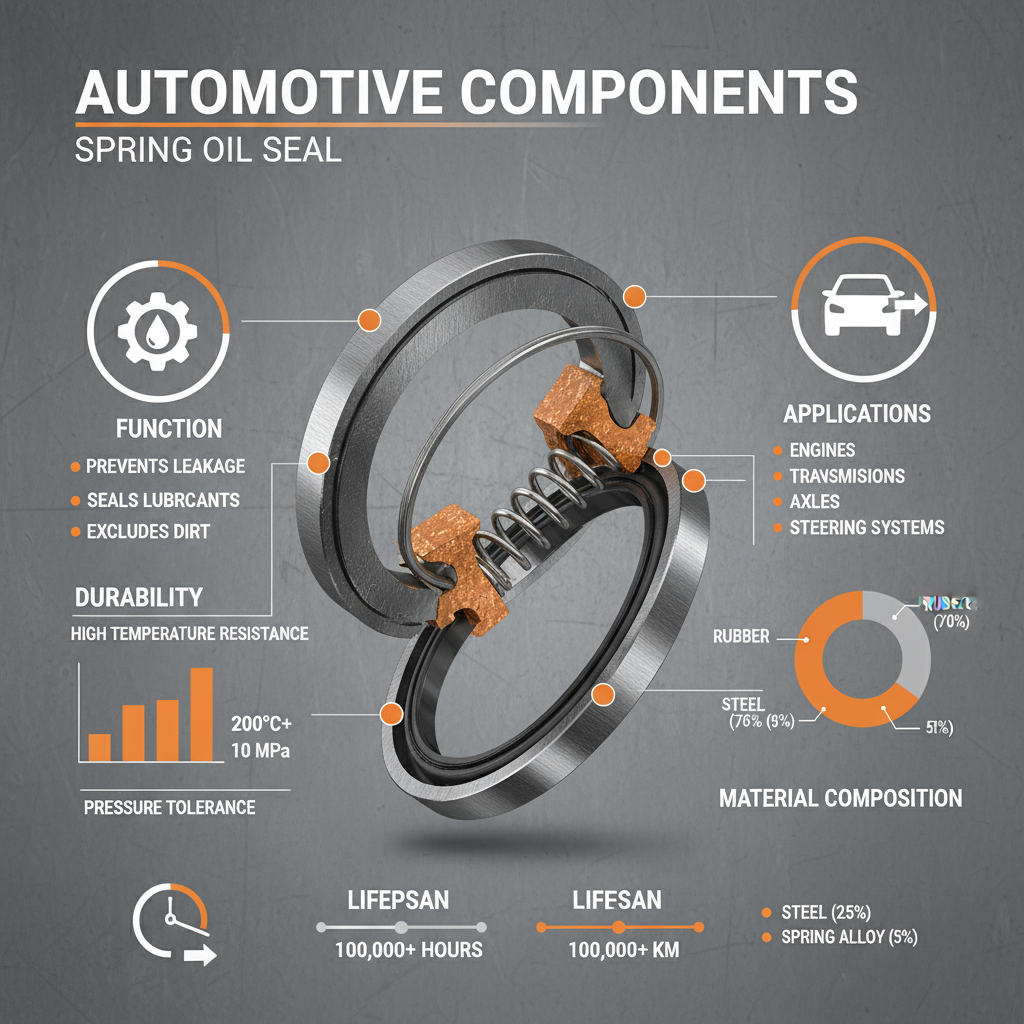
These seals are vital in rotary shaft applications, preventing leakage of fluids, gases, or other materials. The spring-loaded lip creates a dynamic seal, constantly adapting to shaft variations and maintaining a tight barrier. Properly selected and installed, they dramatically extend the lifespan of bearings, gears, and other moving parts.
Understanding Spring Oil Seal Design and Materials
Now, we're getting into the nitty-gritty. These aren't one-size-fits-all parts. Spring oil seals come in a huge variety of materials - nitrile rubber, Viton, silicone, PTFE – each with its own strengths and weaknesses. Nitrile is good for general purpose applications, Viton stands up to high temperatures and aggressive chemicals, silicone is great for extreme cold. You have to match the material to the environment.
The spring itself is also critical. It provides the necessary pressure to maintain contact with the shaft, but it needs to be the right stiffness. Too soft, and it won’t seal effectively. Too stiff, and it’ll wear out quickly. Then you have the seal’s housing – metal reinforced or molded rubber – impacting its overall durability and load-bearing capacity.
Finally, you've got the lip profile. Different profiles are designed for different speeds and pressures. It’s a complex interplay of factors, and that's why relying on a knowledgeable supplier is so important.
Key Factors Affecting Spring Oil Seal Performance
Performance isn’t just about the seal itself. Shaft finish is huge. A rough shaft will eat through a seal in no time. Proper lubrication is another critical factor. The seal needs a film of lubricant to reduce friction and prevent wear. Misalignment is a killer. If the shaft isn't running true, the seal will be constantly stressed and will fail prematurely.
Temperature is also a big one. Extreme heat or cold can affect the seal’s material properties, causing it to harden, crack, or lose its elasticity. And then there's pressure. High pressure applications require seals designed to withstand the stress without extruding or deforming. Get these factors wrong, and you're throwing money away.
Contamination, like dirt, dust, and debris, is another enemy. It can get past the seal and damage the bearing or gearbox. Properly installed shaft seals and regular filter maintenance are the best defenses against contamination. Spring oil seal selection must consider the operating environment to maximize longevity.
Global Applications of Spring Oil Seals Across Industries
Seriously, these things are everywhere. I’ve seen them in everything from massive mining equipment to delicate medical devices. In the oil and gas industry, they’re used in pumps, compressors, and pipelines to prevent leaks and maintain system integrity.
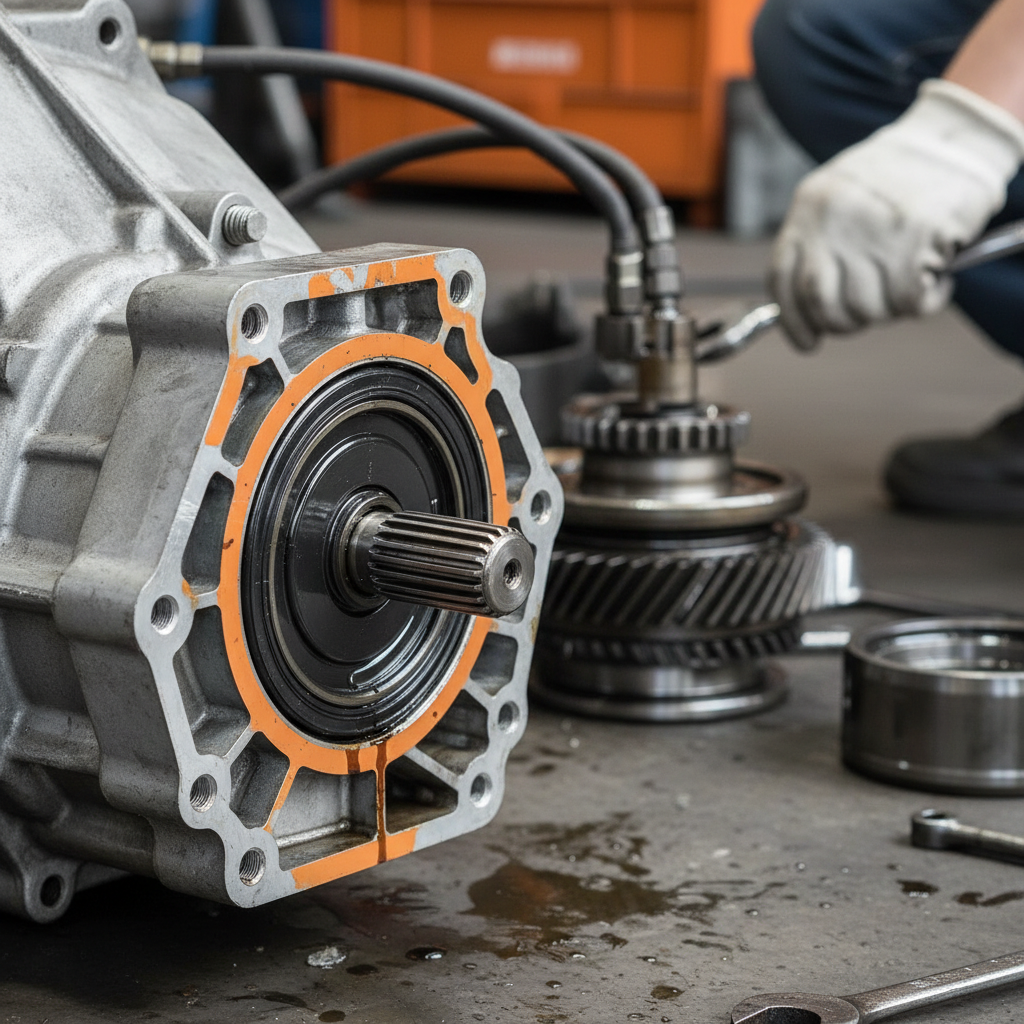
In automotive manufacturing, they’re essential for sealing transmissions, differentials, and wheel hubs. Water treatment plants rely on them in pumps and motors to ensure reliable operation. Even in agriculture, you'll find them in tractors, combines, and irrigation systems. It's a truly global market.
Spring Oil Seal Application Breakdown
Advantages and Long-Term Value of Using High-Quality Seals
Look beyond the initial cost. Cheap seals might save you a few bucks upfront, but they’ll cost you big time in the long run. A high-quality spring oil seal reduces downtime, minimizes maintenance, and extends the lifespan of your equipment. That translates to significant cost savings over the life of the asset.
There's also the safety aspect. A leaking seal can create a hazardous work environment. Preventing leaks isn’t just good for the bottom line; it’s good for your people. And from a sustainability standpoint, reducing waste and extending equipment life is a win for everyone.
Future Trends and Innovations in Spring Oil Seal Technology
We’re seeing a lot of innovation in materials science right now. New polymers are being developed that offer even better resistance to chemicals, temperatures, and wear. There’s also a growing focus on smart seals – seals with embedded sensors that can monitor their condition and provide early warning of potential failures.
And with the rise of Industry 4.0, we’re seeing more integration of seals into predictive maintenance programs. Data from these seals can be used to optimize maintenance schedules and prevent unplanned downtime.
The demand for environmentally friendly materials is also driving innovation. Manufacturers are exploring biodegradable and recyclable seal materials to reduce their environmental footprint.
Common Challenges and Practical Solutions with Spring Oil Seals
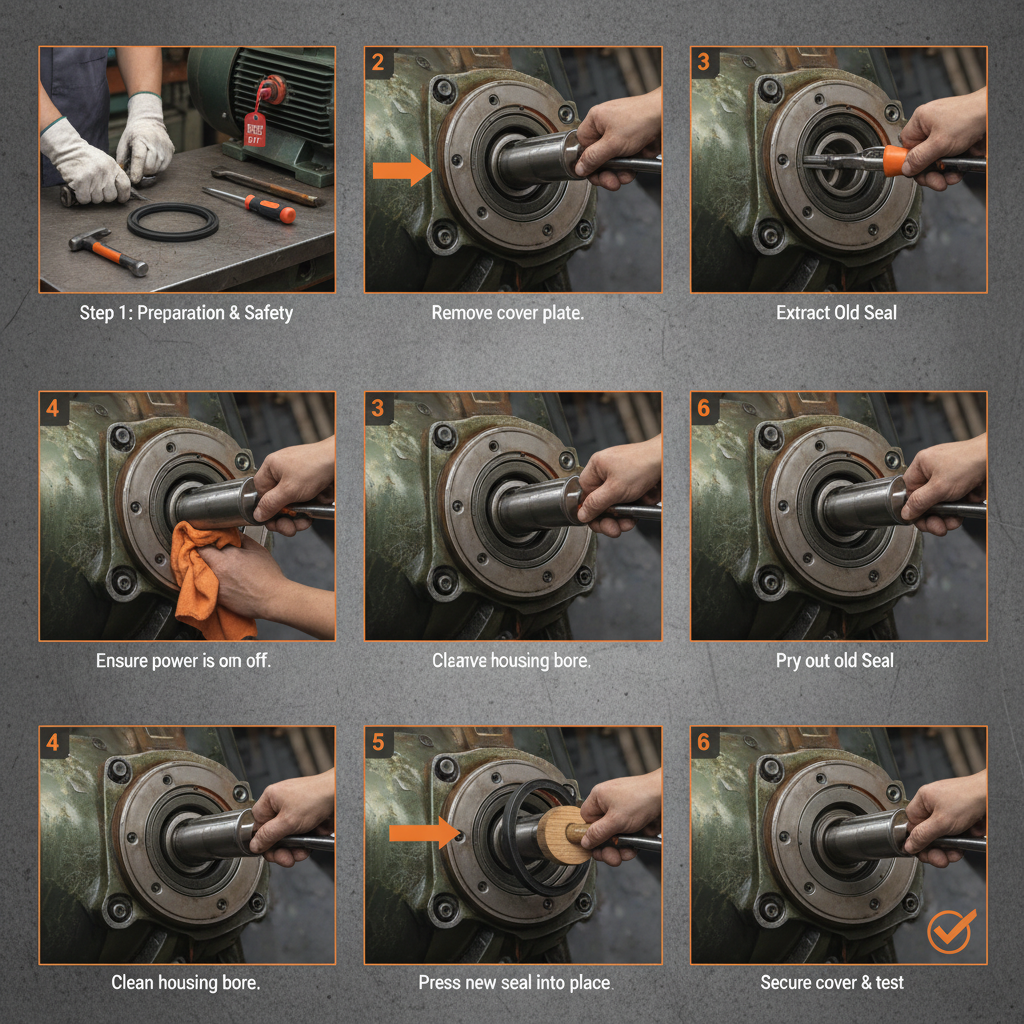
One of the biggest challenges is improper installation. A seal is only as good as the installation. You need to make sure the shaft is clean, the seal is properly lubricated, and the seal is seated correctly. Rushing this step is a recipe for disaster.
Another challenge is selecting the right seal for the application. With so many materials and designs available, it can be overwhelming. That’s where a good supplier comes in. They can help you navigate the options and choose the best seal for your specific needs.
Finally, there’s the issue of wear and tear. Even the best seals eventually wear out. Regular inspection and replacement are essential to prevent failures.
Summary of Common Challenges and Solutions for Spring Oil Seals
| Challenge |
Root Cause |
Solution |
Prevention Strategy |
| Premature Seal Failure |
Incorrect Material Selection |
Choose a seal material compatible with the operating environment |
Conduct a thorough application analysis |
| Seal Leakage |
Improper Installation |
Follow manufacturer's installation guidelines |
Provide technician training |
| Reduced Seal Lifespan |
Shaft Surface Finish |
Ensure shaft is smooth and free of imperfections |
Implement shaft inspection procedures |
| Contamination Issues |
Lack of Filtration |
Install appropriate filtration systems |
Regularly maintain and replace filters |
| Excessive Wear |
Insufficient Lubrication |
Ensure adequate lubrication |
Establish a lubrication schedule |
| Seal Extrusion |
High System Pressure |
Use a seal designed for high pressure |
Monitor and control system pressure |
FAQS
Honestly, it's not considering the whole picture. People get hung up on size and forget about the operating temperature, the fluids involved, the shaft speed, and the pressure. You need a seal that's compatible with everything in the system, not just the shaft diameter. A mismatched seal will fail quickly, costing you time and money.
Keep an eye out for leaks, of course. But also listen for unusual noises – whining or squealing can indicate a worn seal. A drop in system pressure is another sign. Regular inspections are key. A simple visual check can often catch problems before they escalate into major failures.
Cleanliness is paramount! Make sure the shaft and housing are spotless. Lubricate the seal generously with a compatible grease before installation. Use a seal installation tool to avoid damaging the seal lip. Don’t force it! A gentle, even pressure is all you need. And double-check that the seal is seated correctly.
Generally, no. Once a seal has been compressed and installed, its spring tension is compromised. Reusing it is a gamble. It might work for a short time, but it's likely to leak. The cost of a new seal is a small price to pay for peace of mind and reliable operation.
A single lip seal is good for general-purpose applications, while a double lip seal provides an extra layer of protection against contaminants and leakage. Double lip seals are ideal for harsh environments or applications where a leak could be catastrophic. Think of it as extra insurance.
Critically important! The spring provides the sealing force. Stainless steel springs are corrosion-resistant and durable, ideal for harsh environments. Carbon steel springs are more economical but may corrode over time. The spring's tension and material need to match the application’s requirements for optimal performance.
Conclusion
So, there you have it. A spring oil seal may seem like a small part, but it plays a huge role in the reliability and efficiency of countless machines. Understanding its design, materials, and proper installation is crucial for any professional working with rotating equipment. Don’t underestimate its importance.
Investing in high-quality seals, taking the time to select the right one for the job, and ensuring proper installation will pay dividends in the long run. Don't wait for a failure to happen. Be proactive, maintain your equipment, and keep those seals in good working order. For reliable spring oil seals and expert advice, visit our website: www.huimaooilseal.com