Look, I've spent the last fifteen years knee-deep in concrete dust and grease, watching things get built – and sometimes, watching them fail. And one thing I can tell you for sure: a reliable oil seal gasket isn’t some tiny detail you skim over on a parts list. It's the difference between a machine running smoothly for years, or seizing up and costing you a fortune in downtime and repairs. We’re talking about everything from hydraulic systems on excavators to the engines powering generators – the stuff that keeps projects moving.
It's not about just 'keeping oil in,' it's about preventing contamination, maintaining pressure, and ultimately, ensuring the longevity of incredibly expensive equipment. I’ve seen projects stalled for days because of a failed seal, seen whole engines needing overhauls because dirt got where it shouldn’t. The cost adds up fast – not just in parts, but in lost productivity and damaged reputations. That’s why understanding the nuances of an oil seal gasket is crucial.
And frankly, a lot of guys on site don't give it the respect it deserves. They see it as a small, cheap component. But you show them the bill when something goes wrong, and suddenly they’re a lot more interested in material quality and proper installation.
The Critical Role of oil seal gasket
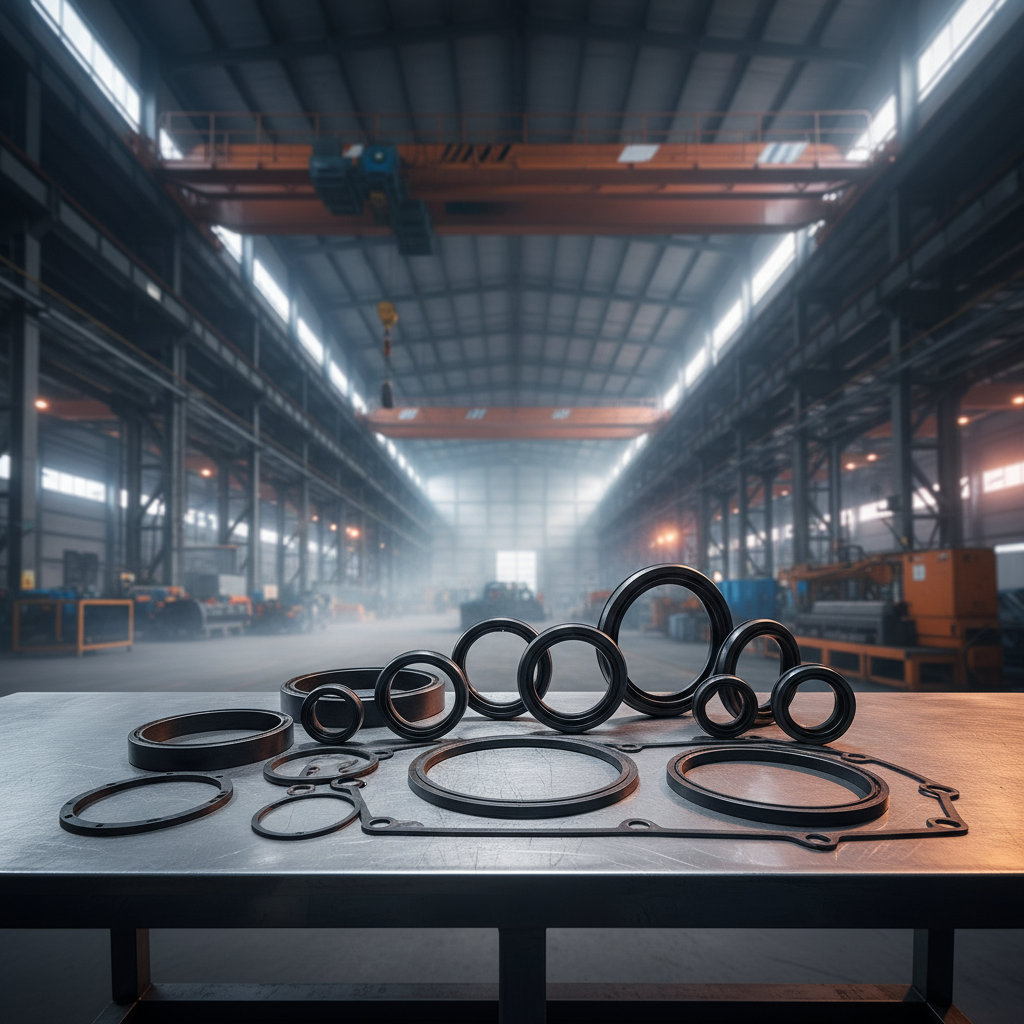
Let’s be clear: these aren’t just rubber rings. A good oil seal gasket protects vital components from abrasive particles, moisture, and chemical breakdown. I've seen pumps fail within weeks because the seals were cheap imports that couldn't handle the grit in the environment. It's a direct line to equipment lifespan and operating costs.
From a practical standpoint, a compromised seal means increased friction, overheating, and ultimately, catastrophic failure. We’re talking about expensive downtime, emergency repairs, and the potential for further damage to surrounding systems. And in many cases, it’s a preventable issue with the right seal selection and installation.
Defining the oil seal gasket in Practical Terms
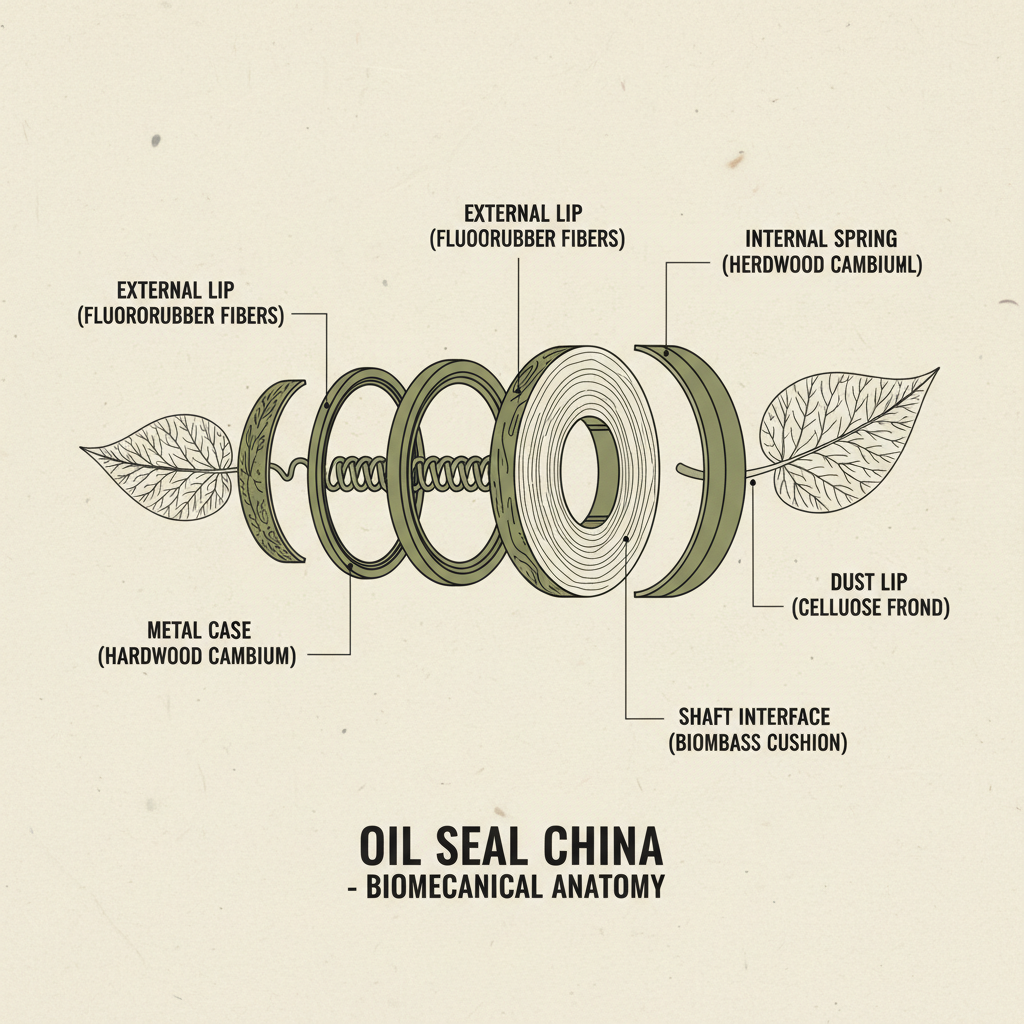
Simply put, an oil seal gasket is a barrier designed to contain fluids – usually oil, but also hydraulic fluid, coolant, or even grease – within a mechanical system. It prevents leakage while also keeping contaminants out. But it’s far more nuanced than that. The material, the lip design, the spring tension – all play a critical role.
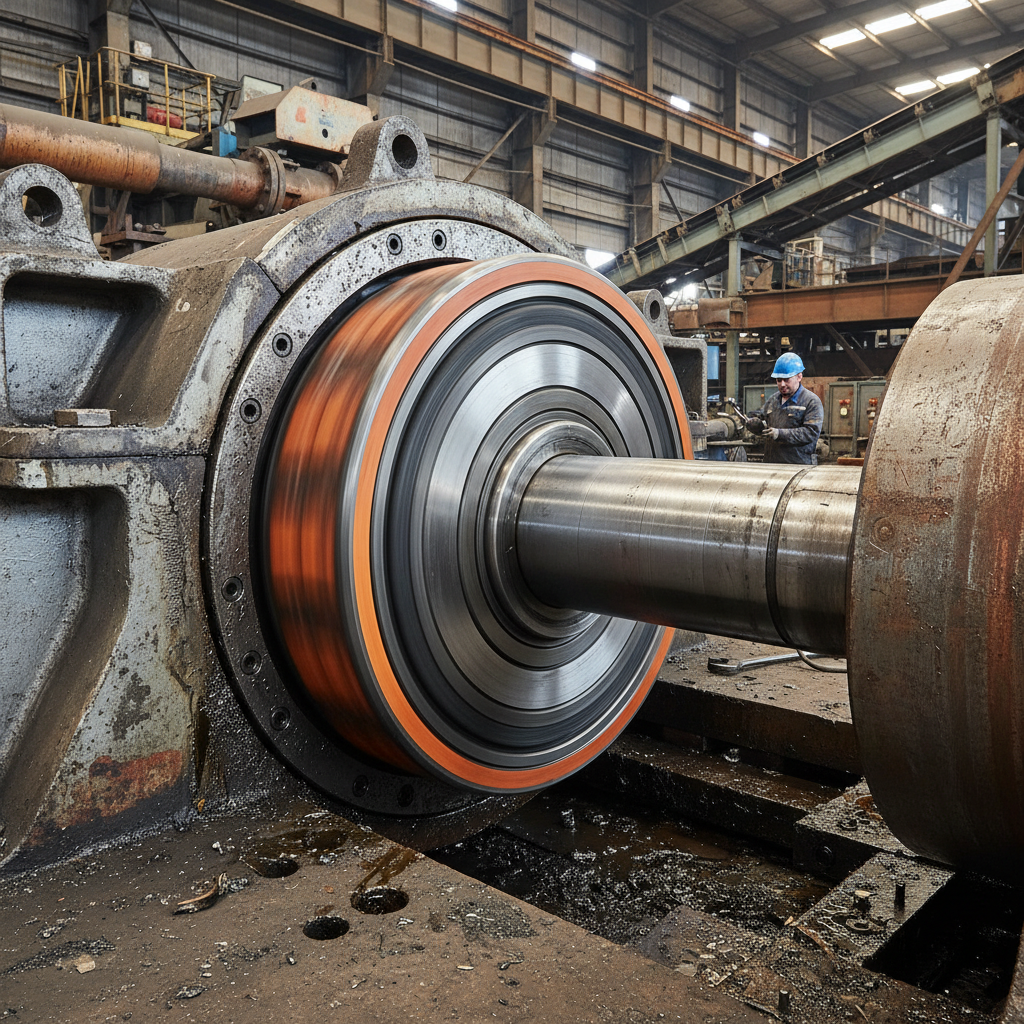
Think about a hydraulic cylinder on a backhoe. That cylinder needs to maintain constant pressure to operate effectively. A failing seal will cause pressure drop, leading to sluggish performance, and eventually, complete failure. It’s foundational to the function of countless machines.
And it’s not just about the big stuff. Even smaller engines, like those powering generators on remote sites, rely on these seals to operate reliably. A simple seal failure can bring an entire operation to a standstill.
Key Factors Influencing oil seal gasket Performance
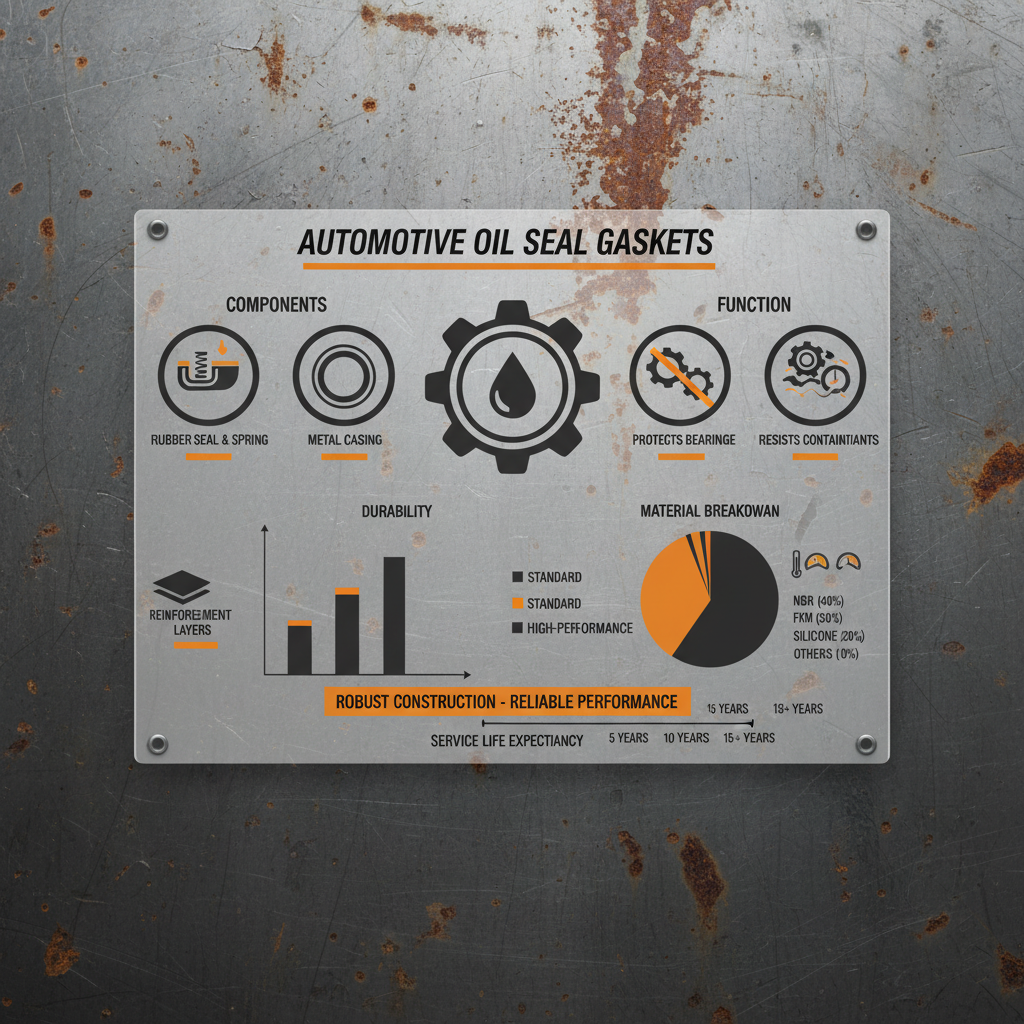
Durability is paramount. You need a seal that can withstand constant pressure, temperature fluctuations, and the abrasive environment of a construction site. That means choosing the right material – nitrile rubber, Viton, silicone – depending on the fluid and operating conditions. Cheap rubber just won’t cut it.
Compatibility with the fluid is another crucial factor. Using the wrong material can lead to swelling, cracking, or even complete disintegration of the seal. I’ve seen nitrile seals fail rapidly when exposed to certain types of synthetic lubricants.
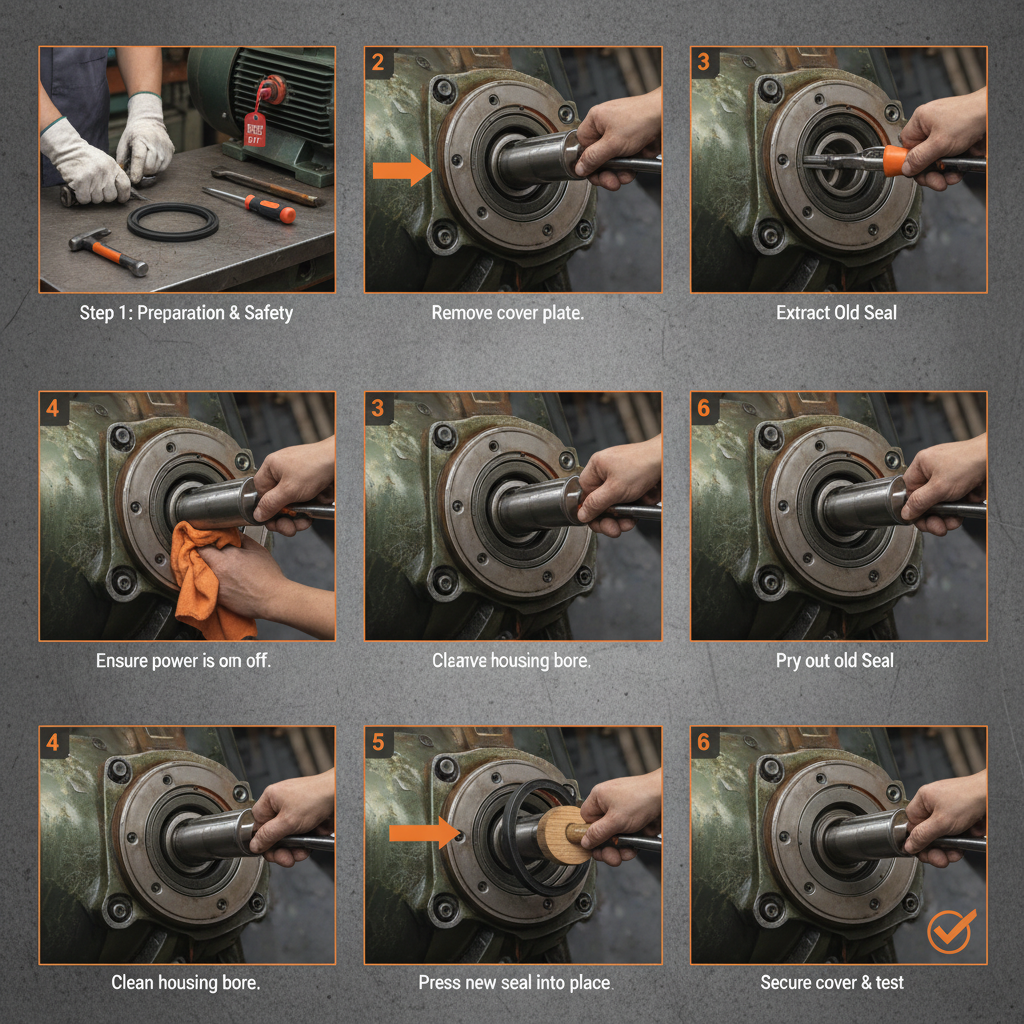
Proper installation is non-negotiable. A nicked or stretched seal is a compromised seal. It needs to be seated correctly and lubricated appropriately. I’ve lost count of the times I've seen a perfectly good seal ruined by careless installation. Training is key.
Real-World Applications of oil seal gasket
Every piece of heavy machinery uses them – excavators, bulldozers, loaders, cranes. Hydraulic systems, engines, transmissions… you name it. They're absolutely critical for maintaining hydraulic pressure and preventing leaks.
Beyond construction, you’ll find them in agriculture, mining, and manufacturing. Any application involving rotating shafts, reciprocating pistons, or fluid containment relies heavily on effective sealing. Consider the pumps that drive irrigation systems, or the gearboxes in industrial mixers.
oil seal gasket Application Breakdown by Industry
The Advantages and Long-Term Value Proposition
Investing in quality oil seal gasket is a long-term cost saver. Sure, they might cost a bit more upfront, but they’ll last significantly longer, reducing downtime and repair expenses. I've seen it time and again.
Reliability is huge. You don’t want a seal failing in the middle of a critical operation. Properly selected and installed seals contribute to safer, more efficient operation, reducing the risk of accidents and project delays.
Global Industry Trends and oil seal gasket Innovation
We’re seeing a move towards more advanced materials – fluoropolymers, for example – that can handle higher temperatures and more aggressive fluids. There's also a growing focus on custom-designed seals tailored to specific applications. One-size-fits-all doesn’t cut it anymore.
The demand for longer-lasting, more reliable seals is increasing, driven by the need to minimize downtime and reduce maintenance costs. Manufacturers are responding with innovative designs and materials.
And, of course, there's the push for sustainability. Manufacturers are exploring eco-friendly materials and manufacturing processes.
Common Challenges & Practical Solutions
Finding the right seal for the job can be tricky. There’s a huge variety out there, and it’s easy to get overwhelmed. That's where experience and knowing your suppliers matters.
Improper installation remains a major problem. We need better training programs for on-site mechanics. It's not just about slapping a seal in place, it’s about understanding the proper techniques and using the right tools.
Contamination is another constant battle. Keeping the work environment clean and using proper filtration systems can significantly extend seal life.
Summary of Common oil seal gasket Challenges and Solutions
| Challenge |
Impact on Performance |
Potential Solution |
Implementation Cost (1-10) |
| Incorrect Material Selection |
Swelling, Cracking, Degradation |
Fluid Compatibility Analysis |
3 |
| Improper Installation |
Nicks, Stretches, Leaks |
Technician Training & Certification |
6 |
| Environmental Contamination |
Abrasive Wear, Seal Damage |
Improved Filtration Systems |
5 |
| High Operating Temperatures |
Material Breakdown, Loss of Elasticity |
Heat-Resistant Seal Materials |
7 |
| Lack of Preventative Maintenance |
Undetected Wear, Sudden Failure |
Regular Seal Inspections |
2 |
| Using Substandard Seals |
Short Lifespan, Frequent Replacements |
Sourcing Seals from Reputable Suppliers |
4 |
FAQS
Honestly? Going for the cheapest option. They don’t consider the operating environment – the temperature, the fluids involved, the pressure. A cheap seal will fail quickly, costing you more in the long run through downtime and repairs. Investing in a quality seal designed for the specific application is always the smartest move.
Critical. Absolutely critical. A perfectly good seal can be ruined by improper installation. It needs to be clean, lubricated correctly, and seated properly. Nicks, scratches, or stretching the seal during installation will lead to leaks. Proper training for the technicians is essential.
Nitrile is a good all-around material for general oil applications. It’s cost-effective. Viton, on the other hand, is a fluorocarbon rubber that offers superior resistance to high temperatures, chemicals, and aggressive fluids. It's more expensive, but lasts much longer in harsh environments.
Obvious signs include visible leaks, reduced performance, and increased downtime. However, even without visible leaks, if you're experiencing performance issues, it's worth inspecting the seals. Regular preventative maintenance checks can catch problems before they become catastrophic.
Generally, no. Once a seal has been compressed and subjected to operating conditions, it loses its elasticity. Reusing it is risky and can lead to leaks. It’s always best to replace the seal when servicing the equipment.
Proper lubrication is vital. It reduces friction, dissipates heat, and helps to create a better seal. Using the correct lubricant for the material and application is crucial. Under-lubrication or using the wrong lubricant can significantly shorten seal life.
Conclusion
Ultimately, the oil seal gasket is a small component with a massive impact on the reliability and longevity of heavy equipment. Don’t underestimate its importance. Choosing the right material, ensuring proper installation, and implementing a preventative maintenance program are all critical for maximizing performance and minimizing downtime.
Investing in quality seals and proper training for your technicians is a smart business decision that will pay dividends in the long run. Don’t wait for a catastrophic failure to learn this lesson. Visit our website at www.huimaooilseal.com to learn more about our range of high-quality seals and expert advice.