0%

Table of Contents

To be honest, these days everyone’s talking about miniaturization. Everything’s gotta be smaller, lighter… it’s exhausting. I spent half of last year crawling around inside a jet engine assembly plant – you wouldn’t believe how crammed everything is in there. Makes you appreciate a good, solid, dependable oil seal, you know? Not all this fancy micro-stuff. It's like they forgot the guys actually installing this gear!

Have you noticed? Designers love to overcomplicate things. They’ll specify some exotic material with a tolerance so tight it’s practically impossible to manufacture consistently. Then I’m stuck explaining to the production manager why we’re three weeks behind. And they always look at me like I’m the one causing the delay. It’s infuriating.

Anyway, I think we’re doing alright with the nitrile butadiene rubber (NBR) seals right now. Smells a bit like… burnt tires, but it's robust. Feels grippy, not slimy like some of the silicone stuff. We use a lot of Viton too, for high-temperature applications – that stuff is expensive, though, smells kinda sweet actually. You can tell the quality just by how easily it stretches without tearing. I remember one time at the XX factory, they tried to pass off some low-grade NBR as Viton… the smell gave it away instantly. I nearly walked out.
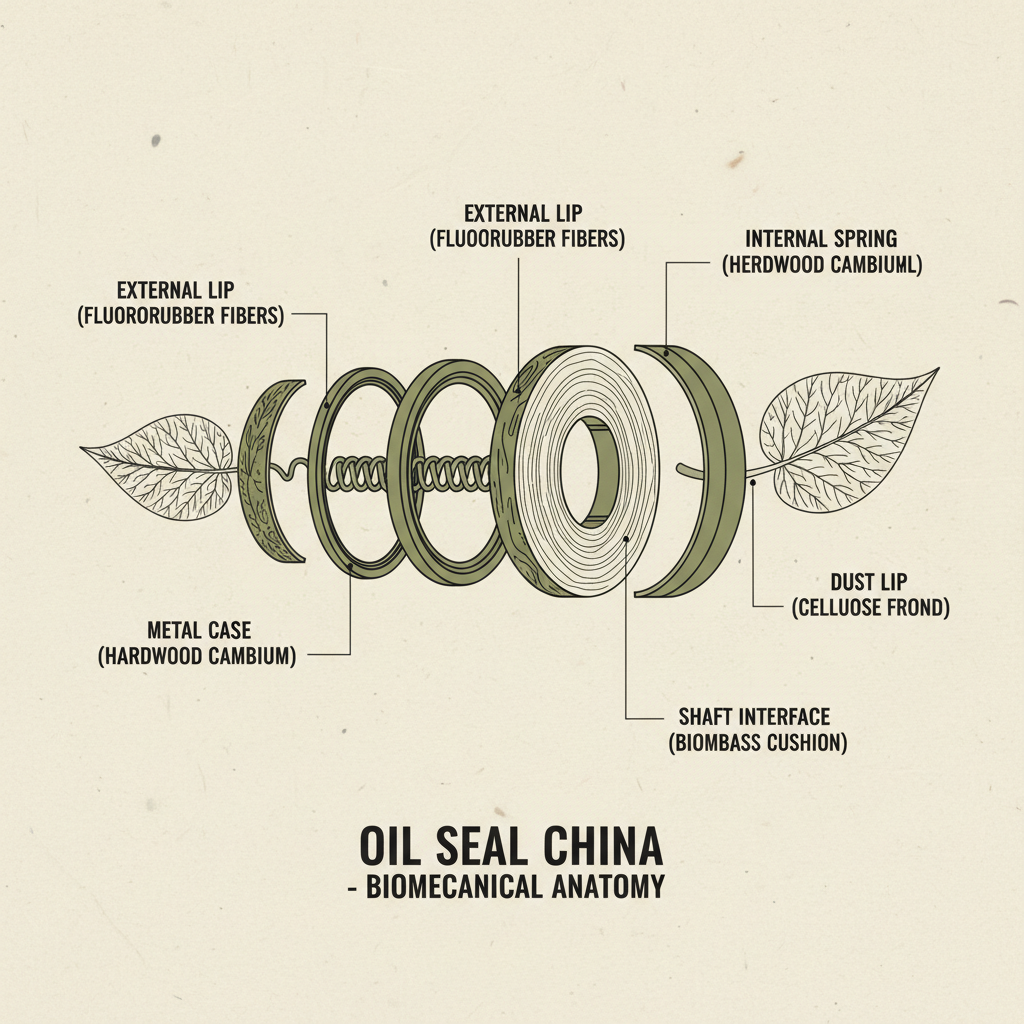
oil seal china

The Current Landscape of oil seal china
oil seal china

Strangely, a lot of the demand right now is coming from the electric vehicle sector. They need super-reliable seals for the gearboxes and battery cooling systems. And the tolerances… don't even get me started. It’s a whole different ballgame than what we’re used to with internal combustion engines.

The Chinese market is, well, huge. And getting more competitive by the day. Everyone’s trying to undercut everyone else on price, which inevitably leads to quality issues. That’s where a good, established oil seal china manufacturer, like us, comes in. We focus on getting it right, even if it costs a little more upfront.

Design Pitfalls in oil seal china

One thing I've seen time and time again is designers specifying a seal without considering the installation process. They’ll design a housing with a ridiculously tight fit, making it nearly impossible to get the seal in without damaging it. Then they wonder why we’re getting complaints about leaks. It's basic stuff!

Another common mistake is not accounting for thermal expansion. Materials expand and contract with temperature changes, and if the seal isn't designed to accommodate that, it’ll eventually fail. I encountered this at a pump factory last time – the whole production line was shut down because the seals were cracking.

And don’t even get me started on shaft surface finish. If the shaft is too rough, it’ll tear up the seal in no time. It needs to be polished to a specific Ra value, and most engineers just gloss over that detail.

Materials and Handling of oil seal china

Like I said, we use a lot of NBR and Viton, but there’s also silicone, polyurethane, PTFE… each with its own pros and cons. Silicone is great for high temperatures, but it’s not very abrasion-resistant. Polyurethane is tough, but it can swell in certain fluids. PTFE is practically inert, but it’s expensive and difficult to mold.

Handling these materials is important too. NBR gets sticky in hot weather. Viton needs to be stored away from sunlight. And PTFE… well, PTFE is just slippery. You gotta wear gloves when handling it, otherwise you’ll drop everything. It's also important to keep everything clean - even a tiny speck of dust can cause a leak.

We have strict quality control procedures for material sourcing. We only work with reputable suppliers who can provide certificates of analysis. We also do our own in-house testing to verify the material properties.

Real-World Testing of oil seal china

Lab tests are fine, but they don’t always reflect real-world conditions. We do a lot of field testing, putting our seals in actual applications and monitoring their performance. That’s where you really find out what works and what doesn’t.

We’ve tested our seals in everything from hydraulic presses to wastewater treatment plants. We’ve subjected them to extreme temperatures, pressures, and chemical exposure. We’ve even dunked them in saltwater to simulate marine environments.

Oil Seal china Performance Across Applications


Practical Applications of oil seal china

You see these things everywhere. In your car, in your washing machine, in your plumbing… even in your coffee maker. They’re essential for preventing leaks and keeping things running smoothly. They're so common, people don't even think about them.

We supply seals to a wide range of industries, including automotive, aerospace, industrial equipment, and medical devices. Each industry has its own unique requirements, so we have to tailor our designs and materials accordingly.

Advantages and Limitations of oil seal china

The biggest advantage of a good oil seal china is reliability. A properly designed and manufactured seal will last for years, even in harsh environments. It prevents leaks, reduces downtime, and saves money in the long run.

But they’re not perfect. They can be susceptible to wear and tear, especially in abrasive applications. They can also be damaged by improper installation or exposure to incompatible fluids. And let’s face it, they’re not exactly glamorous.

Customization Options for oil seal china

We can customize our seals to meet specific customer requirements. We can modify the dimensions, materials, and surface treatments to optimize performance for a particular application. Last month, that small boss in Shenzhen who makes smart home devices insisted on changing the interface to , and the result was a whole batch of seals didn’t fit! He swore it was our fault, but it was clearly his design change. Anyway, we had to quickly retool and produce a new batch with the interface, it cost him a fortune in delays.

We also offer custom labeling and packaging options. We can print your logo and part number on the seals, and we can package them in a variety of ways to meet your specific needs.

Summary of Customization Parameters

Material Selection Dimension Adjustment Surface Treatment Labeling & Packaging
NBR, Viton, Silicone, PTFE, Polyurethane Diameter, Width, Lip Profile Coating, Plating, Surface Roughness Logo Printing, Part Number, Custom Packaging
Specific Fluid Compatibility Tolerance Adjustments Hardness Modification Barcoding, RFID Tagging
Temperature Range Optimization Spring Energy Variation Wear Resistance Enhancement Quantity Per Package
Abrasion Resistance Lip Angle Customization Corrosion Protection Individual Wrapping
Chemical Compatibility Housing Interface Design Friction Reduction Color Coding
UV Resistance Seal Profile Optimization Anti-Static Properties Custom Inserts

FAQS

What is the typical lifespan of an oil seal china in a standard automotive engine?

In a standard automotive engine, the lifespan of an oil seal china can vary widely, generally ranging from 50,000 to 100,000 miles, or 5 to 10 years. This depends heavily on factors like driving conditions, oil quality, and the quality of the seal itself. Extreme temperatures and abrasive contaminants significantly reduce lifespan. Regular oil changes and avoiding harsh driving habits can extend its service life. We've seen some last over 150,000 miles under ideal conditions.

How do I properly install an oil seal china to prevent leaks?

Proper installation is crucial. First, ensure the sealing surfaces are clean and free from any debris or burrs. Lightly lubricate the seal’s inner lip with the oil it will be sealing. Use a specialized seal installation tool to avoid damaging the seal – hammering it in is a big no-no! Install the seal squarely and to the correct depth, as specified by the manufacturer. A properly installed seal should seat firmly against the shaft and housing without any visible gaps.

What materials are best suited for high-temperature applications?

For high-temperature applications, Viton (FKM) and silicone rubber are excellent choices. Viton offers superior resistance to heat, oil, and chemicals, making it ideal for demanding environments like turbocharger seals. Silicone can withstand even higher temperatures but isn’t as resistant to abrasion. PTFE is also an option, but it’s more expensive and challenging to work with. The best material depends on the specific temperature range and the fluid being sealed.

Can oil seals china be used with different types of fluids, or are they fluid-specific?

Oil seals are generally fluid-specific, meaning the material needs to be compatible with the fluid being sealed. NBR is great for petroleum-based oils, while Viton is better for synthetic oils, fuels, and aggressive chemicals. Silicone is compatible with a wide range of fluids, but it may not be suitable for certain hydrocarbons. Using the wrong material can lead to swelling, cracking, or premature failure. Always check the material compatibility chart before selecting a seal.

What are the common causes of oil seal china failure?

Common causes include improper installation, abrasive contamination, excessive heat, chemical incompatibility, and shaft wear. A damaged shaft surface, even microscopic scratches, will quickly destroy a seal. Over-tightening or misaligning the seal during installation is also a frequent issue. Regular maintenance and proper lubrication can significantly reduce the risk of failure. We often see failures caused by using the wrong type of oil for the application too.

Do you offer custom oil seal china designs for specialized applications?

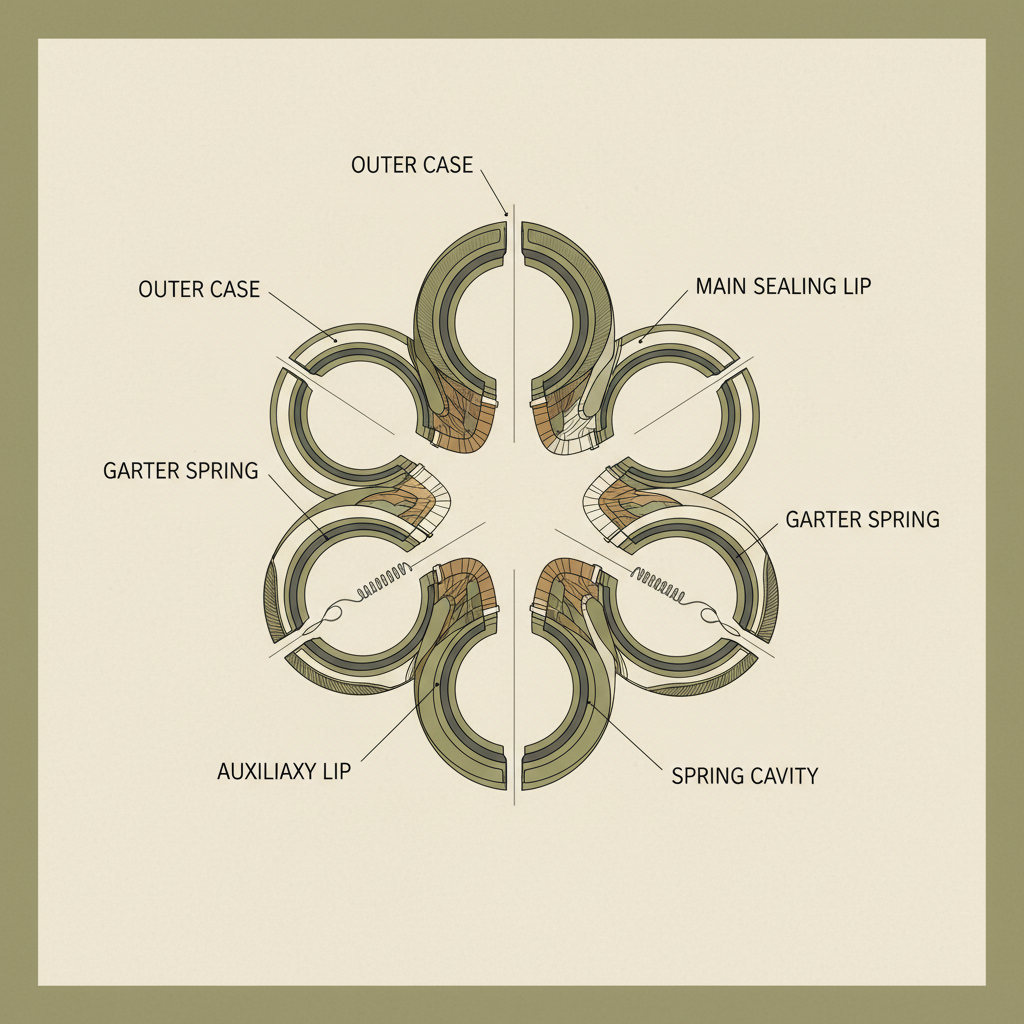
Absolutely. We specialize in custom oil seal china designs. We can modify the dimensions, materials, lip profiles, and spring configurations to meet your specific requirements. We work closely with our customers to understand their applications and develop solutions that deliver optimal performance. We've done everything from seals for aerospace actuators to custom seals for underwater robotics. Just give us your specifications, and we'll take it from there.

Conclusion

Ultimately, a lot goes into these little rubber rings – materials science, precision manufacturing, real-world testing… but it all boils down to one thing: preventing leaks. A properly functioning oil seal china keeps your equipment running smoothly, reduces downtime, and saves you money.

And whether this thing works or not, the worker will know the moment he tightens the screw. That's the long and short of it. You can spend all day designing and testing in a lab, but the real test is always on the job site. If it feels right, sounds right, and doesn’t leak, then it’s a good seal.
Kevin Rodriguez

Kevin Rodriguez

Kevin Rodriguez is a Sales and Marketing Manager at Xingtai Huimao Trading Co., Ltd., focusing on international markets. He has extensive experience in building and maintaining relationships with distributors and clients globally. Kevin drives revenue growth by identifying new markets and developing targeted marketing campaigns. He understands the complexities of
Previous Robust Oil Seal Rubber Products for Demanding Industrial Applications
Next oil seals for sale