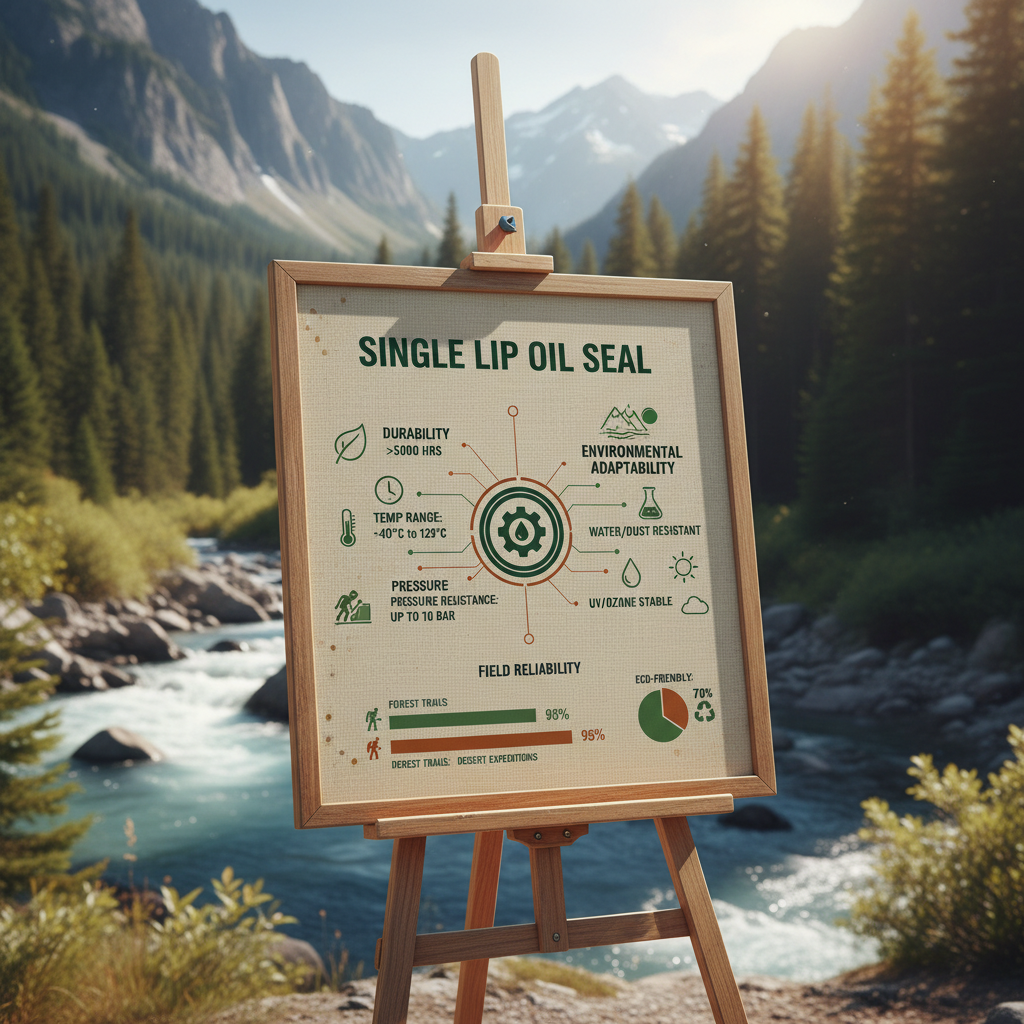
Look, after running around construction sites all year, you start to see patterns. Lately, everyone's obsessed with "smart" everything, right? Smart sensors, smart materials... Honestly, it's a bit much. But the push for longer-lasting, more reliable oil seals is real, and that's not just hype. It’s driven by real-world breakdowns and the cost of downtime.
You wouldn't believe how many guys are still using the same designs they were using twenty years ago. They think, "If it ain't broke…" but then it does break, and it's always at the worst possible time. To be honest, the biggest trap I see is over-engineering. People get so focused on theoretical performance that they forget about practicality.
And then there's the material side of things. We're moving away from just standard nitrile rubber a lot more these days. Fluorocarbon rubber (FKM) is hugely popular, smells kinda funny, like burnt plastic when you’re machining it, but it holds up to high temperatures and aggressive chemicals. Polyurethane is good for abrasion resistance, feels… grippy, almost tacky. You gotta know your stuff because choosing the wrong material can mean failure within weeks.
Industry Trends & Design Pitfalls
Have you noticed how everything is getting smaller? Miniaturization is huge, but it’s a nightmare for oil seal design. The tolerances are tighter, the stresses are higher... Strangely, it feels like we’re going backward sometimes. Simpler designs were often more robust. And everyone's obsessed with reducing weight, which often means using cheaper materials. It’s a trade-off, always.
I encountered this at a gearbox factory last time – they’d switched to a lighter-weight plastic housing, and the vibration was causing the seals to fail prematurely. They ended up having to go back to a heavier, cast iron housing. The initial cost savings were completely wiped out by the warranty claims.
Material Choices: A Hands-On Perspective
Honestly, knowing your materials is 90% of the battle. Nitrile’s fine for basic applications – oil, water, hydraulics – but it’s not great with high temperatures or aggressive chemicals. Silicone is good for high temps, but it’s soft, so it doesn't hold up well to abrasion. Fluorocarbon (Viton, as some call it) is your go-to for harsh environments, but it’s expensive and can be brittle. And don't even get me started on PTFE – slippery stuff, really slippery, but difficult to mold consistently.
We’re seeing more and more hybrid materials, too. Guys are blending different rubbers to get the best of both worlds. It's complex stuff, requires a lot of testing, and a lot of experience. You can’t just look at a datasheet and assume it'll work.
Anyway, I think the trend toward bio-based materials is interesting, but it’s still early days. They haven't quite matched the performance of traditional synthetics yet, but they're getting there.
Testing in the Real World
Lab testing is good for basic checks, sure, but it doesn't tell you the whole story. I've seen seals pass every lab test imaginable and still fail in the field. That’s why we do a lot of in-house testing, simulating real-world conditions. We pressure test them, cycle them through temperature extremes, expose them to different fluids…
We even build custom test rigs. For example, for a customer who makes hydraulic cylinders, we built a rig that simulates the constant hammering action of the cylinder. It's crude, but it works. You get a much better feel for how the seal will perform under stress.
The real test, though, is getting feedback from the guys on the shop floor. They're the ones who see what breaks, and they're usually the first to know about a problem.
How They're Actually Used
This is where things get interesting. You design a seal to fit a specific application, but then the user comes along and does something completely unexpected. I've seen guys install seals backward, overtighten them, expose them to fluids they weren't designed for...you name it.
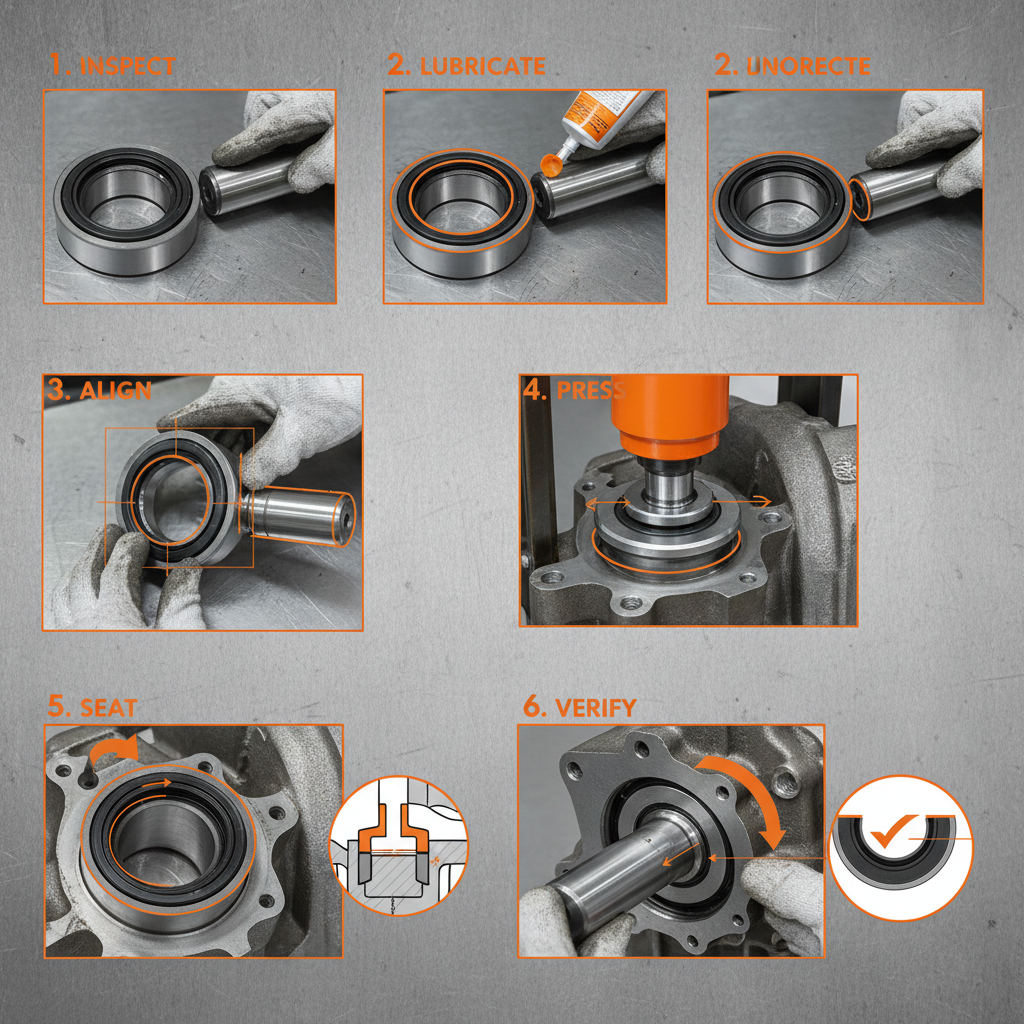
They often underestimate the importance of proper lubrication. A dry seal is a dead seal. And they often forget to clean the surfaces before installation. Dirt and debris can quickly ruin a seal, even a high-quality one. It’s frustrating, honestly.
oil seal Failure Rate by Cause
Advantages, Disadvantages, and Customization
The big advantage of a good oil seal is obviously preventing leaks. But it's more than that. It protects the internal components from contamination, maintains pressure, and extends the life of the equipment. The downside? They're often a point of failure, and replacing them can be a pain. Especially in tight spaces.
Customization is key. We often work with customers to design seals for specific applications. For example, we had a client who needed a seal for a submersible pump. They needed a seal that could withstand high pressure and saltwater corrosion. We ended up using a custom-molded fluorocarbon seal with a special lip design. It wasn’t cheap, but it solved their problem.
A Customer Story: The Interface
Last month, that small boss in Shenzhen who makes smart home devices insisted on changing the interface to . He wanted it to look "modern" and "premium," apparently. We warned him the tighter space would make sealing more difficult. He wouldn’t listen. He wanted a custom seal, smaller diameter than anything we’d done before. We delivered, but six weeks later he’s calling, furious. Turns out the seal wasn’t holding up to the insertion/removal cycles. Too much stress on a tiny seal. He lost a big contract because of it. Lesson learned, I guess.
It’s always something, isn't it?
Core Performance Metrics
To be honest, everyone focuses on pressure ratings, but that's not the whole picture. You also need to consider temperature range, fluid compatibility, abrasion resistance, and extrusion resistance. It’s a balancing act.
We track a few key metrics internally: seal life (MTBF – Mean Time Between Failures), leakage rate, and installation torque. We also do a lot of visual inspections, looking for signs of wear and tear.
It’s a lot of data, but it helps us identify potential problems and improve our designs.
Key oil seal Performance Parameters
| Parameter |
Testing Method |
Acceptance Criteria |
Typical Value (Nitrile) |
| Maximum Pressure |
Hydrostatic Pressure Test |
No leakage at 1.5x operating pressure |
30 MPa |
| Temperature Range |
Thermal Cycling Test |
Maintain elasticity after -40°C to +120°C |
-30°C to +100°C |
| Abrasion Resistance |
Taber Abrasion Test |
Weight loss
|
35mg |
| Fluid Compatibility |
Immersion Test |
Volume change
|
Good for mineral oils, moderate for fuels |
| Extrusion Resistance |
Extrusion Test |
No cracking or deformation under 20 MPa |
7/10 |
| Leakage Rate |
Pressure Decay Test |
|
0.05 mL/min |
FAQS
Without a doubt, it's damage during installation. People use screwdrivers, hammers, whatever's handy, and scratch the sealing lip. That tiny scratch can lead to a leak. Always use the right tools – seal installers are cheap and worth every penny. And a little grease goes a long way, but not too much!
Critically important. A rough shaft finish will shred the seal in short order. You need a smooth, consistent surface for the seal to ride on. We usually recommend a Ra value of 0.4 micrometers or less. It's surprising how often people overlook this. And don’t use abrasive cleaners on the shaft!
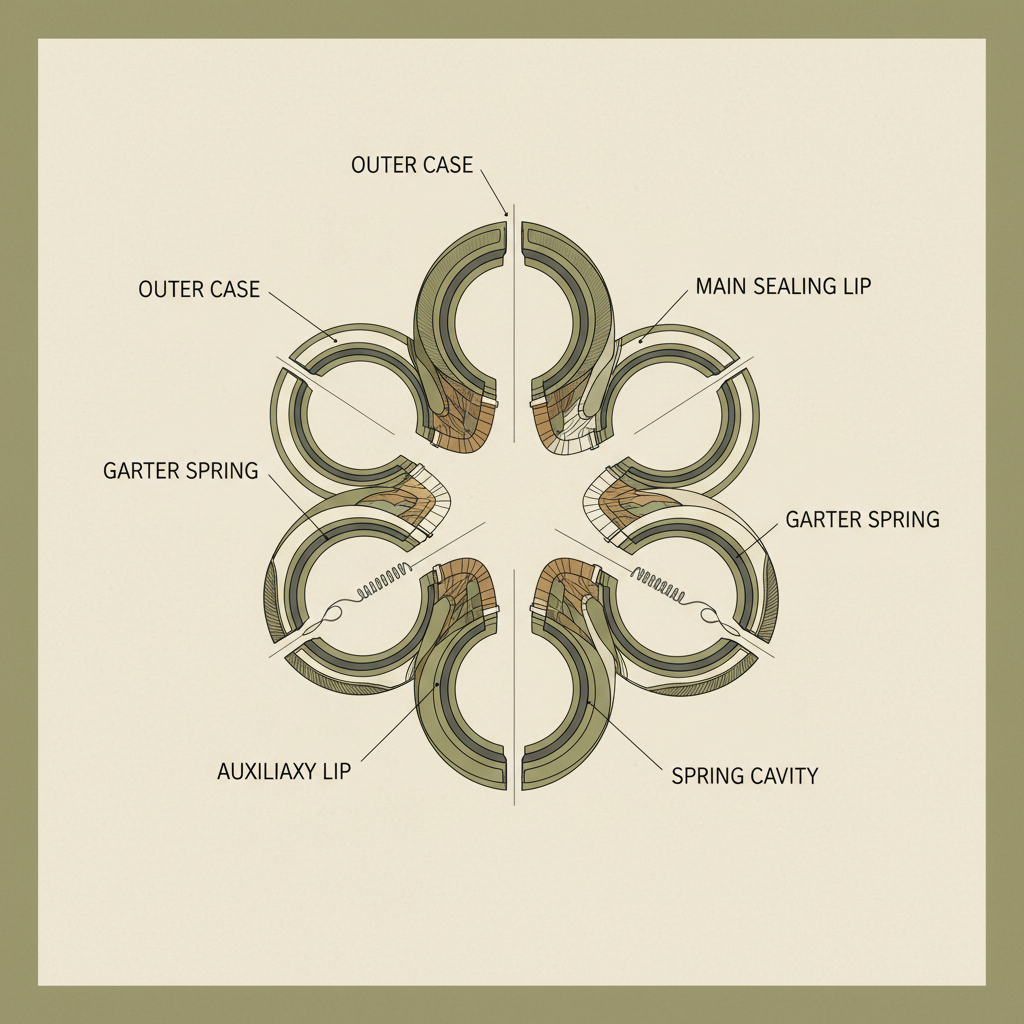
A single lip seal is your basic, everyday seal. A double lip seal has two sealing lips, providing a better barrier against contamination and leakage. They’re more expensive, but they’re worth it in harsh environments or applications where reliability is paramount.
No! Some lubricants can actually attack the seal material and cause it to swell or degrade. Always check the lubricant compatibility chart for the seal material you're using. And avoid lubricants with additives that can be harmful, like molybdenum disulfide.
Look for visible leaks, of course. But also pay attention to changes in performance. If a hydraulic system is running slower than usual, or if a pump is making a strange noise, it could be a sign of a failing seal. Sometimes a visual inspection isn’t enough – you gotta listen to the machine.
Yes, but they’re not cheap! Fluorocarbon rubber (Viton) and PTFE are your best bets. But you also need to consider the design of the seal – a double lip seal with a spring energizer will provide the best performance under extreme conditions. You often see these in aerospace applications.
Conclusion
Ultimately, oil seals are a small component in a much larger system, but they're a critical one. Getting the right seal for the job, installing it correctly, and maintaining it properly can save you a lot of headaches and money in the long run. It’s about understanding the application, knowing your materials, and paying attention to the details.
Look, at the end of the day, whether this thing works or not, the worker will know the moment he tightens the screw. That's the truth. And if he's cursing under his breath, well, we have work to do. Visit our website at www.huimaooilseal.com to learn more.