To be honest, the whole industry’s been buzzing about miniaturization lately. Everyone wants smaller, lighter, more efficient… It's kinda tiring, actually. Been seeing it everywhere, from the actuators in those fancy robotic arms down at the automotive plant to even the seals in, well, everything. It’s a good direction, don’t get me wrong, but it also means more precision needed, which means more headaches for us on the ground. You wouldn’t believe the number of times I’ve had to explain to a foreman why a tiny part, barely visible, is causing a whole production line to halt.
Have you noticed how everyone’s obsessed with “optimized” designs these days? It always sounds good on paper – “reduce material costs by 15%!” – but nine times out of ten, it just means someone’s skimped on a crucial detail. I encountered this at the Xinguang factory last time, they’d redesigned the housing for a set of hydraulic seals, claiming it was more aerodynamic (seriously!). But the new shape made it nearly impossible to get a proper grip for installation. A simple redesign that took the usability into account would have prevented delays.
And speaking of materials...we’re using a lot more fluoroelastomers now, specifically Viton. It's got excellent chemical resistance, which is crucial for anything exposed to harsh fluids. It smells a bit…chemical-y, obviously, but it's resilient. Feels different than nitrile, tougher, more rubbery. You can tell the quality just by how it flexes. Then there’s PTFE - Teflon. Slippery as all get-out, always getting fingerprints on it. Requires gloves, always. Don’t even get me started on the smell when you machine it.
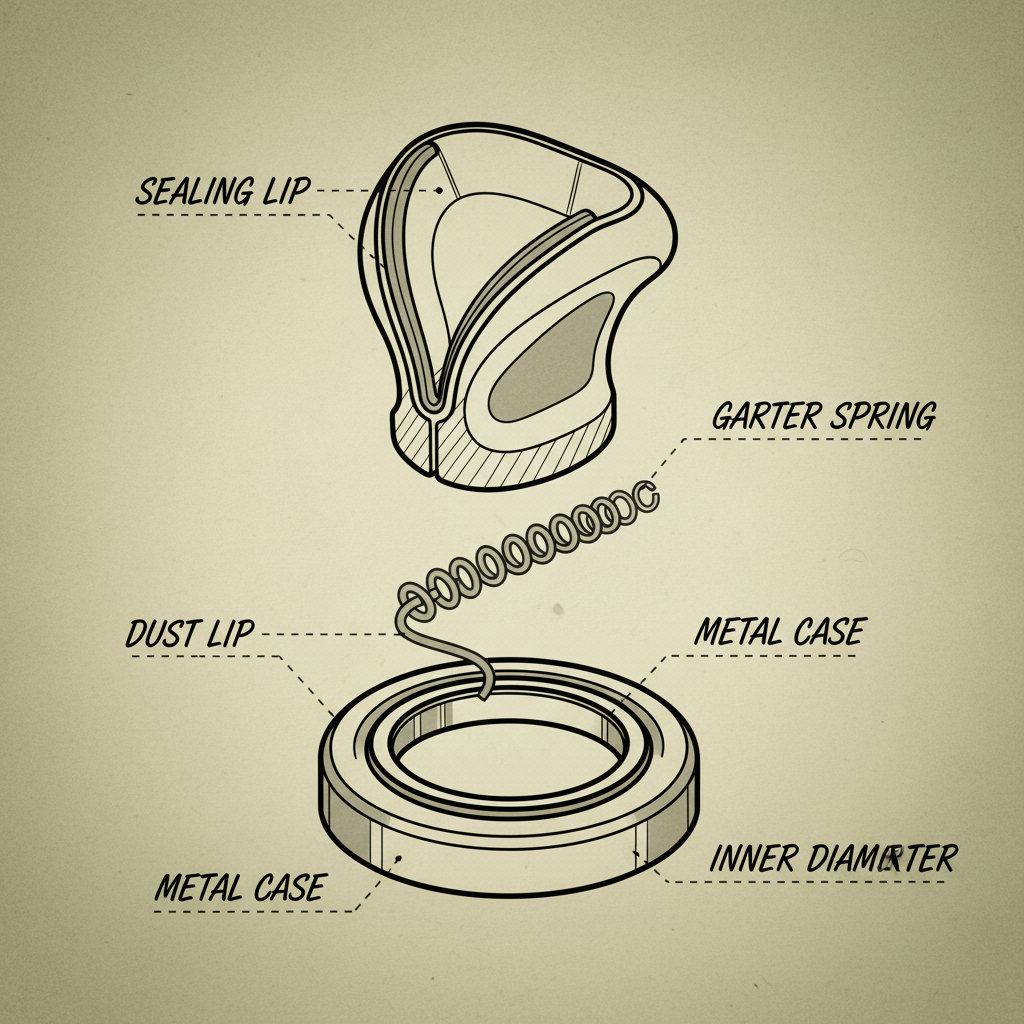
Industry Trends & Design Pitfalls
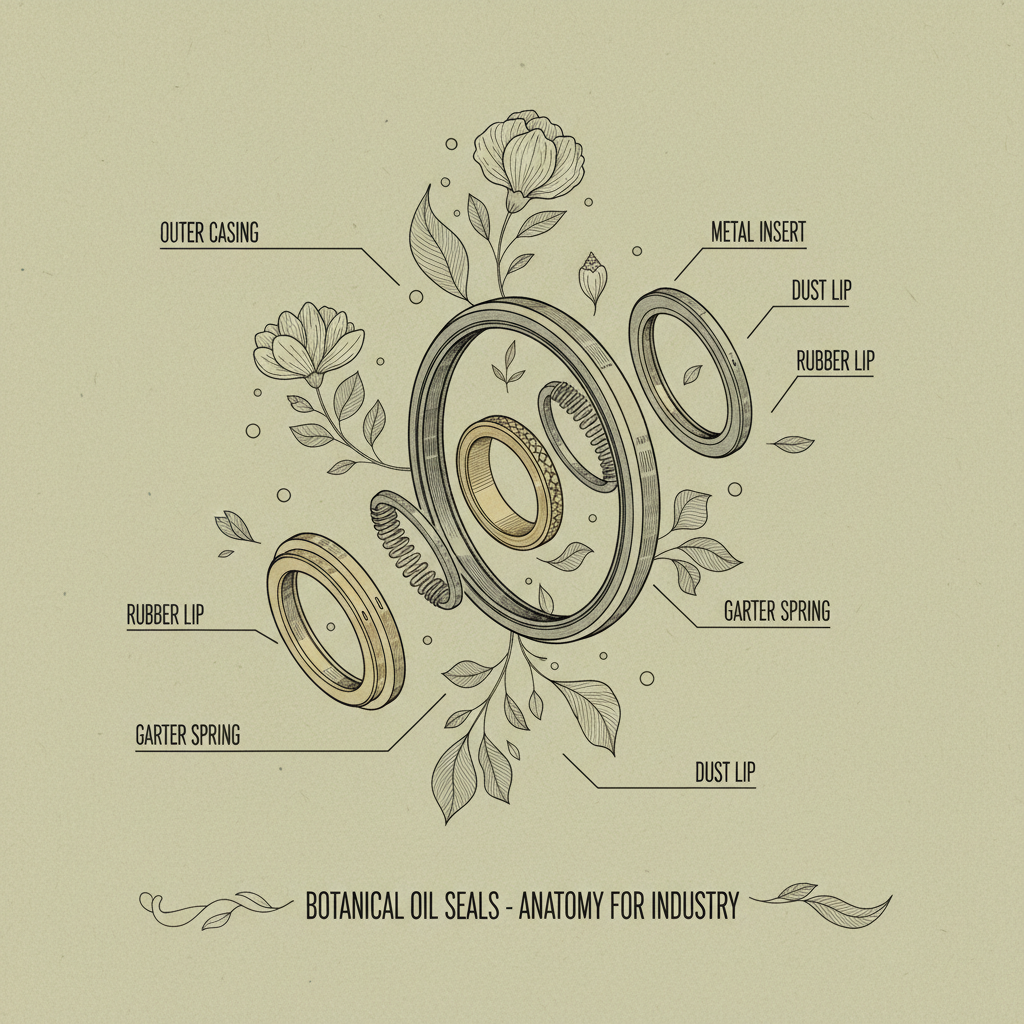
Strangely enough, everyone’s chasing after ‘smart’ seals now. Seals with sensors built-in. I mean, yeah, theoretically it's great – predictive maintenance, real-time performance monitoring… but in the real world? It's just another point of failure. I've seen too many fancy systems go down because a cheap sensor went bust. The simpler, the better, usually. And don't even get me started on those seals with the integrated RFID tags. Lost track of how many times those things get damaged during installation.
One thing that consistently trips people up is neglecting the installation environment. Designing a seal for a pristine lab setting is completely different than designing one for a dusty, greasy construction site. You need to account for grit, temperature fluctuations, and, let’s be real, the occasional clumsy worker.
FAQS
Honestly? Not considering the application environment. People get caught up in the specs – temperature ratings, chemical resistance – and forget about the dirt, grime, and general abuse a seal is going to take. You need a seal that can handle the real world, not just a lab test.
Not necessarily. Sometimes you're just paying for a fancy name and unnecessary features. It depends on the application. For basic, low-pressure systems, a simple nitrile seal will often do the job just fine. You don't need a Viton seal for everything.
That's a loaded question. It depends on so many factors – operating conditions, fluid type, installation quality. But as a rough estimate, a good quality seal should last at least a year, maybe two, in most applications. If it fails sooner than that, something's wrong.
Generally, no. Once a seal has been compressed and deformed, it's best to replace it. Trying to reuse a seal is just asking for trouble. You might get away with it in a pinch, but don’t rely on it. A new seal is cheap insurance.
More integrated sensing. I'm still skeptical, to be honest. But the idea of seals that can monitor their own condition and predict failure is appealing. If they can actually make it reliable and affordable, it could be a game-changer.
It's not as complicated as you think. You'll need to provide precise dimensions and specifications. I've had clients request seals for ancient machinery, and we’ve been able to replicate them using 3D scanning and custom molds. It’s a bit more expensive, obviously, but it can save you from having to replace an entire system.
Conclusion
Ultimately, oil seals are a deceptively simple component, but they’re absolutely critical for keeping things running smoothly. From hydraulic systems to engines to pumps, they’re everywhere. Choosing the right seal, installing it correctly, and maintaining it properly can save you a lot of headaches – and a lot of money.
But here’s the thing: all the fancy materials and designs in the world don't matter if the seal isn't properly installed. Ultimately, whether this thing works or not, the worker will know the moment he tightens the screw. And trust me, a frustrated worker is a dangerous worker. So, take the time to do it right. Visit our website: oil seals for sale
Related Posts