Valve stem oil seals are critical components in modern engines, playing a vital role in preventing oil leaks and maintaining optimal engine performance. These seals, often overlooked, are essential for ensuring the longevity and efficiency of internal combustion engines across a vast spectrum of applications. Understanding their function, construction, and proper maintenance is paramount for mechanics, automotive engineers, and anyone involved in engine operation.
Globally, the demand for high-quality valve stem oil seals is driven by the ever-increasing number of vehicles on the road, coupled with growing demands for fuel efficiency and reduced emissions. The automotive industry, a major consumer of these seals, is undergoing rapid transformation with the rise of electric vehicles (EVs), however, internal combustion engines will remain prevalent for decades. This necessitates continuous innovation in sealing technologies, and valve stem oil seals are a key area of focus.
Furthermore, industries beyond automotive—such as motorcycles, heavy machinery, and even some specialized industrial equipment—rely heavily on the functionality of valve stem oil seals. Their seemingly simple function safeguards against costly repairs, minimizes environmental impact from oil leaks, and contributes to the overall reliability of complex machinery.
The Importance of Valve Stem Oil Seals
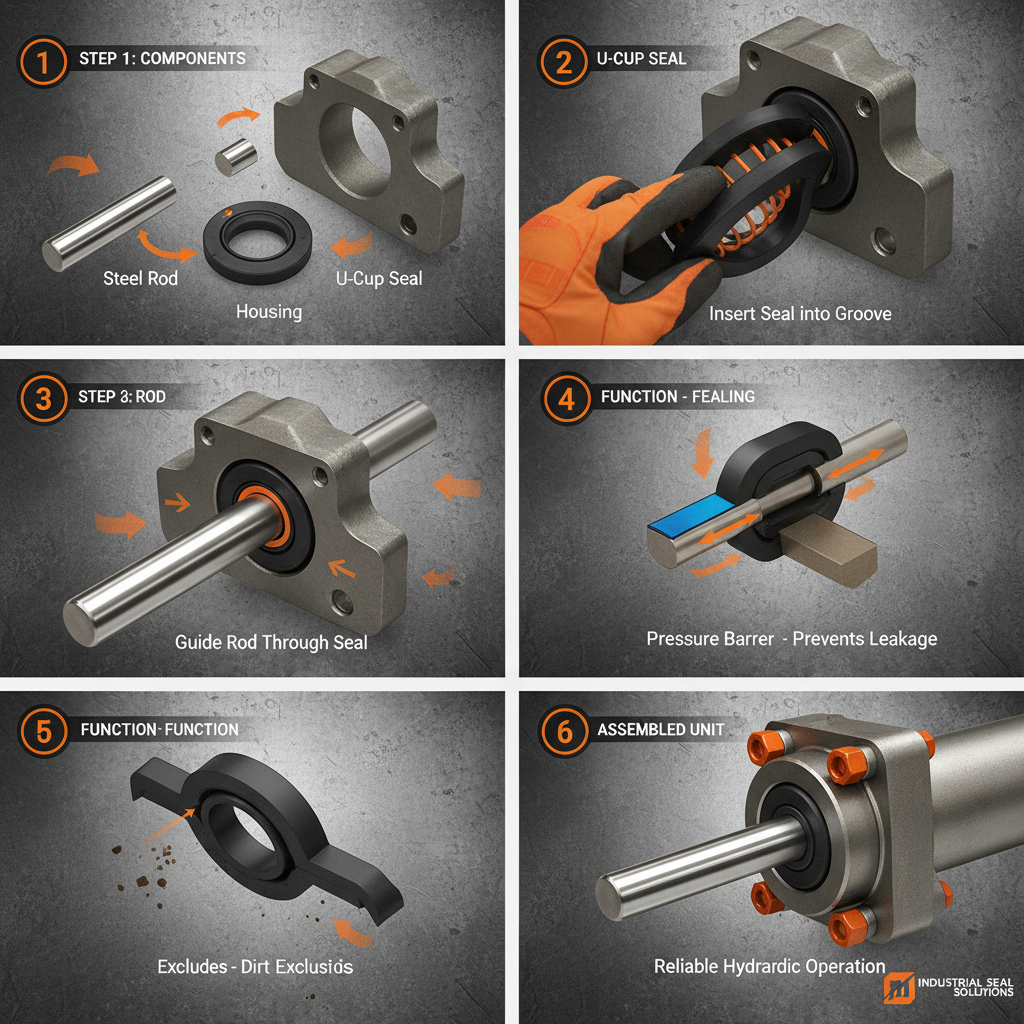
The primary function of valve stem oil seals is to create a dynamic barrier that prevents oil from leaking into the combustion chamber via the valve stem guides. This is crucial because oil entering the combustion chamber leads to incomplete combustion, increased emissions, and potential engine damage. Proper sealing maintains oil levels, ensuring consistent lubrication of engine components.
Beyond preventing oil leaks, these seals contribute significantly to overall engine health. By controlling oil consumption, they reduce the strain on the engine’s oil pump and prolong the life of catalytic converters, which are sensitive to oil contamination. A well-functioning valve stem oil seal is a preventative measure, averting more significant and expensive repairs down the line.
Defining Valve Stem Oil Seals
Valve stem oil seals are precisely engineered components, typically constructed from materials like nitrile rubber, Viton, or silicone, designed to fit snugly around the valve stem and prevent oil from following the stem into the cylinder. They are positioned within the valve stem guide, creating a tight, yet dynamic, seal as the valve moves up and down during engine operation.
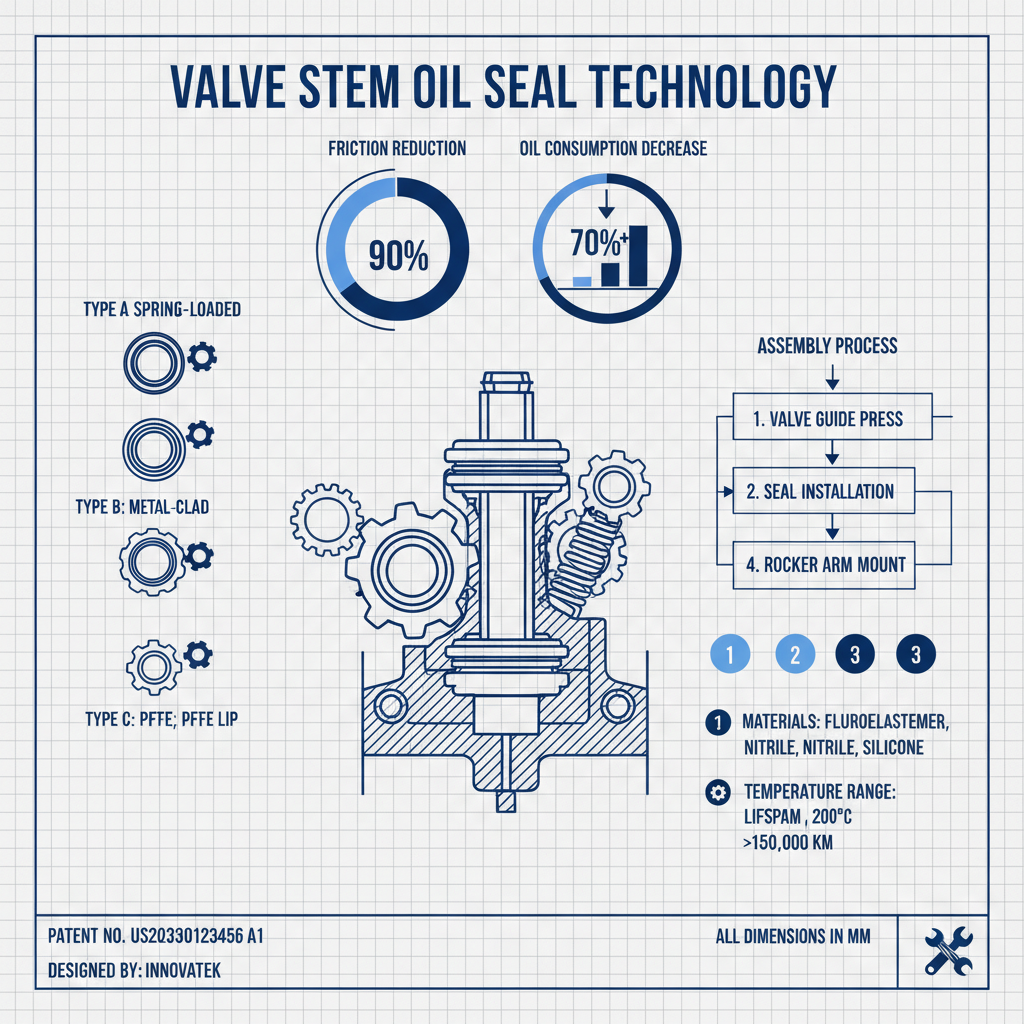
These seals aren't merely static barriers; they must withstand high temperatures, constant friction, and exposure to various engine fluids. Their design often incorporates a spring-loaded lip that maintains contact with the valve stem, ensuring a consistent seal even with minor wear and tear. This dynamic sealing capability is vital for reliable engine operation.
In a world increasingly focused on sustainability, the efficiency provided by effective valve stem oil seals contributes directly to reduced emissions and improved fuel economy, making them a small but vital component in environmentally conscious engine design.
Core Components & Material Science
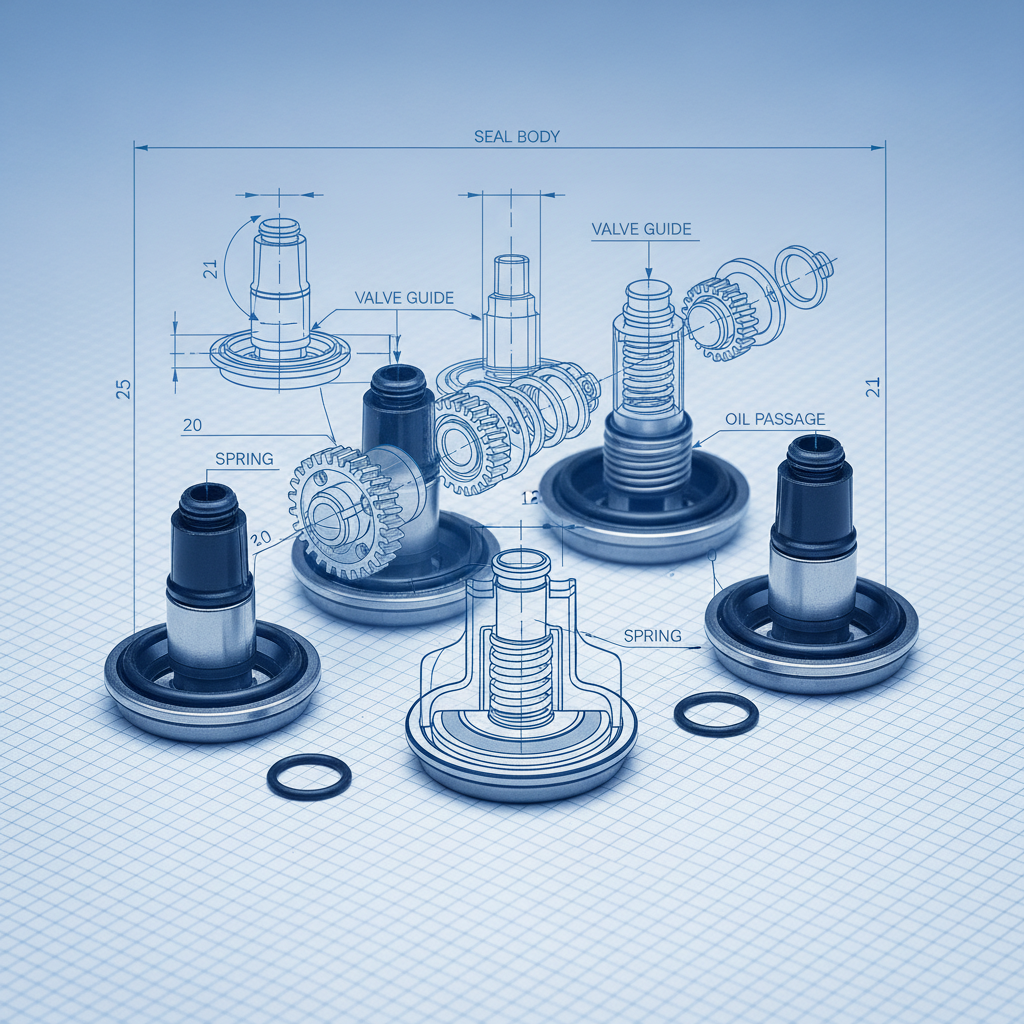
The core components of a valve stem oil seal include the seal body (typically made of rubber or elastomer), the reinforcing case (often metal or a rigid polymer), and the lip or sealing element. The material selection for each component is critical and depends on the engine's operating conditions, oil type, and temperature range.
Modern material science plays a significant role in enhancing the performance and lifespan of valve stem oil seals. Materials like Viton (fluoroelastomer) are chosen for their exceptional resistance to high temperatures, aggressive chemicals, and oil degradation. Silicone rubber is favored for its flexibility and ability to maintain sealing properties over a wide temperature range, while nitrile rubber remains a cost-effective option for less demanding applications.
The reinforcing case provides structural support and prevents the seal from collapsing under pressure. Advanced polymers are also being developed to reduce weight and improve the seals' resistance to wear and deformation, contributing to extended service intervals and reduced maintenance requirements.
Key Performance Indicators of Valve Stem Oil Seals
Evaluating the performance of valve stem oil seals requires considering several key indicators. One crucial factor is leak rate – the amount of oil that escapes past the seal over a given period. Lower leak rates indicate better sealing efficiency and reduced oil consumption.
Another important metric is durability, measured by the seal's resistance to wear, cracking, and deformation under prolonged use. This is often assessed through accelerated aging tests and simulations of real-world operating conditions. The ability to withstand temperature fluctuations and chemical exposure also dictates overall performance.
Valve Stem Oil Seal Performance Metrics
Global Applications and Industries Served
The automotive industry remains the largest consumer of valve stem oil seals, with applications spanning passenger vehicles, trucks, buses, and motorcycles. Demand is particularly high in regions with large automotive manufacturing bases, such as China, Germany, and the United States.
Beyond automotive, these seals are critical in various other sectors. The marine industry utilizes them in engine applications for boats and ships. The power generation sector relies on them in reciprocating engines used for backup power or in combined heat and power systems. Even specialized industrial machinery, like compressors and pneumatic tools, incorporate valve stem oil seals for optimal performance.
Advantages and Long-Term Value Proposition
The advantages of utilizing high-quality valve stem oil seals extend far beyond simply preventing oil leaks. Reduced oil consumption translates directly into lower operating costs for vehicle owners and businesses. Improved engine efficiency leads to lower fuel consumption and reduced emissions, contributing to environmental sustainability.
Moreover, preventing oil leaks safeguards against potential engine damage and costly repairs. A proactive approach to seal maintenance minimizes downtime, increases equipment lifespan, and enhances overall reliability. This reliability fosters trust and confidence in both the machinery and the manufacturer, creating a positive long-term value proposition.
The emotional benefit of reliable machinery – peace of mind knowing equipment won’t fail unexpectedly – should not be underestimated, particularly in critical applications.
Future Trends and Innovation in Sealing Technology
The future of valve stem oil seal technology is focused on enhanced materials, improved designs, and integration with emerging engine technologies. Research is underway to develop seals that can withstand even higher temperatures and pressures encountered in next-generation engines.
The development of self-lubricating seals, utilizing advanced coatings or embedded lubricants, aims to reduce friction and wear, extending seal life and minimizing maintenance requirements. Furthermore, the incorporation of smart sensors within seals could enable real-time monitoring of seal performance, providing early warning of potential failures.
Sustainability is also driving innovation. The use of bio-based and recycled materials in seal construction is gaining traction, aligning with the growing demand for environmentally friendly products. Digital twins and predictive maintenance algorithms are also poised to revolutionize sealing strategies.
Summary of Future Trends in Valve Stem Oil Seal Technology
| Trend Category |
Description |
Impact on Performance |
Implementation Timeline |
| Advanced Materials |
Development of new elastomers and polymers with improved temperature and chemical resistance. |
Increased seal life, reduced leak rate, improved reliability. |
Short-term (1-3 years) |
| Self-Lubricating Seals |
Incorporation of coatings or embedded lubricants to reduce friction. |
Reduced wear, extended lifespan, lower maintenance. |
Mid-term (3-5 years) |
| Smart Sensors |
Integration of sensors to monitor seal performance in real-time. |
Predictive maintenance, early failure detection, optimized maintenance schedules. |
Mid-term (3-5 years) |
| Sustainable Materials |
Utilizing bio-based or recycled materials in seal construction. |
Reduced environmental impact, improved sustainability. |
Long-term (5+ years) |
| Digital Twin Integration |
Creating virtual models of seals to simulate performance and optimize design. |
Faster development cycles, improved seal performance, reduced prototyping costs. |
Long-term (5+ years) |
| Predictive Maintenance |
Using data analytics and machine learning to predict seal failure and schedule maintenance proactively. |
Reduced downtime, optimized maintenance costs, improved equipment reliability. |
Mid-term (3-5 years) |
FAQS
The lifespan of a valve stem oil seal varies significantly based on factors like engine operating conditions, oil quality, and seal material. Generally, they last between 50,000 and 100,000 miles. However, harsh conditions – such as prolonged idling, high temperatures, or abrasive contaminants in the oil – can reduce this lifespan. Regular oil changes and proper engine maintenance can significantly extend seal longevity. Inspecting for oil leaks around the valve stem area is a crucial preventative measure.
Common signs of failing valve stem oil seals include blue smoke emanating from the exhaust pipe, especially during acceleration or deceleration. You might also notice increased oil consumption without any visible external leaks. A rough idling engine or misfires can also indicate that oil is entering the combustion chamber due to a compromised seal. These symptoms warrant immediate attention from a qualified mechanic.
Valve stem oil seals are commonly made from nitrile rubber (NBR) for general-purpose applications, Viton (fluoroelastomer) for high-temperature and chemical resistance, and silicone rubber for excellent flexibility and temperature stability. Some seals also incorporate metal reinforcements for added structural support. The choice of material depends on the specific engine requirements and operating conditions.
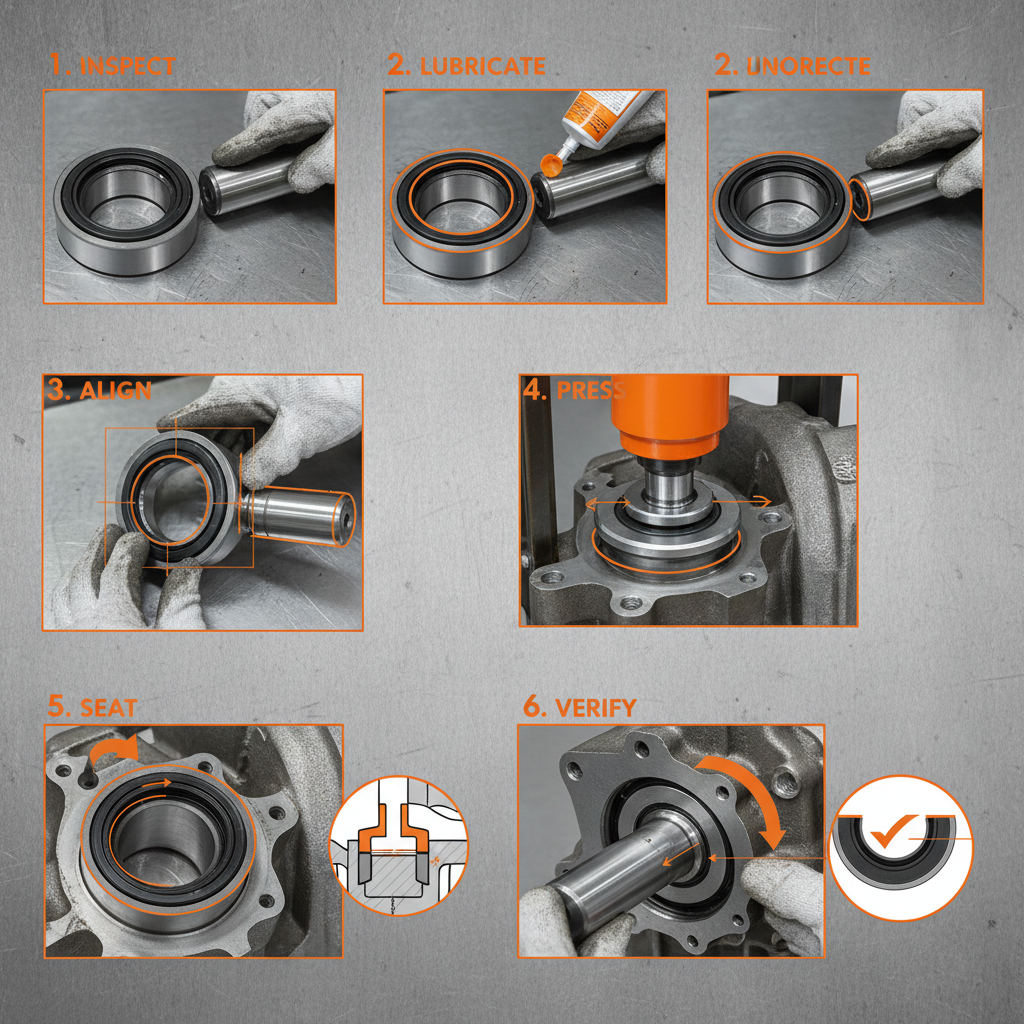
Replacing valve stem oil seals can be a moderately complex repair, requiring specialized tools and mechanical knowledge. It often involves removing valve springs, retainers, and possibly the camshaft. Incorrect installation can lead to valve damage or continued oil leaks. It’s generally recommended for experienced mechanics or those with a strong automotive repair background.
Absolutely! Regular oil changes with high-quality oil, using the correct oil filter, and avoiding prolonged idling can significantly extend the life of your valve stem oil seals. Addressing any engine issues promptly, such as excessive oil pressure or overheating, can also prevent premature seal failure. Keeping the engine clean and free of contaminants contributes to overall seal health.
A static seal provides a seal between two stationary surfaces, whereas a dynamic seal seals moving parts. Valve stem oil seals are dynamic seals because they must maintain a seal around the valve stem as it moves up and down during engine operation. This requires a flexible, resilient material and a design that accommodates the constant motion, unlike static seals which are simply compressed between two fixed surfaces.
Conclusion
In conclusion, valve stem oil seals are indispensable components for maintaining engine health, optimizing performance, and reducing environmental impact. From their fundamental function of preventing oil leaks to their influence on fuel efficiency and emissions, these seals play a critical, often underestimated, role in modern automotive and industrial applications. Understanding their construction, materials, and key performance indicators is essential for ensuring reliable and long-lasting engine operation.
Looking ahead, innovations in materials science, sensor technology, and sustainable manufacturing practices will continue to shape the future of valve stem oil seal design. Proactive maintenance, coupled with the adoption of these advancements, will be crucial for maximizing seal lifespan, minimizing downtime, and contributing to a more sustainable future for the automotive and industrial sectors. For high-quality valve stem oil seals and expert advice, visit our website today.