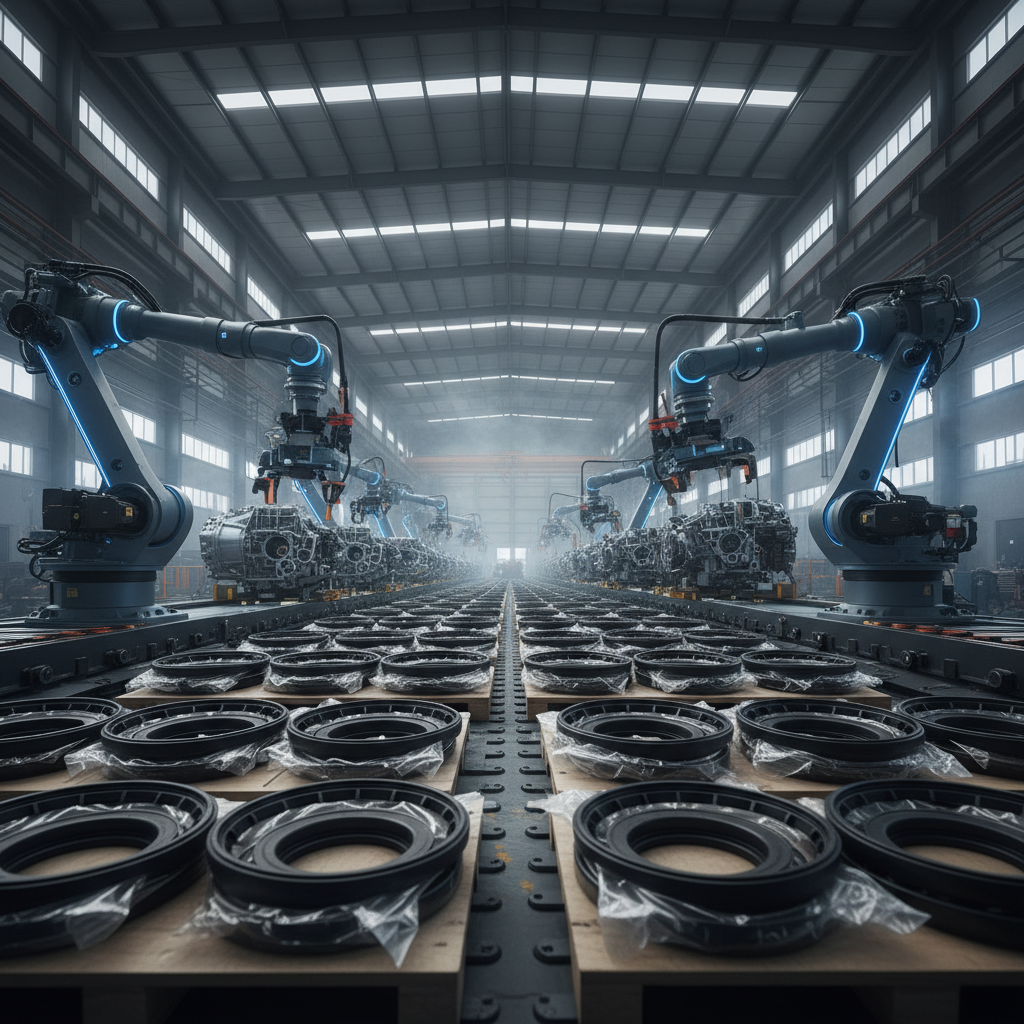
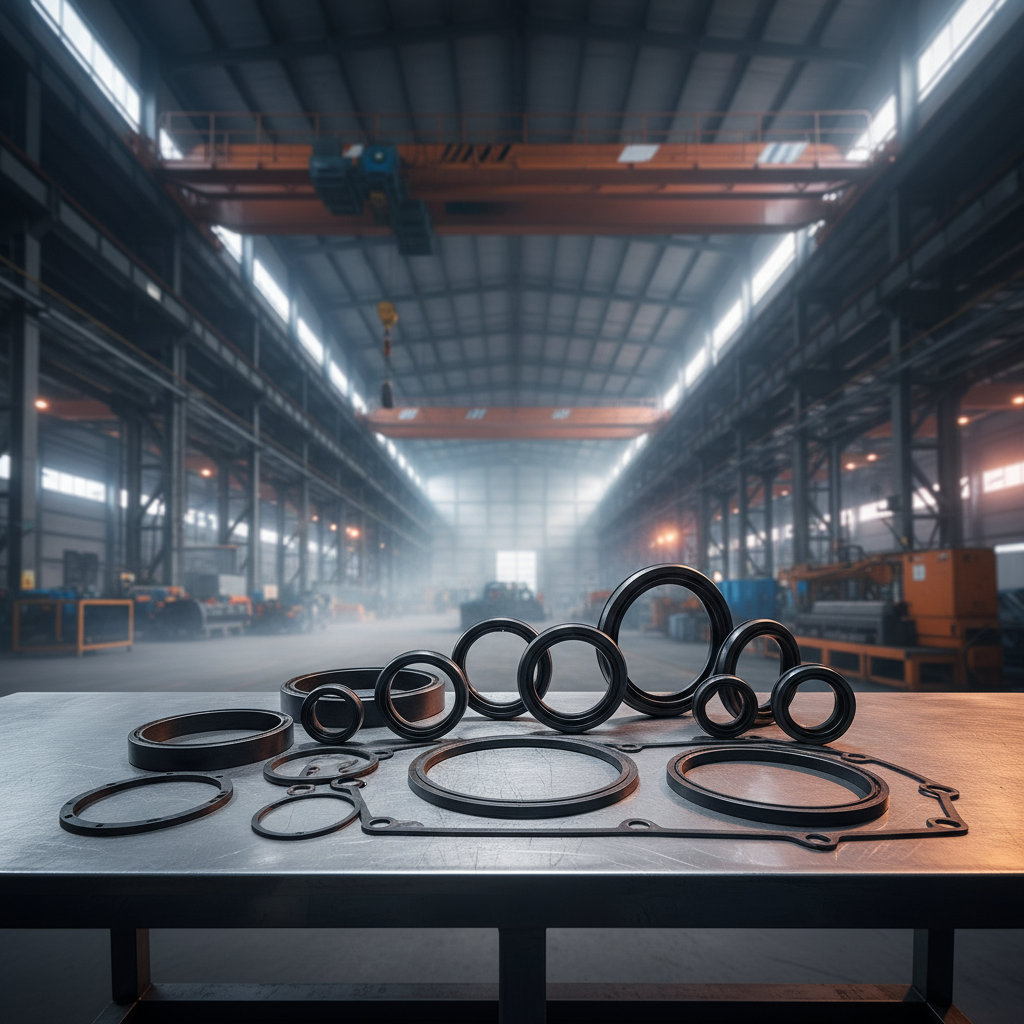
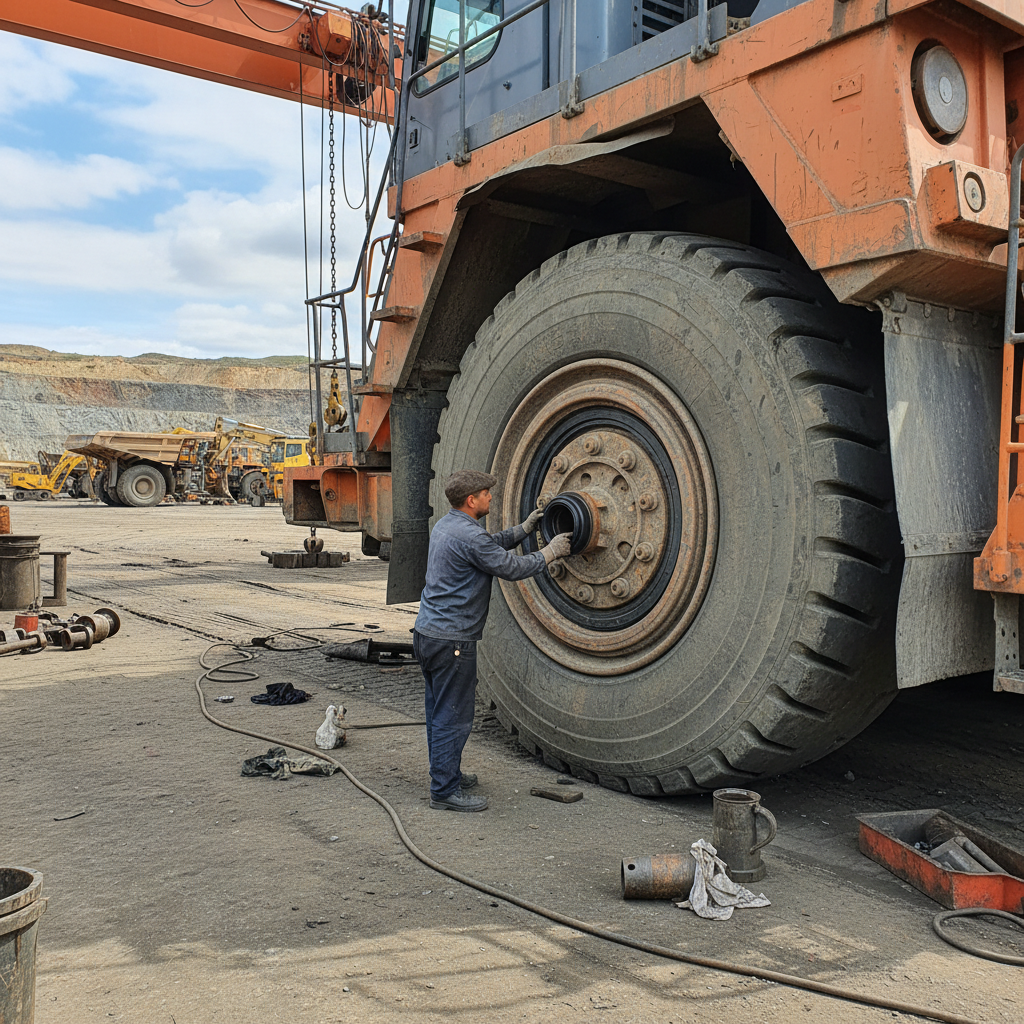
Spare parts oil seals are critical components across a vast spectrum of industries, ensuring the efficient and reliable operation of machinery and equipment. From automotive engines and hydraulic systems to aerospace applications and industrial pumps, these seals prevent leakage of fluids and gases, protecting vital components from damage and maintaining performance. The global demand for high-quality spare parts oil seals is substantial and continuously growing, driven by industrial expansion, infrastructure development, and an increasing emphasis on preventative maintenance. Understanding their function, materials, and applications is therefore paramount for engineers, technicians, and procurement professionals worldwide.
The importance of spare parts oil seals extends beyond mere operational efficiency. Leakage can lead to costly downtime, environmental contamination, and even safety hazards. A robust supply chain and access to reliable, durable seals are therefore essential for minimizing disruptions and ensuring the longevity of critical assets. Furthermore, advancements in sealing technology are continually improving performance characteristics, such as temperature resistance, chemical compatibility, and lifespan, reducing the frequency of replacements and contributing to sustainable operations. The market reflects a need for specialized solutions tailored to diverse industrial demands.
Investing in quality spare parts oil seals is not merely a cost of operation, but rather a strategic investment in reliability, safety, and long-term performance. Choosing the right seal for a specific application requires careful consideration of factors like pressure, temperature, fluid compatibility, and operating environment. This article will delve into the key aspects of these critical components, exploring their applications, advantages, and future trends. You can find a wide range of spare parts oil seals to meet your specific requirements.
The Fundamental Role of spare parts oil seals
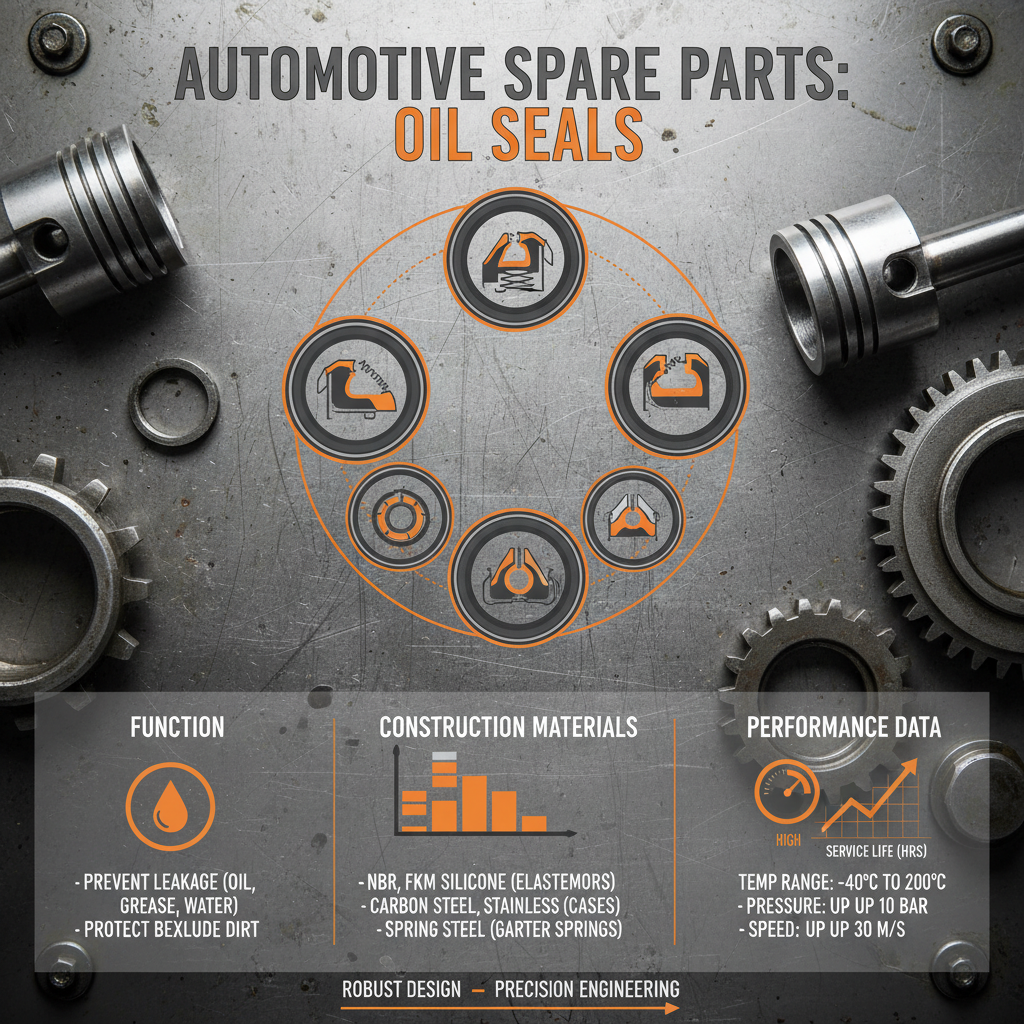
Spare parts oil seals are fundamentally designed to prevent the escape of fluids – whether it be oil, grease, water, or gas – from mechanical systems. They create a static barrier between rotating and stationary components, ensuring that lubricants remain contained and contaminants are excluded. This function is critical for maintaining the efficiency, reliability, and longevity of machinery across countless applications, from automotive and aerospace to manufacturing and energy production.
The selection of the appropriate oil seal is paramount; factors like material compatibility, pressure, temperature, and rotational speed all play a vital role in ensuring optimal performance. Using spare parts oil seals that meet or exceed original equipment manufacturer (OEM) specifications is crucial for avoiding premature failure and maintaining system integrity.
Global Relevance and Industry Context
The global market for spare parts oil seals is substantial and consistently growing. According to industry reports, the sealing solutions market was valued at over $65 billion in 2023 and is projected to reach over $85 billion by 2030. This growth is driven by factors such as increased industrialization in emerging economies, the expansion of the automotive sector, and the growing demand for efficient and reliable machinery. Regions like Asia-Pacific, North America, and Europe represent the largest consumer bases.
A significant challenge within the industry is the prevalence of counterfeit or substandard seals. These inferior products can lead to catastrophic failures, costly downtime, and potential safety hazards. Sourcing from reputable manufacturers and suppliers, like Huimao Oil Seal, is therefore crucial. The demand for specialized seals, catering to unique applications and harsh environments, is also on the rise, requiring manufacturers to invest in research and development.
The United Nations Sustainable Development Goals (SDGs), particularly those related to responsible consumption and production (SDG 12) and industry, innovation, and infrastructure (SDG 9), highlight the importance of durable, reliable components like spare parts oil seals in promoting sustainable industrial practices and minimizing environmental impact.
Defining spare parts oil seals: Function and Importance
A spare parts oil seal, at its core, is a mechanical component designed to prevent the leakage of fluids or gases between static and rotating parts. Typically constructed from materials like nitrile rubber, Viton, silicone, or PTFE, they form a tight seal through compression and create a barrier against contamination. Their primary function is to retain lubricants within a system, protecting bearings, gears, and other critical components from wear and tear.
The connection to modern industry and humanitarian needs is profound. In manufacturing, reliable seals prevent production downtime and ensure product quality. In transportation, they contribute to vehicle safety and fuel efficiency. Even in remote areas and disaster relief efforts, durable seals are vital for maintaining the functionality of generators, water pumps, and other essential equipment. Properly maintained equipment relies heavily on quality spare parts oil seals.
Choosing the right type of oil seal is critical. Factors like the type of fluid being sealed, the operating temperature, pressure, and rotational speed must be carefully considered. Different seal designs, such as lip seals, O-rings, and mechanical seals, are available to suit specific applications.
Key Performance Characteristics of Oil Seals
Several key characteristics define the performance and longevity of spare parts oil seals. These factors directly impact their suitability for different applications and contribute to overall system reliability.
These performance factors are what make spare parts oil seals so important.
Oil Seal Performance Characteristics
Diverse Applications Across Industries
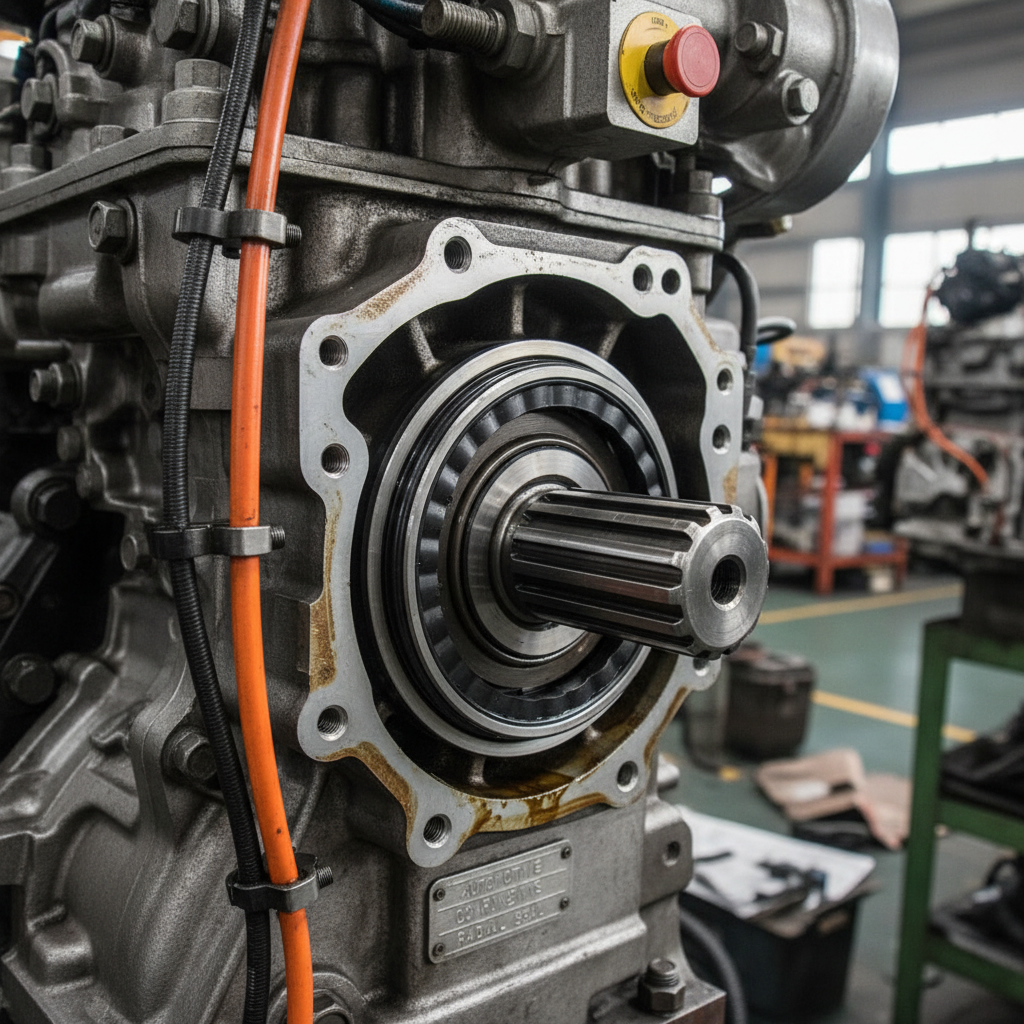
Spare parts oil seals find application in a remarkably diverse range of industries. In the automotive sector, they are vital for sealing engines, transmissions, and axles, preventing oil leaks and ensuring optimal performance. The aerospace industry relies on high-performance seals in aircraft engines, hydraulic systems, and landing gear.
Industrial applications are equally broad, encompassing pumps, compressors, gearboxes, and hydraulic cylinders. In remote industrial zones, the availability of readily accessible spare parts oil seals is critical for minimizing downtime and maintaining production. Even in renewable energy systems, seals play a crucial role in wind turbines and hydroelectric generators.
The Advantages of Utilizing Quality Oil Seals
Employing high-quality spare parts oil seals delivers a multitude of tangible benefits. Cost savings are significant, stemming from reduced downtime, decreased maintenance requirements, and minimized fluid loss. Sustainability is enhanced through extended component lifespan and reduced environmental contamination from leaks.
Reliability is dramatically improved, ensuring the consistent and predictable operation of critical machinery. These seals provide peace of mind knowing that systems are operating safely and efficiently. Furthermore, the use of advanced materials and manufacturing techniques contributes to innovation and trust in the overall performance of equipment.
Future Trends and Innovation in Sealing Technology
The future of spare parts oil seals is being shaped by several key trends. The development of new materials, such as advanced polymers and nanocomposites, is leading to seals with enhanced performance characteristics, including improved temperature resistance, chemical compatibility, and wear resistance. Digitalization and predictive maintenance are also playing a growing role, with sensors integrated into seals to monitor their condition and predict potential failures.
Automation in manufacturing processes is driving demand for seals that can withstand higher speeds and pressures. Sustainability concerns are pushing the development of eco-friendly materials and designs. As the world transitions towards green energy, seals will need to meet the stringent requirements of renewable energy systems, like those in wind turbines and hydroelectric plants.
Challenges and Solutions
Despite advancements, challenges remain. Counterfeit seals continue to pose a threat, underscoring the importance of verifying supplier authenticity. Complex operating environments with extreme temperatures or aggressive chemicals can also strain seal performance. The demand for custom-designed seals for specialized applications often requires significant engineering expertise and lead times.
Solutions include enhanced quality control measures, traceability systems utilizing blockchain technology, and closer collaboration between seal manufacturers and end-users. Investing in research and development to create more durable and versatile materials is also critical. Utilizing simulation and modeling tools can optimize seal design for specific applications, reducing the need for costly prototyping and testing.
Sourcing from established and reputable suppliers, such as Huimao Oil Seal, offers access to quality products and expert technical support, ensuring optimal performance and long-term reliability.
Table: Comparative Analysis of Oil Seal Material Performance
| Material Type |
Temperature Resistance (°C) |
Chemical Compatibility |
Cost (Relative) |
| Nitrile Rubber (NBR) |
-40 to 120 |
Good - Oils, Fuels |
1 |
| Viton (FKM) |
-20 to 200 |
Excellent - Wide Range of Chemicals |
5 |
| Silicone (VMQ) |
-60 to 200 |
Good - Water, Some Oils |
3 |
| PTFE (Teflon) |
-200 to 260 |
Excellent - Almost all Chemicals |
8 |
| EPDM |
-50 to 150 |
Excellent - Water, Steam |
2 |
| Polyurethane |
-40 to 90 |
Good - Abrasion Resistance |
4 |
FAQS
The lifespan of a spare parts oil seal varies significantly based on operating conditions, seal material, and application. Generally, nitrile seals may last 1-3 years, while Viton and silicone seals can last 3-5 years or longer. Factors like temperature extremes, abrasive contaminants, and chemical exposure can shorten this lifespan. Regular inspection and preventative maintenance are crucial for maximizing seal life.
Selecting the correct material requires understanding the operating environment. Nitrile is cost-effective for oil-based applications. Viton offers superior chemical resistance. Silicone excels in high-temperature applications. PTFE is ideal for harsh chemicals. Consider fluid compatibility, temperature range, pressure, and potential contaminants when making your selection. Consulting with a sealing specialist is recommended.
Common causes include improper installation, misalignment, contamination, excessive heat, and chemical incompatibility. Abrasive particles in the fluid can wear down the sealing lip. Excessive pressure or dynamic loads can cause deformation or extrusion. Regularly inspecting seals and maintaining clean operating conditions can help prevent premature failure.
Generally, oil seals are not recommended for reuse. During disassembly, the sealing lip can be damaged or deformed, compromising its ability to create a tight seal. Replacing the seal with a new one is the best practice to ensure reliable performance and prevent leaks. Reusing a compromised seal can lead to catastrophic failure.
Proper installation is critical for optimal performance. Incorrect installation can cause damage to the seal or the surrounding components. Ensuring proper alignment, lubrication during installation, and using the correct installation tools are essential. Following the manufacturer's instructions is crucial. Improperly installed seals are prone to premature failure.
Sourcing from reputable manufacturers and suppliers is paramount. Huimao Oil Seal is a trusted provider of high-quality spare parts oil seals, offering a wide range of materials and sizes. Verify the supplier's credentials and ensure the seals meet industry standards. Avoid counterfeit products by purchasing from authorized distributors.
Conclusion
Spare parts oil seals are fundamental components in countless industries, providing essential sealing functions that protect critical machinery and ensure operational efficiency. From automotive and aerospace to manufacturing and energy production, their role is undeniably crucial. Understanding the key characteristics of these seals, choosing the right materials, and implementing proper maintenance practices are vital for maximizing performance and minimizing downtime.
Looking ahead, continued innovation in materials science and manufacturing techniques will drive the development of even more durable and reliable oil seals. Embracing digital technologies for predictive maintenance and utilizing sustainable materials will further enhance their value. For reliable and high-performance spare parts oil seals, we invite you to visit our website today.