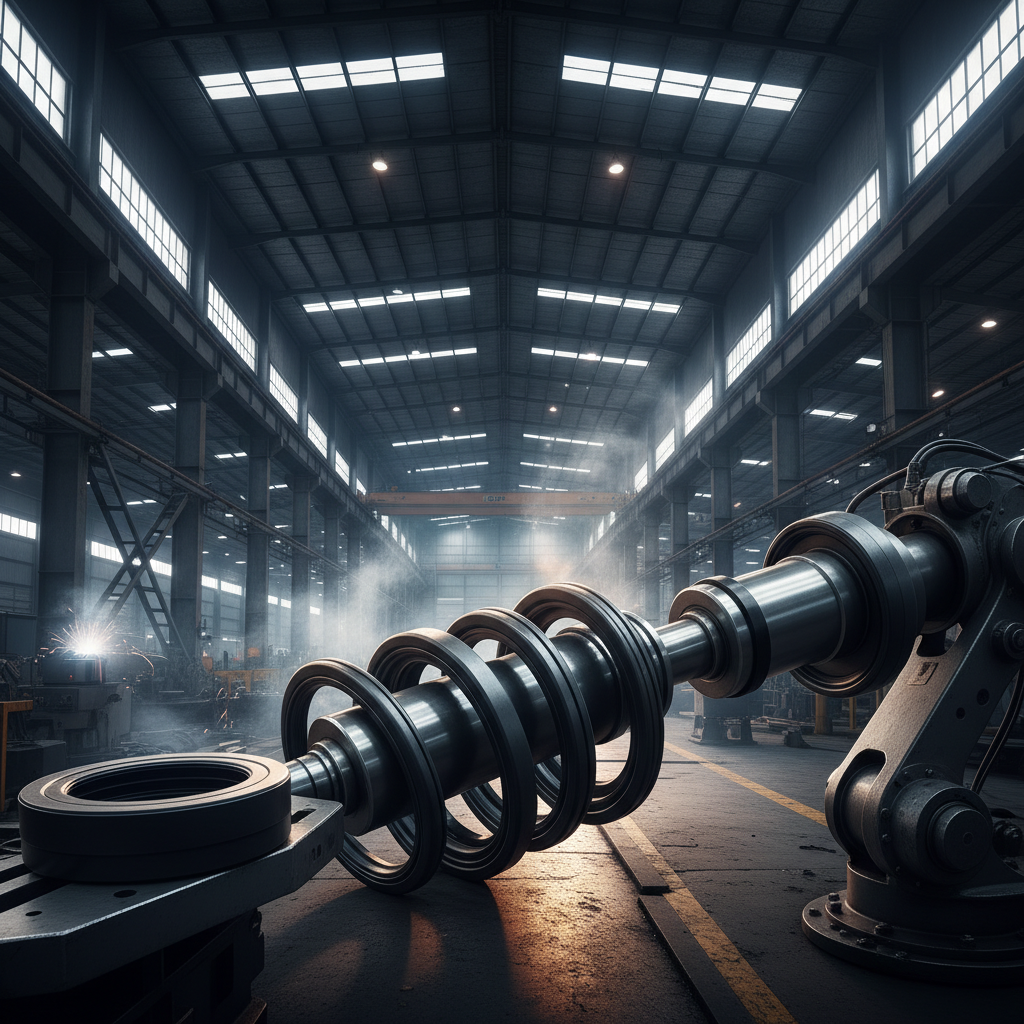
Skeleton oil sealing is a critical component across numerous industries, ensuring the reliable operation of machinery and equipment. From automotive engines to hydraulic systems and aerospace applications, its ability to prevent leakage and contamination is paramount. Understanding the principles behind skeleton oil sealing, its diverse applications, and emerging trends is vital for engineers, maintenance professionals, and anyone involved in the design and operation of mechanical systems.
The global demand for effective sealing solutions is steadily increasing, driven by factors such as stricter environmental regulations, the need for improved energy efficiency, and the relentless pursuit of higher performance in industrial machinery. Skeleton oil sealing addresses these demands by offering a robust, cost-effective, and adaptable solution for a wide range of sealing challenges. Its prevalence impacts industries worldwide, contributing to reduced downtime, increased productivity, and enhanced safety.
The importance of skeleton oil sealing extends beyond mere functionality; it’s intrinsically linked to sustainability and resource management. Preventing oil leakage not only protects the environment but also minimizes operational costs associated with fluid replacement and waste disposal. As industries move towards more sustainable practices, the role of high-quality sealing solutions like skeleton oil sealing will become even more crucial.
The Fundamentals of Skeleton Oil Sealing
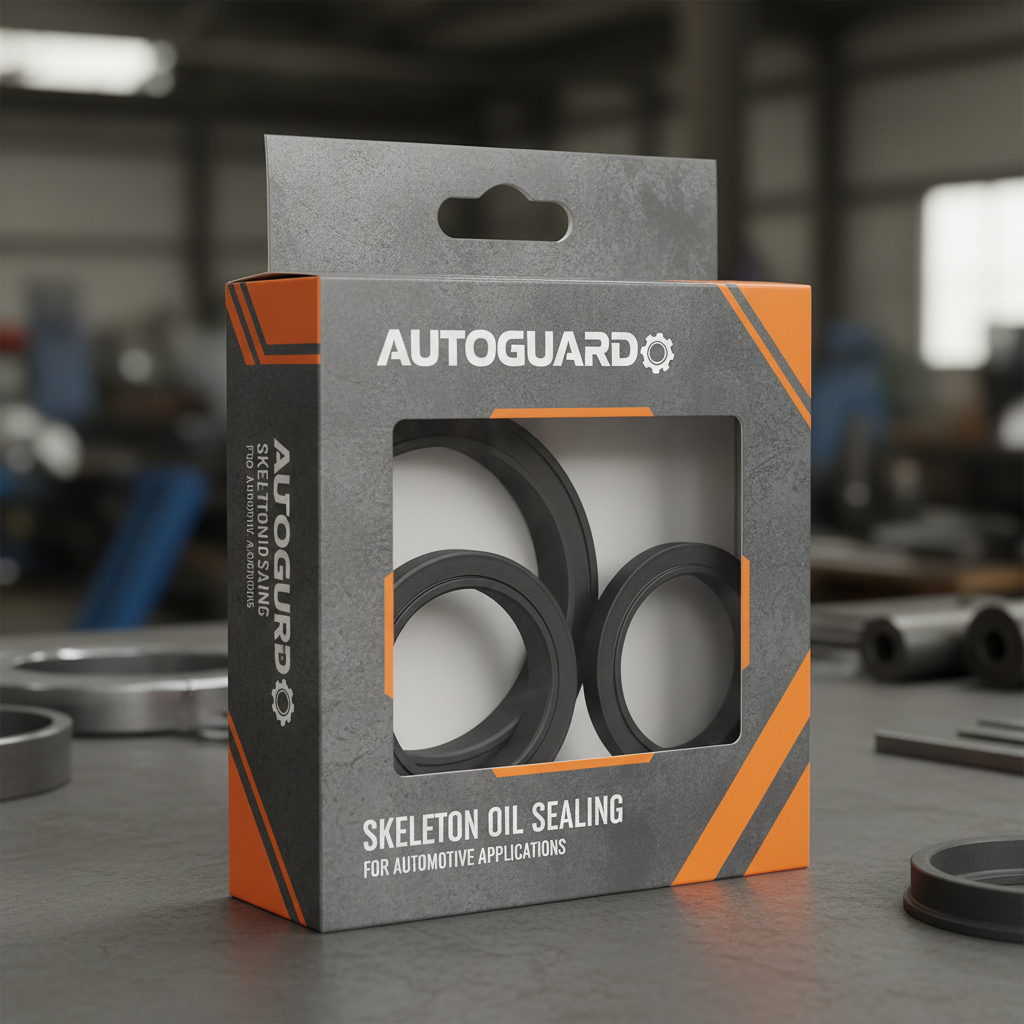
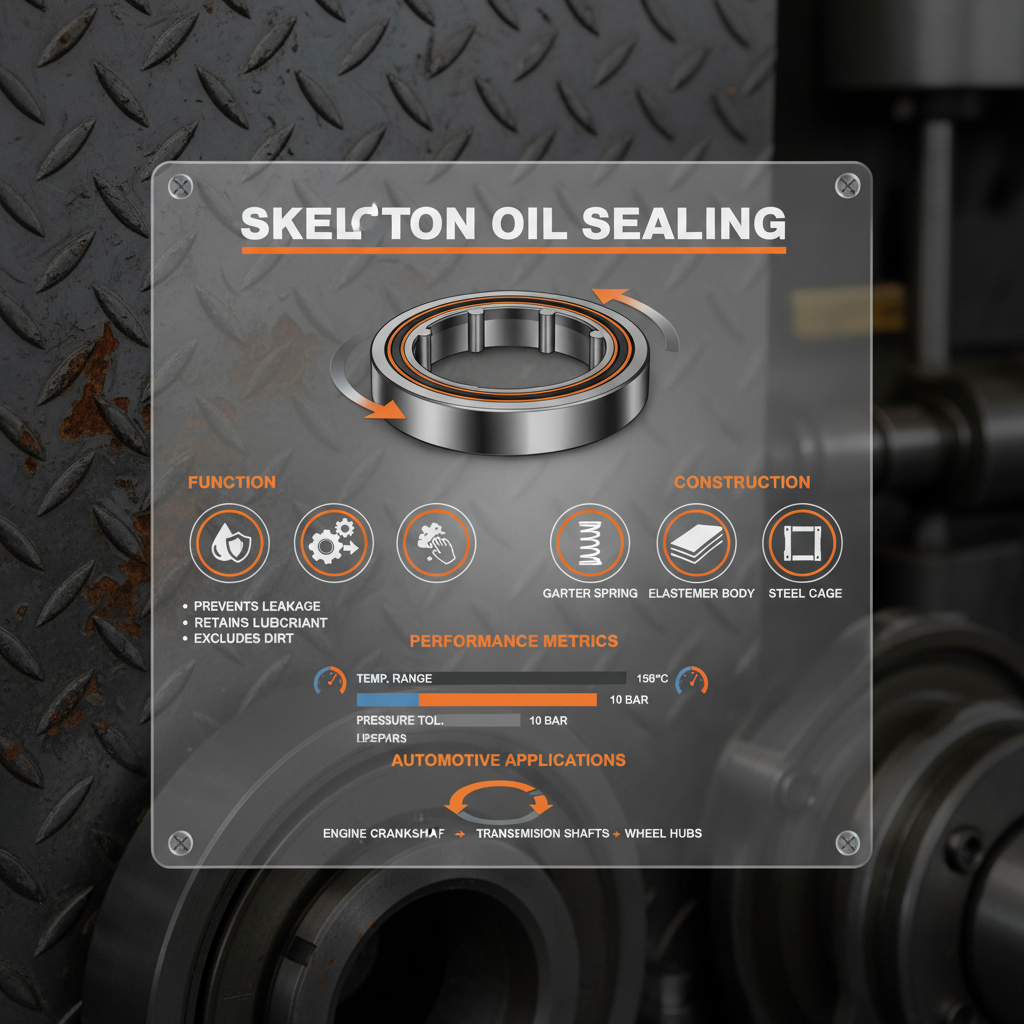
At its core, skeleton oil sealing utilizes a robust metal case with a flexible elastomeric lip to create a dynamic barrier against fluid leakage. The “skeleton” refers to the outer metal ring providing structural support, while the lip maintains contact with the rotating shaft, preventing escape of lubricants or ingress of contaminants.
The design of the skeleton oil sealing is meticulously engineered to account for various operating conditions, including speed, temperature, pressure, and the properties of the fluid being sealed. Proper selection of materials for both the metal case and the elastomeric lip is crucial for ensuring long-term performance and reliability in demanding applications.
Global Relevance and Industry Impact
The demand for high-quality skeleton oil sealing solutions is felt globally, impacting industries ranging from automotive and aerospace to manufacturing and energy. According to recent reports from the International Organization for Standardization (ISO), the need for reliable sealing technologies is projected to grow by 4.5% annually over the next five years, driven by increasing industrialization in emerging economies.
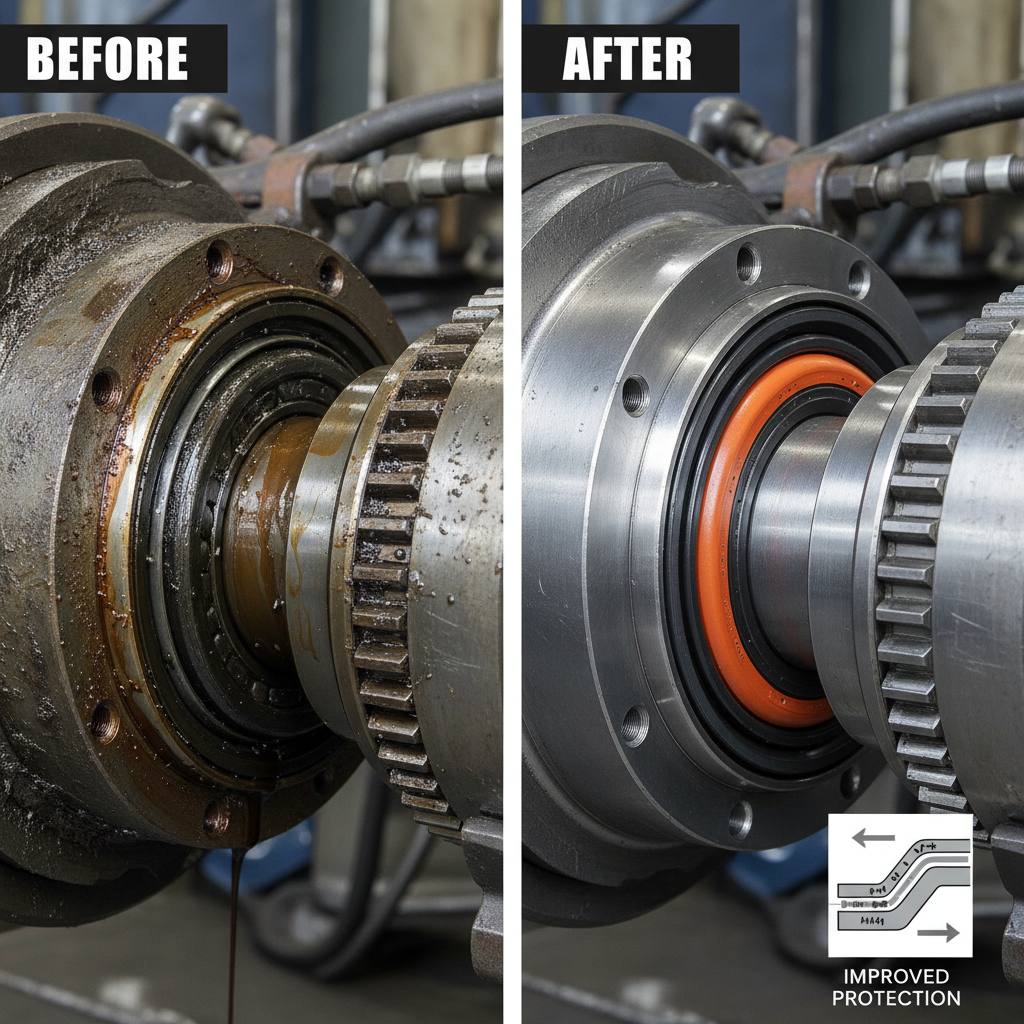
A significant challenge facing industries today is the reduction of fluid leaks, driven by both environmental regulations and cost-saving initiatives. Leaks can lead to environmental contamination, workplace hazards, and substantial financial losses due to fluid replacement and equipment downtime. Effective skeleton oil sealing plays a crucial role in mitigating these risks and ensuring sustainable operations.
Furthermore, the push for increased energy efficiency in machinery necessitates the use of low-friction sealing solutions. Improved skeleton oil sealing designs contribute to reduced power consumption by minimizing energy losses caused by fluid friction and leakage, aligning with global efforts to combat climate change.
Defining Skeleton Oil Sealing
Skeleton oil sealing, in its simplest form, is a mechanical sealing device designed to prevent the leakage of fluids – typically oils, greases, or hydraulic fluids – from rotating or reciprocating machinery. It's characterized by a robust metal case, often steel, providing structural integrity, and a flexible sealing lip, typically made of rubber or PTFE, creating a dynamic seal against the moving shaft.
Its connection to modern industry is undeniable. Without effective sealing, machinery would quickly fail due to contamination, lubrication loss, and overheating. This technology is fundamental to maintaining the functionality of a vast array of equipment, from engines powering vehicles to pumps and compressors driving industrial processes.
In humanitarian contexts, this translates to the reliability of pumps used for water purification, generators providing essential power, and vehicles transporting aid. The durability and relatively low maintenance requirements of skeleton oil sealing contribute to their suitability for deployment in challenging environments.
Core Components and Key Factors
Several key factors define the performance and longevity of a skeleton oil sealing. First, Material Compatibility is vital. The elastomer must be compatible with the fluid being sealed and the operating temperature. Second, Lip Design dictates sealing efficiency and resistance to wear. Different lip profiles cater to varying shaft speeds and pressures.
Another critical aspect is Spring Loading. The spring provides the necessary force to maintain contact between the lip and the shaft, ensuring a tight seal. Surface Finish of both the shaft and the sealing lip significantly impacts friction and wear. Finally, Case Hardness provides structural support and resistance to deformation.
Performance Metrics for Different Skeleton Oil Sealing Types
Applications Across Diverse Industries
Skeleton oil sealing finds widespread application in the automotive industry, sealing crankshafts, camshafts, and transmission components. In the aerospace sector, it’s crucial for sealing engine bearings, gearboxes, and hydraulic actuators. Furthermore, it’s extensively used in industrial machinery, including pumps, compressors, and gearboxes, ensuring reliable operation and minimizing downtime.
In remote industrial zones, where access to maintenance and replacement parts is limited, the durability and reliability of skeleton oil sealing are particularly valuable. For example, mining operations in harsh environments rely heavily on these seals to ensure the continuous operation of heavy machinery. They also are employed in the renewable energy sector, sealing turbines and generators for optimal performance.
Advantages and Long-Term Value
The advantages of using skeleton oil sealing are numerous. They offer excellent sealing performance, preventing leakage and contamination. They provide long-term reliability, reducing maintenance costs and downtime.
The cost-effectiveness is a significant benefit, as they are generally less expensive than more complex sealing systems. From a sustainability perspective, minimizing fluid leakage reduces environmental impact and conserves valuable resources. Beyond these tangible benefits, skeleton oil sealing provides peace of mind, knowing that critical equipment is protected and operating efficiently.
Future Trends and Innovations
Several trends are shaping the future of skeleton oil sealing. The development of advanced materials, such as high-performance elastomers and coatings, will enhance sealing performance and durability. Digitalization and sensor integration will allow for real-time monitoring of seal health, predicting potential failures and enabling proactive maintenance.
The increasing adoption of automation and robotics in manufacturing will drive demand for seals that can withstand higher speeds and temperatures. Furthermore, the pursuit of sustainable solutions will lead to the development of bio-based elastomers and more environmentally friendly manufacturing processes.
Summary of Challenges and Solutions in Skeleton Oil Sealing Application
| Challenge Area |
Impact on Sealing Performance |
Potential Solution |
Implementation Cost (1-10) |
| High Operating Temperatures |
Elastomer Degradation, Reduced Seal Life |
Utilize High-Temperature Elastomers (e.g., Viton) |
7 |
| Abrasive Fluids/Contaminants |
Lip Wear, Leakage |
Implement Filtration Systems, Hardened Lip Materials |
6 |
| Shaft Runout/Misalignment |
Uneven Lip Wear, Seal Failure |
Improved Shaft Alignment Procedures, Flexible Seal Designs |
5 |
| Chemical Compatibility Issues |
Swelling, Degradation of Elastomer |
Select Chemically Resistant Elastomers (e.g., PTFE) |
8 |
| High Pressure Applications |
Lip Extrusion, Leakage |
Reinforced Lip Designs, Anti-Extrusion Rings |
6 |
| Dynamic Seal Instability |
Seal Flutter, Loss of Contact |
Optimized Spring Design, Surface Coating |
4 |
FAQS
The lifespan of a skeleton oil sealing in a standard automotive engine can vary considerably based on factors like operating conditions, oil quality, and driving habits. However, a well-maintained seal typically lasts between 50,000 and 100,000 miles. Regular oil changes and avoiding harsh driving conditions can extend this lifespan. Inspecting seals during routine maintenance is crucial to identifying potential leaks and preventing more serious engine damage.
No, skeleton oil seals are not universally compatible with all fluids. Different elastomers used in their construction have varying levels of resistance to different chemicals and fluids. For example, a standard nitrile rubber seal may not be suitable for use with phosphate ester hydraulic fluids. It's critical to select a seal with an elastomer specifically compatible with the fluid being sealed to ensure long-term performance and prevent seal failure.
Common signs indicating a need for replacement include noticeable oil leaks around the sealing area, reduced engine power or performance, increased oil consumption, and unusual noises emanating from the engine. Visual inspection can reveal cracked, worn, or hardened sealing lips. Early detection and replacement can prevent more extensive and costly engine repairs.
Shaft surface finish is a critical factor influencing the performance of a skeleton oil seal. A rough surface finish can accelerate wear on the sealing lip, leading to premature leakage. Conversely, a surface that is too smooth may not provide adequate lubrication for the sealing lip. An ideal surface finish typically falls within a specific Ra (roughness average) range, as recommended by the seal manufacturer.
While primarily designed for fluid sealing, certain skeleton oil seals can be adapted for limited pneumatic applications, specifically at low pressures. However, it’s essential to choose seals specifically designed for pneumatic use, as standard oil seals may not provide a sufficiently tight seal or withstand the cyclical pressures associated with air systems. The appropriate material selection is also crucial for pneumatic applications.
Several preventative measures can significantly extend the life of skeleton oil seals. Regular oil changes using the correct grade of oil are essential. Maintaining proper engine or equipment alignment reduces stress on the seal. Avoiding harsh operating conditions and regularly inspecting seals for any signs of wear or damage are also crucial. Using high-quality seals from reputable manufacturers is a worthwhile investment in long-term reliability.
Conclusion
In conclusion, skeleton oil sealing remains a fundamental technology across a vast spectrum of industries, providing reliable, cost-effective, and adaptable solutions for preventing fluid leakage and ensuring the optimal performance of machinery. Understanding the core principles, material considerations, and emerging trends associated with this technology is essential for engineers, maintenance professionals, and anyone involved in the operation of mechanical systems.
Looking forward, continued innovation in materials science, sensor technology, and sustainable manufacturing practices will further enhance the capabilities and longevity of skeleton oil sealing. By embracing these advancements, industries can minimize downtime, reduce environmental impact, and maximize the efficiency and reliability of their operations. For all your skeleton oil sealing needs, visit our website: www.huimaooilseal.com