In the high-precision world of automotive engineering, the integrity of a transmission system depends heavily on the quality of its sealing components. An oil seal matic serves as the critical first line of defense, preventing lubricant leakage and protecting internal gears from environmental contaminants. Without a high-performance seal, the risk of fluid loss increases, which can lead to catastrophic transmission failure and costly downtime for vehicle owners.
Globally, the demand for durable automotive seals has surged as engines and transmissions are pushed to operate under more extreme pressures and temperatures. The shift toward higher efficiency and longer vehicle lifespans means that the materials used in an oil seal matic must be meticulously engineered to resist wear and chemical degradation. This ensures that the fluid remains where it is needed most, maintaining the hydraulic pressure essential for smooth gear transitions.
Understanding the technical nuances of these components is not just for mechanics; it is vital for fleet managers and automotive designers seeking to optimize reliability. By focusing on the synergy between material science and mechanical fit, the implementation of a premium oil seal matic can significantly reduce maintenance intervals and improve the overall sustainability of the automotive ecosystem.
Global Relevance of Oil Seal Matic in Automotive Engineering
On a global scale, the automotive industry is governed by strict ISO standards and environmental regulations that mandate a significant reduction in oil leakage. The oil seal matic is central to these efforts, as leaking transmission fluid is not only a mechanical hazard but also a major environmental pollutant. In regions like Europe and North America, where emission and fluid-leakage standards are stringent, the quality of sealing components directly impacts a manufacturer's ability to enter the market.
The challenge lies in the increasing complexity of modern transmissions, which operate at higher rotational speeds and temperatures. This creates a paradoxical demand: the seal must be tight enough to prevent every drop of oil from escaping, yet flexible enough to allow the shaft to rotate with minimal friction. Failure to achieve this balance leads to premature wear, forcing premature replacements and increasing the total cost of ownership for the end-user.
Defining the Technical Function of Oil Seal Matic
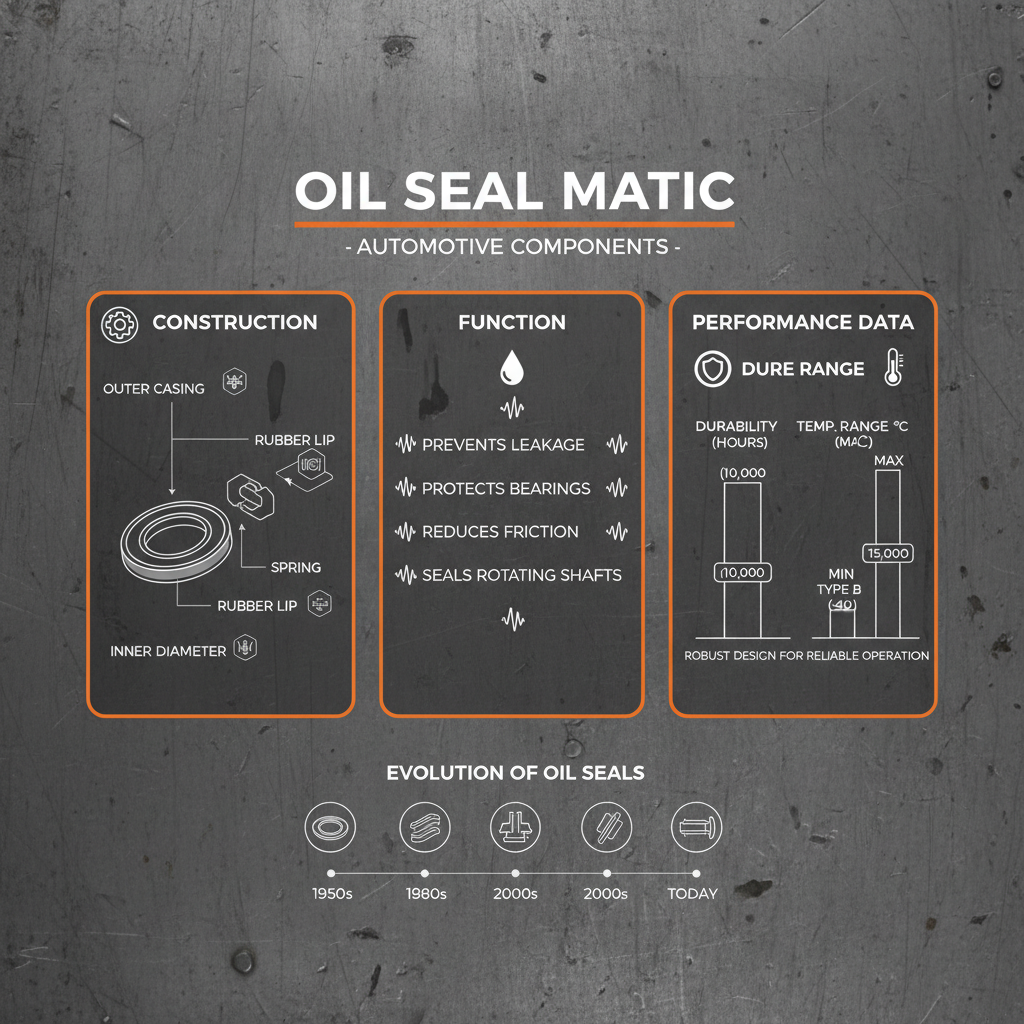
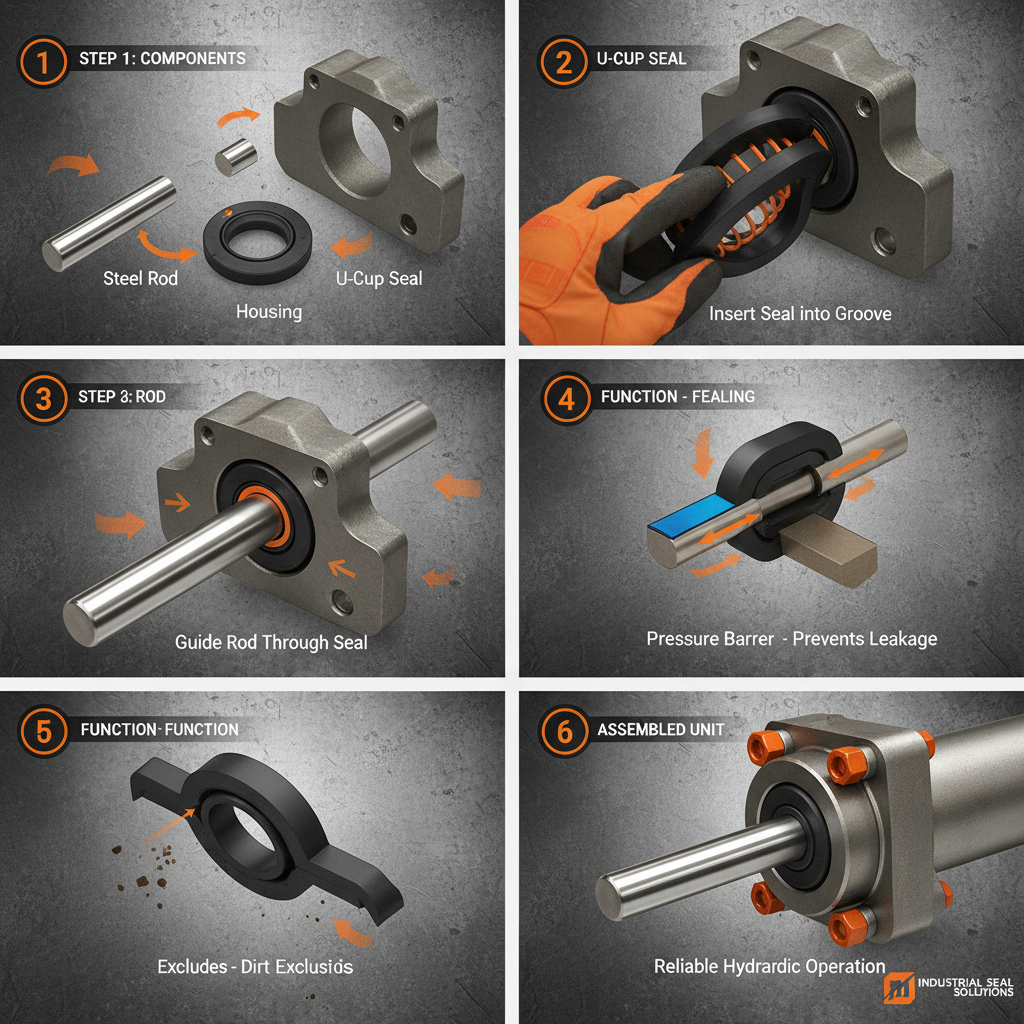
At its core, an oil seal matic is a specialized mechanical device designed to seal the junction between a rotating shaft and a stationary housing. Its primary purpose is twofold: to retain the lubricating oil within the transmission system and to exclude external contaminants such as dust, water, and debris. This dual-action capability is what ensures the longevity of the internal gears and bearings, preventing oxidative wear and corrosive damage.
In the context of modern automatic transmissions, the "matic" designation often refers to the precision required for automatic systems where fluid pressure is the primary means of power transfer. A failure in the oil seal matic can lead to a drop in line pressure, causing erratic shifting or complete loss of drive. Therefore, these seals are more than just rubber rings; they are precision-engineered barriers that maintain the hydraulic integrity of the vehicle.
Beyond the mechanical aspect, the integration of these seals reflects a broader industrial need for reliability in transport infrastructure. Whether in a passenger car or a heavy-duty commercial truck, the seal ensures that the vehicle can operate across diverse climates—from the freezing temperatures of the Arctic to the intense heat of the Sahara—without losing its critical lubrication.
Core Components and Material Durability of Oil Seal Matic
The effectiveness of an oil seal matic is primarily determined by its material composition. Most high-end seals utilize NBR (Nitrile Butadiene Rubber) for standard applications or FKM (Fluorocarbon/Viton) for high-temperature environments. These elastomers are chosen for their ability to maintain a constant tension against the shaft, ensuring a leak-proof seal even under the cyclic loading typical of automotive operation.
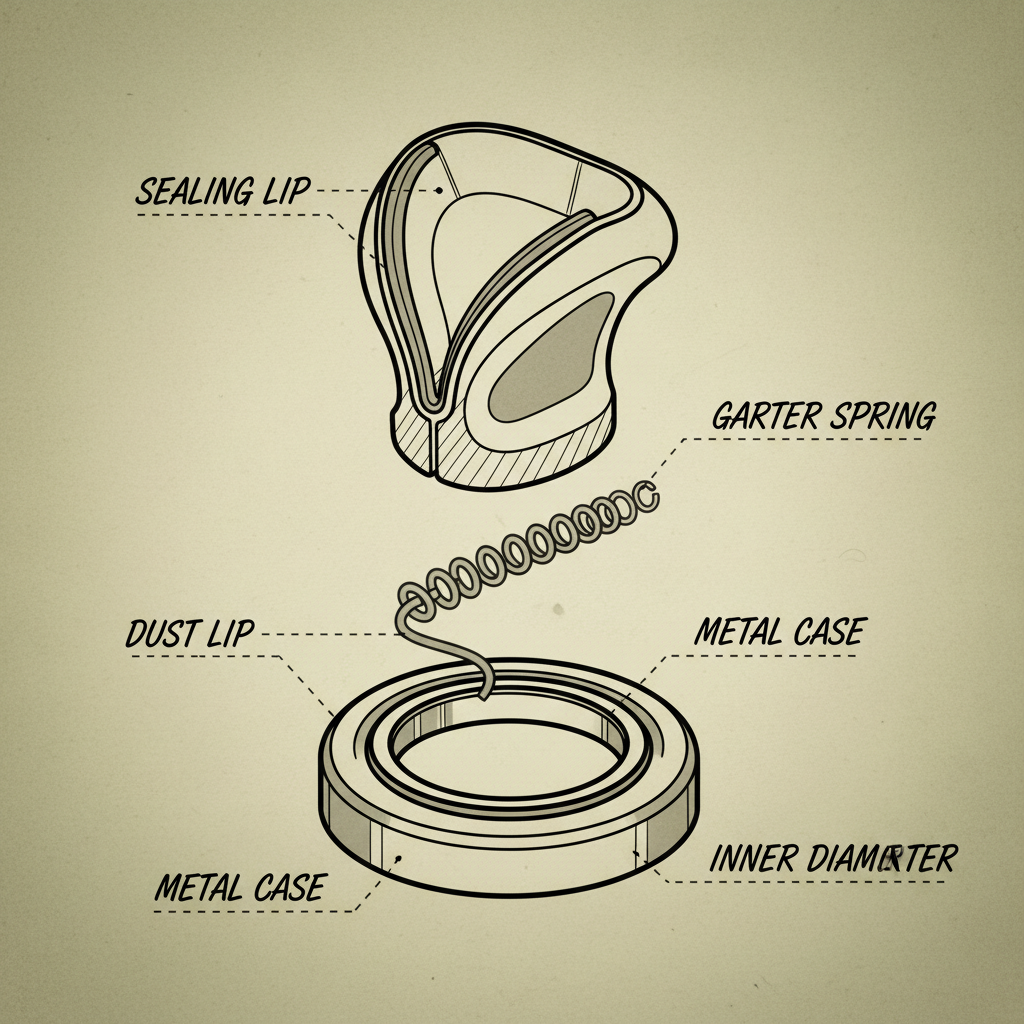
A critical component of the oil seal matic is the garter spring, which provides the necessary radial force to keep the sealing lip tight against the rotating shaft. Without this spring, the elastomer would eventually relax due to heat and wear, leading to "weeping" or full-scale leaks. The synergy between the outer metal case, the elastomer body, and the tension spring creates a robust assembly capable of millions of rotations.
Furthermore, surface finish and hardness (Shore A scale) play pivotal roles. An oil seal matic must be hard enough to resist extrusion under pressure but soft enough to conform to the microscopic irregularities of the shaft. This delicate balance is achieved through advanced vulcanization processes, ensuring that the seal does not crack under cold starts or melt during high-load towing.
Industrial Applications and Performance Metrics
The application of the oil seal matic extends far beyond standard passenger cars. In the heavy-duty transport sector, these seals are used in planetary gearsets and transfer cases where the torque loads are immense. Similarly, in the realm of specialized machinery, such as agricultural tractors or construction equipment, the seals must withstand highly abrasive environments where mud and grit are constantly pressing against the sealing lip.
To quantify the success of these components, engineers look at leakage rates over time and the friction coefficient. A high-quality oil seal matic minimizes "parasitic loss"—the energy wasted as friction—thereby improving the overall fuel efficiency of the vehicle. By reducing the drag on the rotating shaft, these seals contribute directly to the vehicle's MPG (miles per gallon) and CO2 reduction targets.
Performance Comparison of Oil Seal Matic Materials
Long-Term Value and Reliability Advantages
Investing in a premium oil seal matic provides tangible long-term financial value by drastically reducing the frequency of unscheduled maintenance. For fleet operators, a single leaking seal can sideline a vehicle for days, resulting in lost revenue and increased labor costs. When a high-reliability seal is used, the mean time between failures (MTBF) is extended, allowing for planned maintenance schedules that optimize vehicle uptime.
Beyond the numbers, there is a psychological component of trust and safety. A driver who knows their transmission is sealed with a top-tier oil seal matic has greater confidence during long-haul journeys. The prevention of oil leaks also eliminates the risk of fluid dripping onto hot exhaust components, which significantly reduces the probability of under-hood fires, thereby ensuring the safety of the passengers and the environment.
Future Trends in Oil Seal Matic Innovation
The future of the oil seal matic is being shaped by the transition to electric vehicles (EVs) and hybrid powertrains. While EVs eliminate the traditional internal combustion engine, they still require sophisticated sealing for their reduction gears and e-axles. These new systems operate at much higher RPMs than traditional engines, necessitating seals with lower friction coefficients and higher thermal stability to handle the unique heat signatures of electric motors.
Digital transformation is also entering the sealing world through "smart seals." Research is underway to integrate micro-sensors into the oil seal matic that can detect pressure drops or material fatigue in real-time. This shift toward predictive maintenance would allow the vehicle's onboard computer to alert the driver long before a leak becomes critical, transforming the seal from a passive component into an active monitoring device.
Sustainability is another driving force, with a push toward biodegradable elastomers and recycled polymers. The industry is exploring ways to create an oil seal matic that offers the same industrial-grade performance as petroleum-based rubber but with a significantly lower carbon footprint during production. This alignment with "green energy" goals ensures that automotive reliability does not come at the cost of the planet.
Overcoming Implementation Challenges in Sealing Systems
One of the most common challenges in installing an oil seal matic is improper seating during the assembly process. Even the highest quality seal will fail if it is installed at a slight angle or if the sealing lip is nicked by a sharp edge on the shaft. To overcome this, manufacturers are increasingly adopting precision installation tools and automated press-fit systems that ensure perfectly perpendicular alignment every time.
Another persistent issue is the compatibility between the seal material and the specific type of synthetic lubricant used. As lubricant chemistry evolves to be more efficient, some traditional elastomers can swell or shrink, compromising the seal. The solution lies in comprehensive chemical compatibility testing and the move toward PTFE-coated seals, which offer nearly universal chemical resistance, ensuring the oil seal matic remains stable regardless of the fluid brand.
Finally, managing the balance between seal tightness and shaft wear remains a technical hurdle. Over-tightening a seal can lead to excessive heat buildup and shaft scoring. Expert insights suggest the use of "low-friction" lip profiles and advanced surface coatings on the shafts themselves. By optimizing both the oil seal matic and the mating surface, engineers can achieve a leak-free system that does not compromise the mechanical life of the powertrain.
Comparative Analysis of Oil Seal Matic Implementation Standards
| Material Grade |
Temperature Range |
Friction Coefficient |
Expected Lifespan |
| Standard NBR |
-30°C to 110°C |
Medium (0.4) |
50,000 Miles |
| High-Temp FKM |
-20°C to 200°C |
Low (0.2) |
120,000 Miles |
| Premium PTFE |
-40°C to 260°C |
Very Low (0.05) |
200,000 Miles |
| Silicone-Based |
-60°C to 230°C |
Medium (0.3) |
80,000 Miles |
| Reinforced EPDM |
-50°C to 150°C |
Medium (0.35) |
100,000 Miles |
| Hybrid Composite |
-40°C to 180°C |
Low (0.15) |
150,000 Miles |
FAQS
The most obvious sign is the appearance of fluid spots on your driveway or under the transmission housing. You may also notice a burning smell if the leaking fluid hits the hot exhaust. In automatic transmissions, a failing oil seal matic can lead to low fluid levels, causing delayed gear engagement, slipping, or rough shifting during acceleration.
It is not recommended. An oil seal matic is specifically engineered for the heat, pressure, and rotational speeds of a transmission. A standard rubber seal may lack the necessary garter spring for tension or the chemical resistance to withstand synthetic transmission fluids, leading to rapid degradation and premature leakage.
Material choice is everything. NBR is great for general use but can harden in extreme heat. FKM (Viton) is far superior for high-temperature environments, offering significantly better resistance to thermal degradation. PTFE provides the lowest friction, which reduces wear on the shaft and extends the overall operational life of the seal.
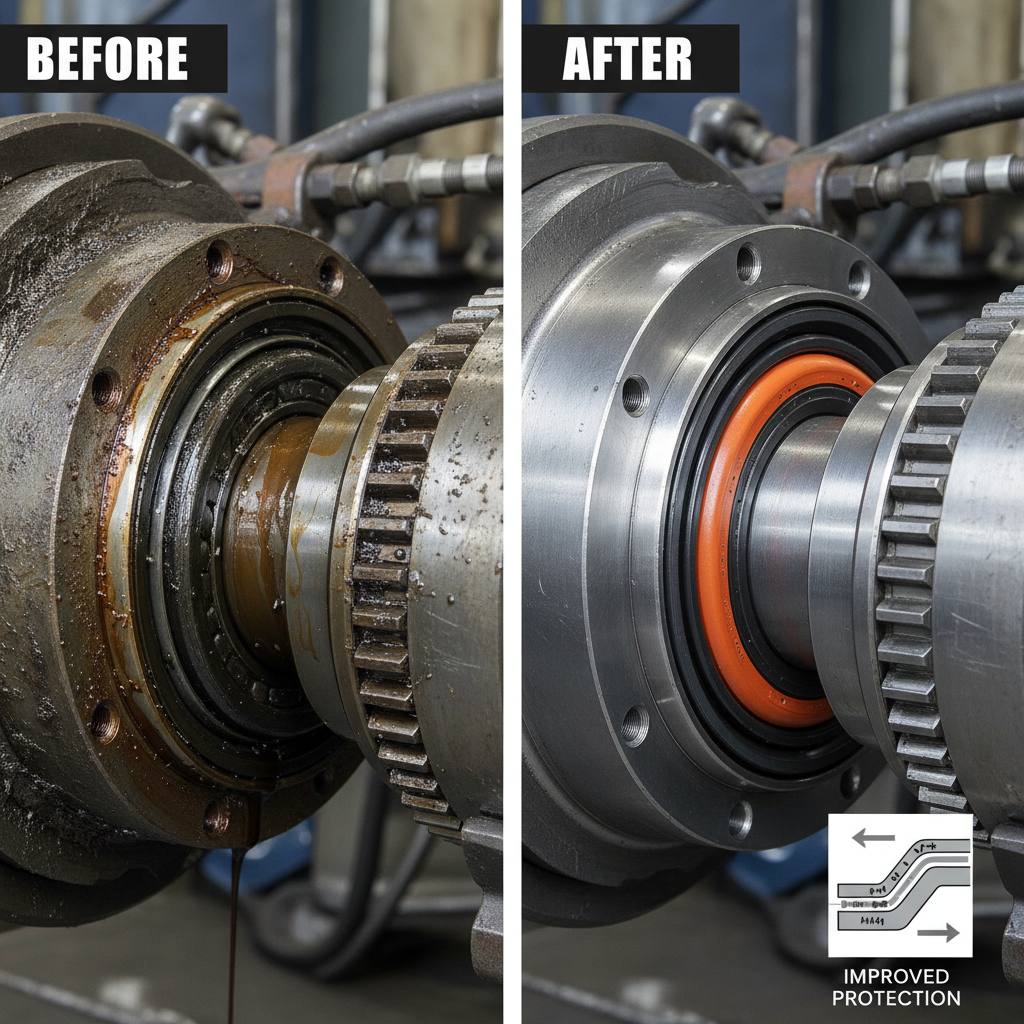
Oil seals are consumable components and cannot be repaired. Once the sealing lip has worn down or the elastomer has cracked, the only solution is a full replacement. Attempting to use sealants or "stop-leak" additives is generally a temporary fix that can sometimes damage other internal transmission components.
A visual inspection should be performed during every oil change or scheduled service. Check for "sweating" (a thin film of oil) around the shaft exits. If you notice a visible drip or a drop in transmission fluid levels between services, it's time to have the oil seal matic professionally inspected and likely replaced.
The garter spring maintains a consistent radial force against the shaft. Because rubber elastomers naturally relax over time and under heat, the spring ensures that the lip remains in constant contact with the shaft surface, preventing leaks even as the material ages or as the shaft experiences slight vibrations during operation.
Conclusion
The oil seal matic stands as a small but indispensable component in the complex architecture of automotive transmissions. By combining advanced material science—such as the use of FKM and PTFE—with precision mechanical design, these seals ensure that lubrication is maintained and contaminants are excluded. From improving fuel efficiency via friction reduction to preventing environmental pollution through leak prevention, the impact of a high-quality seal is felt across the entire lifecycle of a vehicle.
Looking forward, the evolution of the oil seal matic will be defined by the needs of electric mobility and the integration of smart monitoring technologies. As the industry moves toward a more sustainable and digital future, prioritizing the quality of sealing components will remain the most effective way to ensure vehicle reliability and safety. For those seeking the highest standards in automotive sealing, visiting our expertise at www.huimaooilseal.com is the first step toward optimized performance.