Hydraulic oil seals are critical components in countless machines and systems across the globe, preventing leakage and maintaining pressure within hydraulic systems. These seemingly simple components underpin the function of everything from heavy construction equipment and aircraft control systems to industrial machinery and automotive brakes. Understanding the principles, applications, and evolving technologies surrounding hydraulic oil seals is paramount for ensuring operational efficiency, safety, and longevity of these crucial systems. The global market for hydraulic seals is substantial and growing, driven by industrialization, infrastructure development, and technological advancements.
The increasing demand for hydraulic systems necessitates robust and reliable sealing solutions. Failure of these seals can lead to costly downtime, environmental hazards, and potentially dangerous operating conditions. Consequently, continuous innovation in materials, designs, and manufacturing processes is crucial to meeting the ever-increasing performance demands. The ability to select the right hydraulic oil seals for specific applications is a specialized skill, and the implications of poor selection can be significant.
This article delves into the multifaceted world of hydraulic oil seals, providing a comprehensive overview of their definition, key characteristics, global applications, and future trends. We will explore the advantages of employing high-quality seals and examine the challenges faced by manufacturers and end-users alike, ultimately highlighting the importance of this often-overlooked but vital engineering component.
Introduction to hydraulic oil seals
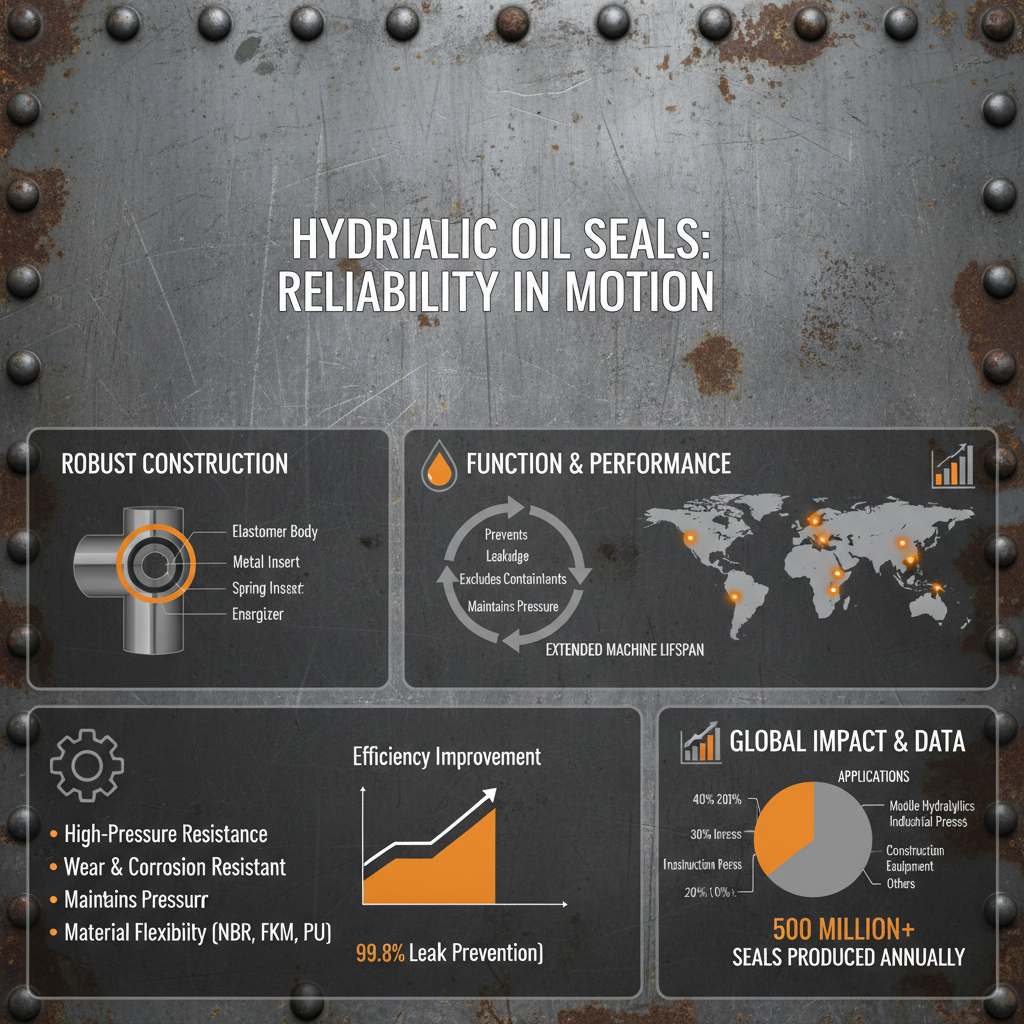
Hydraulic oil seals serve as the crucial barrier preventing the escape of hydraulic fluid from a system while simultaneously excluding contaminants. They are essential for maintaining system pressure, efficiency, and overall functionality. Without effective seals, hydraulic systems would quickly lose performance and become prone to failure. These components are designed to withstand high pressures, temperatures, and abrasive conditions, making them a critical investment for long-term reliability.
The selection of appropriate hydraulic oil seals depends on several factors, including the type of fluid used, the operating pressure and temperature, the speed of the hydraulic cylinder, and the potential for contamination. Different seal materials, such as nitrile rubber, Viton, polyurethane, and PTFE, offer varying levels of resistance to these factors. Choosing the wrong material can lead to premature seal failure and costly repairs.
Global Relevance and Industry Context
The global demand for hydraulic systems is closely tied to economic growth, particularly in sectors such as construction, manufacturing, agriculture, and transportation. According to a report by Market Research Future, the global hydraulic systems market is projected to reach USD 112.87 billion by 2030, growing at a CAGR of 5.6% from 2022 to 2030. This growth directly translates into a greater need for reliable and high-performing hydraulic oil seals.
The automotive industry represents a significant consumer of hydraulic seals, particularly in braking systems, power steering, and transmission systems. As vehicle production increases globally, so too does the demand for these components. Moreover, the increasing adoption of electric and hybrid vehicles, which often utilize hydraulic systems for specific functions, further drives the market for advanced sealing solutions.
Challenges in the hydraulic seal industry stem from increasingly demanding performance requirements, stricter environmental regulations, and the need for cost optimization. Manufacturers are constantly seeking innovative materials and designs to meet these challenges and provide customers with superior sealing solutions that enhance efficiency and reduce downtime.
Defining Hydraulic Oil Seals
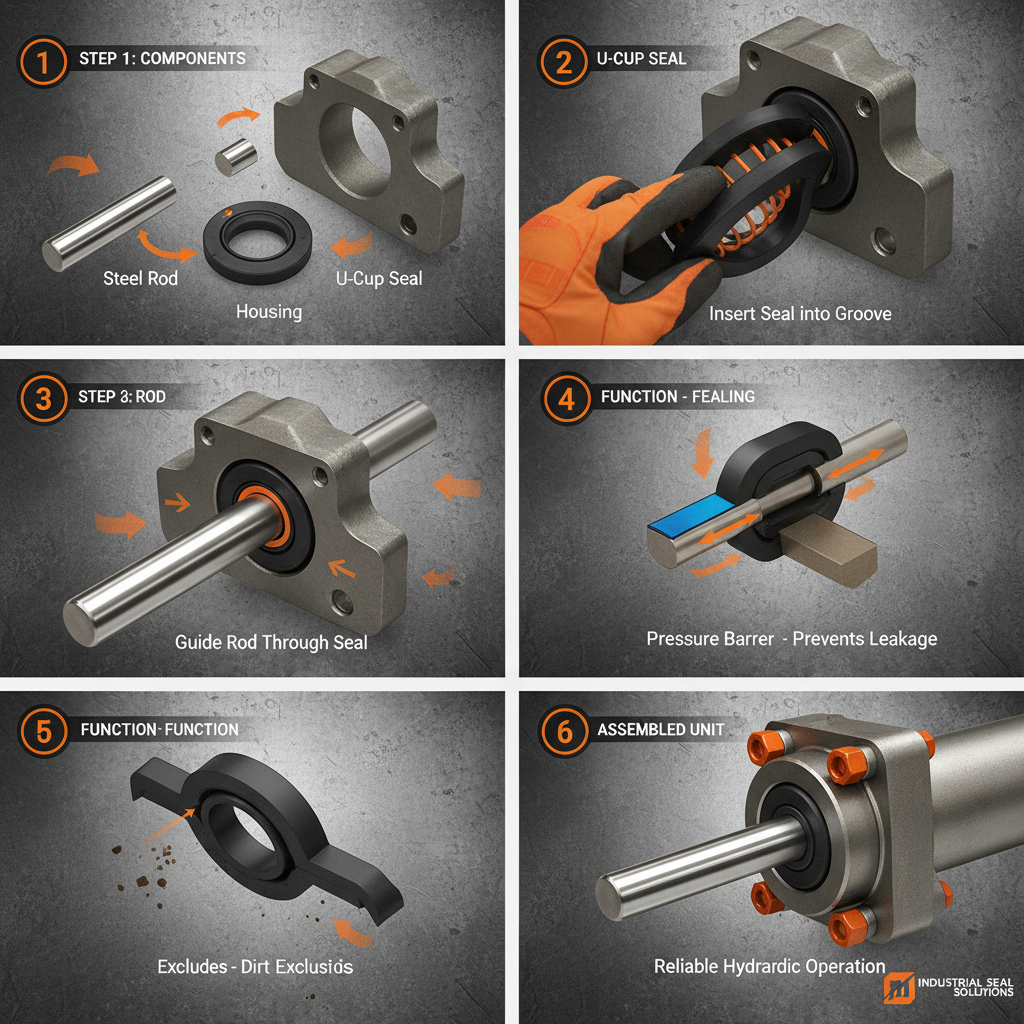
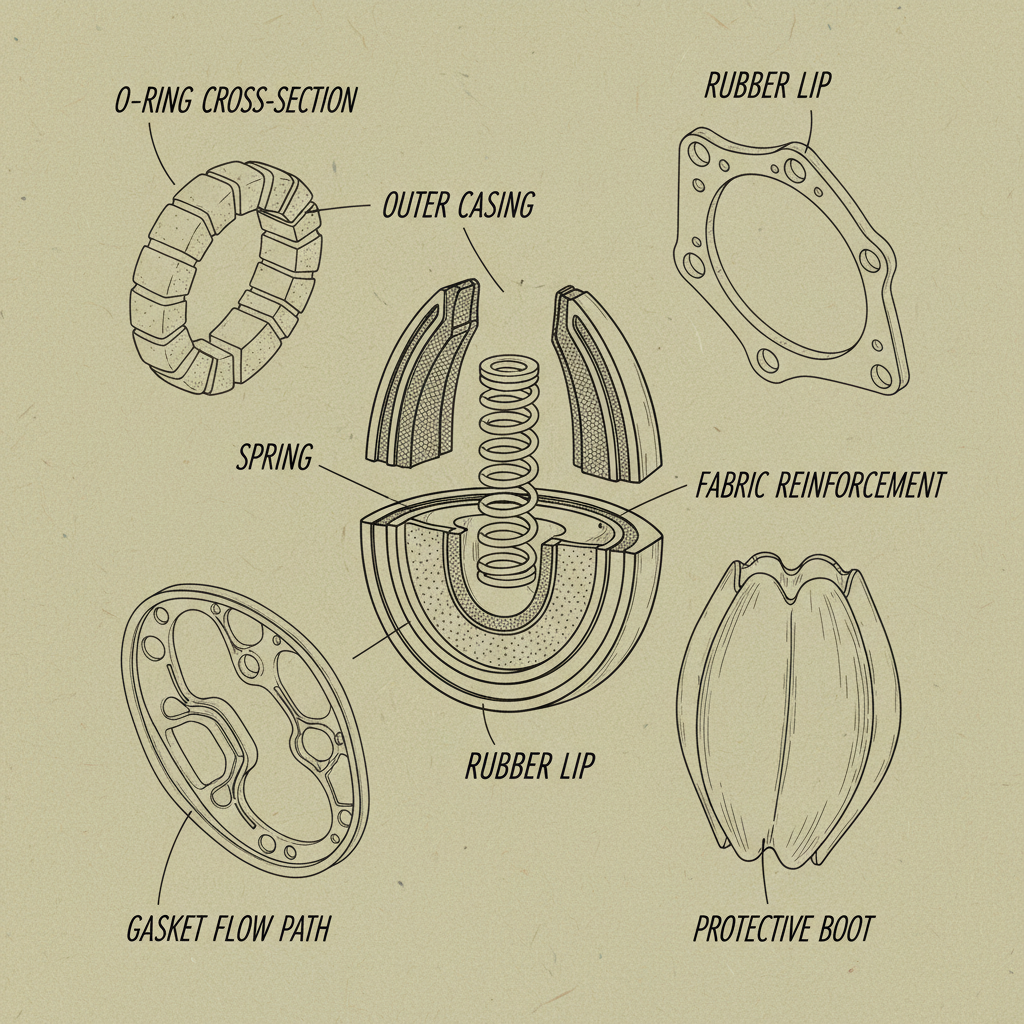
In its simplest form, a hydraulic oil seal is a mechanical component designed to prevent the leakage of hydraulic fluid from a system while simultaneously preventing the ingress of contaminants such as dirt, dust, and moisture. These seals are typically installed in grooves machined into the housing or cylinder of a hydraulic system, creating a tight and reliable barrier.
The function of hydraulic oil seals is fundamental to the operation of countless machines. They are not merely passive barriers; they actively contribute to system efficiency by maintaining pressure, preventing fluid loss, and protecting sensitive components from damage. A well-designed and properly installed seal ensures optimal performance and extends the lifespan of the hydraulic system.
Hydraulic seals are deeply connected to modern industry and infrastructure. From the operation of heavy machinery in construction and mining to the precise control systems in aerospace and robotics, these seals are indispensable. Without them, the reliable and efficient functioning of these critical systems would be impossible. They are, therefore, a cornerstone of modern engineering.
Key Factors in Hydraulic Oil Seal Performance
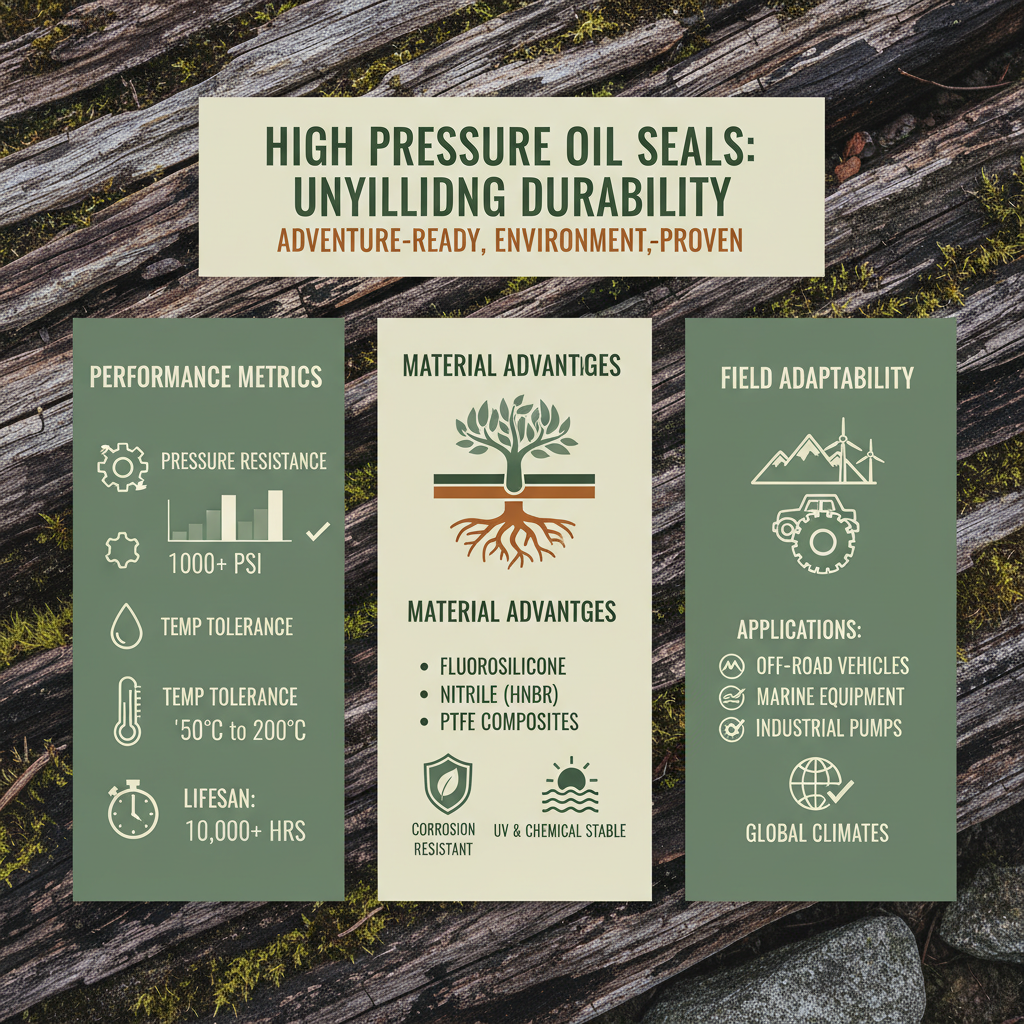
Several key factors determine the performance and longevity of a hydraulic oil seal. Durability is paramount, as seals are often subjected to harsh operating conditions, including high pressures, temperatures, and abrasive fluids. The material composition and design of the seal play a critical role in its ability to withstand these stresses.
Compatibility with Hydraulic Fluid is another crucial aspect. The seal material must be resistant to swelling, shrinking, or degradation when exposed to the specific hydraulic fluid being used. Incompatibility can lead to seal failure and system malfunction. Static and Dynamic Friction are also vital; the seal needs to maintain a tight seal without creating excessive friction, which can reduce efficiency and generate heat.
Hydraulic Oil Seal Performance Metrics
Global Applications and Use Cases
Hydraulic oil seals find extensive applications across diverse industries worldwide. In the construction sector, they are vital components of excavators, bulldozers, and cranes, ensuring the reliable operation of hydraulic cylinders and motors. Similarly, in the agricultural industry, they are used in tractors, harvesters, and irrigation systems, contributing to efficient farming practices.
The manufacturing sector relies heavily on hydraulic systems for tasks such as metal forming, injection molding, and automated assembly lines. Hydraulic oil seals are essential for maintaining the precision and reliability of these processes. In remote industrial zones, where access to maintenance and replacement parts can be limited, the use of high-quality, long-lasting seals is particularly crucial.
Advantages and Long-Term Value
Employing high-quality hydraulic oil seals offers significant advantages, starting with reduced downtime and maintenance costs. Reliable seals minimize the risk of leaks and system failures, preventing costly repairs and production interruptions. Furthermore, they contribute to enhanced safety by preventing hydraulic fluid from escaping and creating potential hazards.
From a sustainability perspective, durable seals reduce the consumption of hydraulic fluid, minimizing environmental impact and promoting responsible resource management. The long-term value of investing in high-performance seals extends beyond cost savings; it fosters trust and reliability, enhancing the reputation of manufacturers and operators alike.
Future Trends and Innovations
The future of hydraulic oil seals is intertwined with emerging technologies and sustainability concerns. Research and development efforts are focused on developing new materials that offer improved resistance to extreme temperatures, pressures, and corrosive fluids. The integration of nanotechnology into seal materials promises to enhance their wear resistance and sealing performance.
Digitalization is also playing a role, with the development of smart seals that incorporate sensors to monitor seal health and predict potential failures. This predictive maintenance capability allows for proactive replacement of seals before they cause system downtime. Additionally, the demand for eco-friendly seals made from biodegradable or recycled materials is growing, driven by increasing environmental awareness.
Automation in manufacturing processes is driving the need for seals that can withstand faster cycle times and higher operating pressures. These advancements will ensure that hydraulic systems remain a vital part of modern industry for years to come.
FAQS
When selecting a hydraulic oil seal, carefully consider the operating pressure, temperature range, hydraulic fluid compatibility, and the type of motion (static or dynamic). The material of the seal is also crucial—Nitrile rubber is common for petroleum-based fluids, while Viton is preferable for higher temperatures and synthetic fluids. Properly assessing these factors will ensure optimal performance and longevity.
The replacement frequency of hydraulic oil seals depends heavily on operating conditions and seal quality. Generally, seals should be inspected regularly for signs of wear, such as cracks, swelling, or loss of elasticity. As a preventative measure, seals should be replaced during routine maintenance schedules, typically every 1-3 years, or sooner if experiencing performance issues.
Common causes of hydraulic oil seal failure include incompatibility with the hydraulic fluid, excessive temperature, high pressure, contamination, and improper installation. Also, wear and tear over time, exposure to abrasive particles, and exceeding the seal's pressure limits contribute to failure. Regular maintenance and proper seal selection can mitigate these issues.
A lip seal typically consists of a flexible lip that contacts the shaft or housing to create a seal, offering a robust barrier against leakage. An O-ring is a simple circular seal that relies on compression to create a seal between two surfaces. Lip seals are better suited for dynamic applications with higher pressures, while O-rings are often used in static or low-pressure applications.
Proper installation is crucial for optimal seal performance. Ensure the sealing surface is clean and free of debris, and apply a thin layer of lubricant compatible with the hydraulic fluid. Use the correct installation tool to avoid damaging the seal, and carefully seat the seal into its groove, ensuring a tight and even fit.
PTFE (Polytetrafluoroethylene) hydraulic oil seals offer exceptional chemical resistance, a wide temperature range, and a very low coefficient of friction. They are ideal for demanding applications involving aggressive fluids or extreme conditions. While typically more expensive, PTFE seals offer superior performance and longevity in challenging environments.
Conclusion
In conclusion, hydraulic oil seals are indispensable components in a vast array of industrial and commercial applications. Their ability to prevent leakage, maintain pressure, and protect hydraulic systems from contamination is paramount to operational efficiency, safety, and reliability. Understanding the various types of seals, their material properties, and proper installation techniques is crucial for ensuring optimal performance and minimizing downtime.
Looking ahead, the evolution of hydraulic seal technology will continue to be driven by the demand for improved performance, sustainability, and integration with smart manufacturing practices. By embracing innovation and prioritizing quality, manufacturers and operators can unlock the full potential of hydraulic systems and contribute to a more efficient and reliable future. Visit our website at www.huimaooilseal.com to explore our comprehensive range of hydraulic oil seals and find the perfect solution for your specific needs.