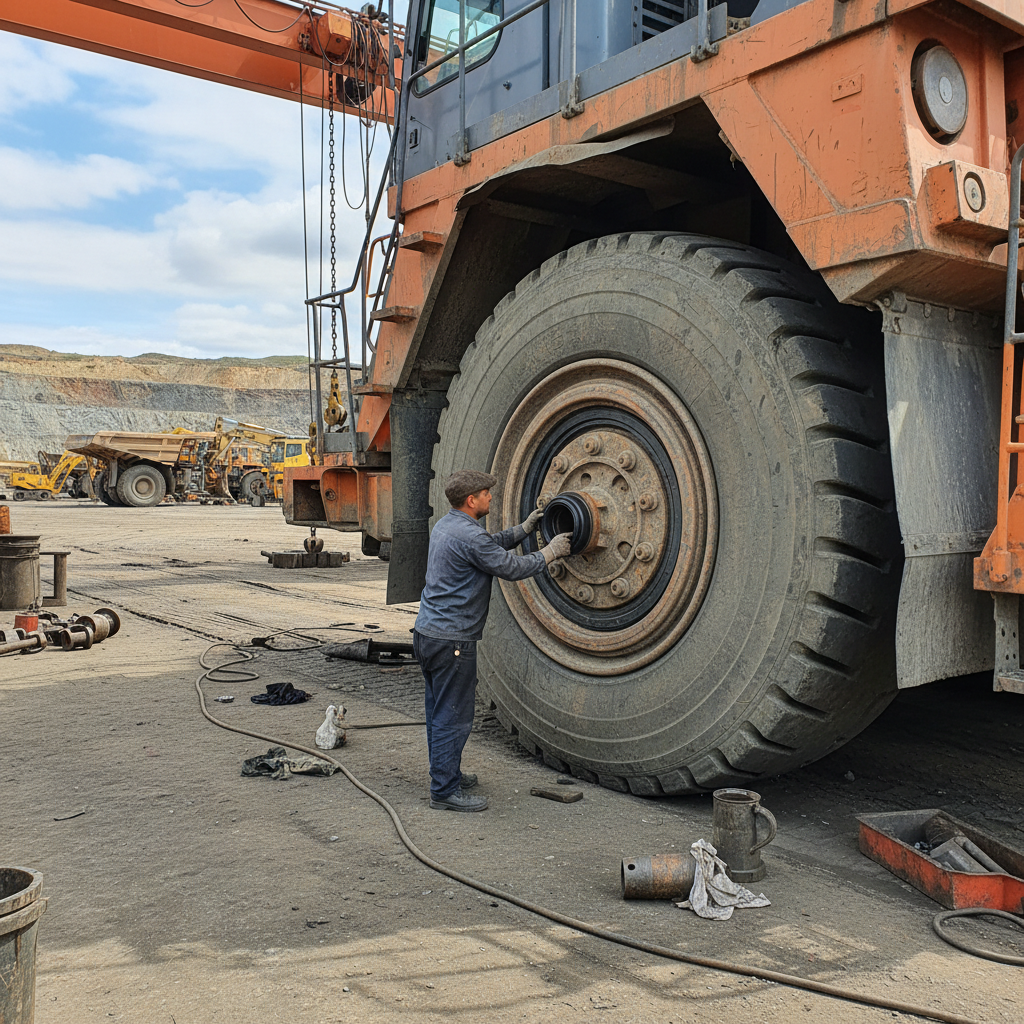
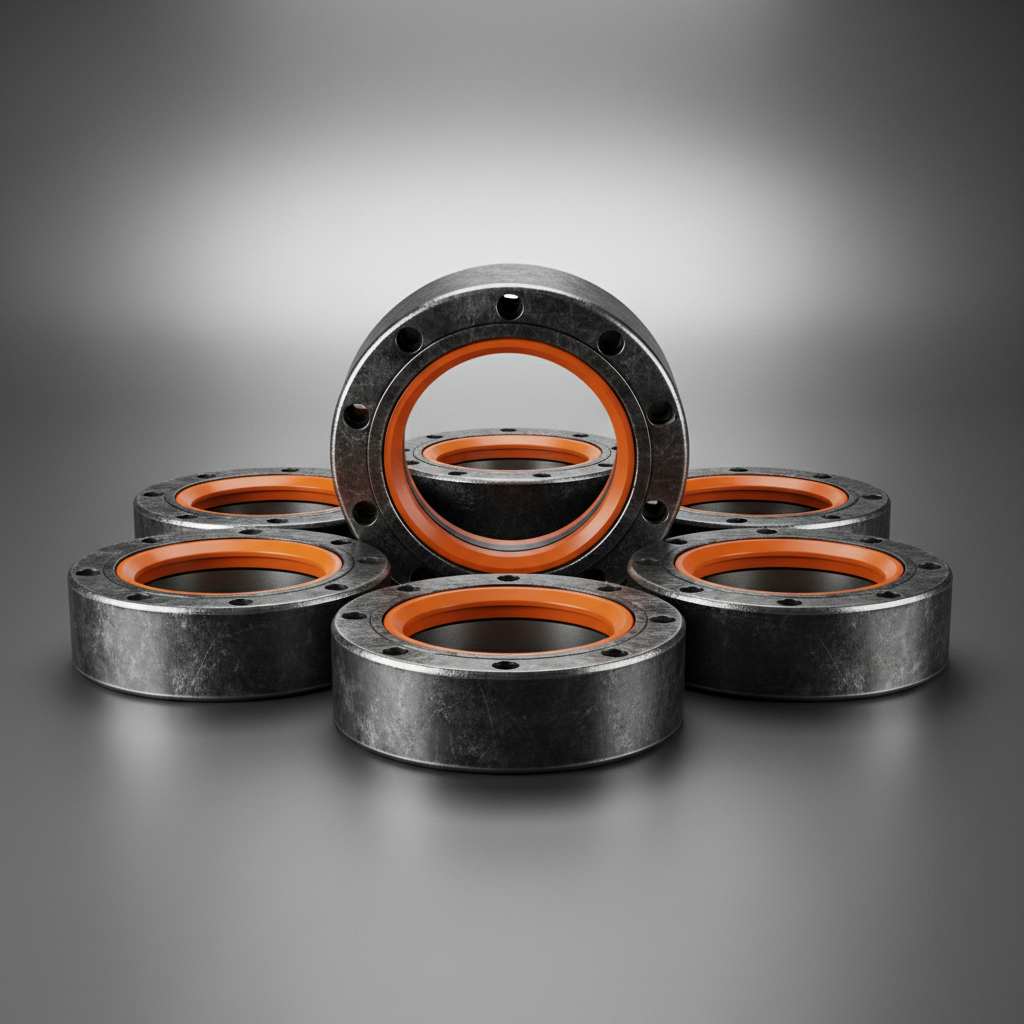
The front wheel oil seal is a critical component in automotive engineering, ensuring the reliable operation of a vehicle’s wheel bearings. These seals prevent the leakage of lubricant and keep contaminants like water, dirt, and debris out, safeguarding the integrity of the bearing and preventing premature failure. Understanding the intricacies of front wheel oil seals is paramount for automotive technicians, manufacturers, and enthusiasts alike, directly impacting vehicle safety, performance, and longevity. A properly functioning front wheel oil seal translates to a smoother, safer, and more efficient driving experience.
Globally, the automotive industry is a massive economic driver, with millions of vehicles manufactured and maintained annually. The demand for high-quality automotive components, including front wheel oil seals, is therefore consistently high. According to Statista, the global automotive aftermarket was valued at over $420 billion in 2022, and is projected to continue growing. The increasing complexity of modern vehicles, alongside a growing emphasis on preventative maintenance, directly fuels the demand for reliable sealing solutions.
The need for durable and effective front wheel oil seals is further underscored by the rising number of vehicles on the road and the increasing distances travelled. Failures in wheel bearings, often directly linked to seal degradation, can lead to costly repairs, safety hazards, and vehicle downtime. This necessitates continuous innovation and improvement in seal design, materials, and manufacturing processes.
Introduction to Front Wheel Oil Seals
The foundation of a smooth and safe driving experience often lies in components that work silently behind the scenes. The front wheel oil seal is one such critical element. It’s a relatively small part, but its impact on the vehicle’s overall performance and longevity is substantial. Proper sealing prevents lubricant loss, contamination, and ultimately, costly repairs.
These seals are subjected to harsh conditions: high speeds, varying temperatures, and potential exposure to road debris. As such, selecting a high-quality front wheel oil seal is not just a matter of maintenance, but a crucial safety consideration. Understanding their function and the factors that influence their performance is essential for both automotive professionals and vehicle owners.
Defining the Front Wheel Oil Seal
A front wheel oil seal, fundamentally, is a mechanical component designed to prevent the leakage of fluids – typically lubricating grease – from the wheel bearing assembly. Simultaneously, it protects the bearing from the ingress of contaminants like dirt, water, and road salts. It achieves this through a combination of precision engineering and carefully selected materials.
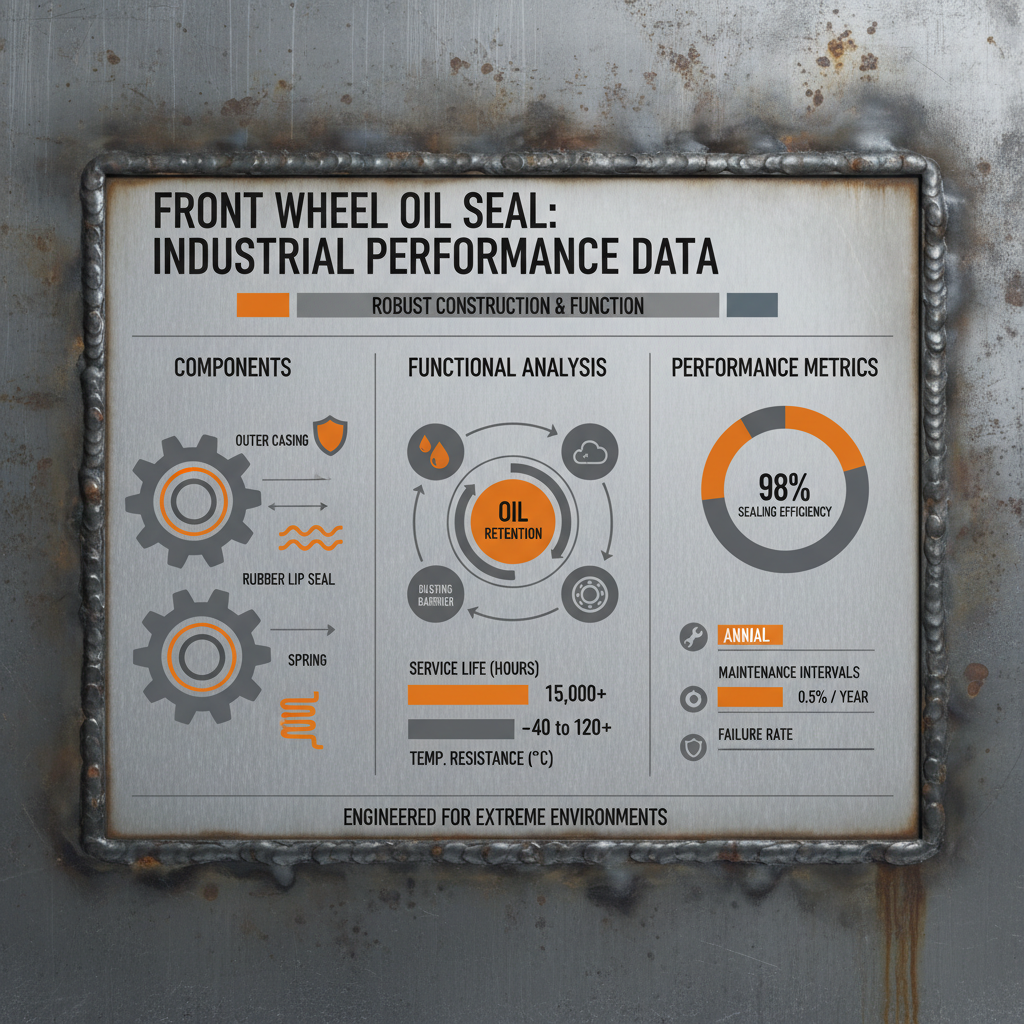
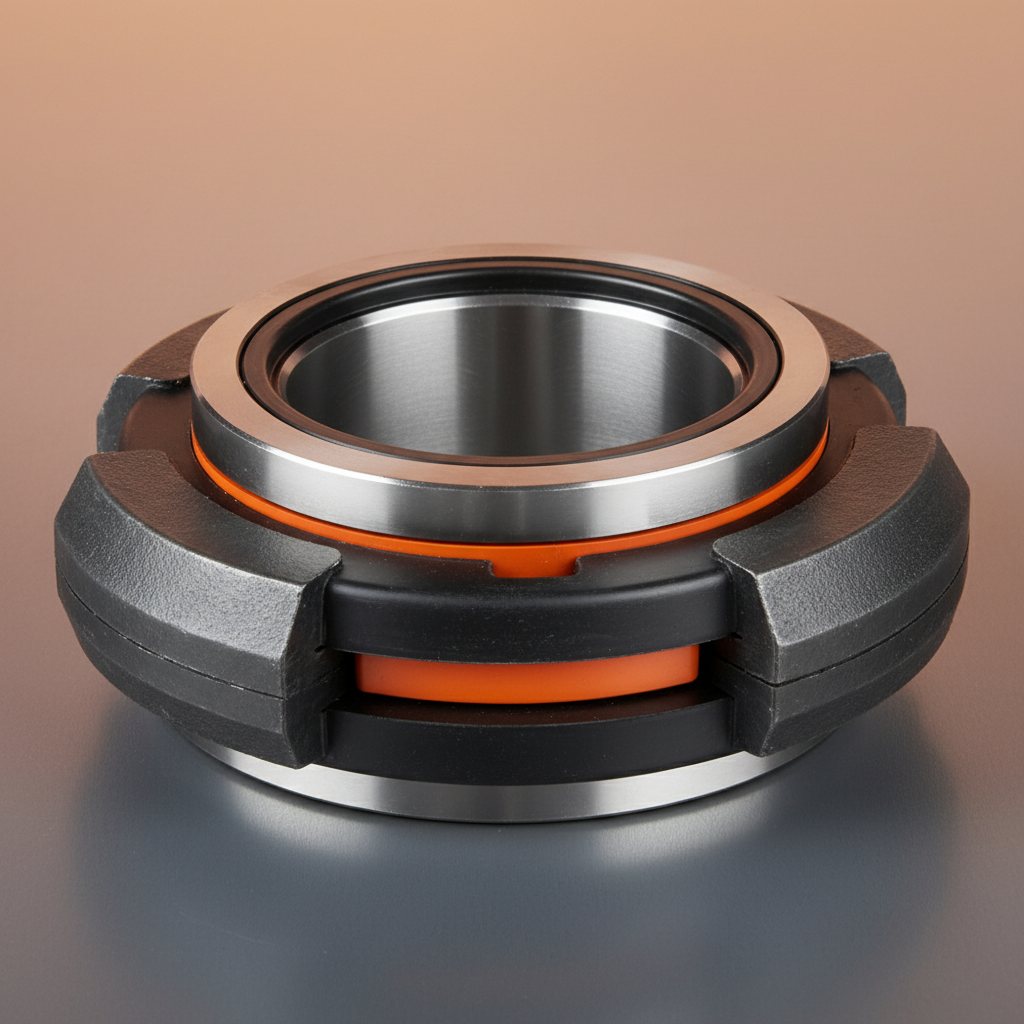
The seal typically consists of a housing, a sealing lip (often made of rubber or a synthetic elastomer), a spring, and a metal reinforcement case. The sealing lip is pressed against the rotating axle shaft, creating a tight barrier. The spring maintains the lip’s tension and ensures consistent contact, while the metal case provides structural support and prevents deformation.
In modern automotive applications, the front wheel oil seal isn't simply a passive barrier. It’s an integrated part of the wheel bearing system, contributing to overall efficiency and reliability. Its proper functioning is integral to the longevity and smooth operation of the entire drivetrain, directly impacting the vehicle’s performance and safety.
Key Characteristics of Effective Seals
Durability is paramount. An effective front wheel oil seal must withstand continuous rotation, exposure to extreme temperatures, and the pressures generated by vehicle operation. Material selection plays a vital role in achieving this durability, with nitrile rubber, silicone, and polyurethane being common choices.
Another critical characteristic is low friction. Excessive friction between the sealing lip and the axle shaft generates heat and accelerates wear. Seals are often designed with specialized coatings or lip profiles to minimize friction and maximize efficiency. Properly designed seals contribute to fuel efficiency and reduced operating temperatures.
Compatibility with lubricants is also essential. The seal material must be resistant to degradation when exposed to the specific type of grease used in the wheel bearing. Incompatibility can lead to swelling, cracking, or loss of sealing properties, resulting in premature failure of the front wheel oil seal.
Performance Metrics for Front Wheel Oil Seals
Evaluating the performance of a front wheel oil seal requires considering several key metrics. Leakage rate is a primary indicator, measuring the amount of lubricant that escapes the bearing assembly over a given period. Lower leakage rates equate to greater seal effectiveness and longer bearing life.
Friction coefficient is another important parameter. As mentioned earlier, minimizing friction reduces heat generation and improves efficiency. Seal manufacturers typically specify a maximum acceptable friction coefficient for their products.
Front Wheel Oil Seal Performance Comparison
Global Applications and Industry Impact
Front wheel oil seals are universally employed in vehicles utilizing front-wheel drive, all-wheel drive, and even some rear-wheel drive configurations where wheel bearings are present. This includes passenger cars, light trucks, SUVs, and commercial vehicles across all major automotive markets – North America, Europe, Asia, and beyond.
The automotive manufacturing industry is the primary consumer of these seals, with major automakers relying on specialized suppliers to meet their stringent quality and performance requirements. Beyond manufacturing, a significant aftermarket demand exists for replacement seals, driven by routine maintenance and repair needs. This supports a vast network of automotive parts distributors, repair shops, and independent mechanics.
The Advantages of Quality Oil Seals
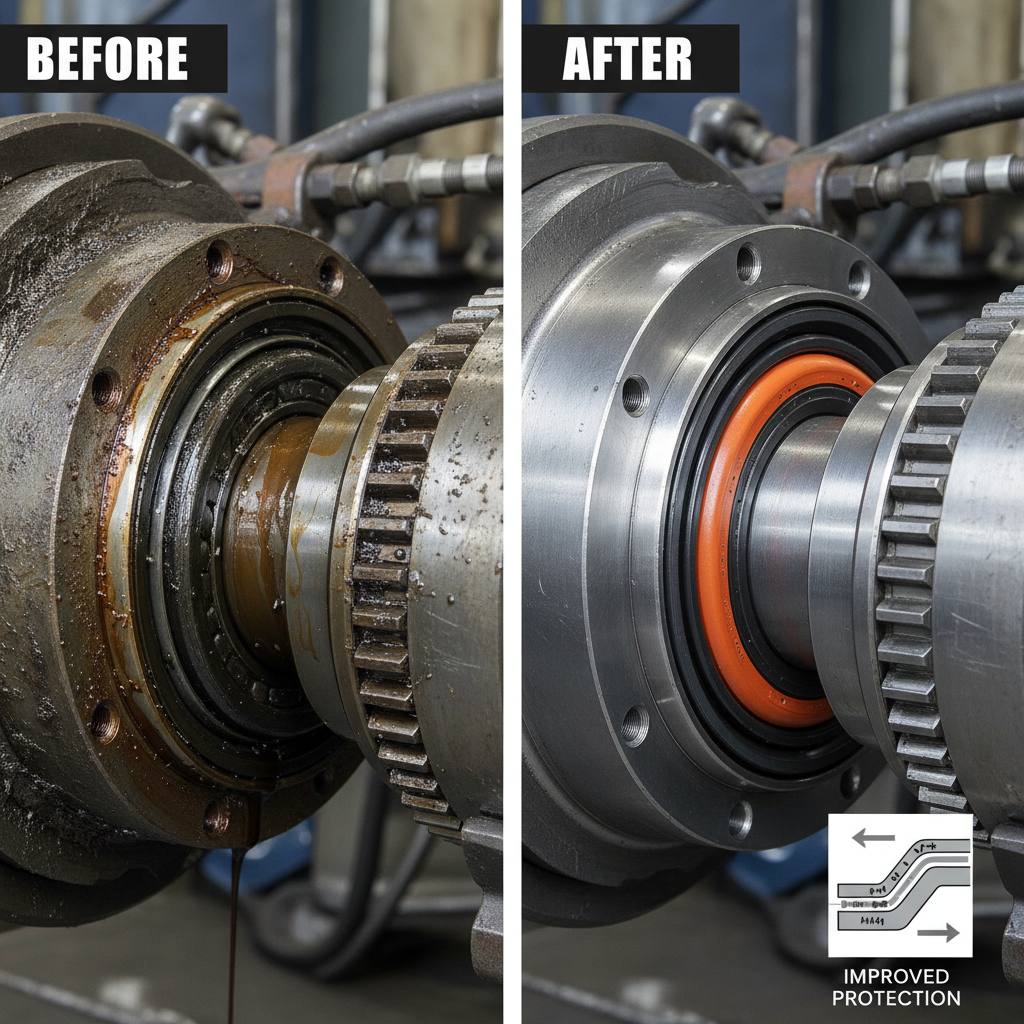
Investing in high-quality front wheel oil seals offers a multitude of benefits. Reduced maintenance costs are a primary advantage. Durable seals minimize the frequency of replacements, saving both time and money. Improved vehicle safety is another crucial benefit – a failed seal can lead to bearing failure and potential loss of wheel control.
Furthermore, premium seals enhance fuel efficiency by reducing friction within the wheel bearing assembly. This contributes to lower emissions and a more sustainable driving experience. The overall reliability of the vehicle is also significantly improved, minimizing the risk of unexpected breakdowns and costly repairs.
Using quality front wheel oil seal also builds trust and confidence for vehicle owners, knowing that critical components are performing optimally and protecting their investment.
Future Trends and Innovations
The future of front wheel oil seal technology is focused on several key areas. Advanced materials research is yielding seals with improved heat resistance, chemical compatibility, and wear resistance. The development of self-lubricating seals is also gaining traction, reducing the need for external lubrication and simplifying maintenance.
Digital integration, through the use of sensors embedded within the seal, is another emerging trend. These sensors can monitor seal performance in real-time, providing valuable data on bearing health and predicting potential failures. This predictive maintenance capability will revolutionize automotive service and enhance vehicle safety.
Sustainability is also a growing concern, with manufacturers exploring the use of eco-friendly materials and manufacturing processes to minimize the environmental impact of seal production and disposal.
Future Trends and Innovations
The future of front wheel oil seal technology is focused on several key areas. Advanced materials research is yielding seals with improved heat resistance, chemical compatibility, and wear resistance. The development of self-lubricating seals is also gaining traction, reducing the need for external lubrication and simplifying maintenance.
Digital integration, through the use of sensors embedded within the seal, is another emerging trend. These sensors can monitor seal performance in real-time, providing valuable data on bearing health and predicting potential failures. This predictive maintenance capability will revolutionize automotive service and enhance vehicle safety.
Sustainability is also a growing concern, with manufacturers exploring the use of eco-friendly materials and manufacturing processes to minimize the environmental impact of seal production and disposal.
A Summary of Front Wheel Oil Seal Challenges and Solutions
| Challenge |
Impact on Seal Performance |
Potential Solution |
Implementation Cost (1-10) |
| High Operating Temperatures |
Reduced Seal Material Lifespan, Leakage |
Heat-Resistant Elastomers, Improved Ventilation |
6 |
| Contaminant Ingress |
Abrasive Wear, Seal Failure |
Advanced Seal Designs, Protective Shields |
7 |
| Axle Surface Finish |
Increased Friction, Reduced Seal Life |
Precision Axle Machining, Seal Coatings |
5 |
| Improper Installation |
Premature Failure, Leakage |
Improved Installation Tools, Training |
4 |
| Material Degradation |
Loss of Elasticity, Cracking |
UV-Resistant Elastomers, Antioxidants |
8 |
| Dynamic Seal Distortion |
Intermittent Leakage, Reduced Effectiveness |
Reinforced Seal Housing, Optimized Lip Design |
6 |
FAQS
The lifespan of a front wheel oil seal varies depending on driving conditions, vehicle maintenance, and seal quality. Generally, a well-maintained seal can last between 50,000 and 100,000 miles. However, frequent exposure to harsh conditions like off-roading, extreme temperatures, or prolonged periods of inactivity can significantly shorten its lifespan. Regular inspection during wheel bearing service is recommended.
Common symptoms include grease leaking from the wheel hub, a humming or grinding noise emanating from the wheel area (especially during turns), and wheel bearing play. In some cases, a failing seal can lead to ABS sensor issues. If you notice any of these symptoms, it's crucial to have your vehicle inspected by a qualified mechanic immediately.
Replacing a front wheel oil seal requires specialized tools and a good understanding of automotive mechanics. While it's technically possible for a DIY enthusiast, it’s often best left to professionals. Improper installation can lead to further damage to the wheel bearing and hub assembly. It generally necessitates hub disassembly and specialized seal drivers.
Front wheel oil seals are commonly constructed from nitrile rubber (NBR), silicone rubber (VMQ), or polyurethane (PU). NBR is a versatile and cost-effective option, while silicone offers superior heat resistance. Polyurethane provides excellent wear resistance and durability. The ideal material depends on the specific application and operating conditions.
It’s critical to select a seal that is specifically designed for your vehicle’s make, model, and year. Check your vehicle's service manual or consult with a reputable automotive parts supplier. Ensure the seal dimensions and material compatibility match your vehicle’s requirements. Using the wrong seal can lead to premature failure and costly repairs.
Regular wheel bearing maintenance, including lubrication and inspection, is crucial. Avoid driving through deep water or excessive debris. Ensure proper wheel alignment to prevent uneven wear. Address any wheel bearing noise or play promptly to prevent further damage. Quality front wheel oil seal installation also helps.
Conclusion
The front wheel oil seal, though often overlooked, is an indispensable component for ensuring vehicle safety, reliability, and longevity. Understanding its function, characteristics, and potential failure points is critical for both automotive professionals and vehicle owners. Investing in quality seals, coupled with regular maintenance, translates to reduced repair costs, improved fuel efficiency, and a smoother driving experience.
As automotive technology continues to evolve, innovations in materials, design, and digital integration will further enhance the performance and reliability of front wheel oil seals. Embracing these advancements will be crucial for meeting the demands of modern vehicles and ensuring a sustainable future for the automotive industry. Visit our website to explore our extensive range of front wheel oil seal solutions: www.huimaooilseal.com.