0%

Table of Contents

Bearing oil seals are critical components in a vast range of machinery, ensuring the effective containment of lubricants and prevention of contaminants. Their importance spans industries from automotive and aerospace to manufacturing and energy production. Understanding the principles and applications of a bearing oil seal is paramount for optimizing equipment performance, minimizing downtime, and reducing maintenance costs. These seals play a vital role in global industrial efficiency and sustainability.

Globally, the demand for high-quality bearing oil seals is increasing, driven by factors such as industrialization, infrastructure development, and a growing focus on reliability and energy efficiency. According to industry reports, the global oil seal market is projected to reach significant growth in the coming years, with a particular emphasis on specialized seals for harsh environments and advanced applications. This growing demand underlines the essential role these seals play in maintaining the functionality of countless systems worldwide.

The widespread adoption of bearing oil seal technology is largely due to its effectiveness in preventing lubricant leakage and protecting sensitive components from external contaminants. This simple yet ingenious design contributes to a reduction in environmental pollution, extends the lifespan of machinery, and enhances operational safety. Essentially, the bearing oil seal is a cornerstone of modern industrial operation, underpinning both economic progress and responsible environmental stewardship.
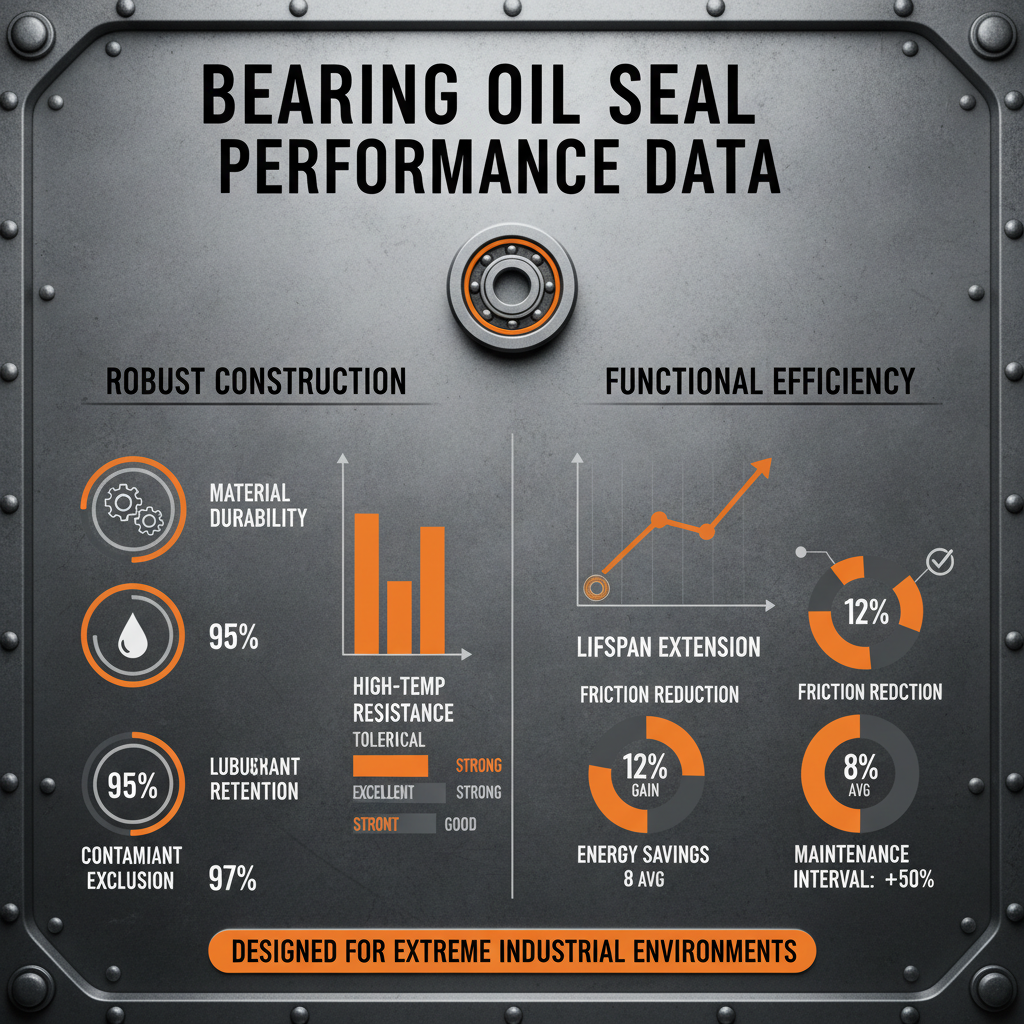
The Critical Role of Bearing Oil Seals in Global Industrial Applications

Introduction: Global or Industry Context

Bearing oil seals are integral to the functioning of a diverse range of mechanical systems worldwide. Their necessity isn't confined to specific regions or industries; rather, they are a fundamental component in maintaining operational efficiency across the globe. From the automotive industry, where they prevent oil leakage in engines and transmissions, to aerospace applications demanding high-reliability sealing solutions, the demand for these seals is consistently high. The increasing focus on reducing energy consumption and minimizing environmental impact further drives the need for advanced bearing oil seal technologies.

The global oil seal market is estimated to be worth billions of dollars and is projected to experience continued growth in the coming years. Data from organizations like the United Nations and the World Bank highlights the correlation between industrial development and the demand for reliable sealing solutions. Furthermore, ISO standards concerning quality and performance contribute to the rigorous requirements placed on manufacturers of these critical components. This robust market reflects the essential role of bearing oil seals in sustaining modern industrial activity.

A significant challenge addressed by effective bearing oil seal design is the prevention of equipment failure due to lubricant loss or contamination. This issue results in substantial economic losses globally, through costly repairs, production downtime, and environmental damage. Improving seal technology is therefore vital, not only for operational efficiency, but also for sustainability and environmental protection, making it a crucial area of ongoing research and development.

Definition & Meaning

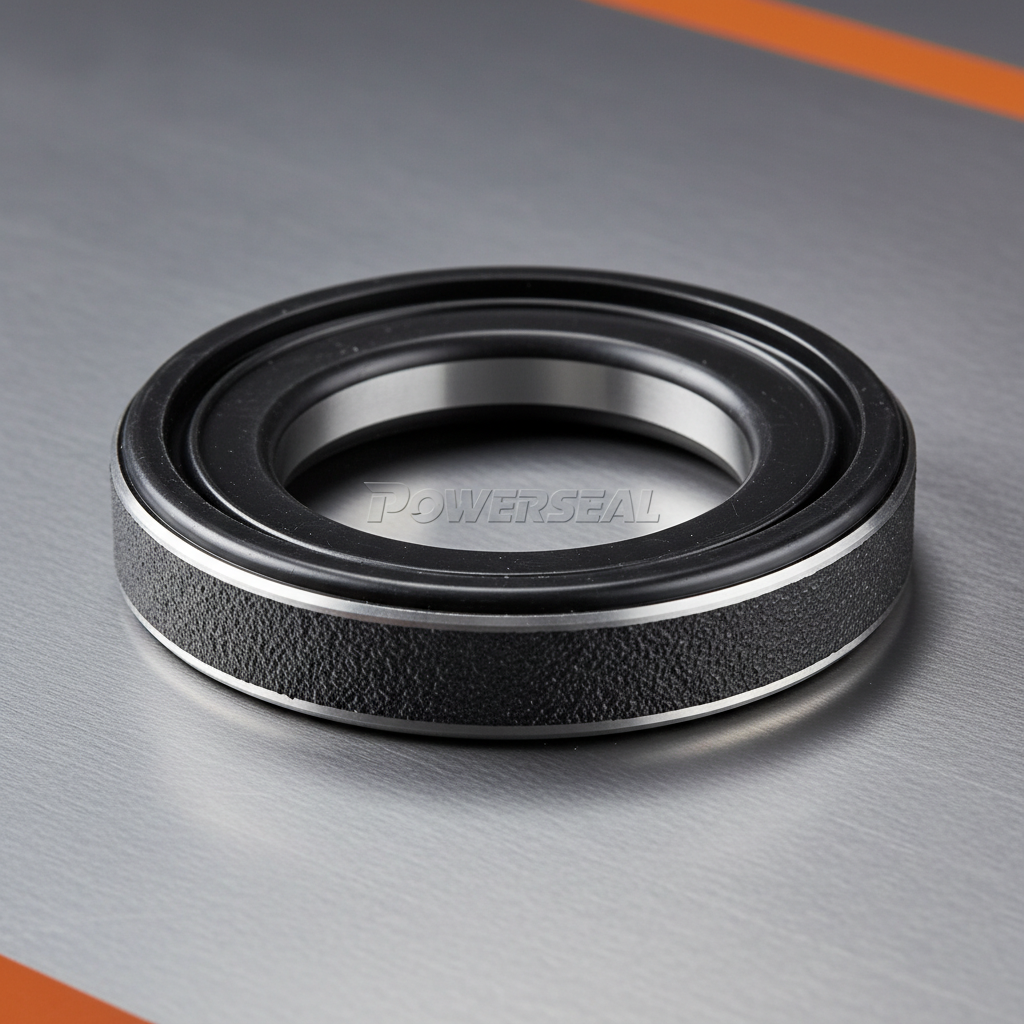
A bearing oil seal, in its simplest terms, is a mechanical component designed to prevent the leakage of fluids (typically oil) from a bearing or other rotating component, while simultaneously preventing the ingress of contaminants like dust, dirt, and moisture. It acts as a barrier, maintaining the integrity of the lubricating environment crucial for smooth and efficient operation. This often involves a flexible sealing lip that makes contact with a rotating shaft or housing.

The connection to modern industry is undeniable. Without effective bearing oil seals, the complex machinery powering our world—from vehicles and manufacturing equipment to power plants and wind turbines—would rapidly degrade, leading to frequent breakdowns, increased maintenance costs, and reduced productivity. The reliability of countless processes hinges on the ability of these seals to perform their function consistently.

More broadly, bearing oil seals underpin humanitarian needs by enabling the reliable operation of essential infrastructure. Water pumps, generators, and medical equipment all rely on sealed bearings to function correctly. In developing regions and disaster relief efforts, the availability of dependable machinery, supported by effective bearing oil seal technology, is often a critical factor in providing basic necessities and restoring functionality.

Key Factors or Core Components

Durability: A key characteristic of a high-quality bearing oil seal is its ability to withstand prolonged use under challenging conditions. This includes resistance to abrasion, temperature extremes, and chemical exposure. Durable seals translate into reduced maintenance frequency and lower long-term operating costs.

Material Compatibility: The material used in a bearing oil seal must be compatible with the lubricant being sealed and the operating environment. Different materials, such as nitrile rubber, Viton, and silicone, offer varying levels of resistance to specific fluids and temperatures. Selecting the correct material is essential for ensuring seal longevity and performance.

Global Applications & Use Cases

Bearing oil seals find widespread application in the automotive industry, where they are essential for sealing engines, transmissions, and wheel bearings. In the aerospace sector, they are used in aircraft engines, landing gear, and control systems, where reliability is paramount. Manufacturing facilities rely on these seals in a wide range of machinery, including pumps, compressors, and gearboxes.

In regions with extensive agricultural operations, bearing oil seals are critical for maintaining the functionality of farm machinery, such as tractors, harvesters, and irrigation systems. Similarly, in remote industrial zones like mining operations and oil & gas facilities, where equipment operates in harsh environments, durable and reliable seals are essential for preventing downtime and ensuring operational safety.

Even in post-disaster relief operations, the reliability of generators, water pumps, and other essential equipment depends heavily on the proper functioning of their bearing oil seal. Access to clean water and power is vital in such situations, and these seemingly small components play a surprisingly large role in ensuring the success of relief efforts.

Advantages & Long-Term Value

The advantages of using high-quality bearing oil seals are numerous. Cost savings are achieved through reduced lubricant consumption, minimized downtime for repairs, and extended equipment lifespan. Sustainability is enhanced by preventing oil leaks and reducing environmental contamination. The long-term value stems from the increased reliability and efficiency of machinery.

From an emotional standpoint, the reliability offered by superior bearing oil seal technology provides peace of mind, knowing that critical equipment is protected and less likely to fail. Logically, this translates into increased productivity, reduced risk of accidents, and enhanced operational safety, fostering trust in the equipment and the overall system.

Future Trends & Innovations

Several emerging trends are shaping the future of bearing oil seal technology. The development of new materials with improved resistance to harsh chemicals and extreme temperatures is ongoing. Digital integration, such as incorporating sensors into seals to monitor their condition and predict potential failures, is gaining traction. Automation in the manufacturing process is also improving seal quality and reducing production costs.

The growing emphasis on sustainability is driving the development of eco-friendly seals made from biodegradable materials. Furthermore, the increasing adoption of green energy technologies, such as wind turbines and electric vehicles, necessitates specialized sealing solutions capable of operating reliably under unique conditions. These innovations are poised to significantly enhance the performance and longevity of bearing oil seal in the years to come.

Challenges & Solutions

A common challenge in bearing oil seal applications is dealing with high shaft speeds and temperatures, which can lead to premature seal failure. Another challenge is selecting the appropriate seal material for specific fluids and environments. Contamination from abrasive particles can also significantly reduce seal life.

Innovative solutions to these challenges include the development of advanced sealing materials, such as fluoropolymers and ceramic composites. Improved seal designs, incorporating features like enhanced lubrication and optimized lip geometry, can also enhance performance. The use of filtration systems to remove contaminants from the lubricant is another effective strategy.

Expert insights into seal selection, installation, and maintenance are crucial for maximizing their lifespan and ensuring optimal performance. Regular inspection and proactive replacement of worn seals can prevent costly downtime and equipment failures, ultimately contributing to a more efficient and reliable operation.

FAQS

What are the key material options for a bearing oil seal, and how do I choose the right one?

Selecting the correct material is crucial. Nitrile rubber is common for general oil applications, offering good resistance at a reasonable cost. Viton (FKM) provides superior heat and chemical resistance, ideal for harsh environments. Silicone offers excellent temperature range but lower abrasion resistance. Consider the fluid type, temperature, and operating conditions when making your choice. Consulting a seal specialist can ensure optimal material selection for your specific application.

How do I properly install a bearing oil seal to prevent premature failure?

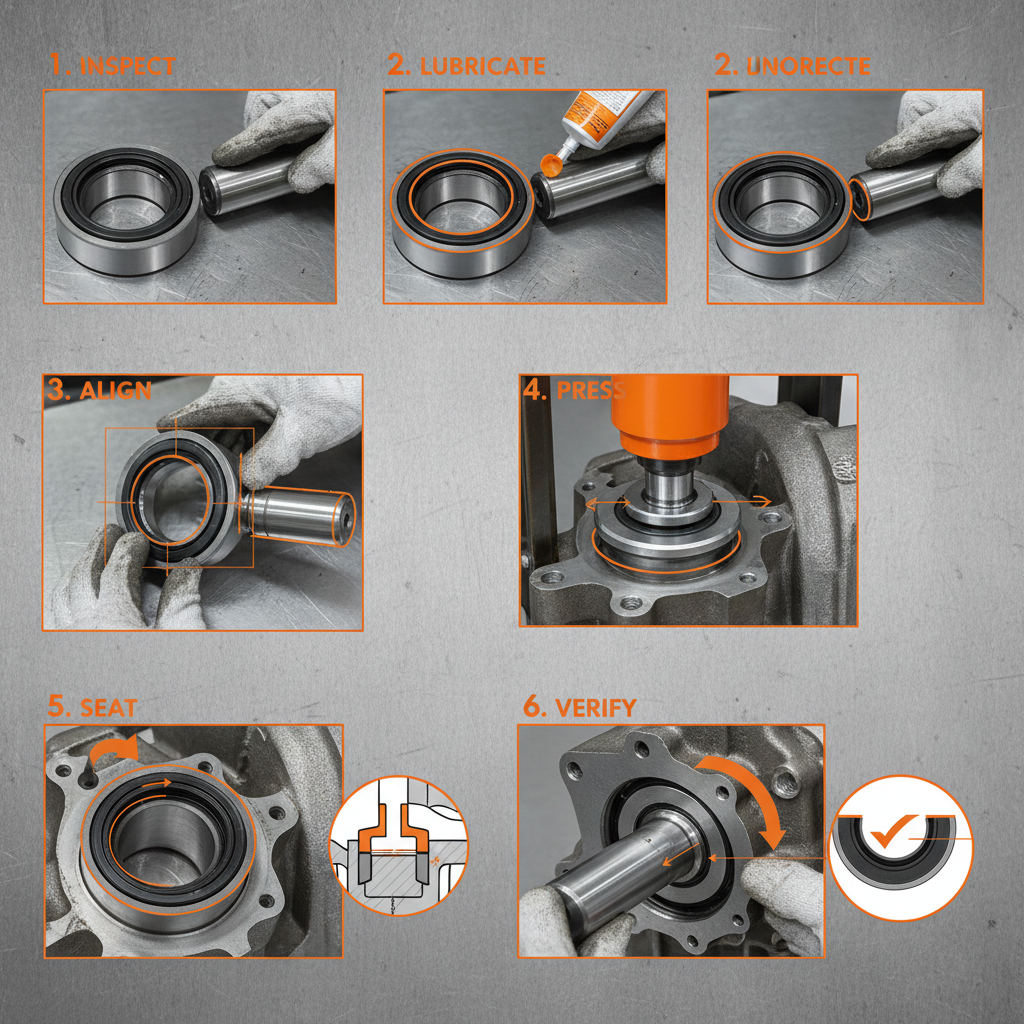
Proper installation is vital. Ensure the sealing surface is clean and free of burrs or damage. Use the correct installation tool to avoid damaging the seal lip. Apply a thin layer of lubricant to the seal lip before installation. Be careful not to over-stretch the seal during installation. Incorrect installation can lead to leaks and reduced seal life.

What is the lifespan of a typical bearing oil seal, and how can I extend it?

The lifespan varies depending on operating conditions. A typical seal might last several years under ideal conditions, but can fail much sooner in harsh environments. Extending lifespan involves proper installation, regular lubrication, filtration to remove contaminants, and avoiding excessive temperatures or pressures. Proactive maintenance and inspection are key.

What are the signs that a bearing oil seal needs to be replaced?

Common signs include visible oil leaks, reduced lubricant levels, increased operating temperatures, and unusual noises from the bearing. If you notice any of these symptoms, it's important to inspect the seal and replace it if necessary. Ignoring these signs can lead to more serious damage to the equipment.

Are there specific seals designed for high-speed applications?

Yes, specialized high-speed seals are designed to handle the increased centrifugal forces and heat generated at high rotational speeds. These seals often feature enhanced lip designs, optimized materials, and advanced lubrication features to maintain effective sealing performance under demanding conditions. Proper selection is critical for reliable operation.

How can I find the correct size and type of bearing oil seal for my application?

Accurate measurements of the shaft diameter, housing bore, and seal width are essential. Consult a seal manufacturer's catalog or online resources to identify the correct seal based on these dimensions and the application requirements. Providing detailed information about the operating environment and fluid type will ensure you receive the most appropriate recommendation.

Conclusion

In conclusion, the bearing oil seal is a deceptively simple yet profoundly important component across a vast array of industries. Its ability to prevent leakage, protect against contamination, and contribute to the reliable operation of machinery makes it an indispensable element of modern technology. From the automotive and aerospace sectors to manufacturing and energy production, the benefits are clear: reduced costs, increased efficiency, and enhanced safety.

Looking ahead, continued innovation in materials, designs, and integration with digital technologies promises to further enhance the performance and longevity of bearing oil seal. Proactive maintenance, proper selection, and a deep understanding of their critical role are essential for maximizing their value. For superior sealing solutions, visit our website today: www.huimaooilseal.com

Michael Thompson

Michael Thompson

Michael Thompson is a Product Development Manager at Xingtai Huimao Trading Co., Ltd. He is responsible for expanding our product line and adapting to evolving market demands. Michael specializes in identifying emerging trends in automotive parts, particularly in areas like engine components and body parts. He collaborates closely with engineers
Previous The Critical Role of Steering Rack Oil Seal in Automotive Systems and Safety
Next Optimizing Industrial Performance with Reliable Valve Oil Seal Technology