0%

Table of Contents

Valve oil seals are critical components in numerous industrial applications, playing a vital role in maintaining the efficiency and longevity of machinery. These seals prevent leakage of lubricants, like oil, while simultaneously keeping contaminants out, safeguarding sensitive parts from damage. Their importance extends globally, impacting industries from automotive and aerospace to manufacturing and energy production. Understanding the nuances of valve oil seal technology is therefore crucial for professionals and businesses aiming for optimized performance and reduced operational costs.

The global market for valve oil seals is substantial, driven by the continuous growth of industrial sectors worldwide. According to recent reports, the industrial seals market, which includes valve oil seals, is projected to reach billions of dollars in the coming years. This growth is fueled by increasing demand for reliable sealing solutions in various applications, coupled with advancements in materials science and manufacturing techniques. A significant challenge addressed by improved valve oil seal designs is minimizing environmental impact through reduced oil leakage.

Ultimately, effective valve oil seals contribute to a safer and more sustainable industrial landscape. By preventing lubricant loss, they reduce the risk of equipment failure and environmental contamination, aligning with global initiatives focused on resource conservation and responsible manufacturing practices. Investing in high-quality valve oil seal solutions translates to tangible benefits for businesses and the environment alike.
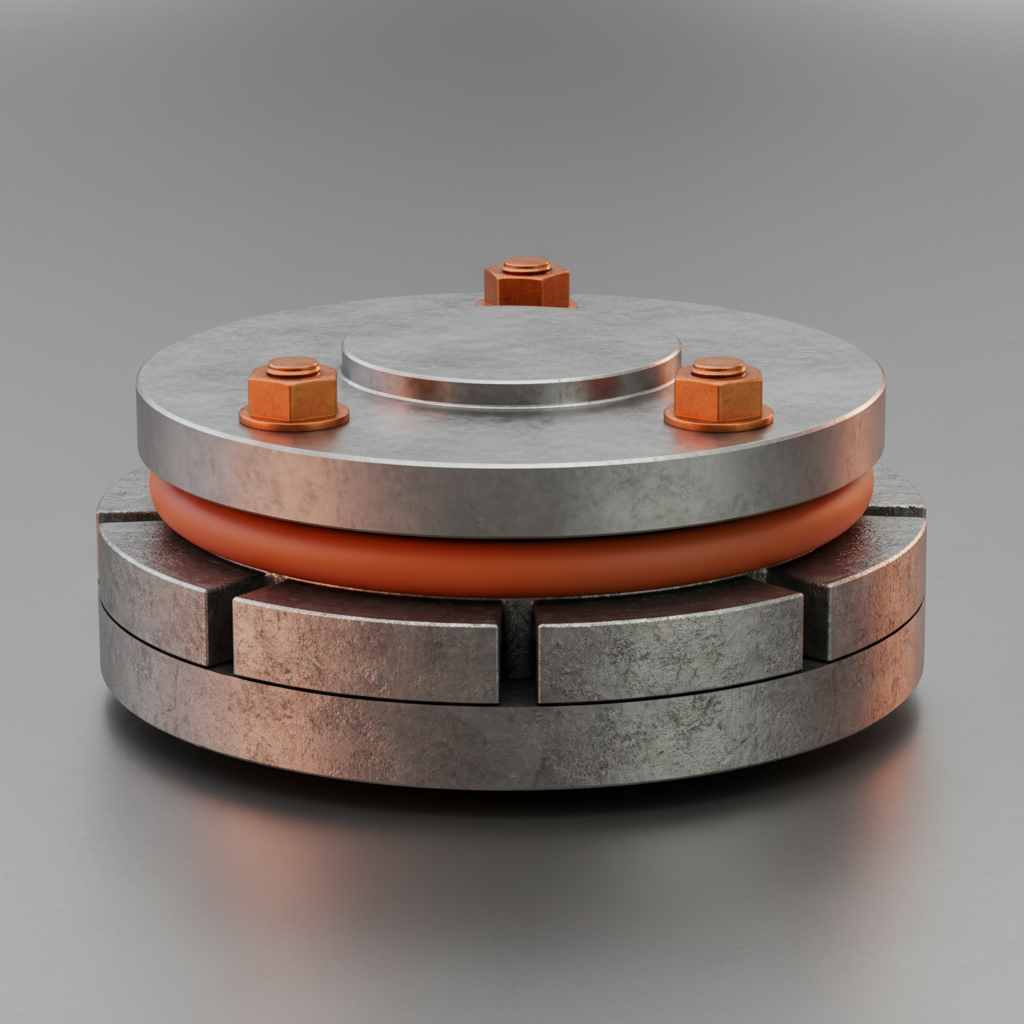
Optimizing Industrial Performance with Reliable Valve Oil Seal Technology

Introduction to Valve Oil Seals

Optimizing Industrial Performance with Reliable Valve Oil Seal Technology

Valve oil seals act as a critical barrier within internal combustion engines and hydraulic systems, preventing the unwanted flow of oil past valve stems and guides. Their primary function is to maintain proper lubrication while protecting vital engine components from damage caused by excessive oil consumption or contamination. Without effective valve oil seals, engine efficiency suffers, emissions increase, and the risk of catastrophic failure rises. valve oil seal technology has seen remarkable advancements over the years.

The design and materials used in valve oil seals directly impact their performance and lifespan. Factors like temperature resistance, material compatibility with various oils, and the ability to withstand constant friction are crucial considerations. Modern valve oil seals are engineered to provide a robust and reliable seal even under extreme operating conditions, ensuring optimal engine performance and longevity.

Defining Valve Oil Seals

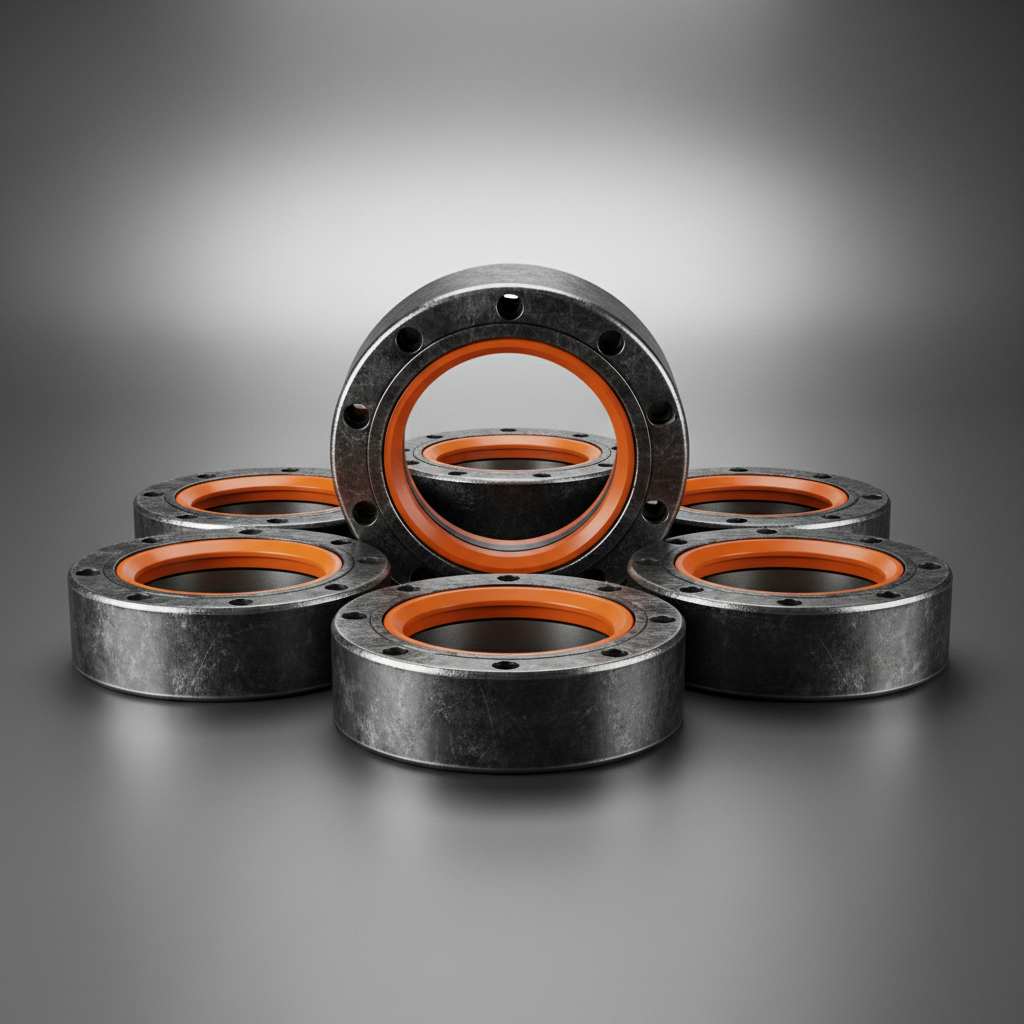
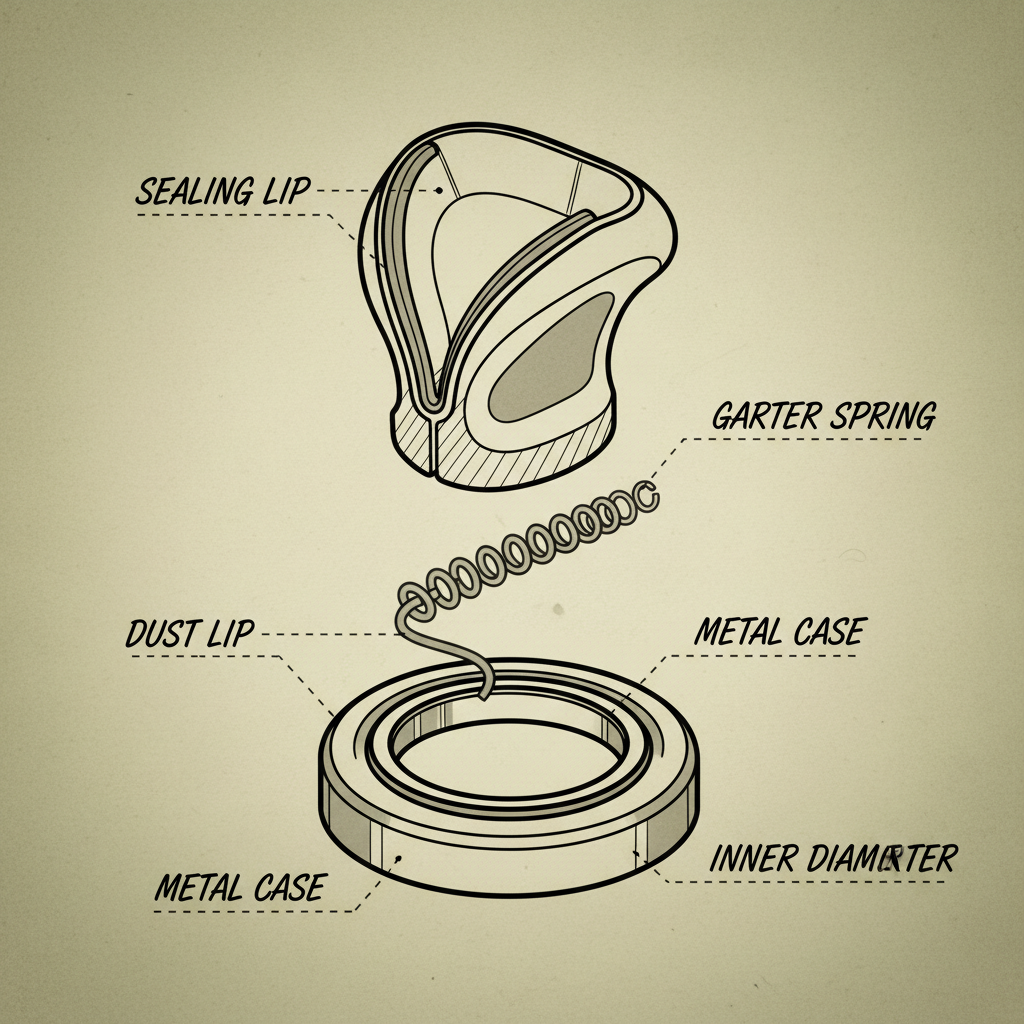
A valve oil seal is a mechanical component designed to create a tight seal between a valve stem and its guide, preventing oil leakage. Typically, these seals are constructed from materials like nitrile rubber, fluorocarbon rubber (Viton), or silicone, chosen for their resistance to oil, heat, and wear. They operate by compressing against the valve stem, forming a barrier that maintains oil pressure within the engine.

In modern industry, the reliable functioning of valve oil seals is inextricably linked to the efficient operation of complex machinery. In automotive applications, for example, they are essential for maintaining optimal engine performance and reducing harmful emissions. Their application extends beyond automobiles to include a vast range of industrial equipment reliant on hydraulic or lubrication systems.

The evolution of valve oil seal design reflects a continuous pursuit of improved sealing capabilities and extended service life. Early seals were often prone to premature wear and leakage, leading to costly repairs and downtime. Today’s advanced seals incorporate innovative designs and materials to overcome these limitations, contributing to increased reliability and reduced maintenance requirements.

Key Factors Influencing Valve Oil Seal Performance

Material Compatibility: The material of the valve oil seal must be compatible with the type of oil being used in the system. Incompatibility can lead to swelling, degradation, or cracking of the seal, resulting in leakage. Ensuring proper material selection is fundamental to long-term seal performance.

Temperature Resistance: Valve oil seals are often exposed to high temperatures within the engine or hydraulic system. The seal material must maintain its integrity and sealing properties at these elevated temperatures to prevent deformation or failure.

Dimensional Accuracy: Precise dimensions are crucial for ensuring a proper fit between the seal, valve stem, and guide. Even slight deviations can compromise the sealing performance and lead to oil leakage. High-precision manufacturing processes are therefore essential.

Global Applications of Valve Oil Seals

Valve oil seals are ubiquitous across a multitude of industries. The automotive sector remains the largest consumer, with seals essential for internal combustion engines, transmissions, and hydraulic braking systems. Beyond automotive, they are vital in aerospace applications, ensuring the reliable operation of aircraft engines and hydraulic control systems.

In manufacturing, valve oil seals are used extensively in hydraulic presses, injection molding machines, and other heavy-duty equipment. The energy sector also relies heavily on these seals for pumps, compressors, and other critical machinery. Furthermore, their applications extend to agricultural equipment, marine engines, and even specialized medical devices.

Specifically, in remote industrial zones like oil rigs and mining operations, the reliability of valve oil seals is paramount, as downtime can be exceptionally costly. In post-disaster relief operations, maintaining functional machinery often depends on the integrity of these seemingly small, yet vital components. The need for durable and dependable valve oil seal solutions is therefore a global concern.

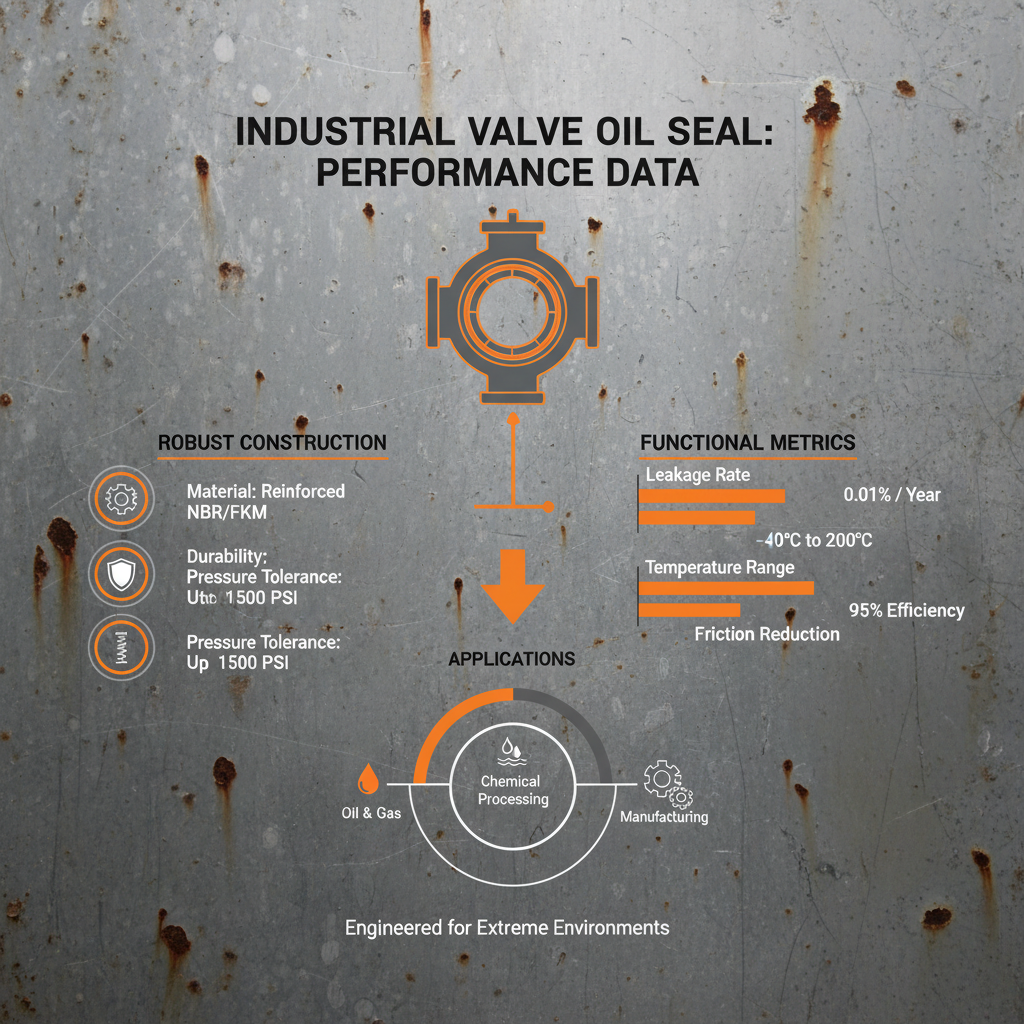
Valve Oil Seal Performance Comparison


Advantages and Long-Term Value

Investing in high-quality valve oil seals yields significant long-term benefits. Reduced oil consumption translates directly to cost savings, as less frequent oil changes are required. Improved engine efficiency also contributes to fuel savings, further enhancing the economic value. The reliability of these seals directly impacts equipment uptime, minimizing costly downtime and production losses.

From a sustainability perspective, preventing oil leakage minimizes environmental contamination, contributing to responsible industrial practices. The enhanced safety profile, resulting from reduced risk of equipment failure, adds another layer of value. Ultimately, utilizing superior valve oil seal solutions fosters trust and confidence in equipment performance.

Future Trends and Innovations

The future of valve oil seal technology is poised for innovation, driven by advancements in materials science and manufacturing processes. Research into new polymer materials with enhanced temperature resistance, chemical compatibility, and wear resistance is ongoing. The development of self-lubricating seals is also gaining traction, promising reduced friction and extended service life.

Digital transformation and automation are playing an increasingly important role in seal manufacturing, enabling greater precision and quality control. Smart seals, incorporating sensors to monitor performance and predict potential failures, are also emerging as a potential future trend. Sustainable materials and eco-friendly manufacturing processes will also be critical in meeting evolving environmental regulations.

Challenges and Solutions

Despite advancements, challenges remain in valve oil seal technology. Maintaining a tight seal under extreme temperatures and pressures, particularly in high-performance engines, continues to be a significant hurdle. Wear and degradation over time can also lead to leakage, necessitating periodic replacement.

Solutions involve the development of advanced materials, optimized seal designs, and improved manufacturing techniques. Surface treatments, such as coatings and polishing, can enhance wear resistance. The use of finite element analysis (FEA) and computational fluid dynamics (CFD) can optimize seal geometry and performance. Implementing rigorous quality control procedures throughout the manufacturing process is also crucial.

Addressing these challenges will require collaborative efforts between materials scientists, engineers, and manufacturers. Continued innovation and a commitment to quality are essential for ensuring the long-term reliability and performance of valve oil seals.

Summary of Valve Oil Seal Performance Factors

Seal Material Temperature Range (°C) Wear Resistance (1-10) Application Suitability
Nitrile Rubber -40 to 120 6 General purpose engines
Viton (Fluorocarbon) -20 to 200 9 High-temperature, aggressive fluids
Silicone Rubber -60 to 230 5 Extreme temperatures, food-grade applications
PTFE (Teflon) -200 to 260 8 Highly corrosive environments
Acrylic Rubber -30 to 150 7 Oil resistance, moderate temperatures
Polyurethane -40 to 130 8 High abrasion resistance

FAQS

What are the key signs that a valve oil seal needs replacing?

Several indicators suggest a valve oil seal may need replacement. These include excessive oil consumption, blue smoke from the exhaust (indicating oil burning), reduced engine performance, and noticeable oil leaks around the valve cover. Addressing these issues promptly is critical to prevent further engine damage. Regular inspections are key to identifying early signs of wear, contributing to cost savings and improved engine longevity. Ignoring these signals can lead to more significant and expensive repairs down the line. Consider consulting with a qualified mechanic for diagnosis.

What materials are commonly used in the manufacture of valve oil seals?

Valve oil seals are commonly manufactured from a variety of materials, each offering unique properties suited to different applications. Nitrile rubber is a widely used and cost-effective option for general purpose engines. Viton (fluorocarbon rubber) provides superior resistance to high temperatures and aggressive fluids. Silicone rubber is often chosen for extreme temperatures and food-grade applications. PTFE (Teflon) offers exceptional chemical resistance, and polyurethane delivers high abrasion resistance. The selection of material depends on the specific operating conditions and the type of oil being used.

How often should valve oil seals be inspected or replaced?

The frequency of valve oil seal inspection and replacement depends heavily on operating conditions and mileage. Generally, it’s recommended to inspect them during major engine service intervals, typically every 60,000 to 100,000 miles. In harsh operating environments or with high-performance engines, more frequent inspections may be necessary. If you observe any of the signs of a failing seal, such as excessive oil consumption, replacement should be considered immediately. Proactive maintenance can prevent costly engine damage.

What is the typical lifespan of a valve oil seal?

The lifespan of a valve oil seal can vary considerably based on factors like operating temperature, oil quality, and the severity of engine use. Under normal conditions, a quality valve oil seal can last for several years or tens of thousands of miles. However, in extreme environments or with prolonged use, they may need replacement sooner. Regular maintenance and the use of high-quality oil can significantly extend their lifespan. Considering the relatively low cost of replacement compared to potential engine damage, proactive replacement is often recommended.

Can a faulty valve oil seal cause catalytic converter failure?

Yes, a faulty valve oil seal can absolutely contribute to catalytic converter failure. When a seal fails, excess oil can enter the combustion chamber, leading to incomplete combustion and increased oil consumption. This excess oil can then contaminate the catalytic converter, reducing its efficiency and potentially causing it to overheat and fail. Addressing valve oil seal issues promptly can help protect the catalytic converter and avoid costly replacements.

Are there any specific tools required for installing valve oil seals?

Installing valve oil seals typically requires specialized tools to prevent damage to the seal and valve stem. A valve seal installation tool is highly recommended, as it ensures proper positioning and prevents stretching or tearing during installation. Other useful tools include a valve spring compressor, a seal removal tool (for removing old seals), and appropriate lubricants to aid installation. Proper technique and the right tools are crucial for a successful and reliable installation.

Conclusion

In conclusion, valve oil seals are indispensable components ensuring the reliable operation of countless engines and hydraulic systems globally. Their performance directly impacts efficiency, longevity, and environmental responsibility. Understanding the key factors influencing seal performance – materials, temperature resistance, and dimensional accuracy – is crucial for selecting the right seal for each application. Investing in quality valve oil seal solutions yields significant long-term benefits, from reduced maintenance costs to minimized environmental impact.

Looking ahead, continued innovation in materials science and manufacturing techniques will drive further advancements in valve oil seal technology. Embracing these advancements and prioritizing proactive maintenance are essential for maximizing equipment uptime and ensuring optimal performance. Visit our website at www.huimaooilseal.com to explore our comprehensive range of high-quality valve oil seals and find the perfect solution for your needs.

Kevin Rodriguez

Kevin Rodriguez

Kevin Rodriguez is a Sales and Marketing Manager at Xingtai Huimao Trading Co., Ltd., focusing on international markets. He has extensive experience in building and maintaining relationships with distributors and clients globally. Kevin drives revenue growth by identifying new markets and developing targeted marketing campaigns. He understands the complexities of
Previous The Critical Role of Bearing Oil Seals in Global Industrial Applications
Next Comprehensive Guide to Valve Stem Oil Seals and Engine Performance