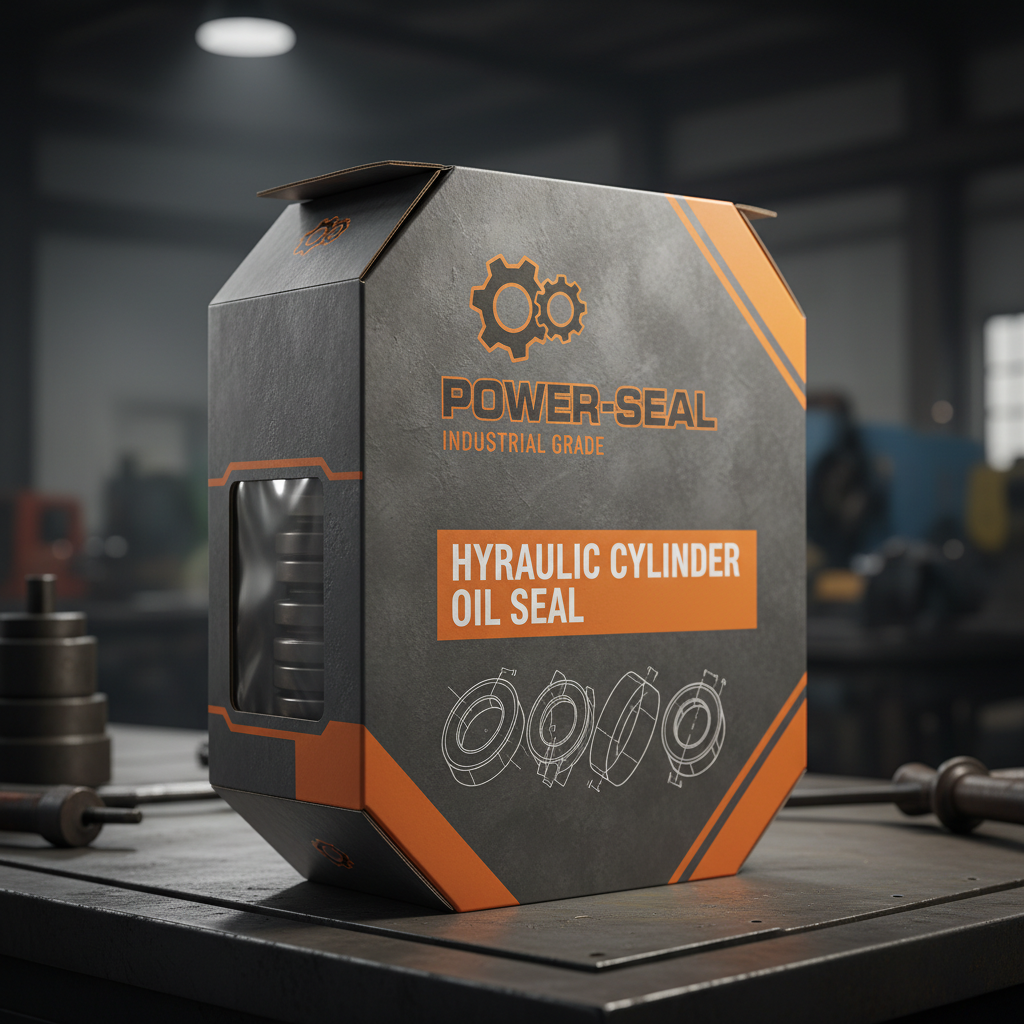
The tc oil seal is a critical component in countless mechanical systems, safeguarding against leakage and ensuring efficient operation. Its applications span diverse industries – from automotive and aerospace to hydraulics and manufacturing – making it a globally relevant and often indispensable element. Understanding the nuances of tc oil seal technology is therefore crucial for engineers, technicians, and anyone involved in maintaining and optimizing machinery. This knowledge translates directly to improved performance, reduced downtime, and extended equipment lifespan.
The global market for tc oil seals is substantial and continues to grow, driven by increasing industrialization and the demand for more reliable and durable equipment. According to industry reports, the global oil seal market was valued at USD XX billion in 2023 and is projected to reach USD YY billion by 2030, registering a CAGR of Z% during the forecast period. This growth highlights the continuing importance of these seals in modern manufacturing processes. A key challenge addressed by high-quality tc oil seals is preventing costly failures due to contamination and fluid loss.
The effectiveness of a tc oil seal directly impacts the efficiency and longevity of the systems it protects. Proper selection and installation are paramount; a poorly chosen or improperly fitted seal can lead to premature wear, performance degradation, and even catastrophic failures. Advancements in materials and designs are continually improving the performance characteristics of tc oil seals, allowing them to withstand increasingly demanding operating conditions.
The Importance of tc Oil Seal
tc oil seals are fundamental to maintaining the integrity of rotating and reciprocating machinery. Their primary function is to prevent the leakage of fluids (oils, greases, coolants) and prevent the ingress of contaminants (dust, dirt, moisture) into critical components. This protection is vital for ensuring the smooth and reliable operation of equipment across a vast range of industries. tc oil seal quality directly influences operational efficiency and longevity.
Without effective tc oil seals, machines would quickly succumb to wear, corrosion, and ultimately, failure. The resulting downtime and repair costs can be substantial. Therefore, selecting the appropriate tc oil seal for a specific application, considering factors like fluid compatibility, temperature range, and rotational speed, is a crucial engineering decision.
Defining the tc Oil Seal
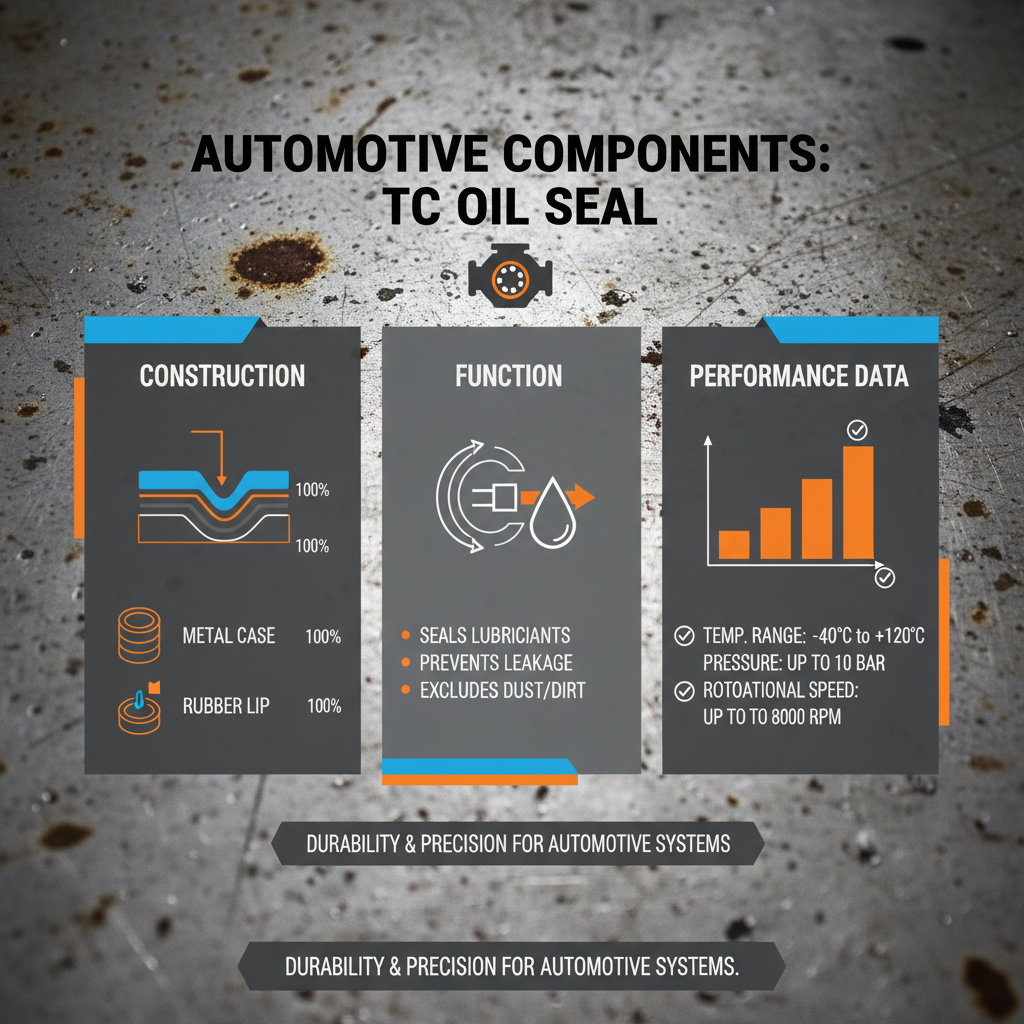
A tc oil seal, also known as a rotary shaft seal, is a mechanical sealing device used to prevent leakage from rotating equipment. Typically, it consists of a flexible elastomer sealing lip, a reinforcing case (often made of metal), and sometimes a spring to maintain contact with the shaft. The sealing lip is precisely designed to create a dynamic seal as the shaft rotates.
The “tc” designation generally refers to a specific configuration including a dust lip in addition to the primary sealing lip. This dust lip protects the sealing surface from external contamination, extending the seal's lifespan and reliability. The importance of this seal isn't limited to industrial machines; it extends to consumer products like vehicles, appliances, and power tools.
Modern tc oil seals are crucial for sustainability, minimizing fluid loss and reducing the environmental impact of industrial operations. They're a small component with a large role in preventing resource waste and maintaining efficient machinery, contributing to modern industry's humanitarian needs by supporting reliable production processes.
Core Components and Design Features
The core of a tc oil seal lies in its sealing lip, crafted from materials like Nitrile rubber (NBR), Viton (FKM), Silicone rubber (VMQ), or Polyurethane (PU). The choice of elastomer depends on the fluid being sealed, the operating temperature, and the required level of chemical resistance. The reinforcing case, typically steel, provides structural support and prevents the sealing lip from distorting under pressure.
Springs, often made of stainless steel, are frequently incorporated to maintain constant pressure between the sealing lip and the shaft, even during variations in temperature or speed. Further design elements include dust lips, designed to exclude dirt and debris, and metal retainers that ensure proper positioning and prevent extrusion of the sealing lip. Proper design balances sealing efficiency with minimizing friction and wear.
Advanced tc oil seal designs incorporate features like PTFE (Teflon) coatings to reduce friction and improve sealing performance, especially in high-speed applications. Additionally, split seals are available for applications where shaft access is limited, simplifying installation and maintenance.
Durability and Performance Characteristics
The durability of a tc oil seal is influenced by several key performance characteristics, including its resistance to abrasion, chemical attack, and thermal degradation. A seal’s hardness, measured using the Shore durometer scale, impacts its resistance to wear. Higher durometer values generally indicate greater resistance to abrasion.
Operating temperature is also critical. Elastomers have specific temperature ranges within which they maintain their elasticity and sealing properties. Exceeding these limits can lead to hardening, cracking, or softening of the seal, compromising its effectiveness.
tc Oil Seal Performance Comparison
Global Applications of tc Oil Seal
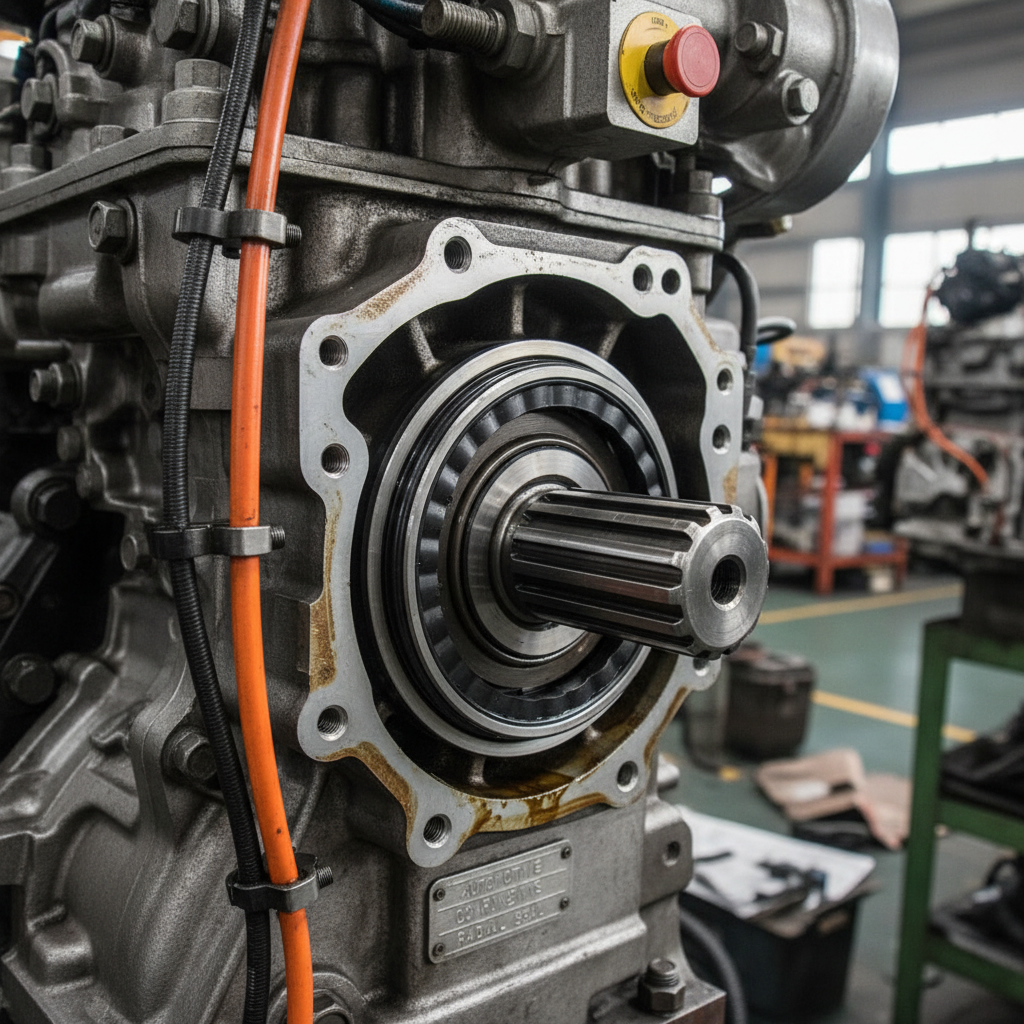
tc oil seals find extensive use in the automotive industry, sealing engine components, transmissions, and differentials. They are also critical in hydraulic systems, preventing leaks in pumps, motors, and cylinders. tc oil seal demand is high in this sector.
Beyond automotive and hydraulics, these seals are used in aerospace, manufacturing, construction equipment, and even household appliances. In remote industrial zones, a reliable supply of high-quality tc oil seals is crucial for maintaining operational uptime and preventing costly breakdowns. In post-disaster relief operations, maintaining essential machinery relies on the continued function of effective sealing systems.
Advantages and Long-Term Value
Using high-quality tc oil seals offers significant cost savings over the lifespan of equipment. By preventing leaks and contamination, they reduce the frequency of repairs and extend the operational life of machinery. The reliability of these seals minimizes downtime, boosting productivity and maximizing return on investment.
Furthermore, selecting environmentally friendly materials and designs contributes to sustainability by reducing fluid loss and minimizing environmental impact. The peace of mind that comes with knowing your equipment is protected by a reliable tc oil seal adds significant value, fostering trust and confidence in your operations.
From a safety standpoint, effective seals prevent potentially hazardous fluid leaks, creating a safer working environment for personnel and minimizing the risk of accidents. This emphasis on safety and reliability builds long-term value and strengthens a company’s reputation.
Future Trends in tc Oil Seal Technology
The future of tc oil seal technology is focused on developing seals that can withstand even more demanding operating conditions – higher temperatures, pressures, and speeds. Research is ongoing into new materials, such as advanced polymers and nanocomposites, that offer improved resistance to wear, chemical attack, and thermal degradation.
Digitalization is also playing a role, with the development of smart seals equipped with sensors that can monitor their condition and predict potential failures. This predictive maintenance capability enables proactive interventions, preventing costly downtime and optimizing maintenance schedules. Furthermore, advances in automated manufacturing processes are enabling the production of more precise and consistent tc oil seals.
Sustainability is driving the development of seals made from renewable and biodegradable materials, reducing the environmental footprint of these essential components. These innovations will continue to refine tc oil seal's applications across industries.
Overview of tc Oil Seal Material Selection Factors
| Material Type |
Temperature Resistance (°C) |
Chemical Compatibility |
Cost (1-10) |
| Nitrile Rubber (NBR) |
-40 to 120 |
Good resistance to oils and fuels |
3 |
| Viton (FKM) |
-20 to 200 |
Excellent resistance to chemicals and high temperatures |
8 |
| Silicone Rubber (VMQ) |
-60 to 230 |
Good resistance to weathering and ozone |
5 |
| Polyurethane (PU) |
-30 to 80 |
Excellent abrasion resistance |
7 |
| PTFE (Teflon) |
-200 to 260 |
Virtually universal chemical resistance |
9 |
| Hydrogenated Nitrile Rubber (HNBR) |
-40 to 150 |
Improved resistance to oils, fuels, and ozone |
6 |
FAQS
The lifespan of a tc oil seal varies considerably based on operating conditions. Factors such as temperature, pressure, shaft speed, and the nature of the fluid being sealed all influence longevity. Generally, a well-maintained seal in ideal conditions can last for several years, but harsh environments may require replacement every few months. Regular inspection and preventative maintenance are crucial for maximizing seal life.
Selecting the correct tc oil seal requires careful consideration of several parameters. You must identify the fluid being sealed, the operating temperature range, the shaft speed, the pressure, and any potential chemical exposure. Material compatibility is paramount. Refer to manufacturer specifications and consult with a sealing expert to ensure optimal performance and prevent premature failure.
Common causes of tc oil seal failure include improper installation, contamination, excessive temperature, chemical incompatibility, and shaft misalignment. Abrasive particles entering the sealing area can quickly degrade the sealing lip. Also, damage to the shaft surface or improper housing dimensions can lead to premature failure. Addressing these issues proactively is vital.
Typically, tc oil seals are not designed to be repaired. Attempting to repair a damaged seal is often ineffective and can compromise its sealing integrity. The most reliable solution is to replace the seal with a new one. However, in certain specialized applications, specialized repair kits may be available, but these are generally reserved for high-value equipment.
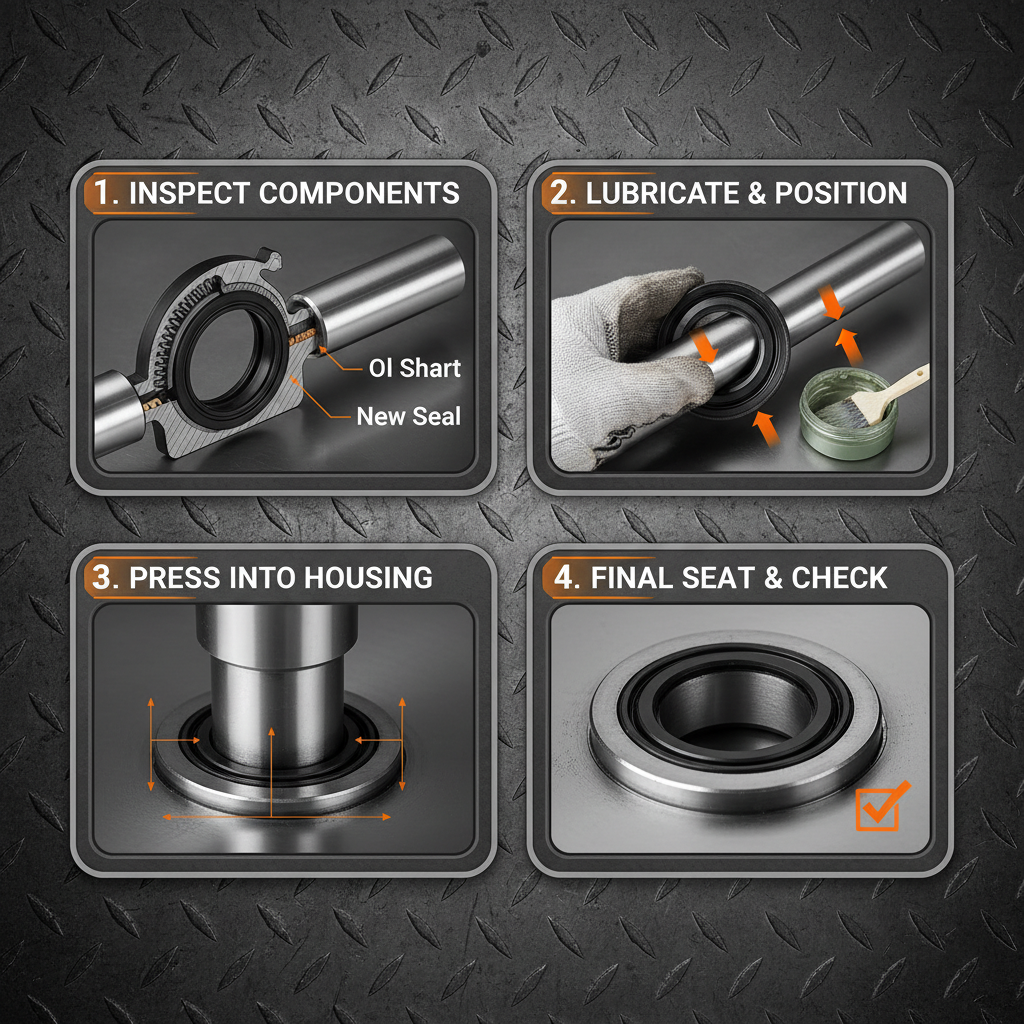
Proper installation is absolutely critical for ensuring the reliable performance of a tc oil seal. Incorrect installation can cause damage to the sealing lip, leading to immediate failure or premature wear. Follow manufacturer’s instructions carefully, using appropriate installation tools and techniques. Lubricating the sealing lip during installation is also essential.
A tc oil seal with a dust lip provides an added layer of protection against contaminants. The dust lip effectively prevents dirt, debris, and other particles from reaching the primary sealing lip, extending its lifespan and maintaining sealing effectiveness. This is particularly important in harsh operating environments with high levels of contamination.
Conclusion
In conclusion, the tc oil seal remains an indispensable component in countless mechanical systems, playing a critical role in preventing leaks, protecting against contamination, and ensuring the reliable operation of machinery. Its enduring relevance is a testament to its simplicity, effectiveness, and adaptability. The ongoing advancements in materials, designs, and manufacturing techniques promise to further enhance the performance and longevity of these essential seals.
Looking forward, embracing innovative technologies like smart seals and sustainable materials will be key to maximizing the value of tc oil seals. Proactive maintenance, proper installation, and careful selection based on application requirements will continue to be crucial for optimizing performance and minimizing downtime. For high-quality tc oil seal solutions and expert support, visit our website: www.huimaooilseal.com