tc oil sealing, a critical component in countless mechanical systems, plays a vital role in preventing leakage and contamination. Its global relevance stems from the ubiquitous nature of rotating machinery across diverse industries, from automotive and aerospace to manufacturing and energy production. Effective sealing solutions are paramount for optimizing performance, extending equipment lifespan, and minimizing environmental impact. Understanding the nuances of tc oil sealing is therefore essential for engineers, technicians, and anyone involved in the design, maintenance, or operation of such systems.
The demand for high-quality tc oil sealing is steadily increasing, driven by factors like stricter environmental regulations, the push for greater energy efficiency, and the growing complexity of modern machinery. According to industry reports, the global oil seal market is projected to reach substantial figures in the coming years, highlighting the continued importance of these components. The challenge lies in developing seals that can withstand increasingly demanding operating conditions, such as extreme temperatures, pressures, and exposure to aggressive chemicals.
Ultimately, a deep understanding of tc oil sealing contributes directly to improved reliability, reduced downtime, and enhanced safety across a vast spectrum of applications. From ensuring the smooth operation of a vehicle engine to preventing catastrophic failures in industrial equipment, effective sealing is a cornerstone of modern technological infrastructure. Investing in research and development of advanced sealing materials and designs is therefore crucial for continued innovation and progress.
The Importance of tc oil sealing in Modern Industry
tc oil sealing isn't merely a component; it's a foundational element in ensuring the efficient and reliable operation of a vast array of machinery. Its presence is often unseen, but its absence is quickly felt through leaks, contamination, and ultimately, equipment failure. Industries ranging from automotive and aerospace to hydraulic systems and even food processing depend heavily on the integrity of these seals.
The continuous demand for improved performance and longevity in machinery directly translates to a demand for superior tc oil sealing solutions. As engineering challenges become more complex, the requirements for seals that can withstand higher pressures, extreme temperatures, and aggressive fluids also increase. This ongoing evolution drives innovation in materials science and sealing design.
Defining tc oil sealing and its Applications
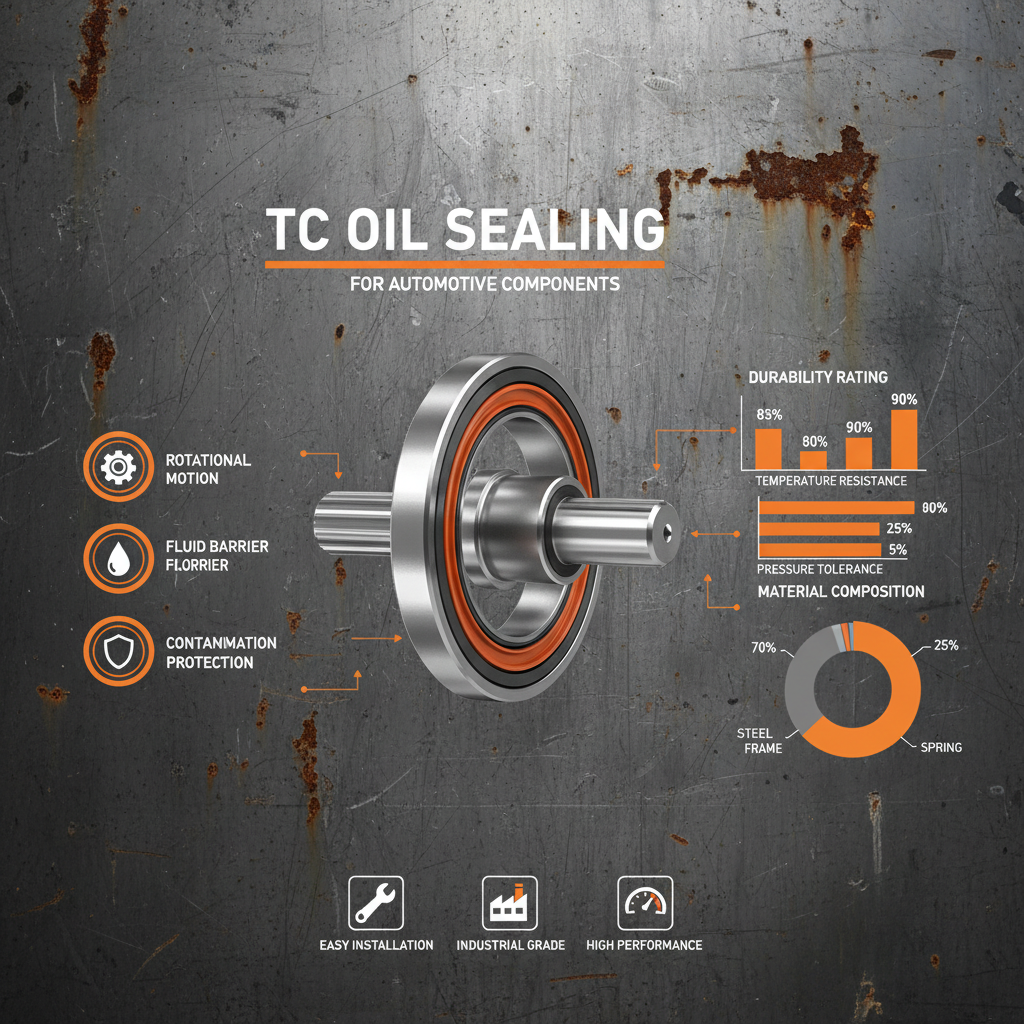
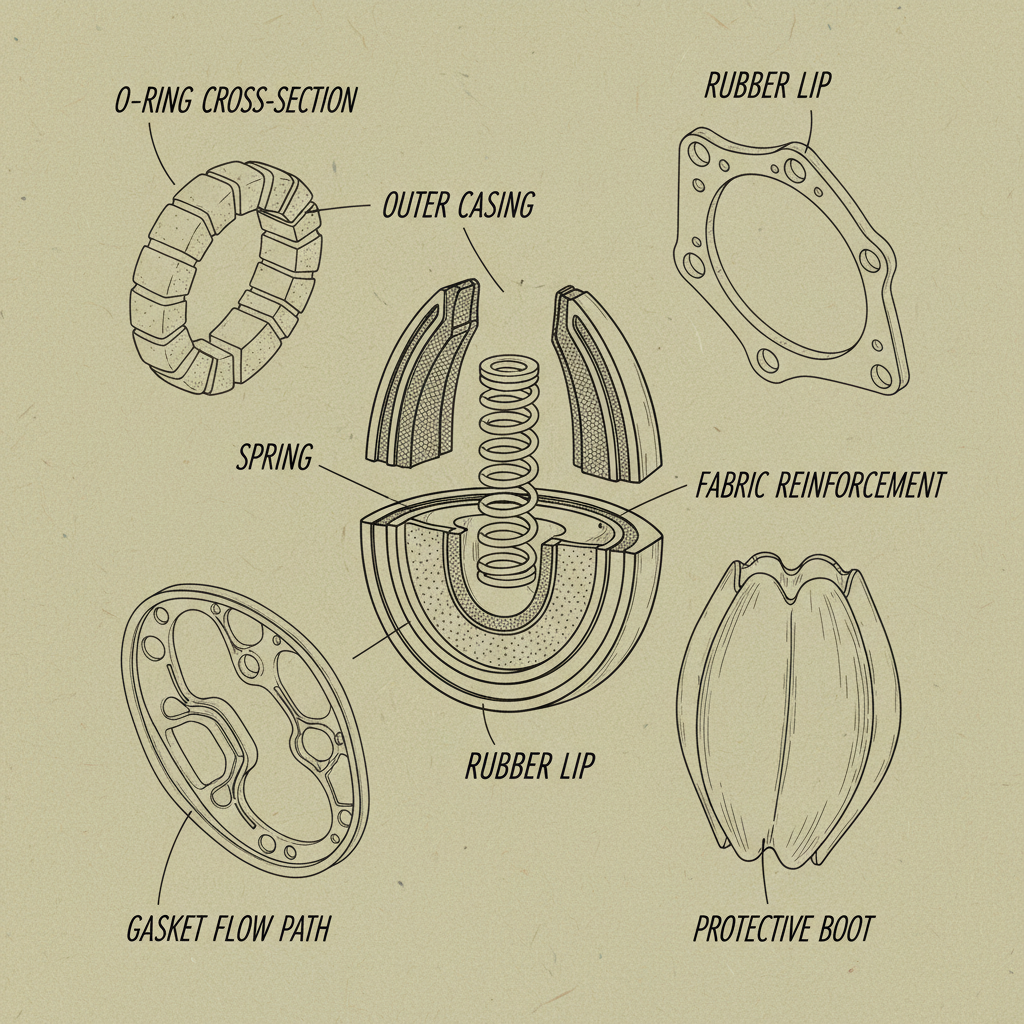
tc oil sealing, at its core, is a mechanical barrier designed to prevent the leakage of fluids (liquids or gases) between stationary and moving components. They’re typically comprised of an elastomer lip that maintains contact with a rotating shaft or housing, creating a dynamic seal. While seemingly simple in principle, the design and materials used in tc oil sealing can be incredibly sophisticated, tailored to specific application requirements.
The applications of tc oil sealing are remarkably diverse. In automotive engines, they seal the crankshaft, camshaft, and other rotating components, preventing oil leaks and maintaining proper lubrication. In hydraulic cylinders, they ensure efficient power transmission by containing hydraulic fluid under high pressure. Furthermore, they’re crucial in gearboxes, pumps, motors, and countless other mechanical systems.
Beyond these core areas, tc oil sealing also finds applications in more specialized fields, such as aerospace (sealing aircraft engines and control systems) and medical devices (ensuring sterility and preventing contamination). The versatility of these seals makes them a fundamental component in modern industrial society.
Core Characteristics of High-Performance tc oil sealing
Several key characteristics define a high-performance tc oil sealing. First and foremost is material compatibility. The elastomer must be resistant to the fluids it’s sealing, as well as the operating temperatures and pressures. Common materials include Nitrile rubber (NBR), Viton (FKM), Silicone (VMQ), and PTFE, each offering different strengths and weaknesses.
Another critical aspect is the seal's geometry and design. The lip profile, spring tension, and housing dimensions all play a role in creating a reliable seal. Factors like shaft speed, eccentricity, and surface finish also influence seal performance. High-quality tc oil sealing are engineered to optimize these parameters for specific applications.
Durability is also paramount. The seal must be able to withstand continuous operation without significant wear or degradation. This involves considering factors like abrasion resistance, compression set, and resistance to ozone and UV exposure. Furthermore, proper installation is crucial; a poorly installed seal can fail prematurely, regardless of its inherent quality.
Key Performance Indicators for tc oil sealing
Evaluating the performance of tc oil sealing requires considering several key indicators. Leakage rate is arguably the most important, quantifying the amount of fluid escaping past the seal over time. This is often measured in units of volume per time (e.g., milliliters per hour). Lower leakage rates indicate better seal performance.
Friction coefficient is another crucial metric, as excessive friction can lead to heat buildup and reduced efficiency. The ideal tc oil sealing minimizes friction while maintaining a robust seal. Wear resistance is also vital, assessing the seal’s ability to withstand abrasion and erosion during operation. This can be measured by monitoring seal dimensions over time.
Performance Comparison of Different tc oil sealing Materials
Global Applications of tc oil sealing Across Sectors
tc oil sealing finds pervasive application across numerous global industries. In the automotive sector, every engine, transmission, and axle relies on these seals to prevent fluid loss and ensure efficient operation, impacting millions of vehicles worldwide. The aerospace industry utilizes specialized tc oil sealing in aircraft engines, hydraulic systems, and landing gear, where reliability is paramount.
The manufacturing sector benefits significantly from tc oil sealing, employing them in pumps, compressors, gearboxes, and other rotating equipment. In the energy sector, they are essential components in wind turbines, oil and gas exploration, and power generation facilities. Furthermore, they play a critical role in the food and beverage industry, ensuring sanitary operation and preventing contamination of products.
Benefits and Long-Term Value Proposition of tc oil sealing
The benefits of utilizing high-quality tc oil sealing extend far beyond simply preventing leaks. Reduced maintenance costs are a primary advantage, as reliable seals minimize downtime and the need for frequent replacements. Increased equipment lifespan is another significant benefit, as proper sealing prevents premature wear and tear on critical components.
Environmentally, tc oil sealing contribute to sustainability by reducing fluid loss, minimizing pollution, and conserving valuable resources. Furthermore, improved safety is a crucial benefit, as leaks can create hazardous conditions and potential fire risks. The long-term value proposition of investing in superior tc oil sealing lies in a combination of cost savings, increased reliability, and enhanced environmental responsibility.
Future Trends and Innovations in tc oil sealing Technology
The future of tc oil sealing is poised for innovation, driven by demands for increased performance, sustainability, and adaptability. One key trend is the development of advanced materials, such as fluorosilicones and perfluoroelastomers, offering improved resistance to extreme temperatures and harsh chemicals. Smart sealing technologies, incorporating sensors and data analytics, are also emerging, allowing for real-time monitoring of seal performance and predictive maintenance.
The rise of electric vehicles (EVs) presents unique challenges and opportunities for tc oil sealing. EV drivetrains require seals that can withstand the properties of electric vehicle fluids, such as coolants and lubricants. Furthermore, the focus on sustainability is driving the development of bio-based and biodegradable sealing materials. Digitalization and automation in manufacturing processes are also impacting tc oil sealing production, enabling greater precision and efficiency.
Finally, advancements in surface engineering, such as micro-texturing and coatings, are being explored to enhance seal performance and reduce friction. These innovations promise to deliver even more reliable, durable, and environmentally friendly tc oil sealing solutions in the years to come.
Summary of Challenges and Solutions in tc oil sealing Application
| Challenge |
Impact on tc oil sealing Performance |
Potential Solution |
Implementation Cost (1-10) |
| High Operating Temperatures |
Material degradation, reduced elasticity |
Utilizing heat-resistant materials (e.g., FKM, FFKM) |
7 |
| Exposure to Abrasive Fluids |
Increased wear, leakage |
Employing hardened seal materials and surface coatings |
6 |
| Shaft Eccentricity |
Uneven seal contact, premature failure |
Implementing compensating seal designs |
5 |
| High-Pressure Applications |
Seal extrusion, leakage |
Utilizing anti-extrusion rings and reinforced seals |
8 |
| Chemical Compatibility Issues |
Seal swelling or degradation |
Selecting chemically resistant elastomer materials |
6 |
| Improper Installation |
Damage to seal, leakage |
Providing thorough installation training and guidelines |
4 |
FAQS
Selecting the appropriate tc oil sealing material requires a careful assessment of several factors. These include the fluid being sealed (compatibility is crucial), the operating temperature range, the pressure, the shaft speed, and the presence of any abrasive particles. Common materials like NBR, Viton, and silicone each offer different strengths and weaknesses, so choosing the right one is essential for long-term reliability and preventing premature failure. Understanding the specific application requirements is paramount.
Proper installation is critical for optimal tc oil sealing performance. Ensure the shaft or housing surface is clean, smooth, and free of any burrs or sharp edges. Use the correct installation tool to avoid damaging the seal. Lubricate the seal lip with a compatible lubricant during installation. Avoid twisting or distorting the seal during the process. Regularly inspecting the installation for proper seating and alignment can prevent future leakage issues.
The lifespan of a tc oil sealing varies greatly depending on operating conditions. Factors like temperature, pressure, shaft speed, and fluid compatibility all play a role. Under ideal conditions, a well-installed tc oil sealing can last for years. However, in harsh environments, it may require replacement more frequently. Regular inspection and preventative maintenance can help maximize the seal’s lifespan and prevent unexpected failures.
Common signs of a failing tc oil sealing include visible leaks, reduced equipment performance, increased operating temperatures, and unusual noises. If you notice any of these symptoms, it's important to inspect the seal immediately. Ignoring these signs can lead to more significant damage and costly repairs. Early detection and replacement are key to preventing catastrophic failures.
Yes, the industry is increasingly exploring eco-friendly alternatives to traditional materials. Bio-based elastomers and biodegradable materials are being developed as sustainable options. While these alternatives may not yet match the performance of conventional materials in all applications, ongoing research is continually improving their capabilities. Choosing environmentally responsible materials contributes to a more sustainable future.
Shaft surface finish is a critical factor. A rough surface can cause premature wear and damage to the seal lip, leading to leaks. Ideally, the shaft surface should be smooth and polished to create a better sealing contact. The appropriate surface roughness will depend on the seal material and operating conditions. Maintaining a proper shaft surface finish is essential for maximizing seal life and reliability.
Conclusion
In conclusion, tc oil sealing represents a vital and often underestimated component in countless mechanical systems. Its ability to prevent leakage and contamination is fundamental to the reliable operation of everything from automotive engines to industrial machinery. Understanding the core characteristics of high-performance seals, along with the latest innovations in materials and design, is crucial for engineers, technicians, and anyone involved in maintaining these critical systems.
Looking ahead, the continued development of advanced tc oil sealing technologies will play a vital role in improving efficiency, sustainability, and safety across a broad range of industries. Investing in research and development, coupled with a commitment to best practices in installation and maintenance, will ensure that these seals continue to deliver long-term value and contribute to a more reliable and sustainable future. Visit our website at tc oil sealing to learn more about our comprehensive range of sealing solutions.