The `tc type oil seal` is a crucial component in countless mechanical systems, preventing leakage of fluids and gases – a function paramount across diverse industries worldwide. Understanding the intricacies of these seals, their materials, designs, and applications, isn't merely a technical exercise; it’s fundamental to ensuring operational efficiency, extending equipment lifespan, and mitigating environmental risks. From automotive engines to aerospace hydraulics, the reliability of a `tc type oil seal` directly impacts performance and safety.
Globally, the demand for high-performance sealing solutions is continuously increasing, driven by advancements in technology and a growing emphasis on sustainability. As industries move toward more complex and demanding operating conditions, the need for robust and durable `tc type oil seal` solutions becomes ever more critical. This escalating demand is further amplified by stringent regulatory standards concerning fluid containment and environmental protection.
The development and implementation of innovative `tc type oil seal` technologies contribute directly to improved resource utilization, reduced downtime, and ultimately, a more sustainable and efficient industrial landscape. Recognizing the importance of this often-overlooked component is therefore vital for engineers, manufacturers, and operators alike.
The Core Principles of tc type oil seal
The fundamental principle behind a `tc type oil seal` lies in creating a static or dynamic barrier between two surfaces, preventing the passage of fluids or gases. This is achieved through a combination of precise material selection, intricate design features, and tight manufacturing tolerances. The effectiveness of a `tc type oil seal` is dictated by its ability to maintain this barrier under varying conditions of pressure, temperature, and rotational speed.
A crucial aspect of seal performance is the choice of elastomer, such as nitrile rubber, Viton, or silicone, based on the fluid compatibility and temperature range required. Different applications demand different materials, highlighting the importance of tailored solutions for optimal function.
The Global Impact of tc type oil seal
The global market for oil seals, including the `tc type oil seal`, is substantial and continues to grow alongside industrial expansion, particularly in emerging economies. Estimates from market research reports indicate a multi-billion dollar industry, driven by demand from automotive, aerospace, manufacturing, and other sectors. This impacts supply chains, manufacturing processes, and ultimately, the cost of goods worldwide.
One of the significant challenges facing the industry is the increasing demand for seals capable of operating in harsh environments, such as high temperatures, corrosive fluids, and extreme pressures. These challenges drive innovation in material science and seal design. Furthermore, growing environmental concerns are pushing manufacturers to develop more eco-friendly and sustainable sealing solutions.
The availability and reliability of `tc type oil seal` solutions have a direct bearing on the operational efficiency and longevity of countless machines and systems. Disruptions in the supply chain or failures in seal performance can lead to costly downtime and production losses, affecting businesses across the globe.
Defining tc type oil seal: Functionality and Purpose
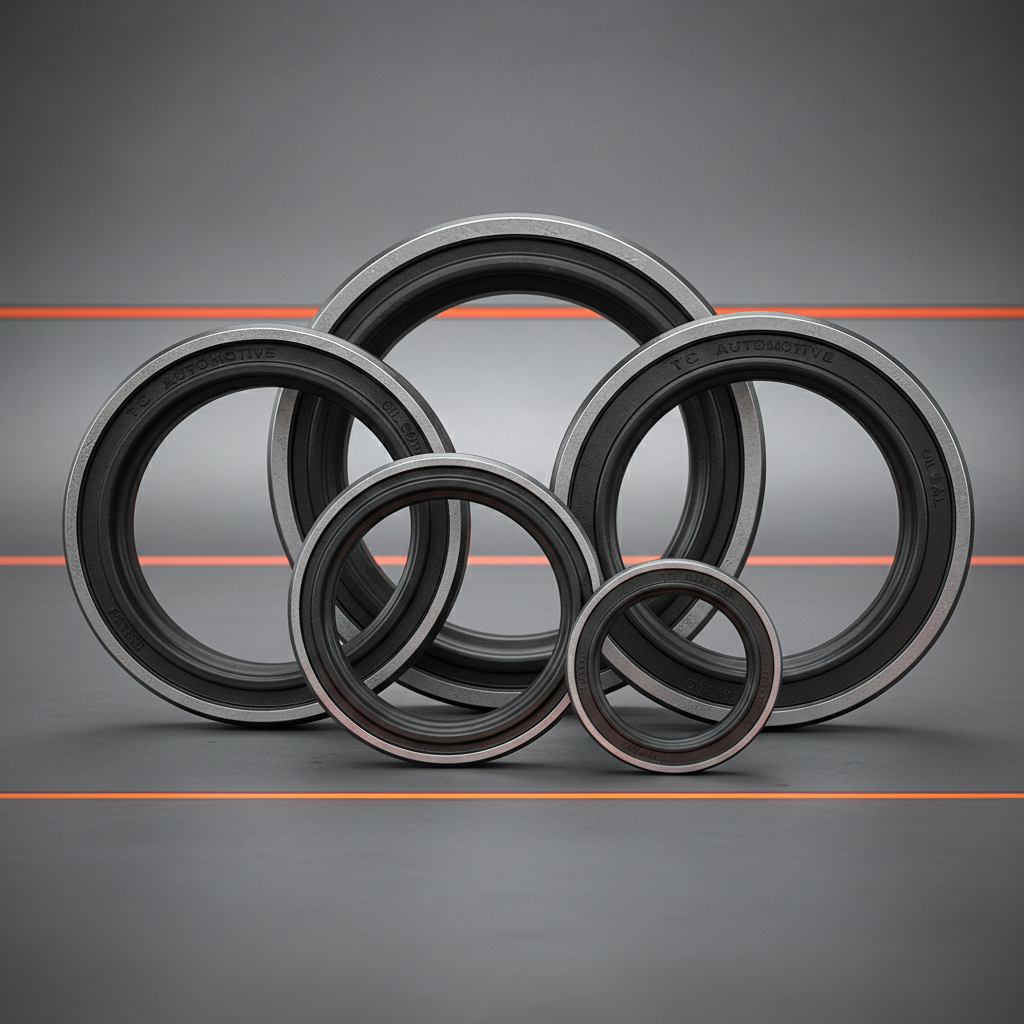
A `tc type oil seal`, often referred to as a radial shaft seal, is a sealing device designed to prevent the leakage of fluids or gases along a rotating shaft. Its primary function is to create a dynamic barrier between the stationary housing and the moving shaft, ensuring that lubricating oils, hydraulic fluids, or other working mediums remain contained within the system.
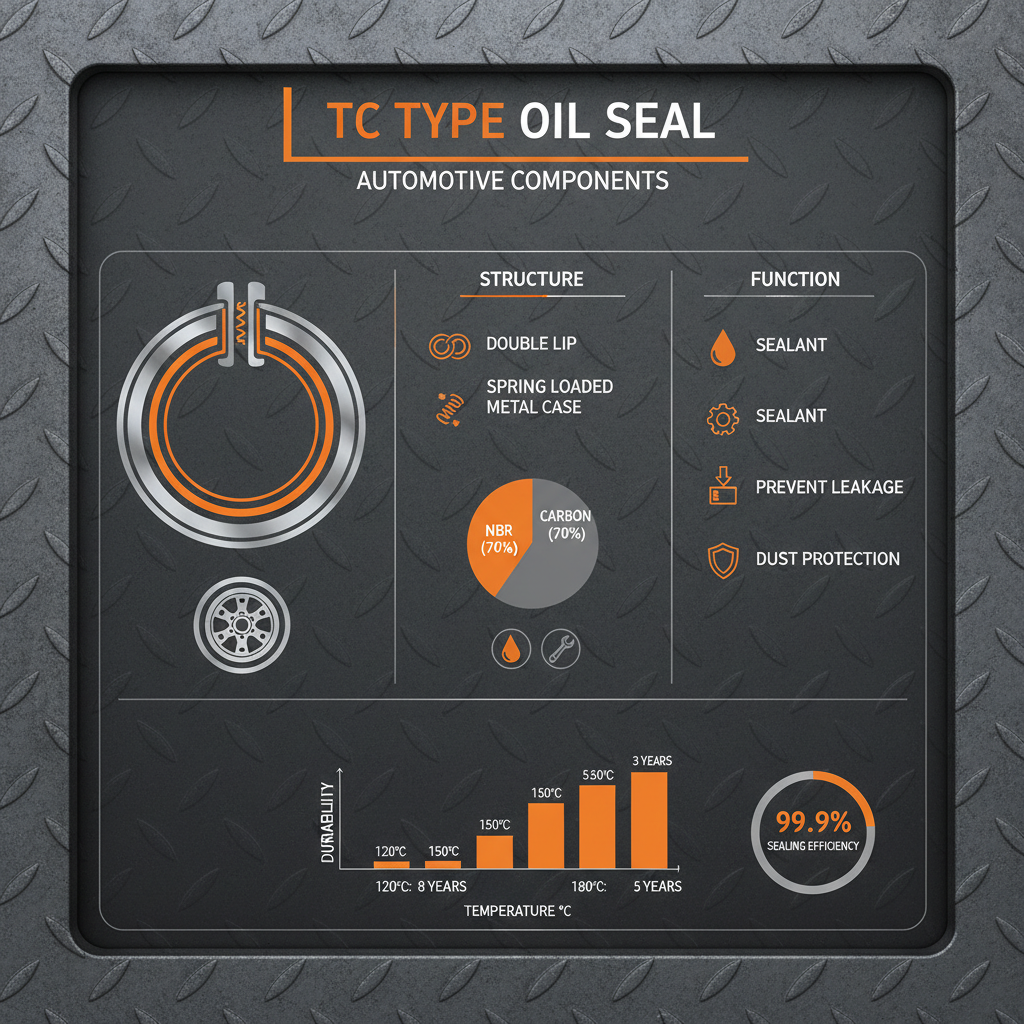
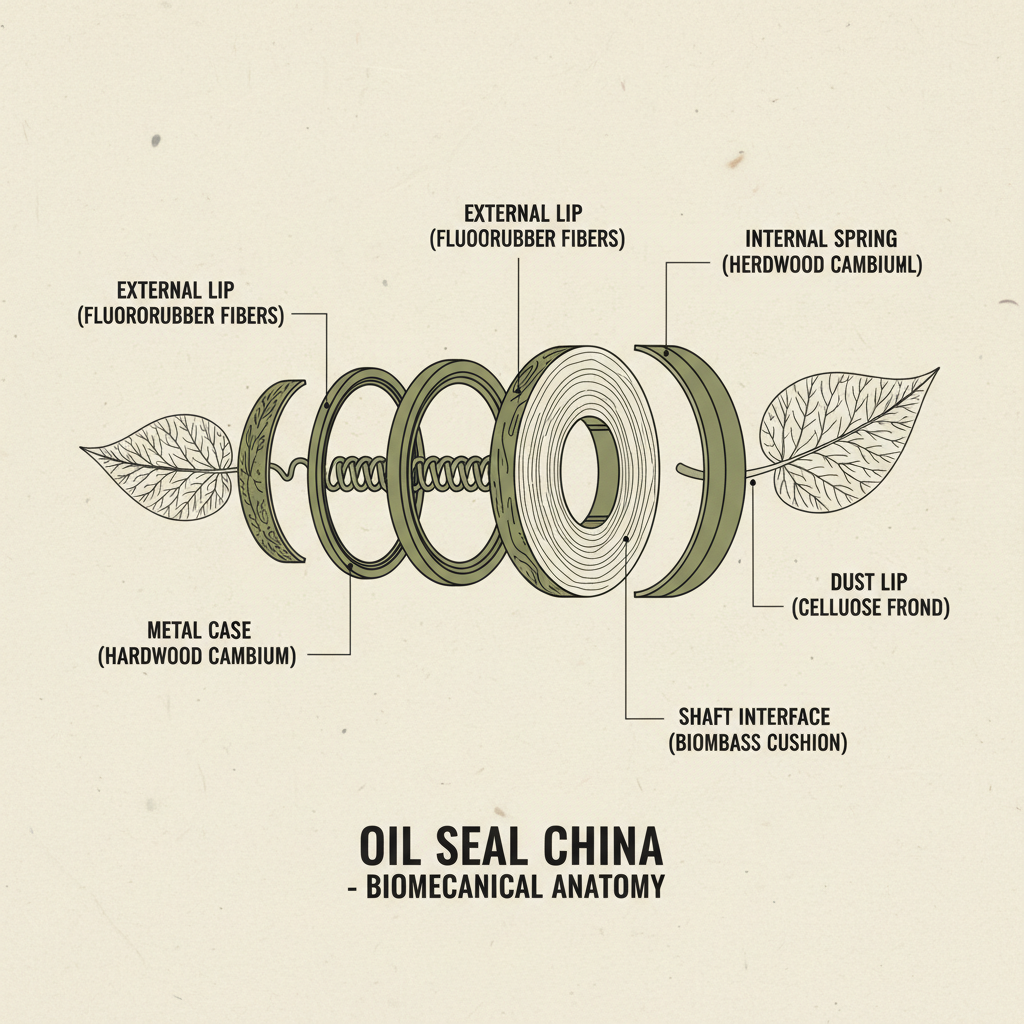
The "TC" designation refers to a specific design configuration, characterized by a rubber body, a reinforcing case (typically steel), and a lip that creates the sealing interface against the shaft. This lip is often spring-loaded to maintain consistent contact, even with shaft variations or thermal expansion. It’s a fundamental component in maintaining the integrity of mechanical systems.
Without effective `tc type oil seal` performance, machinery would suffer from reduced efficiency, increased wear and tear, and potential catastrophic failures. Their role is therefore crucial not only for operational performance but also for safety and environmental protection, preventing hazardous fluid leaks.
Key Attributes of Effective tc type oil seal Design
Several key factors contribute to the effectiveness of a `tc type oil seal`. Durability is paramount, requiring materials resistant to wear, abrasion, and degradation from the fluids being sealed. Proper shaft speed and misalignment compatibility are also vital, ensuring the seal maintains its integrity during operation.
The choice of material significantly impacts performance. Nitrile rubber (NBR) is commonly used for oil resistance, while Viton (FKM) offers superior performance in high-temperature and chemically aggressive environments. Furthermore, the design of the sealing lip – its geometry and spring loading – plays a critical role in maintaining a consistent seal.
tc type oil seal Performance Metrics
Worldwide Applications of tc type oil seal
`Tc type oil seal` solutions find application across a vast range of industries and equipment. In the automotive sector, they are critical components in engines, transmissions, and wheel hubs, preventing oil leaks and ensuring efficient operation. Aerospace utilizes them in hydraulic systems and engine seals, demanding high reliability and performance under extreme conditions.
Manufacturing industries rely heavily on `tc type oil seal` in pumps, gearboxes, and other rotating equipment. Furthermore, they play a vital role in agricultural machinery, construction equipment, and even household appliances. Across all these sectors, the consistent performance of these seals is essential for minimizing downtime and maximizing productivity.
The Long-Term Benefits of Investing in Quality tc type oil seal
Investing in high-quality `tc type oil seal` yields significant long-term benefits, extending far beyond the initial purchase price. Reduced maintenance costs are a primary advantage, as durable seals require less frequent replacement. Improved equipment reliability translates to minimized downtime and increased production output, contributing to enhanced profitability.
Furthermore, utilizing premium seals minimizes the risk of costly repairs associated with fluid leaks or equipment failures. Environmentally, high-quality seals reduce the potential for hazardous fluid contamination, fostering a more sustainable and responsible operation. The peace of mind knowing your equipment is protected by a reliable sealing solution is an intangible but valuable benefit.
Ultimately, the decision to invest in superior `tc type oil seal` represents a commitment to long-term operational efficiency, safety, and environmental stewardship.
Emerging Trends and Future Innovations in tc type oil seal Technology
The `tc type oil seal` industry is continuously evolving, driven by advancements in materials science and engineering. Research into new elastomer compounds with enhanced temperature resistance, chemical compatibility, and wear properties is ongoing. The development of self-lubricating seals is another promising area, reducing friction and extending seal life.
Smart seals, incorporating sensors to monitor seal performance and predict potential failures, are also gaining traction. These intelligent seals provide valuable data for preventative maintenance, optimizing equipment uptime and reducing unexpected breakdowns. The integration of advanced materials like graphene and carbon nanotubes is being explored to create seals with superior strength and sealing capabilities.
Sustainability is another key driver of innovation, with increasing focus on developing eco-friendly materials and manufacturing processes for `tc type oil seal` production. These trends point towards a future of more reliable, efficient, and environmentally responsible sealing solutions.
Summary of Key Factors Influencing tc type oil seal Selection
| Application Environment |
Material Compatibility |
Operating Temperature |
Seal Type & Design |
| Automotive Engine |
Oil-based lubricants |
-40°C to 150°C |
TC Radial Shaft Seal - NBR |
| Aerospace Hydraulics |
Hydraulic Fluid - Phosphate Ester |
-60°C to 200°C |
TC Radial Shaft Seal - Viton |
| Food Processing Equipment |
Food-grade oils & greases |
-20°C to 80°C |
TC Radial Shaft Seal - FDA Approved Silicone |
| Chemical Processing Plant |
Corrosive Chemicals - Acids/Bases |
0°C to 120°C |
TC Radial Shaft Seal - PTFE Coated Viton |
| High-Speed Gearbox |
Synthetic Gear Oil |
-30°C to 100°C |
TC Radial Shaft Seal - Low Friction NBR |
| Vacuum Pump |
Vacuum Compatible Fluids |
-50°C to 50°C |
TC Radial Shaft Seal - Specialized Elastomer |
FAQS
The lifespan of a `tc type oil seal` can vary considerably based on several factors, including operating conditions, the quality of the seal material, and the type of fluid being sealed. Generally, a well-maintained seal in a typical application can last anywhere from 2,000 to 10,000 hours of operation. However, in harsh environments – high temperatures, abrasive fluids, or significant shaft misalignment – the lifespan can be considerably shorter. Regular inspection and preventative maintenance are crucial for maximizing seal longevity.
Selecting the correct material is critical. Nitrile Rubber (NBR) is a common choice for oil-based fluids and moderate temperatures. Viton (FKM) provides superior resistance to high temperatures and aggressive chemicals. Silicone is ideal for food-grade applications and extreme temperature ranges. PTFE is used for highly corrosive fluids. Consider the fluid type, temperature range, pressure, and operating environment when making your selection. Consulting with a seal specialist is recommended for complex applications.
Common causes include improper installation (nicks or scratches on the shaft), shaft misalignment, excessive heat, incompatible fluids, and contamination. Abrasive particles in the fluid can wear down the sealing lip. Over time, the elastomer can also degrade due to aging and exposure to harsh environments. Regular monitoring of operating conditions and preventative maintenance can significantly reduce the risk of premature failure.
In most cases, a damaged `tc type oil seal` should be replaced rather than repaired. Attempts to repair a seal often compromise its integrity and can lead to further leaks and equipment failure. Replacing the seal ensures a reliable and lasting solution. However, minor contamination can sometimes be addressed with cleaning procedures, but this should only be undertaken with caution and expert advice.
Proper installation is key to maximizing seal life. Ensure the shaft surface is smooth and free of nicks or scratches. Use a suitable installation tool to avoid damaging the sealing lip. Lubricate the seal and shaft with a compatible fluid. Ensure correct orientation and avoid twisting or stretching the seal during installation. Always follow the manufacturer’s installation guidelines.
Shaft speed directly impacts the `tc type oil seal`'s performance through centrifugal force and friction. Higher speeds generate more heat and increase the load on the sealing lip. Selecting a seal designed for the specific shaft speed is crucial. Some seals incorporate features like hydrodynamic grooves to manage the fluid film and reduce friction at high speeds. Incorrect seal selection for the operating speed can lead to premature wear and failure.
Conclusion
In conclusion, the `tc type oil seal` is a deceptively simple yet remarkably critical component underpinning the functionality and reliability of countless mechanical systems globally. From automotive and aerospace to manufacturing and beyond, its ability to prevent fluid leakage and maintain system integrity is indispensable. Investing in high-quality seals, employing proper installation techniques, and embracing ongoing innovation in materials and design are essential for maximizing performance and minimizing operational risks.
Looking ahead, the trend towards sustainability and increased efficiency will drive further advancements in `tc type oil seal` technology. We can expect to see more intelligent seals, eco-friendly materials, and designs optimized for demanding operating conditions. Understanding the fundamental principles of these seals and staying abreast of emerging trends will be paramount for engineers, manufacturers, and operators alike, ensuring a future of reliable and sustainable mechanical performance.