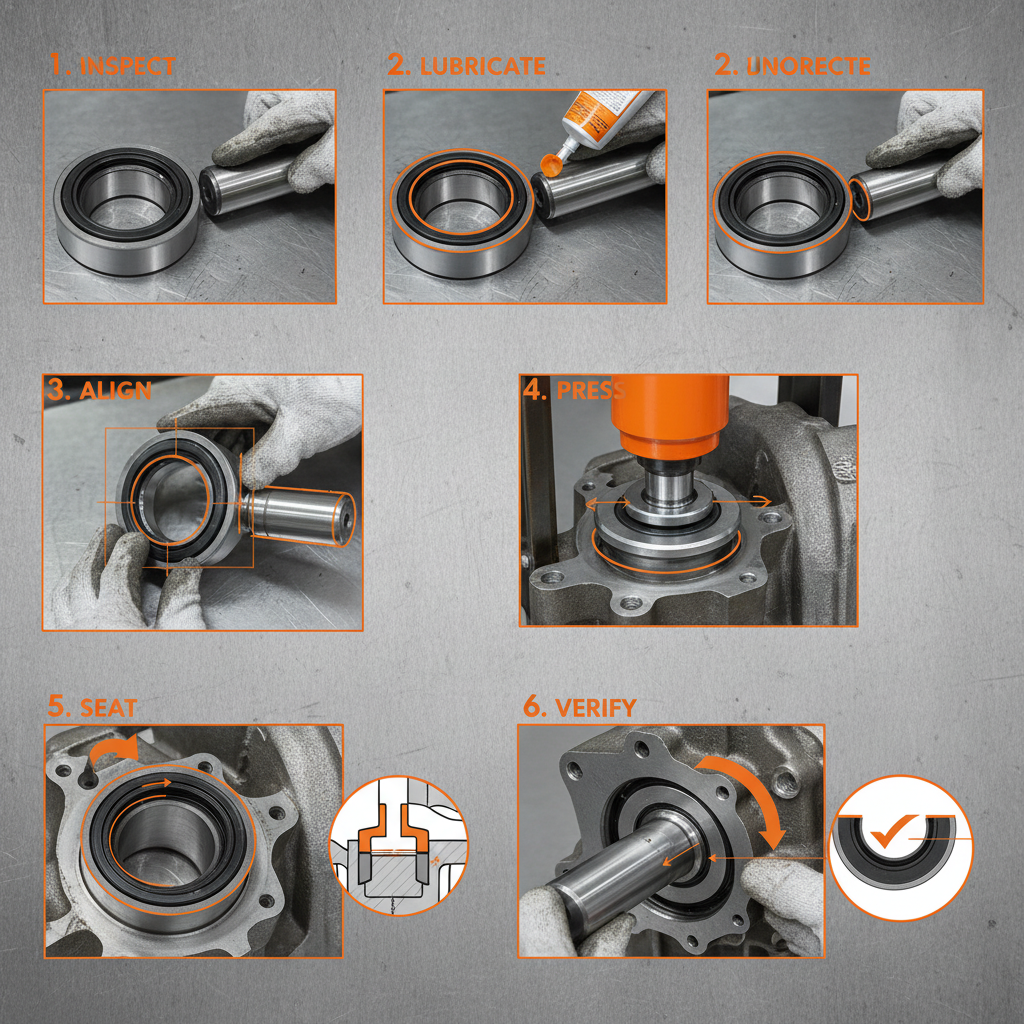
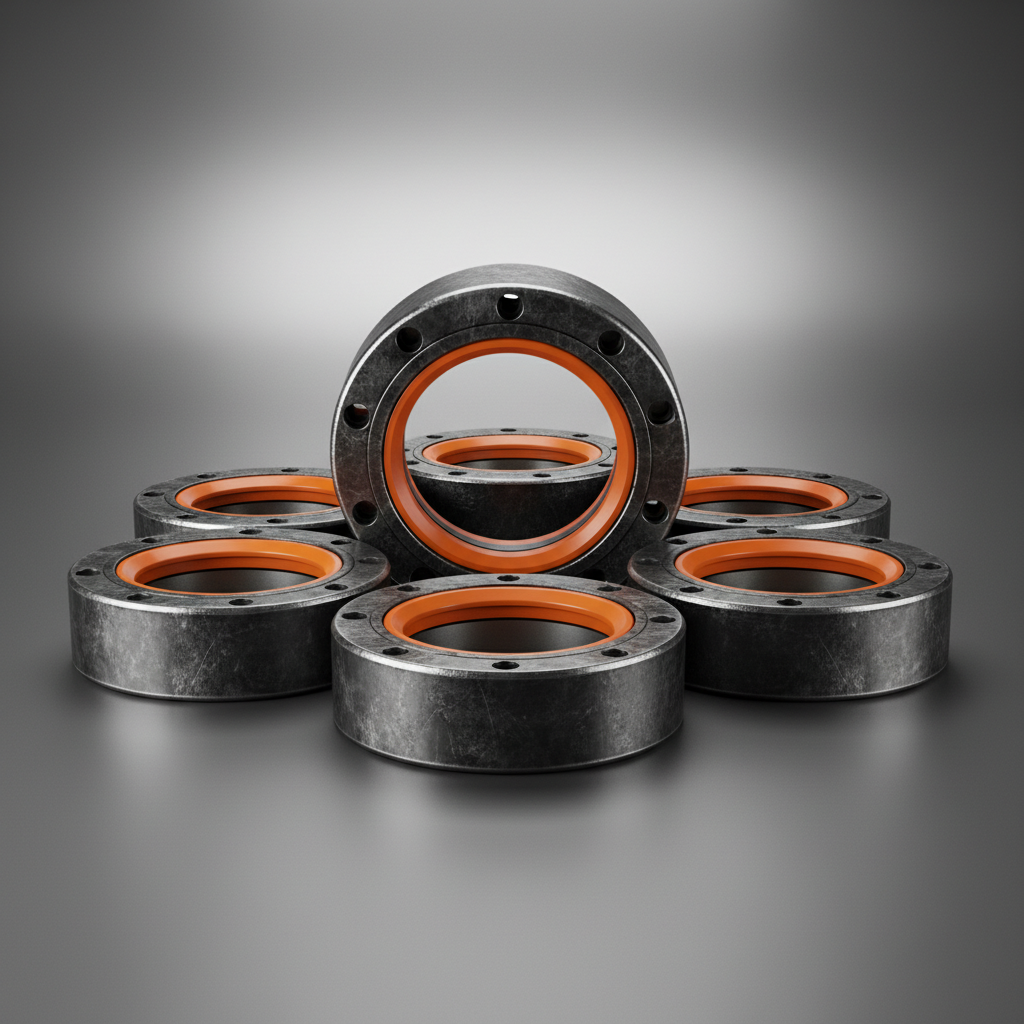
When standard sealing components fail to meet the rigorous demands of high-performance automotive engines, the shift toward custom oil seals becomes a technical necessity rather than an option. Precision in sealing is the primary defense against lubricant loss and contaminant ingress, directly impacting the operational lifespan of critical engine components.
The challenge for many automotive engineers lies in the volatility of operating environments—where extreme thermal cycling and high rotational speeds render off-the-shelf gaskets insufficient. Achieving a perfect hermetic seal requires a deep understanding of material science, specifically the interplay between rubber compounds and metal reinforcements.
This analysis explores the strategic transition from generic parts to tailored sealing solutions, examining how specific geometric adjustments and material selections optimize engine reliability. By aligning sealing architecture with exact mechanical tolerances, operators can significantly reduce downtime and maintenance overhead.

The Technical Rationale for Customized Sealing Solutions

Standard oil seals are designed for average tolerances and general-purpose lubricants. However, in the context of precision automotive manufacturing, "average" often translates to premature leakage. Custom oil seals are engineered to address specific shaft deviations, unique housing geometries, and the aggressive chemical nature of modern synthetic oils.
The primary driver for customization is the mitigation of frictional heat. When a seal is not perfectly matched to the shaft diameter or surface finish, the resulting friction increases the temperature at the sealing lip, leading to material hardening and eventual cracking. Tailored solutions allow for the optimization of the lip angle and spring tension to maintain a consistent seal without compromising the component's integrity.
Furthermore, customized seals enable the integration of specialized materials—such as Viton or high-grade Nitrile—depending on whether the application requires extreme heat resistance or superior flexibility in sub-zero temperatures. This level of specificity is what separates a temporary fix from a long-term engineering solution.
Critical Design Parameters in High-Performance Oil Seals
Designing a custom seal requires a precise balance between sealing force and rotational resistance. The geometry of the sealing lip must be calculated to ensure it maintains contact with the shaft even during axial movement or vibration, which is common in crankshaft and camshaft assemblies.
Material hardness, measured on the Shore A scale, plays a pivotal role. A seal that is too hard may cause excessive wear on the shaft, while one that is too soft may deform under high pressure, allowing oil to bypass the barrier. Customization allows for "dual-durometer" designs, where different parts of the seal have different hardness levels to optimize both stability and flexibility.
Additionally, the inclusion of dust lips and reinforcement rings prevents external contaminants from entering the engine. In environments prone to dust or moisture, a customized double-lip configuration is often employed to provide a secondary barrier, ensuring that the primary seal remains uncontaminated.
Deployment Scenarios Across Automotive Engine Systems
Custom sealing is most critical in high-stress zones of the engine. For instance, the crankshaft rear main seal operates under significant pressure and temperature fluctuations. A custom-fitted seal here prevents oil leaks that could otherwise contaminate the transmission or exhaust system.
In the valve train, valve stem seals and valve cover gaskets must withstand constant chemical exposure and rapid heat cycles. Using custom rubber sealing parts ensures that these components do not shrink or warp over time, which would otherwise lead to oil seepage into the combustion chamber, causing increased emissions and reduced power.
Beyond the engine core, customized seals are vital in the lubrication system and cooling systems. Whether it is a specialized O-ring for a fuel pump or a custom boot for a driveshaft, the goal is to eliminate "micro-leaks" that aggregate into significant fluid loss over thousands of miles of operation.
Evaluating Sealing Efficiency and Wear Resistance Metrics
Measuring the performance of a seal involves analyzing the leak rate relative to the operational pressure. Standard seals often show a linear increase in leakage as temperature rises, whereas custom-engineered seals are designed to maintain a plateau, resisting degradation even at peak thermal loads.
Wear resistance is typically evaluated through the analysis of the sealing lip's recession rate. By utilizing advanced polymers, custom seals can reduce the wear rate on the mating shaft, effectively extending the service interval of the entire engine assembly.
custom oil seals Performance Metrics
The data indicates that customized sealing solutions consistently outperform industry benchmarks in thermal stability and leak prevention. The reduction in frictional torque also contributes to a marginal but measurable increase in overall engine efficiency by reducing parasitic power loss.
Procurement Strategies for Industrial Rubber Sealing Parts
Selecting a supplier for custom sealing components requires a move away from "price-per-unit" logic toward a "total cost of ownership" (TCO) model. A cheaper, generic seal that fails every 10,000 miles is far more expensive than a custom seal that lasts 50,000 miles when considering labor and downtime.
When evaluating vendors, procurement officers should prioritize those who can provide material certifications and precision tolerance reports. The ability to customize not just the size, but the rubber compound itself, is a key indicator of a manufacturer's technical capability.
Effective procurement also involves defining the exact operational environment: the maximum temperature, the type of fluid used, and the rotational speed of the shaft. Providing this data to the manufacturer ensures the final product is optimized for the specific application rather than being a "close-enough" match.
Emerging Material Trends in Automotive Sealing Technology
The industry is currently seeing a shift toward nano-composite rubber materials. These new compounds integrate microscopic particles of graphite or PTFE to reduce friction without sacrificing the elasticity required for a tight seal. This trend is particularly relevant for high-RPM engines where heat buildup is a critical failure point.
Environmental regulations are also driving the adoption of bio-based elastomers. These materials aim to reduce the ecological footprint of automotive manufacturing while maintaining the chemical resistance needed to handle synthetic oils and biofuels. The challenge remains in ensuring these materials can withstand the same longevity as traditional petroleum-based rubbers.
Furthermore, the integration of "smart seals" featuring embedded sensors may soon allow for real-time monitoring of seal wear. Such a development would shift maintenance from a schedule-based approach to a condition-based approach, where seals are replaced only when the sensor detects an actual decrease in sealing pressure.
Comparative Analysis of Sealing Approaches for Engine Parts
Choosing between standard and custom seals depends on the criticality of the application. For low-stress components, standard seals are sufficient. However, for primary engine interfaces, a tailored approach is required to prevent systemic failure.
The following table compares various sealing strategies based on typical automotive engine requirements, highlighting where customization provides the most significant value.
| Sealing Approach | Primary Material | Best Use Case | Risk Factor |
|---|---|---|---|
| Generic NBR Seal | Nitrile Rubber | Low-temp auxiliary parts | Thermal Hardening |
| Customized Viton | Fluorocarbon | High-heat engine zones | Higher Initial Cost |
| Silicone Gaskets | Silicone Rubber | Valve Cover interfaces | Mechanical Tearing |
| PTFE Lipped Seals | Polytetrafluoroethylene | High-speed rotations | Installation Complexity |
| Dual-Durometer Custom | Hybrid Compound | Dynamic pressure zones | Manufacturing Lead Time |
| Nano-Composite Seal | Enhanced Elastomer | Racing/Heavy Duty | Material Availability |
Ultimately, the decision should be based on a risk-benefit analysis. For those managing fleets or high-performance machinery, the stability provided by specialized rubber sealing parts far outweighs the marginally higher procurement cost.
Frequently Asked Questions
Conclusion
The transition toward precision-engineered sealing solutions is an essential step for any automotive operation aiming for maximum reliability and efficiency. By moving beyond the limitations of generic components, engineers can effectively neutralize the risks of leakage and wear that plague standard engine assemblies.
For those seeking to implement these high-standard solutions, reviewing the extensive range of rubber sealing parts and professional manufacturing capabilities available through www.huimaocarparts.com can provide the necessary technical foundation for optimizing engine performance.