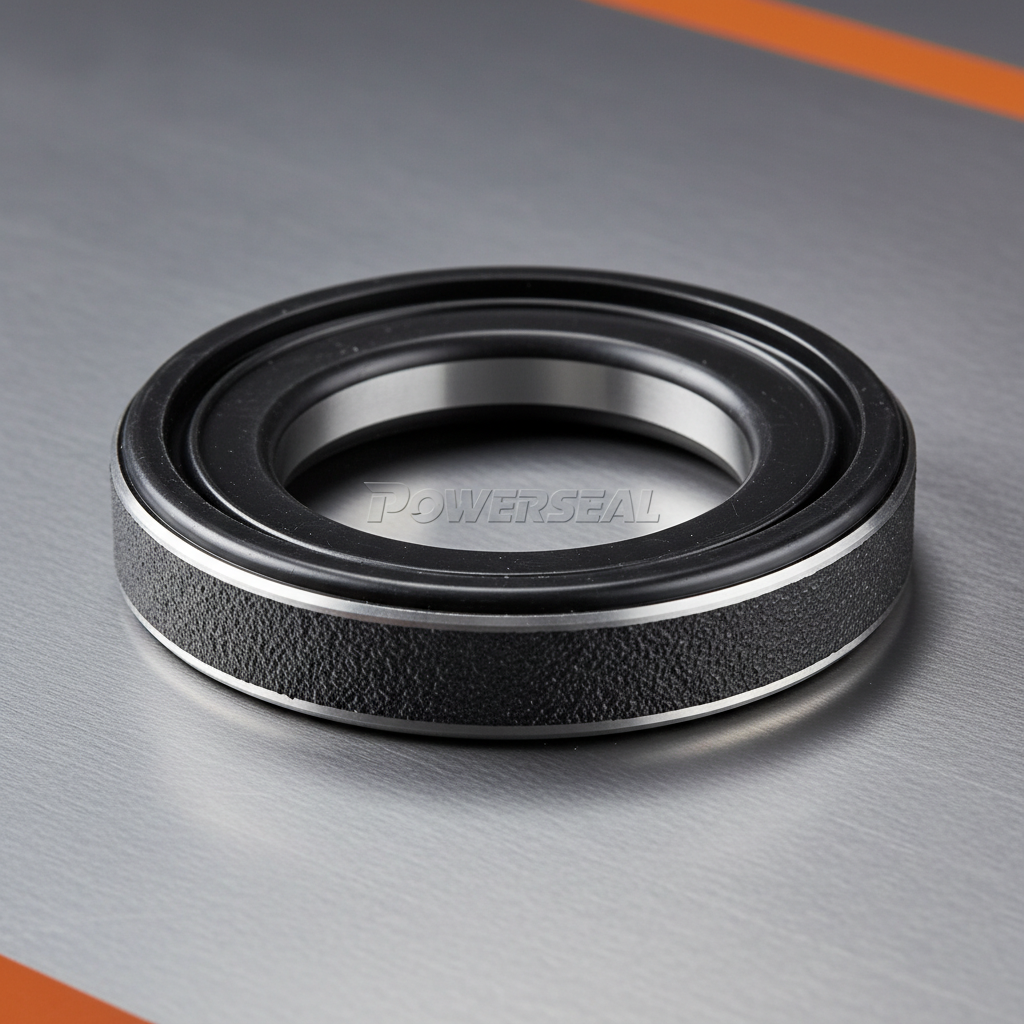
Look, I’ve spent the last 15 years on construction sites, knee-deep in concrete dust and grease. I’ve seen what works and, more importantly, what doesn’t when it comes to keeping things sealed up tight. And let me tell you, a quality silicone oil seal isn’t just some little rubber ring. It's the difference between a project running smoothly and a costly headache down the line. It’s about preventing leaks, protecting expensive equipment, and ensuring the whole operation stays on schedule. We're talking about everything from hydraulic systems on excavators to critical components in heavy machinery – downtime is money, pure and simple.
I've seen too many jobs stalled because of a blown seal, forcing us to scramble for replacements and eat into the budget. That's why I’m a firm believer in investing upfront in durable, reliable seals. You think you’re saving money going cheap? Trust me, you’re not. The cost of failure – the downtime, the repairs, the potential for environmental damage – dwarfs the initial investment. This isn't just about specifications on a datasheet; it's about real-world performance when things get tough.
And it’s not just about the big stuff. Even seemingly minor leaks can cause corrosion, wear and tear, and ultimately, catastrophic failure. That’s where a good silicone oil seal really shines – it’s a preventative measure, a small investment that pays dividends in the long run. I’ve seen it firsthand, and I wouldn't cut corners on this.
The Importance of Silicone Oil Seals in Construction
I'll tell you what I've learned over the years: a silicone oil seal is often the unsung hero of any construction project. Everyone focuses on the big components – the engines, the hydraulics, the structural steel. But if the seals fail, all that stuff is useless. It’s the foundation for consistent operation and longevity. Without a reliable seal, you’re constantly fighting leaks, dealing with breakdowns, and throwing good money after bad.
Think of it like this: you can build the most powerful engine in the world, but if it's leaking oil, it's not going to get very far. That’s where the importance of a quality seal comes into play. It’s the small detail that makes a huge difference in overall performance and cost-effectiveness.
Understanding Silicone Oil Seal Materials
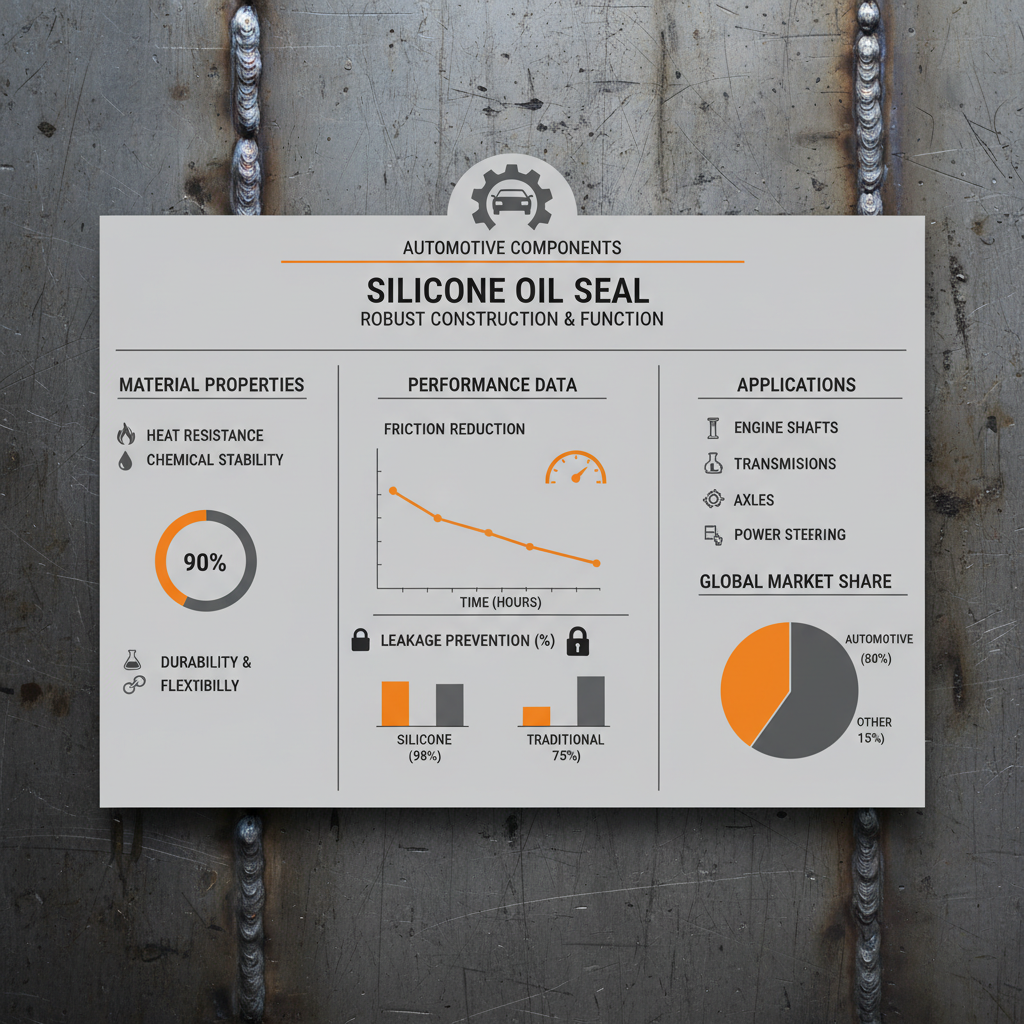
Now, not all silicone is created equal. I’ve seen a lot of different materials used in these seals, and silicone stands out for a reason. It can handle extreme temperatures, resists degradation from oils and chemicals, and maintains its flexibility over a long period. Compared to other materials like rubber or plastic, silicone just holds up better in the harsh conditions we face on a job site.
Different formulations offer different properties. Some are designed for high-pressure applications, others for high-temperature environments, and some are specifically formulated to resist certain chemicals. Knowing the specific requirements of the application is critical when selecting the right seal. Silicone oil seal manufacturers often have detailed specs on their products, but it's worth consulting with an engineer to make sure you're choosing the best option.
And don’t forget about the durometer, which measures the hardness of the silicone. A higher durometer means a harder, more rigid seal, while a lower durometer means a softer, more flexible seal. The optimal durometer depends on the specific application and the amount of pressure and movement involved.
Key Properties for Demanding Environments
When I’m looking at a silicone oil seal, there are a few key properties I pay close attention to. First, temperature resistance is huge. Things get hot out here, and they get cold, too. The seal needs to be able to withstand both extremes without cracking or losing its elasticity.
Chemical resistance is another big one. We’re dealing with hydraulic fluids, fuels, oils, and a whole host of other chemicals on a daily basis. The seal needs to be able to withstand exposure to these substances without swelling, shrinking, or degrading. If it fails that test, it's going to cause problems.
Finally, compression set is critical. This refers to the seal’s ability to maintain its shape and sealing force over time. A high compression set means the seal will flatten out and lose its effectiveness. A low compression set is what you want – it means the seal will continue to perform reliably for a long time.
Applications in Heavy Machinery
You see these silicone oil seals everywhere in heavy machinery. Hydraulic cylinders on excavators, pumps, valves, transmissions – they’re all relying on these seals to function properly. If a seal fails in a hydraulic cylinder, you're looking at a loss of power, potential damage to the cylinder itself, and a major disruption to the project.
We also use them extensively in engine components, like valve stem seals and oil pan gaskets. These seals prevent oil leaks and ensure proper engine lubrication. A leaking engine can cause a host of problems, from reduced performance to catastrophic failure.
Seal Failure Rates by Equipment Type
Long-Term Cost Savings & Reliability
Look, I know upfront cost is always a concern. But skimping on a silicone oil seal is penny-wise and pound-foolish. A higher-quality seal will last longer, require less maintenance, and prevent costly downtime.
I've seen projects where using cheaper seals ended up costing thousands of dollars in repairs and delays. That's money that could have been spent on other things, like improving safety or increasing efficiency.
Future Trends & Innovations in Sealing Technology
Things are always evolving. We're starting to see more advanced materials being used in seals, like fluorosilicone and hydrogenated nitrile rubber (HNBR). These materials offer even better resistance to extreme temperatures and harsh chemicals.
There's also a lot of innovation happening in seal design. Manufacturers are developing new geometries and coatings to improve sealing performance and reduce friction. These advancements are helping to make equipment more efficient and reliable.
And with the increasing focus on sustainability, we’re seeing more demand for eco-friendly seal materials and manufacturing processes.
Common Issues & Troubleshooting
I've seen just about every seal failure imaginable. Most often, it’s down to improper installation, contamination, or simply using the wrong seal for the application. Make sure the seal is properly lubricated before installation and that the surfaces it's sealing against are clean and smooth.
Another common problem is wear and tear. Over time, seals will naturally degrade and lose their effectiveness. Regular inspection and replacement are essential to prevent failures.
If you're dealing with a persistent leak, it's important to identify the root cause. Is it a damaged seal? A worn surface? Or a problem with the hydraulic system? Troubleshooting can be tricky, but it’s worth the effort to get it right.
Overview of Common Silicone Oil Seal Failure Modes and Mitigation Strategies
| Failure Mode |
Root Cause |
Severity (1-10) |
Mitigation Strategy |
| Cracking |
Exposure to extreme temperatures or UV radiation. |
7 |
Use UV-resistant silicone, ensure proper ventilation. |
| Swelling |
Chemical incompatibility with the fluid being sealed. |
8 |
Select a chemically resistant silicone material. |
| Abrasion |
Abrasive particles entering the sealing area. |
6 |
Implement filtration systems, use seals with hardened surfaces. |
| Compression Set |
Prolonged exposure to high temperatures or excessive compression. |
5 |
Use a silicone material with low compression set properties. |
| Extrusion |
Excessive pressure causing the seal to deform. |
9 |
Use backup rings, reduce system pressure. |
| Installation Damage |
Improper handling or forcing during installation. |
4 |
Proper training, use appropriate installation tools. |
FAQS
Proper storage is crucial. Store them in a cool, dry place away from direct sunlight and ozone sources. Ozone can cause premature degradation of the silicone. Keep them in their original packaging if possible, and avoid bending or stretching them. A little bit of care upfront can significantly extend their lifespan and ensure a good seal.
Always check the chemical compatibility chart provided by the silicone oil seal manufacturer. Different hydraulic fluids have different chemical compositions, and some can cause seals to swell, shrink, or degrade. If you’re unsure, consult with a fluid specialist or the seal manufacturer directly. It’s better to be safe than sorry when it comes to compatibility.
There are a lot of potential causes. Improper installation, contamination from dirt or debris, exposure to extreme temperatures or chemicals, and excessive pressure are all common culprits. Regular inspection and preventative maintenance can help identify and address these issues before they lead to failure. Also, using the wrong type of seal for the application can drastically shorten its lifespan.
Generally, no. Once a seal has been compressed and used, it’s best to replace it with a new one. The sealing surfaces can become damaged during removal, and the seal may have lost some of its elasticity. Reusing a seal can compromise the integrity of the seal and lead to leaks. It’s a cheap risk to take considering the potential cost of failure.
A static seal is used in applications where there’s no movement between the sealing surfaces, like a gasket. A dynamic seal is used where there is movement, like in a piston or rotating shaft. Dynamic seals require more robust materials and designs to withstand the friction and wear. Selecting the appropriate seal type for the application is critical for reliable performance.
It depends on the application and the operating conditions, but a good rule of thumb is to inspect them regularly as part of your routine maintenance schedule. Visually inspect for cracks, swelling, or other signs of damage. For critical applications, consider more frequent inspections. Early detection of a problem can prevent a catastrophic failure.
Conclusion
So, there you have it. Silicone oil seals aren’t glamorous, but they’re absolutely essential for keeping everything running smoothly on a construction site. They're the little things that can make or break a project, and investing in quality seals is always a smart move. From choosing the right material to proper installation and regular maintenance, paying attention to these details can save you time, money, and a whole lot of headaches.
Don't underestimate the power of a good seal. Take the time to understand your application requirements, select the right material, and ensure proper installation. And if you're ever in doubt, don't hesitate to consult with an expert. Your project – and your bottom line – will thank you for it. For reliable and high-performance silicone oil seals, visit our website today: www.huimaooilseal.com