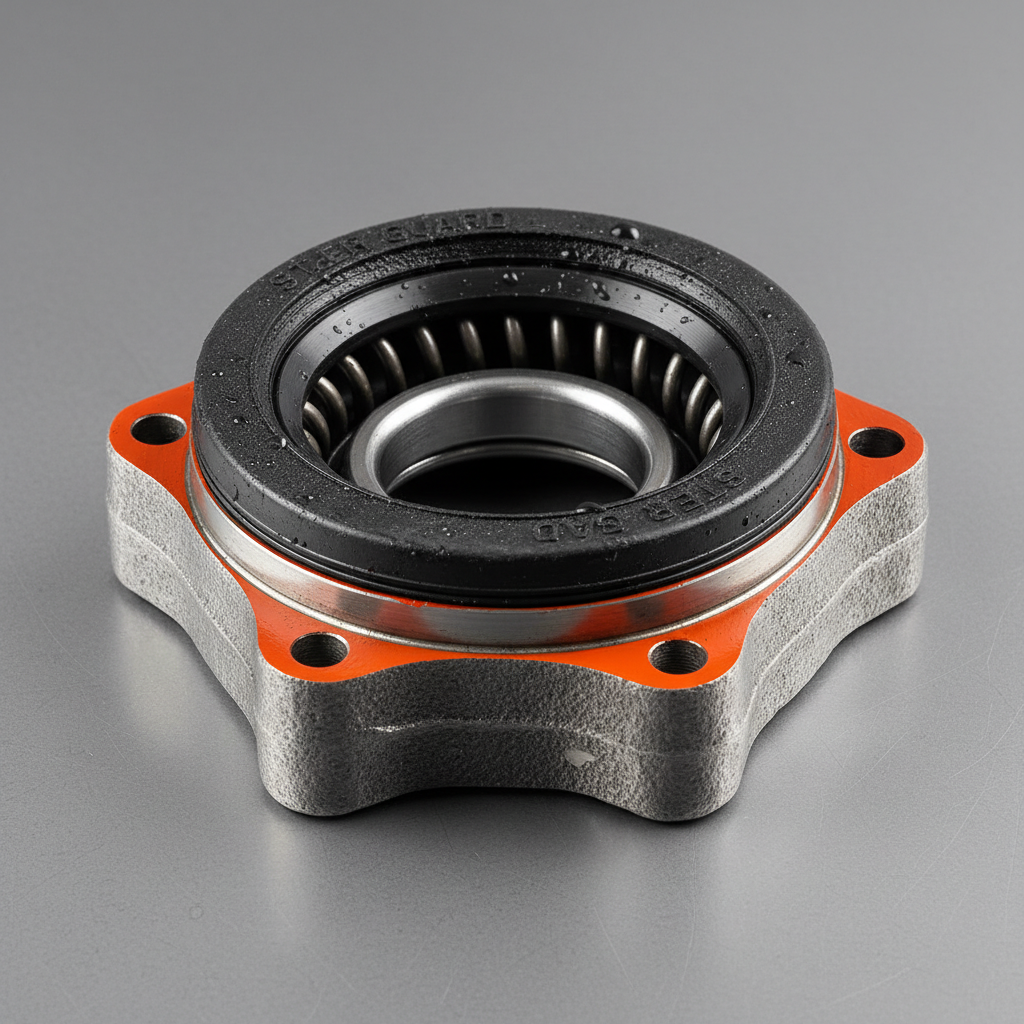
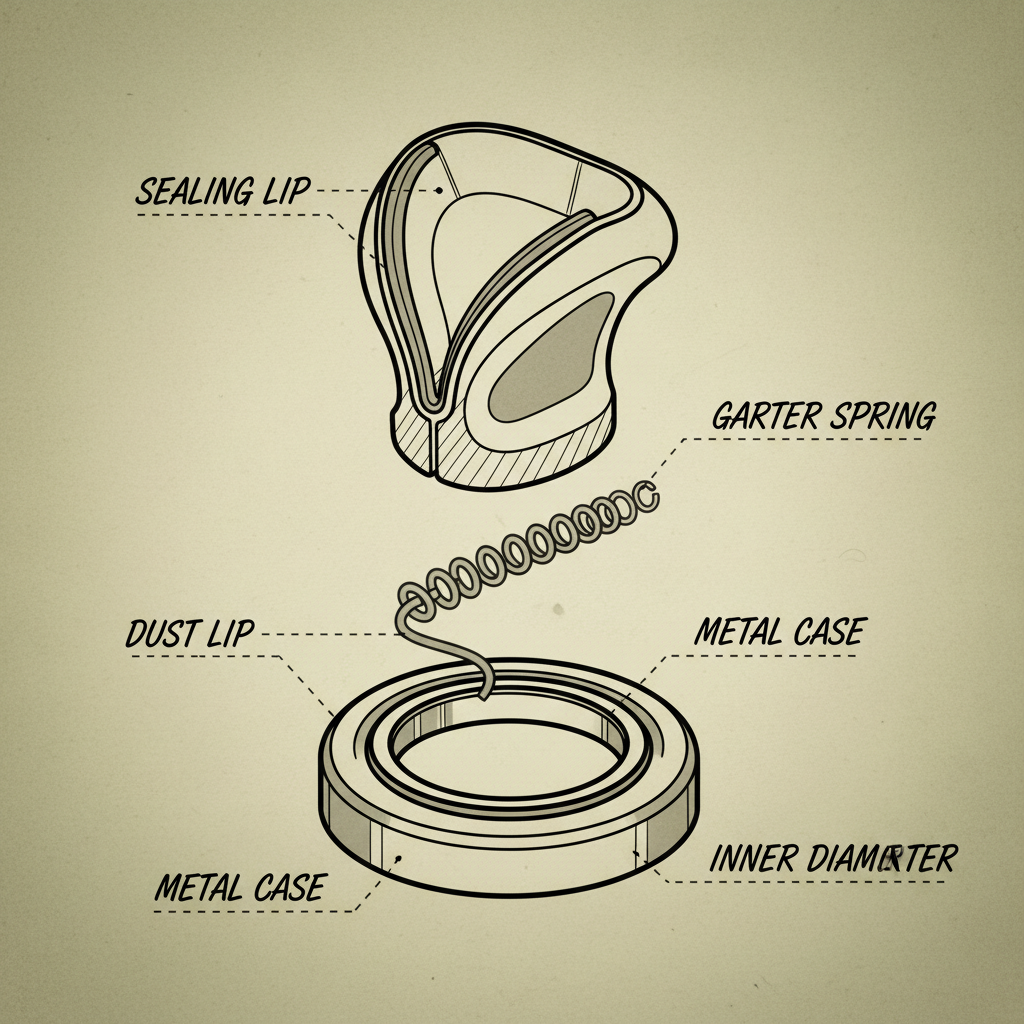
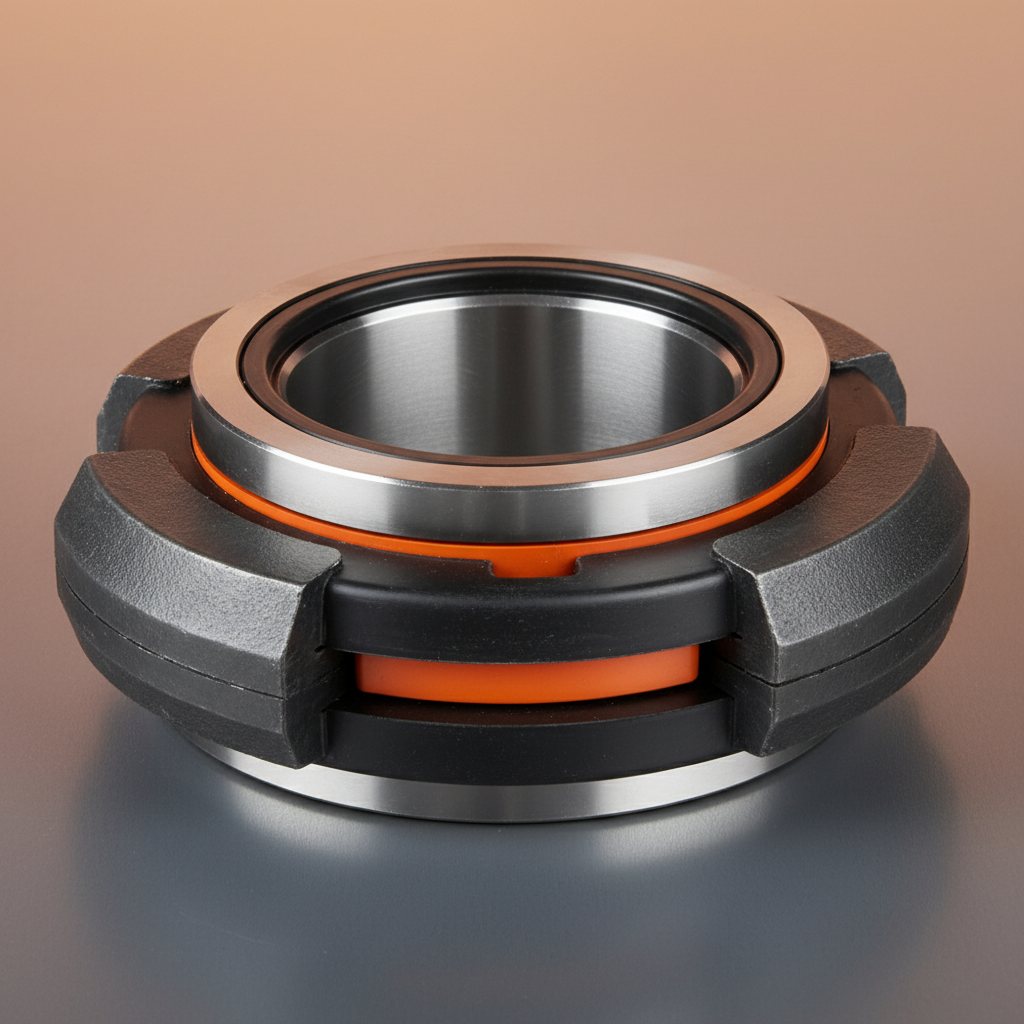
To be honest, this year's oil seal rubber part market… it’s been a whirlwind. Everyone’s talking about silicone rubber, specifically the high-temperature stuff. Seems like every engine manufacturer wants to push the limits, and standard nitrile just isn’t cutting it anymore. I’ve been seeing a lot more requests for fluoroelastomers too – Viton, mostly. Pricey stuff, but when you’re dealing with aggressive chemicals, you kinda have to bite the bullet.
Have you noticed how often engineers design themselves into a corner with tolerances? They'll specify a super tight fit, then wonder why the seal gets pinched during installation. It’s like they forget these things have to actually go onto a shaft. And don't even get me started on shaft surface finish... I encountered this at a transmission factory last time, beautiful machine work, but the surface was too rough for the seal they chose. Friction, heat build-up, premature failure. Classic.
We mostly work with nitrile, still. It’s the workhorse. Smells kinda…rubbery, you know? A slight chemical odor, nothing too bad. Easy to handle, doesn't tear easily. Then you’ve got silicone, feels… softer, almost waxy. Different feel entirely. And the fluoroelastomers… they’re dense. Heavy in your hand. A bit like expensive rubber bands. We also do a bit of EPDM, mostly for water and steam applications, smells a bit like tires when it's fresh.
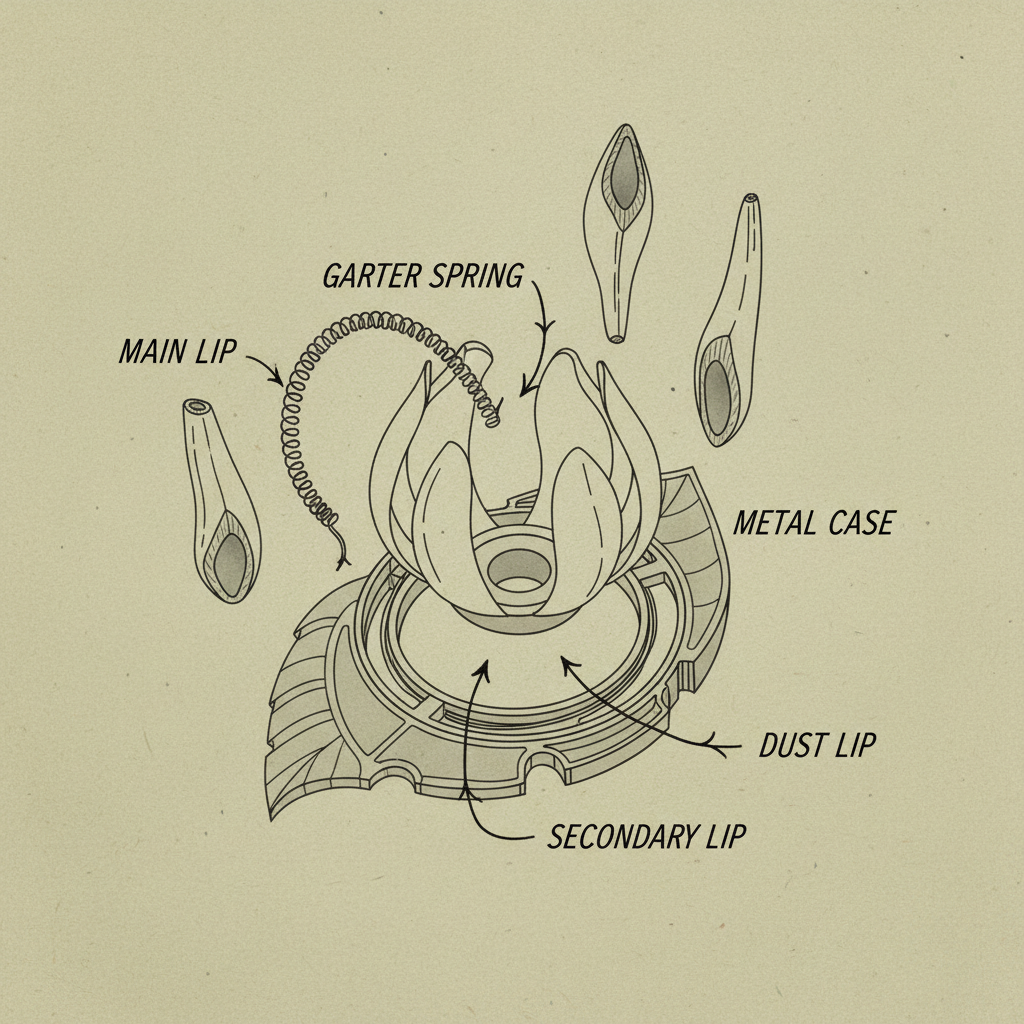
Industry Trends and Design Pitfalls
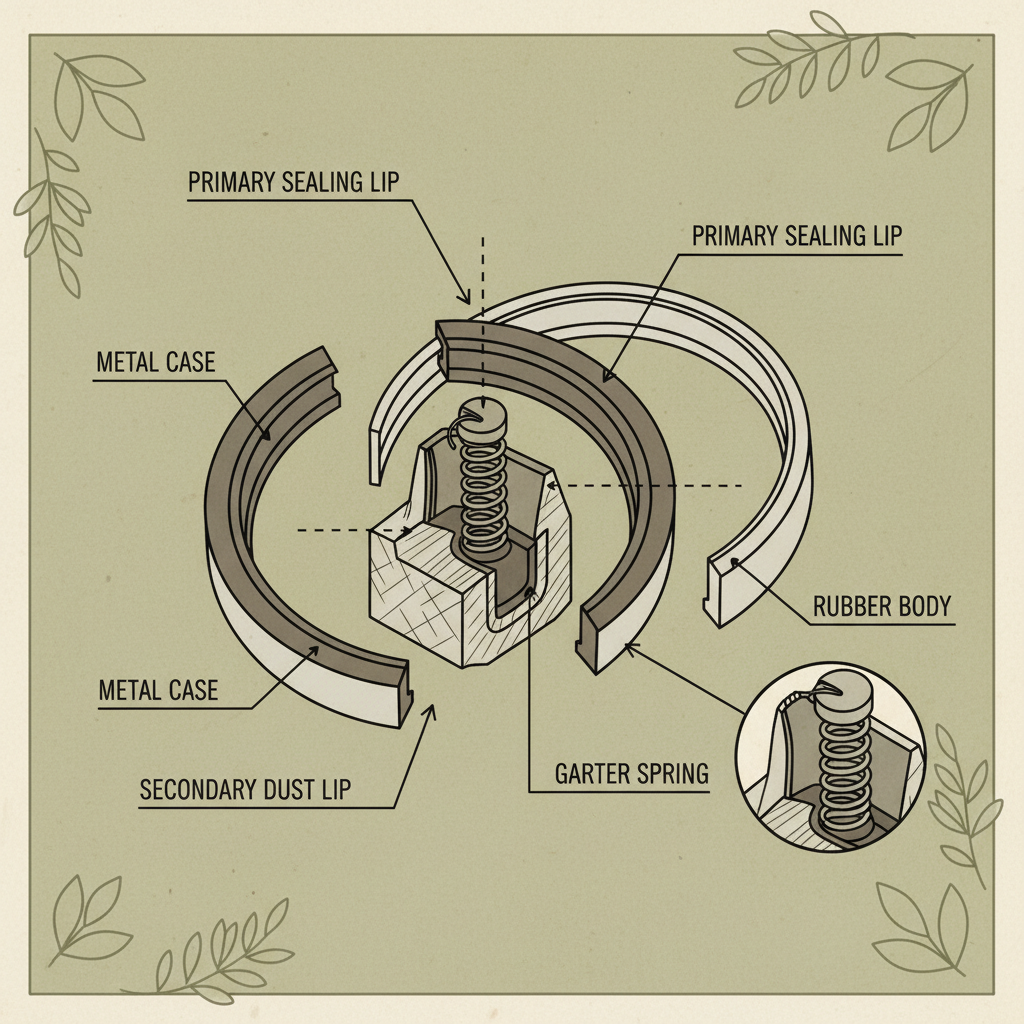
Strangely enough, a lot of the newer designs are moving towards thinner lips on the seals. Apparently, it reduces friction and improves efficiency. Sounds good on paper, but I worry about durability. Those thin lips are more susceptible to damage during installation, and they wear out faster. You start seeing leaks pretty quickly. Anyway, I think the push for smaller, lighter components is driving this trend, but it’s a trade-off, you know?
Another thing I've noticed is a growing demand for seals that can handle wider temperature ranges. Engines are running hotter, and the environment is getting more extreme. It all comes down to material selection.
FAQS
For high-temperature engine applications, fluoroelastomers (like Viton) are generally the best choice due to their excellent heat resistance and chemical compatibility with engine oils. Silicone is also a good option, but may not be as durable under extreme pressures or with certain fuel additives. It really depends on the specific operating conditions and the fluids involved. Choosing the right material is a balancing act between performance and cost.
Critically important. A rough shaft surface will quickly wear down the seal lip, leading to leaks. Too smooth and the seal won't lubricate properly. You need a specific Ra value (roughness average) recommended by the seal manufacturer. We've seen seals fail almost immediately due to incorrect shaft finish. It’s one of the first things we check when troubleshooting leaks.
Generally, no. Once an oil seal has been compressed and run against a shaft, its shape is permanently altered. Reusing it is a recipe for leaks. The lip loses its springiness and its ability to create a tight seal. It's always best to replace the seal with a new one during any maintenance procedure. The cost of a new seal is small compared to the cost of repairing a leak.
Exposure to heat, oxygen, ozone, and chemicals all contribute to the degradation of rubber compounds. Over time, this causes the rubber to lose its elasticity and become brittle, leading to cracking and leaks. UV exposure also plays a role. Proper storage and operating conditions can extend the lifespan of a seal, but eventually, they all need replacing.
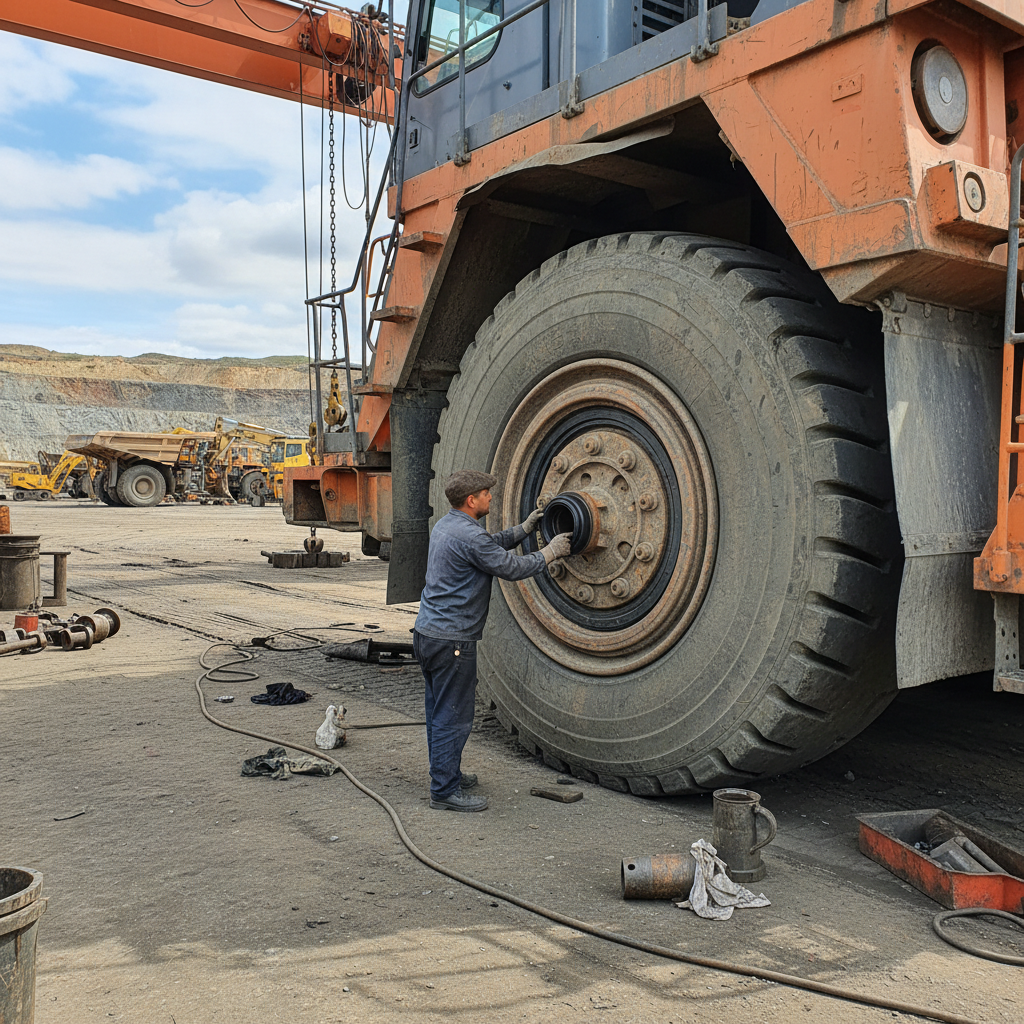
Yes, definitely. Using the wrong tools can easily damage the seal. Seal installers are essential – they ensure even pressure distribution and prevent damage to the sealing lip. You also need a seal removal tool to safely remove the old seal without damaging the housing. Trying to pry an old seal out with a screwdriver is a bad idea.
Common causes include excessive pressure, contamination of the hydraulic fluid, improper installation, and incompatible materials. Contamination, like dirt or metal particles, can act as an abrasive and wear down the seal lip. High pressure can exceed the seal’s capabilities. And if the seal material isn’t compatible with the hydraulic fluid, it will swell, shrink, or degrade.
Conclusion
So, yeah, oil seal rubber parts. They're not glamorous, but they're essential. Everything from choosing the right material to proper installation plays a huge role in preventing leaks and keeping things running smoothly. It's a combination of science, experience, and a healthy dose of common sense.
Ultimately, whether this thing works or not, the worker will know the moment he tightens the screw. And if it leaks, well, we go back to the drawing board. You can visit our website at www.huimaooilseal.com for more information and to discuss your specific application needs.