You know, lately everyone's talking about miniaturization, right? Smaller, lighter, more integrated. It’s all the rage. But honestly, chasing smaller without thinking about usability on a muddy construction site? That’s a recipe for disaster. I’ve seen it too many times. Guys dropping tiny screws, fumbling with micro-connectors… it adds up to lost time and frustration.
And don't even get me started on over-engineering. Fancy designs that look good on paper, but are a nightmare to assemble in the field. I encountered this at a prefabrication plant in Nanjing last time. They had this incredibly complex joint design for their modular units, looked great in the renderings… but the guys assembling it needed a PhD in origami just to figure it out. To be honest, simplicity usually wins.
We’re talking about trailer hub oil seal here, right? Essential piece of kit. And it's not just about the rubber. The metal casing matters. We use mostly 45 steel for the outer ring. It's got a good balance of strength and machinability. It’s got this… kind of oily smell to it when you first machine it, you know? Not unpleasant, but you definitely know you're working with metal. And the rubber itself? NBR is our workhorse – Nitrile Butadiene Rubber. Durable, resistant to oils and greases… a good all-rounder. But sometimes, for harsher environments, like marine applications, we spec out Viton. That stuff smells… different. More chemical, almost. And it's pricey.
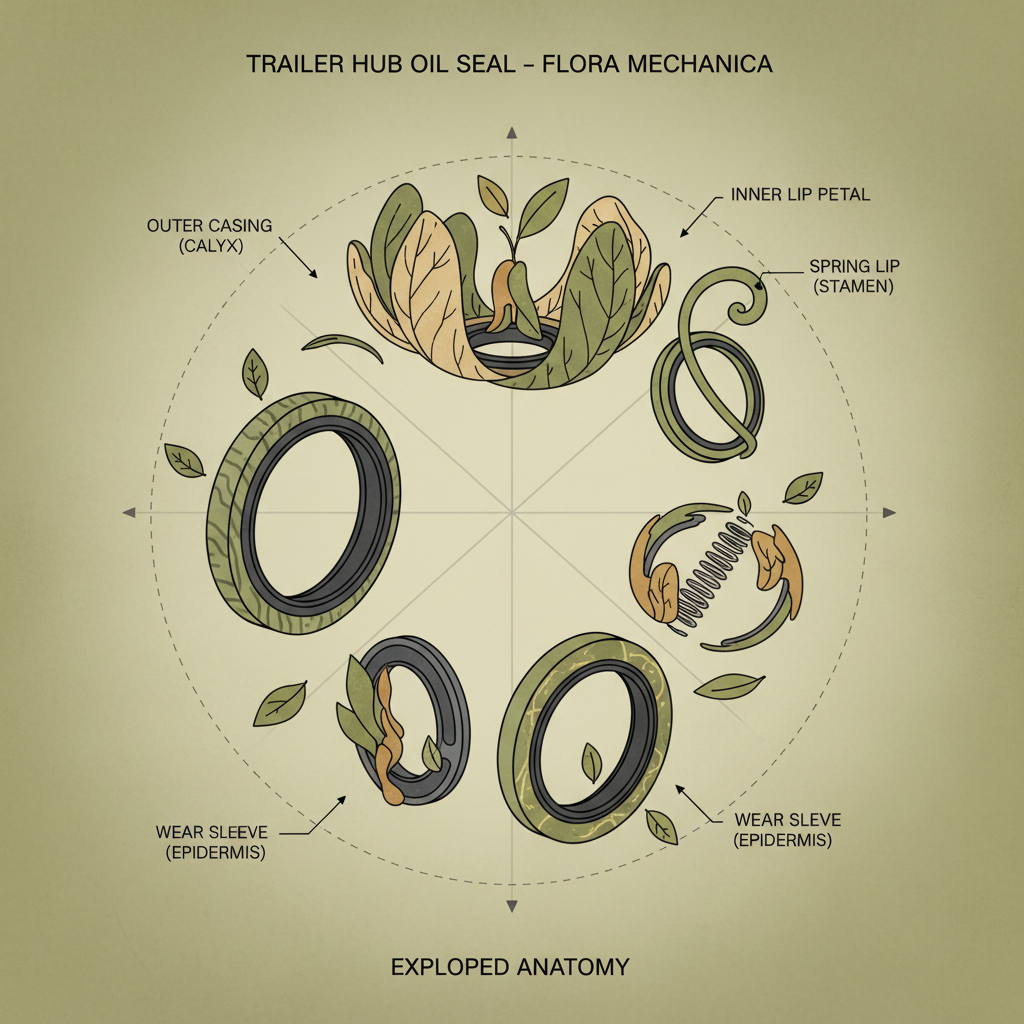
Industry Trends and Design Pitfalls
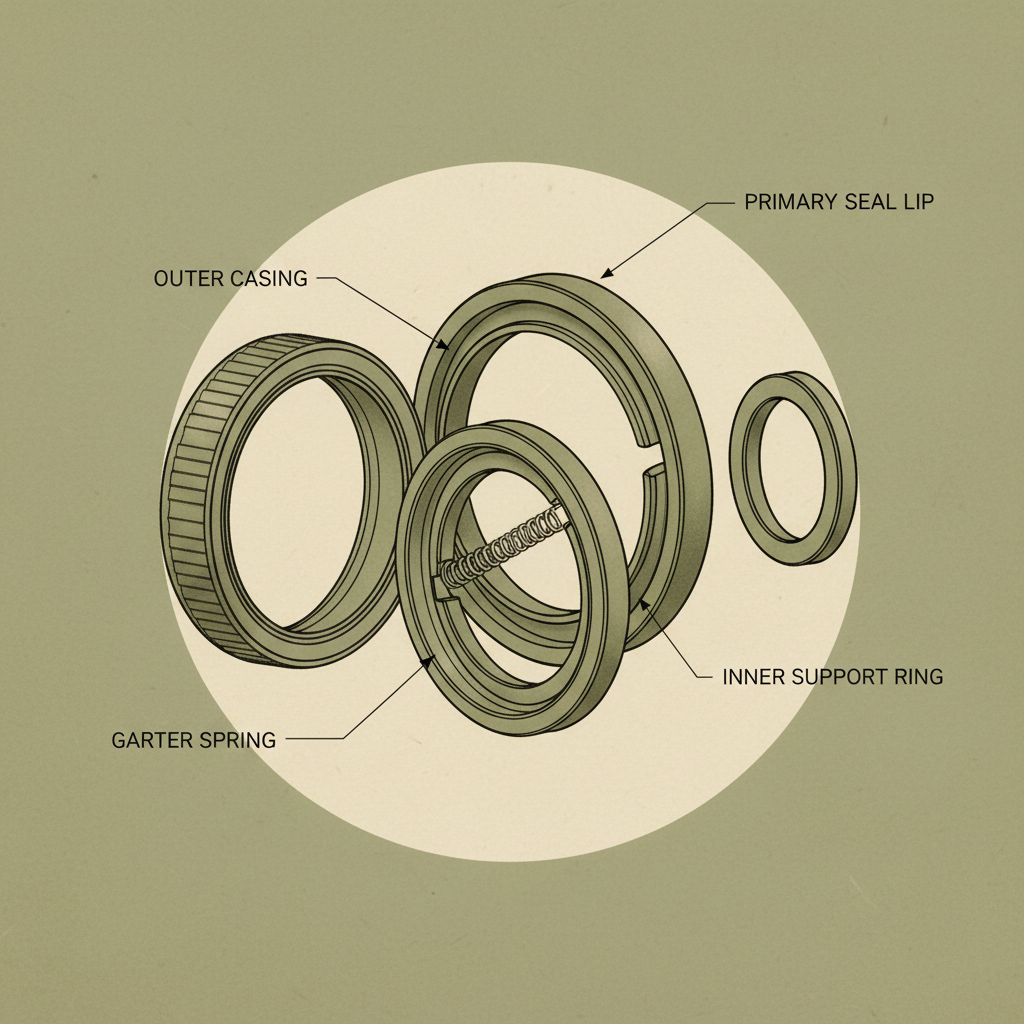
Have you noticed how everyone’s trying to integrate everything into a single unit? It's a trend, I get it. Less parts, less assembly. But strangley, it often introduces new failure points. A simple seal failure can bring the whole operation to a halt. I’ve seen it – a tiny crack in the seal, oil leaking out, bearing seizing up… and suddenly you've got a multi-ton trailer stranded on the side of the road. It's almost always the simple things that cause the biggest headaches.
We’re seeing more demand for longer-life seals, especially in applications where downtime is critical. But longevity isn’t just about material. It's about the design of the seal, the quality of the machining, and the precision of the installation. You can have the best seal in the world, but if it's not installed correctly, it’s going to fail. Period.
FAQS
A single lip seal is simpler and suitable for less demanding applications, offering basic protection against dirt and debris. A double lip seal provides enhanced protection, particularly against finer particles and higher pressures, making it ideal for harsher environments. It essentially adds an extra layer of defense, extending the seal's lifespan and reducing the risk of contamination. But honestly, more lips mean more friction, so you need to consider the trade-offs.
That depends entirely on usage. Generally, you should inspect them at least once a year, or every 10,000 miles. If you’re hauling heavy loads, driving in dusty conditions, or frequently submerging the hubs in water, you’ll need to replace them more often. Look for signs of cracking, wear, or leakage. I encountered a guy last spring who’d never changed his seals in five years! Needless to say, he had a major bearing failure.
Absolutely not. You need to use a grease specifically designed for wheel bearings. These greases are formulated to withstand high temperatures and pressures, and they provide excellent lubrication and corrosion protection. Using the wrong grease can cause premature seal failure and bearing damage. Lithium-based greases are a good all-around choice, but always check the manufacturer's recommendations.
A few things. Worn seals, damaged shafts, improper installation, over-packing with grease… the list goes on. Contamination can also be a major factor. Dirt and debris can get past the seal and damage the shaft surface, leading to leaks. And sometimes, it's just a manufacturing defect. It’s tricky to diagnose, but starting with a visual inspection is always the best approach.
It depends. If you’re operating in extreme temperatures or harsh chemical environments, yes, definitely. Viton offers superior resistance to these conditions. But for typical applications, NBR is usually sufficient. You're paying a premium for performance you might not even need. To be honest, most guys don’t notice the difference unless they’re dealing with something really specific.
Cleanliness is key. Make sure the shaft and housing are free of dirt, debris, and corrosion. Use a proper seal installer to avoid damaging the seal during installation. Apply a thin layer of grease to the seal lip to lubricate it. And double-check that the seal is seated correctly before reassembling the hub. It sounds simple, but it’s where most people mess up.
Conclusion
So, there you have it. Trailer hub oil seals – a small but critical component. It’s about understanding the materials, the applications, and the installation process. It's about paying attention to detail and not cutting corners. Because at the end of the day, a failed seal can bring everything to a standstill.
Ultimately, whether this thing works or not, the worker will know the moment he tightens the screw. And that's the truth of it. Visit our website at www.huimaooilseal.com for more information and to browse our selection.
Related Posts
-
The Crucial Role of Oil Seal Gaskets in Equipment Longevity and Performance
-
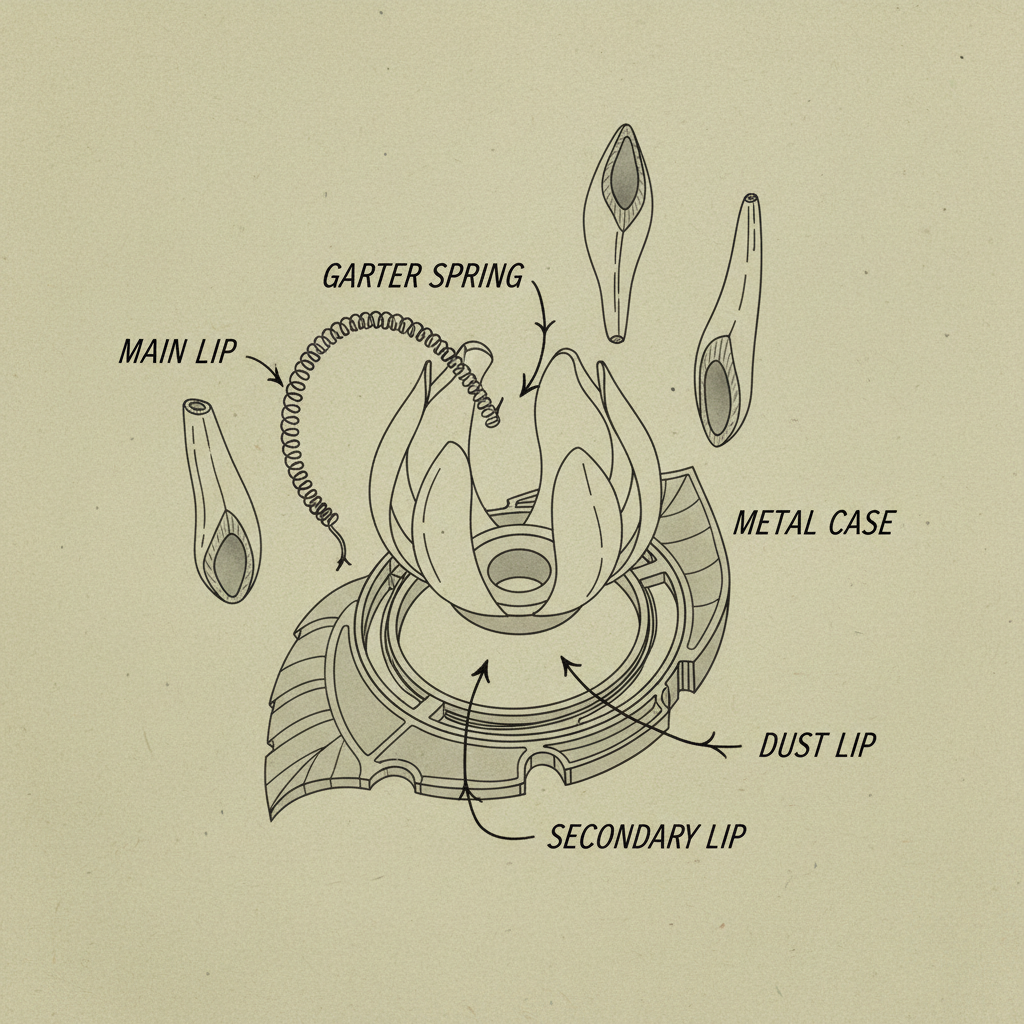
Navigating the Complex World of Oil Seal Rubber Part Materials and Design
-
Understanding Front Wheel Oil Seals for Vehicle Performance and Longevity
-
The Critical Role of Pos Oil Seals in Automotive Engine Performance and Longevity