Mar . 28, 2026 02:05 Back to list
Choosing the Best Spark Plug Supplier for Optimal Engine Performance
Choosing the Right Spark Plug Supplier: A Comprehensive Guide
Finding a reliable spark plug supplier is crucial for maintaining the performance and longevity of engines across various industries. From automotive to marine, and even industrial power generation, quality spark plugs are essential. This article will explore the key factors to consider when selecting a supplier, focusing on quality, reliability, and competitive pricing. We'll cover everything from understanding spark plug types to evaluating supplier certifications and logistical capabilities. Ensuring you partner with the right supplier can minimize downtime, reduce maintenance costs, and optimize engine efficiency.
Key Considerations When Selecting a Spark Plug Supplier
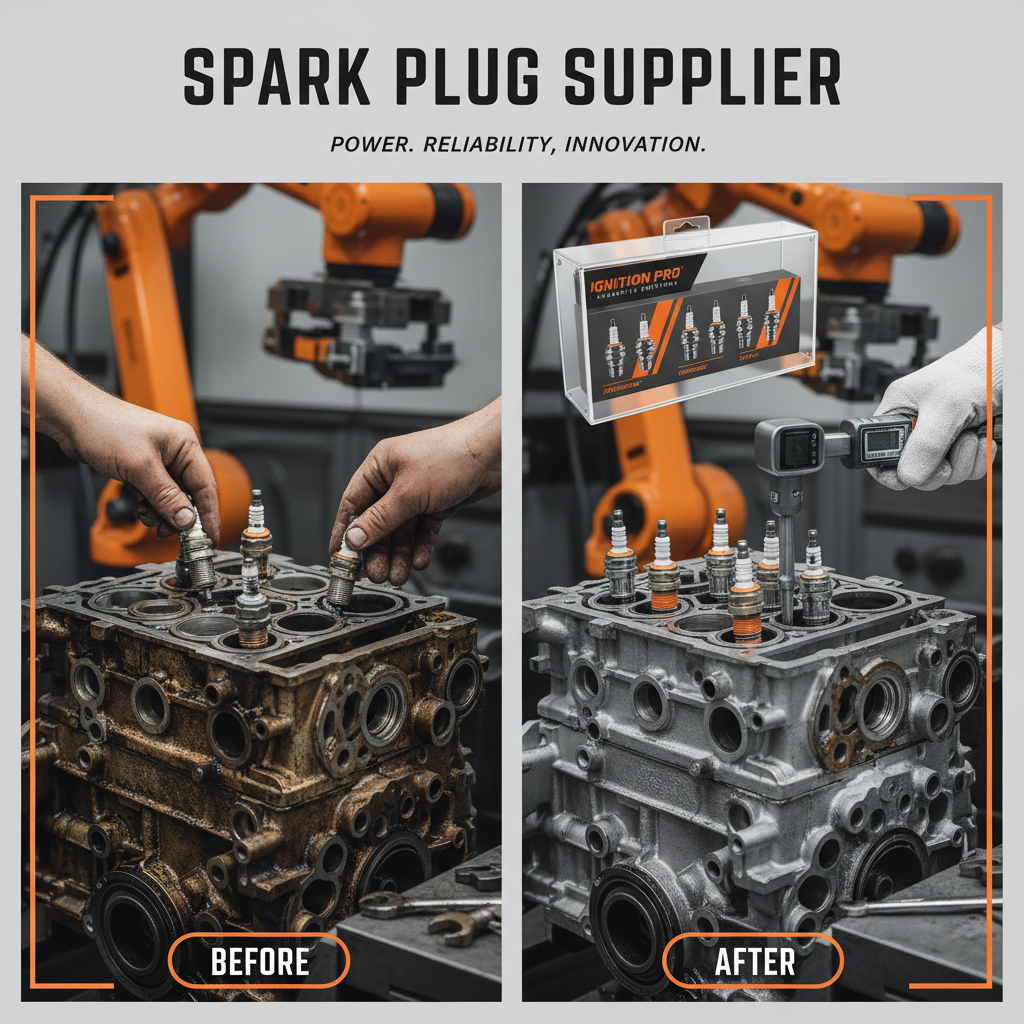
Several factors come into play when choosing the right spark plug supplier. First and foremost is product quality. A reputable supplier will offer spark plugs that meet or exceed OEM specifications. Beyond quality, consider the supplier's inventory levels; a large and diverse inventory ensures timely delivery. Pricing is, of course, important, but it shouldn't be the sole determining factor – prioritize value for money over the lowest possible price. Technical support can also be invaluable, particularly if you require assistance with product selection or troubleshooting. Finally, assess the supplier’s logistical capabilities, including shipping options and lead times.
Key Highlights: A reliable spark plug supplier prioritizes quality, maintains ample inventory, offers competitive pricing, provides technical support, and boasts efficient logistical capabilities.
Understanding Spark Plug Types and Applications
Spark plugs aren’t one-size-fits-all. Different engine types require specific spark plug designs. Copper spark plugs are a common and affordable option for standard engines. Platinum spark plugs offer increased durability and longer service intervals. Iridium spark plugs provide even greater longevity and performance, making them ideal for high-performance engines. Knowing the specific requirements of your application is crucial. Furthermore, consider the thread size, heat range, and gap specifications when selecting the appropriate spark plug. A trusted spark plug supplier will be able to guide you through these technical details.
Spark Plug Type Benefits:
• Copper: Affordable and suitable for standard engines.
• Platinum: Increased durability and longer service intervals.
• Iridium: Superior longevity and performance for high-performance engines.
Evaluating Spark Plug Supplier Certifications and Quality Control
Look for suppliers that hold relevant certifications, such as ISO 9001, which demonstrates a commitment to quality management systems. A robust quality control process is essential to ensure consistent product performance. Inquire about the supplier’s testing procedures and whether they perform inspections at various stages of production. Asking for sample spark plugs for testing can also be a good way to assess quality firsthand. Don't hesitate to request documentation, such as material certifications and test reports, to verify the supplier’s claims. A reliable supplier will be transparent and willing to provide this information.
Logistics and Supply Chain Management of a Spark Plug Supplier
A responsive and efficient supply chain is essential for minimizing downtime and ensuring a steady flow of spark plugs. Evaluate the supplier’s warehousing capabilities, shipping options, and lead times. Can they handle both small and large orders efficiently? Do they offer flexible shipping arrangements to meet your specific needs? Consider their geographic location and its impact on shipping costs and delivery times. A supplier with a robust logistics network can significantly improve your operational efficiency. Huimaooilseal.com excels in this area, offering streamlined logistics and prompt delivery.
Technical Support and Customer Service from Your Spark Plug Supplier
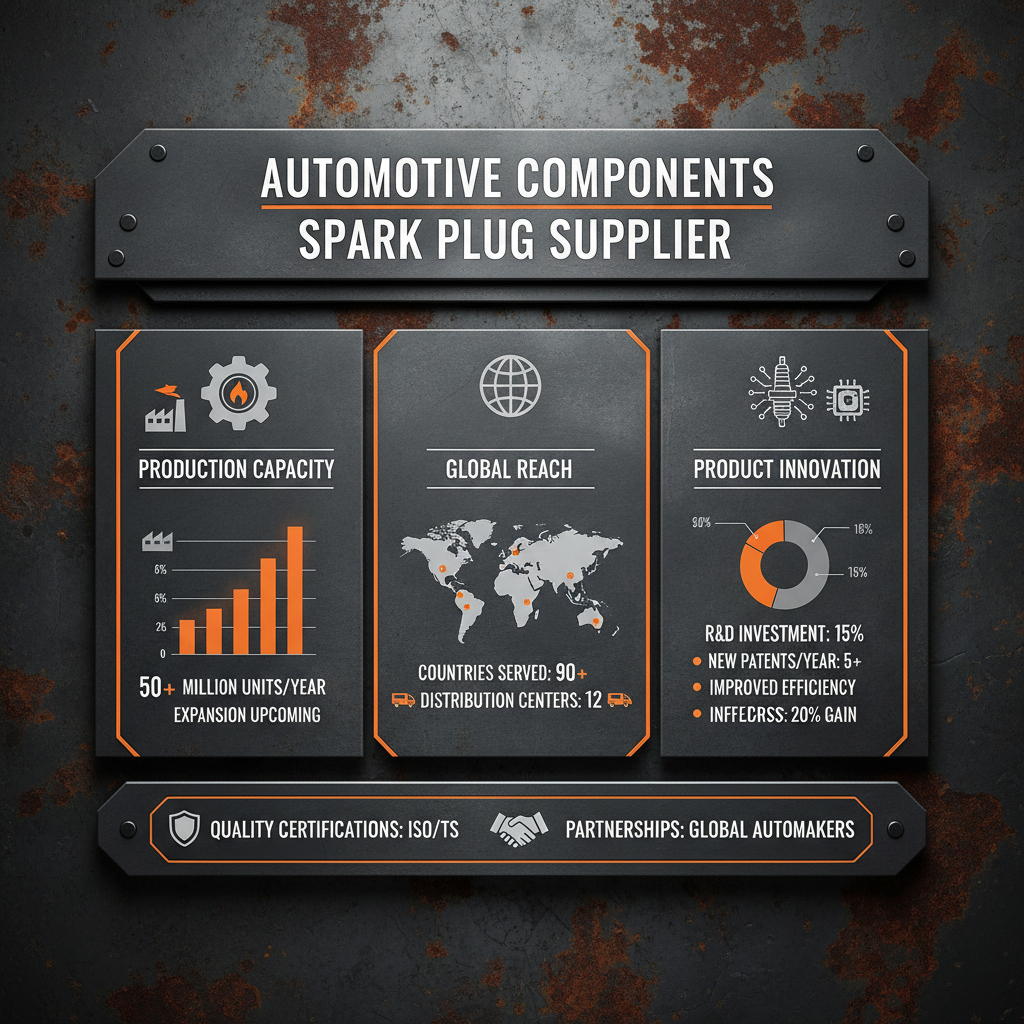
Exceptional customer service and readily available technical support are critical. Choose a supplier with a knowledgeable team that can assist with product selection, troubleshooting, and application-specific guidance. A supplier that proactively offers support and responds quickly to inquiries demonstrates a commitment to customer satisfaction. Consider their availability – do they offer 24/7 support? What communication channels do they provide (phone, email, online chat)? A strong partnership with your supplier goes beyond just delivering products; it includes ongoing support and expertise.
Conclusion: Partnering with the Right Spark Plug Supplier
Choosing the right spark plug supplier is a strategic decision that impacts engine performance, maintenance costs, and overall operational efficiency. By carefully evaluating quality, certifications, logistics, and customer support, you can forge a partnership that delivers long-term value. Don’t compromise on quality – invest in a supplier that prioritizes reliability and performance.
Frequently Asked Questions (FAQs)
What is the typical lead time for orders with a new spark plug supplier?
Lead times can vary significantly depending on the supplier’s inventory levels, shipping distance, and order complexity. Typically, a well-established supplier should be able to fulfill standard orders within 3-7 business days. However, for custom orders or large volumes, lead times may be longer. It’s crucial to discuss lead times upfront and establish clear communication channels to track order progress. A proactive supplier will provide regular updates and notify you of any potential delays. Choosing a supplier with a local warehouse can greatly reduce lead times.
What payment terms are commonly offered by spark plug suppliers?
Common payment terms include Net 30 (payment due within 30 days of invoice), credit card payment, and wire transfer. Some suppliers may offer early payment discounts. The specific terms will depend on your credit history and the supplier’s policies. It's important to clarify payment terms before placing an order and to ensure they align with your company’s financial practices. A reputable supplier will be transparent about their payment terms and provide clear invoicing procedures.
How can I ensure the spark plugs I receive are genuine and not counterfeit?
Counterfeit spark plugs are a growing concern. To mitigate this risk, only purchase from authorized distributors or directly from the manufacturer. Verify the supplier’s credentials and check for any warning signs, such as unusually low prices or poor packaging. Examine the spark plugs themselves for any inconsistencies in branding, markings, or materials. A reliable supplier will be able to provide documentation verifying the authenticity of their products.
What return policies do reputable spark plug suppliers typically offer?
Reputable suppliers generally offer a return policy for defective or incorrectly shipped products. The specific terms, such as the return window and restocking fees, will vary. Ensure you understand the supplier’s return process before making a purchase. It's also important to keep detailed records of your orders and any communication with the supplier regarding returns.
Latest news
-
Prechamber Spark Plugs for Enhanced Engine Combustion Efficiency
NewsApr.16,2026
-
Ultimate Guide to Choosing the Best Motorcycle Spark Plug
NewsApr.09,2026
-
The Vital Role of a Generator Spark Plug for Reliable Power Supply
NewsApr.07,2026
-
Understanding Engine Spark Plug Functionality for Optimal Performance
NewsApr.04,2026
-
Comprehensive Guide to Aircraft Spark Plugs for Optimal Engine Performance
NewsMar.31,2026
-
Choosing the Best Spark Plug Supplier for Optimal Engine Performance
NewsMar.28,2026