Apr . 04, 2026 02:05 Back to list
Understanding Engine Spark Plug Functionality for Optimal Performance
Understanding Your Engine Spark Plug: A Comprehensive Guide
The engine spark plug is a vital component of any combustion engine, responsible for igniting the air-fuel mixture that powers your vehicle. Understanding its function, types, and maintenance can significantly impact engine performance and longevity. At Huima Oil Seal, we’re dedicated to providing high-quality engine components, including solutions related to spark plug functionality. This article dives deep into the world of spark plugs, offering insights for both seasoned mechanics and everyday car owners. Ensuring proper spark plug operation is key to a smooth-running, fuel-efficient engine.
How Does an Engine Spark Plug Work?
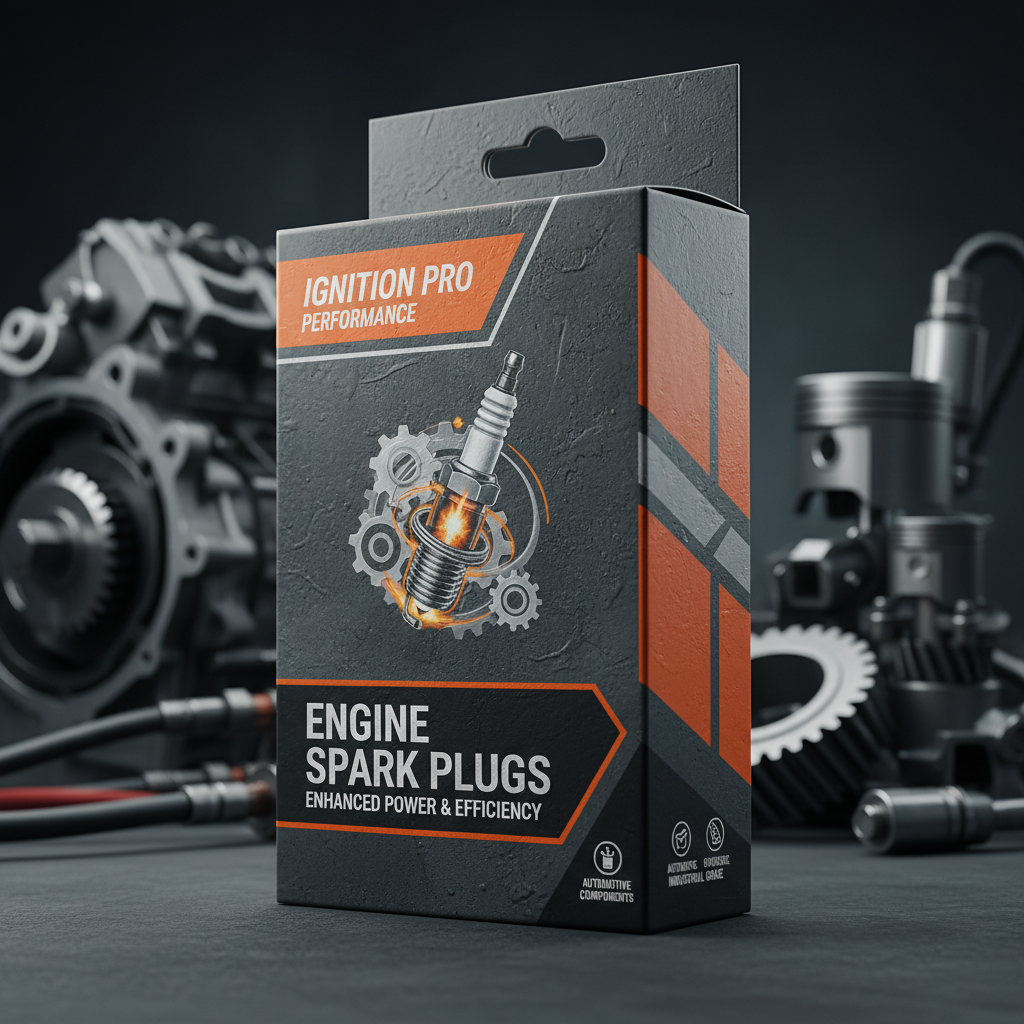
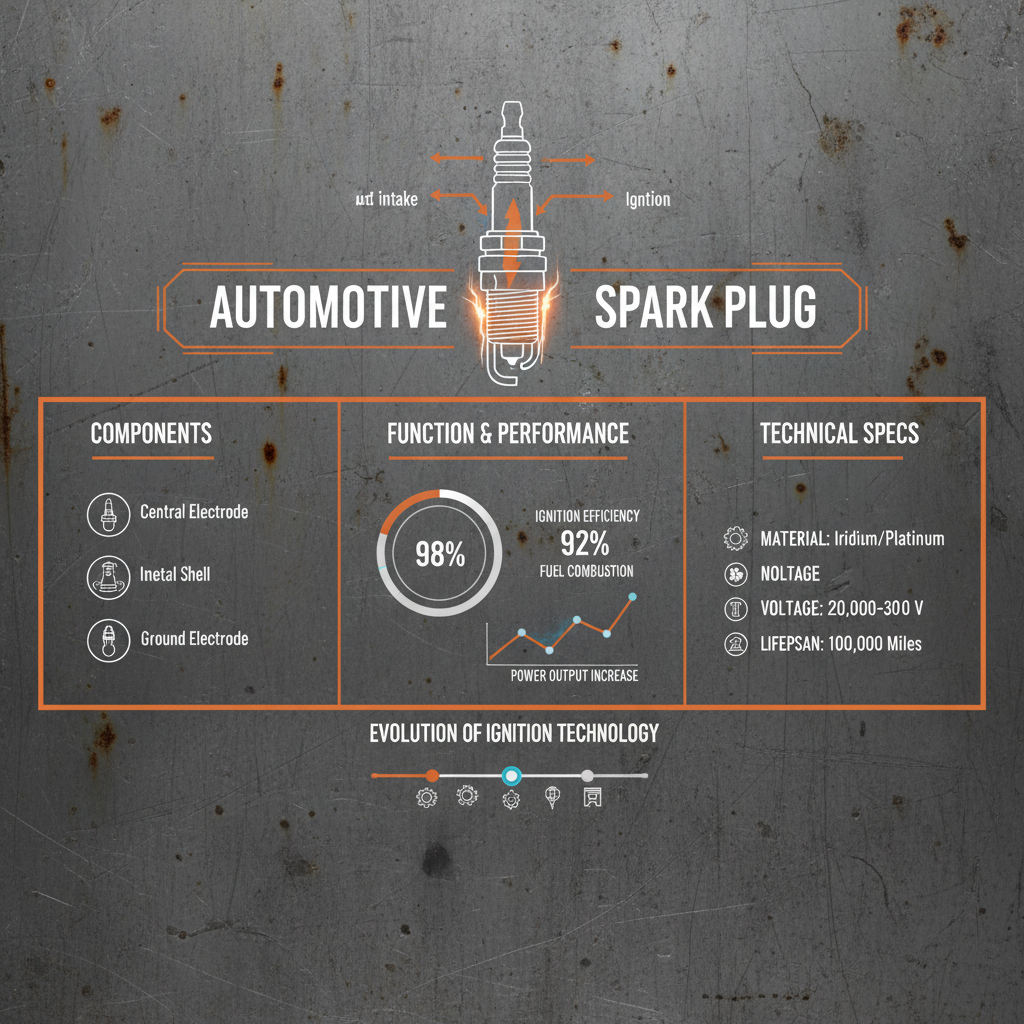
At its core, a spark plug delivers a high-voltage electrical spark to ignite the compressed air-fuel mixture within the engine's combustion chamber. This spark initiates the combustion process, generating the power that drives the vehicle. The spark plug consists of several key components: a center electrode, a ground electrode, an insulator (typically ceramic), and a metal shell. The voltage travels through the center electrode, creating a gap with the ground electrode. When the voltage is high enough, it jumps this gap, forming the spark. The insulator prevents the electricity from short-circuiting to the engine block. A well-functioning spark plug is crucial for optimal engine performance.
Key Takeaway: The spark plug’s primary function is to reliably ignite the air-fuel mixture, contributing to efficient combustion and optimal engine power.
Different Types of Engine Spark Plugs
Spark plugs aren't one-size-fits-all. Different types are designed for various engine types and performance levels. Some common types include: Copper spark plugs (traditional, affordable, shorter lifespan), Platinum spark plugs (longer lifespan, better performance), and Iridium spark plugs (longest lifespan, highest performance, most expensive). The choice depends on your vehicle’s manufacturer recommendations and your driving style. Using the wrong type of spark plug can lead to reduced performance, poor fuel economy, and even engine damage. Huima Oil Seal provides information and solutions for selecting the right spark plug for your specific engine.
Spark Plug Comparison:
• Copper: Cost-effective, shorter lifespan (20,000-30,000 miles)
• Platinum: Improved lifespan (60,000-100,000 miles), better performance
• Iridium: Longest lifespan (100,000+ miles), superior performance, highest cost
Identifying Common Engine Spark Plug Problems
Several issues can plague spark plugs, leading to engine problems. Fouling (carbon buildup on the plug), wear and tear on the electrodes, and cracking of the insulator are common culprits. Symptoms of bad spark plugs include engine misfires, rough idling, reduced fuel efficiency, and difficulty starting the engine. Regular inspection and replacement of spark plugs are essential for preventing these problems. Ignoring these symptoms can lead to more severe engine damage and costly repairs. Utilizing quality parts, such as those from Huima Oil Seal, can help minimize the risk of these issues.
Spark Plug Maintenance and Replacement
Regular maintenance is key to maximizing the lifespan of your spark plugs. This includes visually inspecting the plugs for wear and tear, cleaning them if necessary, and gapping them correctly. The gap refers to the distance between the center and ground electrodes. Incorrect gapping can affect the spark’s strength and efficiency. Refer to your vehicle’s service manual for the proper gap specification. Replacing spark plugs typically involves disconnecting the spark plug wires, removing the old plugs, installing the new ones, and tightening them to the correct torque specification. For professional assistance and high-quality engine spark plugs, visit Huima Oil Seal.
Choosing the Right Spark Plug for Your Vehicle
Selecting the correct spark plug for your vehicle is crucial for optimal performance. Always consult your vehicle's owner's manual or a trusted mechanic to determine the recommended spark plug type and gap. Using the wrong spark plug can lead to decreased fuel efficiency, engine misfires, and even engine damage. Consider factors like your driving style and the conditions in which you operate your vehicle. High-performance engines may benefit from iridium spark plugs, while everyday vehicles may be perfectly suited for platinum or copper plugs. Huima Oil Seal can help you find the perfect match for your engine.
Conclusion: Keeping Your Engine Firing
Understanding the role of the engine spark plug is fundamental to maintaining a healthy and efficient engine. Regular inspection, proper maintenance, and selecting the right plug type are essential steps. By prioritizing spark plug health, you can ensure reliable performance, optimal fuel economy, and a longer engine lifespan. Don't neglect this small but vital component!
Frequently Asked Questions (FAQs)
How often should I replace my spark plugs?
The recommended replacement interval for spark plugs varies depending on the type of plug and your vehicle's manufacturer recommendations. Generally, copper plugs should be replaced every 20,000-30,000 miles, platinum plugs every 60,000-100,000 miles, and iridium plugs every 100,000+ miles. However, it's crucial to inspect your spark plugs regularly for signs of wear and tear, such as fouling, erosion, or cracking, and replace them as needed, even if they haven't reached the recommended mileage. Factors like driving conditions and engine type can also influence the replacement frequency. Refer to your vehicle's owner's manual for specific guidelines.
What does it mean if my spark plugs are fouled?
Fouling refers to the buildup of deposits on the spark plug electrodes, which can interfere with their ability to ignite the air-fuel mixture effectively. There are several types of fouling, including carbon fouling (black, sooty deposits), oil fouling (wet, oily deposits), and lead fouling (grayish deposits). Fouling can be caused by various factors, such as a rich air-fuel mixture, a faulty oil control system, or the use of leaded fuel (in older vehicles). Fouled spark plugs can lead to engine misfires, rough idling, and reduced fuel efficiency.
How do I gap a spark plug?
Gapping a spark plug involves adjusting the distance between the center and ground electrodes to the manufacturer's specifications. You'll need a spark plug gapping tool to accurately measure and adjust the gap. Insert the appropriate size of the gapping tool between the electrodes and gently bend the ground electrode until the desired gap is achieved. Always refer to your vehicle's service manual for the correct gap specification. Improper gapping can lead to poor engine performance.
Can I use anti-seize lubricant on spark plugs?
Using a small amount of anti-seize lubricant on the threads of spark plugs can help prevent them from seizing in the cylinder head, making them easier to remove during future maintenance. However, it's crucial to use anti-seize sparingly, as excessive amounts can interfere with the grounding of the spark plug and affect its performance. Some spark plugs come with a pre-applied coating that eliminates the need for additional anti-seize. Always follow the manufacturer's recommendations regarding the use of anti-seize lubricant.
Latest news
-
Prechamber Spark Plugs for Enhanced Engine Combustion Efficiency
NewsApr.16,2026
-
Ultimate Guide to Choosing the Best Motorcycle Spark Plug
NewsApr.09,2026
-
The Vital Role of a Generator Spark Plug for Reliable Power Supply
NewsApr.07,2026
-
Understanding Engine Spark Plug Functionality for Optimal Performance
NewsApr.04,2026
-
Comprehensive Guide to Aircraft Spark Plugs for Optimal Engine Performance
NewsMar.31,2026
-
Choosing the Best Spark Plug Supplier for Optimal Engine Performance
NewsMar.28,2026