Apr . 16, 2026 02:05 Back to list
Prechamber Spark Plugs for Enhanced Engine Combustion Efficiency
Prechamber Spark Plugs: Revolutionizing Combustion Efficiency
In the pursuit of higher engine efficiency and lower emissions, the automotive industry has turned to innovative ignition systems. Among these, prechamber spark plugs represent a significant leap forward in combustion technology. Unlike traditional spark plugs that ignite a fuel-air mixture directly in the main cylinder, prechamber systems create a localized, high-energy ignition event that triggers a more complete and rapid burn. This technology is essential for modern lean-burn engines and high-performance applications where every drop of fuel must be utilized optimally to maximize power and minimize environmental impact.
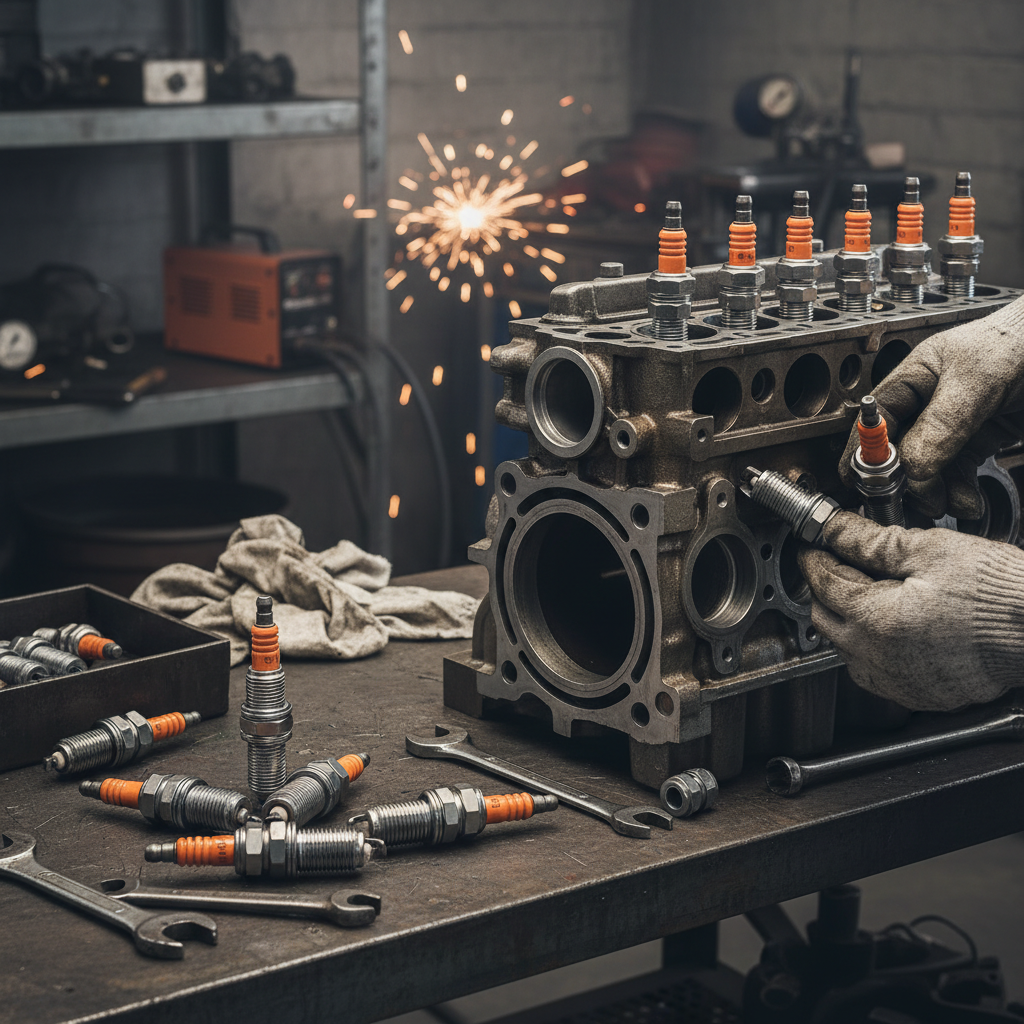
How Prechamber Spark Plugs Enhance Engine Performance
The operational principle of prechamber spark plugs is based on the creation of "jet ignition." A small amount of fuel and air is ignited within a tiny auxiliary chamber. This ignition creates a high-pressure plasma jet that shoots through small orifices into the main combustion chamber, creating multiple ignition points simultaneously. This multi-point ignition drastically reduces the time it takes for the flame front to travel across the cylinder, which effectively prevents knocking and allows for a higher compression ratio. Consequently, the engine produces more torque and power while operating more stably under extreme loads.
Key Advantage: By accelerating the combustion process, these plugs enable the use of leaner fuel mixtures, which directly results in improved fuel economy and a significant reduction in CO2 and NOx emissions.
Comparing Prechamber Spark Plugs vs. Conventional Systems
When comparing prechamber spark plugs to standard ignition systems, the difference in flame propagation is stark. Conventional plugs rely on a single point of ignition, which can lead to uneven combustion in lean-burn scenarios. In contrast, the prechamber design ensures a homogeneous and rapid burn. This is particularly beneficial for turbocharged engines where cylinder pressures are exceptionally high. The following table highlights the core technical differences between the two systems.
Material Science in Prechamber Spark Plug Design
Due to the extreme thermal and mechanical stress within the prechamber, the materials used in prechamber spark plugs must be of the highest grade. The electrodes often utilize iridium or platinum to prevent erosion from the intense plasma jets. Additionally, the ceramic insulators must possess exceptional thermal shock resistance to withstand the rapid temperature fluctuations between the intake and combustion strokes. The precision engineering of the prechamber's geometry is also critical, as even a micron-level deviation can affect the jet velocity and overall ignition timing.
Technical Specifications for Industrial Prechamber Plugs
Selecting the right prechamber spark plugs requires a deep understanding of the engine's technical requirements. Factors such as heat range, thread diameter, and the specific volume of the prechamber determine the efficiency of the jet ignition. Below is a representative specification table for a high-performance industrial grade prechamber ignition unit.
Environmental Impact and Future Trends of Ignition
The shift toward sustainability in the automotive sector makes prechamber spark plugs more relevant than ever. By enabling leaner combustion, they significantly reduce the carbon footprint of internal combustion engines. Future developments are focusing on "intelligent" prechamber systems that can adjust the jet flow based on real-time sensor data, further optimizing fuel consumption. As we bridge the gap between traditional combustion and fully electric powertrains, this technology ensures that existing engine architectures remain viable and eco-friendly.
Installation and Maintenance Best Practices
Due to their complexity, the installation of prechamber spark plugs requires precision torque tools to avoid damaging the prechamber housing. Maintenance schedules should be strictly followed, as carbon buildup within the tiny prechamber can obstruct the plasma jets, leading to misfires and reduced efficiency. Using high-quality synthetic fuels and regular engine cleaning can extend the lifespan of these advanced components. Professional diagnostics are recommended to ensure the ignition timing remains perfectly synced with the jet propagation speed.
Conclusion: The Future of Combustion is Prechambered
The adoption of prechamber spark plugs marks a pivotal moment in engine optimization. By combining advanced material science with fluid dynamics, these components allow engines to run leaner, cleaner, and more powerfully. Whether for racing applications or industrial efficiency, the prechamber system offers a tangible solution to the conflict between performance and emissions. Investing in high-quality ignition components is the most effective way to ensure the longevity and sustainability of modern combustion engines.
Frequently Asked Questions (FAQs)
Do prechamber spark plugs work in any engine?
No, prechamber spark plugs cannot be simply swapped into a standard engine. They require a specific cylinder head design that includes the auxiliary prechamber and the precise orifices required for jet ignition. These systems are typically engineered into the engine from the factory or added via a complete cylinder head modification. If you are looking for compatible components, we recommend visiting huimaooilseal.com for professional guidance on engine seals and related ignition hardware.
How often should prechamber spark plugs be replaced?
Replacement intervals vary based on the fuel quality and engine load. However, due to the intense nature of plasma jetting, the electrodes can wear faster than in standard plugs. In high-performance settings, they may need inspection every 10,000 to 20,000 miles. For industrial use, following the manufacturer's hourly runtime guide is essential to prevent carbon clogging and maintain peak combustion efficiency.
Can these plugs help reduce engine knocking?
Yes, significantly. Engine knocking occurs when the fuel-air mixture ignites spontaneously in areas other than the spark plug. Because prechamber spark plugs initiate combustion via multiple high-velocity jets, the entire cylinder burns much faster. This rapid flame propagation leaves no time for the "end-gas" to auto-ignite, effectively eliminating knock and allowing the engine to operate at higher compression ratios safely.
What is the main difference between a standard plug and a prechamber plug?
The fundamental difference is the location of the ignition. A standard plug ignites the main combustion chamber directly. A prechamber plug ignites a tiny separate chamber, which then "injects" the flame into the main chamber through jets. This turns a single point of ignition into a multi-point ignition event, resulting in superior combustion speed and the ability to burn lean mixtures that would otherwise be unignitable.
Latest news
-
Prechamber Spark Plugs for Enhanced Engine Combustion Efficiency
NewsApr.16,2026
-
Ultimate Guide to Choosing the Best Motorcycle Spark Plug
NewsApr.09,2026
-
The Vital Role of a Generator Spark Plug for Reliable Power Supply
NewsApr.07,2026
-
Understanding Engine Spark Plug Functionality for Optimal Performance
NewsApr.04,2026
-
Comprehensive Guide to Aircraft Spark Plugs for Optimal Engine Performance
NewsMar.31,2026
-
Choosing the Best Spark Plug Supplier for Optimal Engine Performance
NewsMar.28,2026