Mar . 31, 2026 02:05 Back to list
Comprehensive Guide to Aircraft Spark Plugs for Optimal Engine Performance
Understanding Aircraft Spark Plugs: A Comprehensive Guide
Aircraft spark plugs are critical components in aviation engines, responsible for igniting the air-fuel mixture and initiating the combustion process. Ensuring their proper function is paramount for flight safety and engine performance. This article will explore the intricacies of aircraft spark plugs, covering their types, maintenance, common issues, and the importance of sourcing high-quality replacements. A reliable spark plug ensures efficient fuel consumption and minimizes the risk of engine failure. We’ll delve into the specifications and how they contribute to the overall reliability of aircraft engines.
Types of Aircraft Spark Plugs
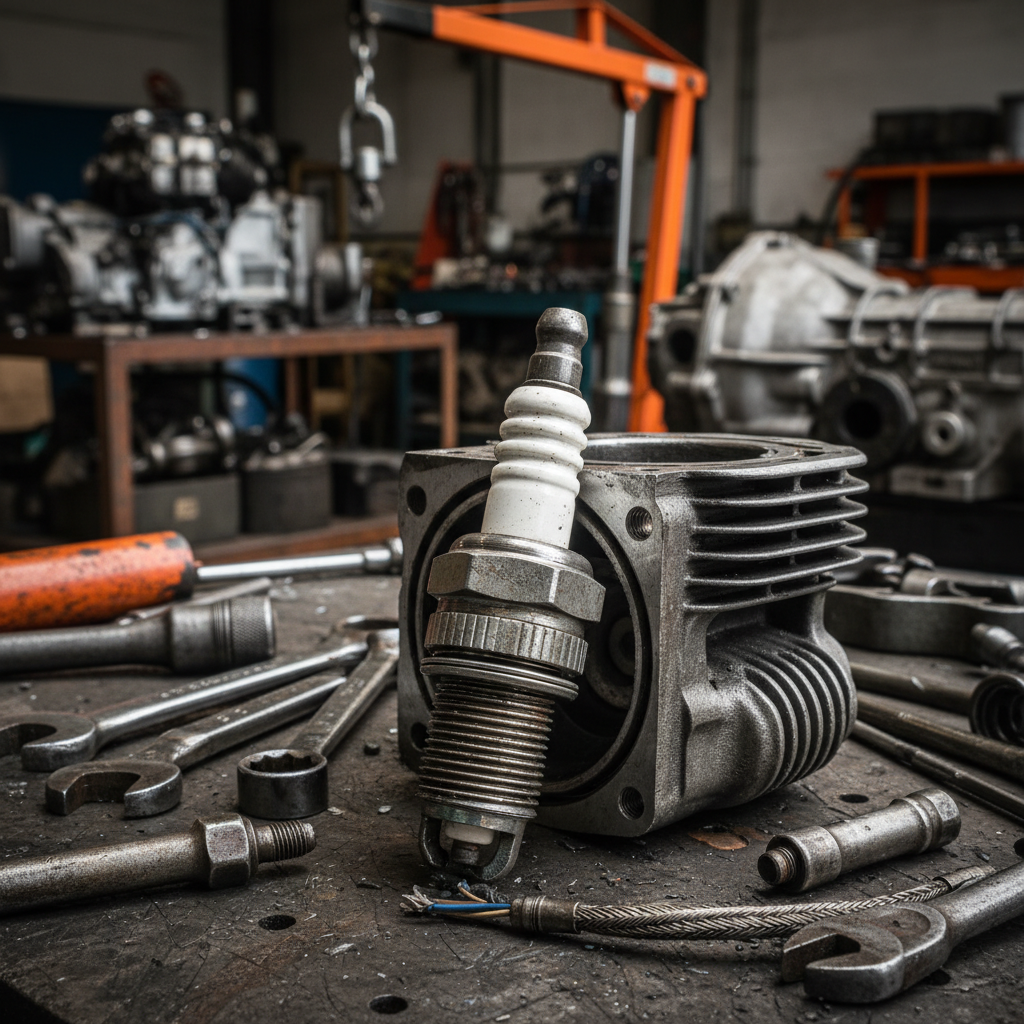
Aircraft spark plugs are categorized based on their electrode material, heat range, and thread size. Common types include: massive electrode plugs (renowned for longevity), fine wire plugs (optimized for starting and fuel efficiency), and resistor plugs (designed to suppress radio interference). The choice of spark plug depends on the specific engine model and operational requirements. Champion and Lycoming are two prominent manufacturers known for their robust designs. Understanding these differences is crucial for selecting the correct replacement during maintenance.
Key Takeaway: Different spark plug types offer unique advantages, influencing engine starting, fuel efficiency, and longevity. Selecting the appropriate plug is vital for optimal performance.
Heat Range and its Significance
The heat range of a spark plug refers to its ability to dissipate heat. 'Hot' plugs retain more heat, reducing the risk of fouling in low-speed or cold-weather operations, while 'cold' plugs dissipate heat more rapidly, preventing pre-ignition in high-performance engines. Selecting the correct heat range is critical for preventing engine damage and ensuring optimal combustion. Using the wrong heat range can lead to issues like pre-ignition, detonation, or excessive carbon buildup.
Heat Range Benefits:
• Prevents pre-ignition and detonation.
• Reduces the risk of spark plug fouling.
• Ensures optimal combustion efficiency.
• Maximizes engine performance.
Aircraft Spark Plug Comparison: Champion vs. Lycoming
Champion and Lycoming are leading manufacturers of aircraft spark plugs, each offering distinct advantages. Champion is known for its wide range of plugs suitable for various engine types and its innovative electrode designs. Lycoming, as an engine manufacturer, designs plugs specifically optimized for its engines, ensuring compatibility and performance. The choice between the two often depends on the specific aircraft and engine model.
Maintaining Aircraft Spark Plugs: Best Practices
Regular inspection and maintenance of aircraft spark plugs are crucial for ensuring reliable engine operation. This includes checking for wear, erosion, fouling, and proper gap settings. Cleaning the plugs with a specialized spark plug cleaner can remove carbon buildup and restore performance. Replacing worn or damaged plugs promptly is essential to prevent engine misfires and potential damage. Always consult the aircraft maintenance manual for specific recommendations. Huimaooilseal.com provides high-quality spark plugs and related components for optimal engine health.
Understanding Spark Plug Specifications
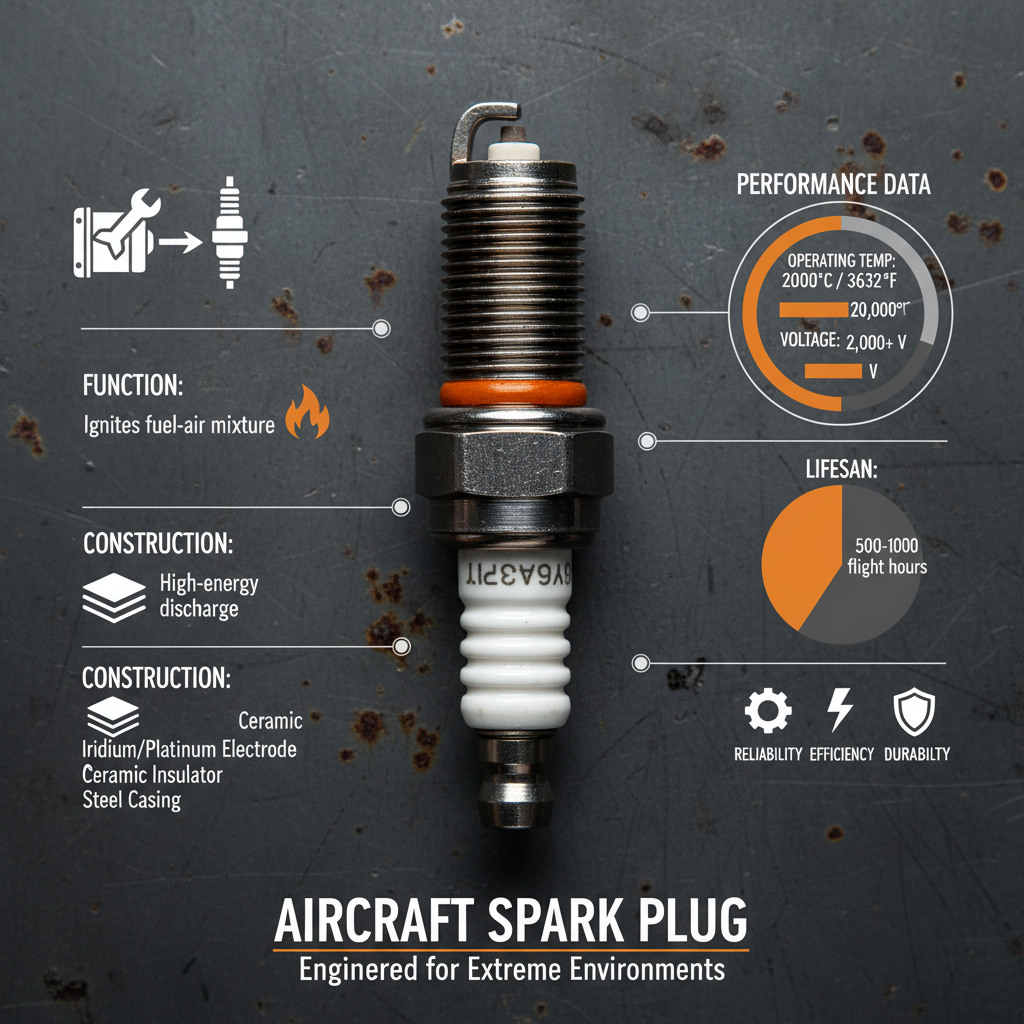
Aircraft spark plugs are defined by a series of specifications that ensure correct fit and function. Key specifications include thread size, reach, hex size, and gap. The thread size refers to the diameter and pitch of the threads. Reach indicates the distance from the plug's base to the electrode. Hex size determines the wrench required for installation. The gap is the distance between the center and side electrodes, influencing the spark intensity. It is vital to adhere to the engine manufacturer's specifications when selecting and gapping spark plugs.
Conclusion: Ensuring Engine Reliability with Quality Spark Plugs
Investing in high-quality aircraft spark plugs and adhering to proper maintenance procedures are essential for ensuring engine reliability and flight safety. By understanding the different types, heat ranges, and specifications, you can make informed decisions when selecting and replacing spark plugs. Prioritize quality and consult with aviation professionals for guidance.
Frequently Asked Questions (FAQs)
What is the recommended inspection interval for aircraft spark plugs?
The recommended inspection interval varies depending on the engine type and operating conditions. However, as a general guideline, spark plugs should be inspected every 500 hours of operation, or annually, whichever comes first. During inspection, check for wear, erosion, fouling, and proper gap settings. More frequent inspections may be necessary for engines operating in harsh environments or subjected to heavy use. Always refer to the aircraft maintenance manual for specific recommendations.
What causes spark plug fouling?
Spark plug fouling occurs when deposits accumulate on the electrodes, interfering with the spark. Common causes include excessive oil consumption, rich fuel mixtures, weak magneto, and improper idle mixture settings. Carbon deposits are a frequent culprit, particularly in engines operating at low temperatures. Regular engine tune-ups and proper maintenance can help prevent fouling.
How do I determine the correct spark plug gap?
The correct spark plug gap is specified by the engine manufacturer. Consult the aircraft maintenance manual or spark plug manufacturer's specifications to determine the appropriate gap for your engine. Use a spark plug gapping tool to accurately measure and adjust the gap. Incorrect gapping can lead to misfires, reduced performance, and potential engine damage.
Latest news
-
Prechamber Spark Plugs for Enhanced Engine Combustion Efficiency
NewsApr.16,2026
-
Ultimate Guide to Choosing the Best Motorcycle Spark Plug
NewsApr.09,2026
-
The Vital Role of a Generator Spark Plug for Reliable Power Supply
NewsApr.07,2026
-
Understanding Engine Spark Plug Functionality for Optimal Performance
NewsApr.04,2026
-
Comprehensive Guide to Aircraft Spark Plugs for Optimal Engine Performance
NewsMar.31,2026
-
Choosing the Best Spark Plug Supplier for Optimal Engine Performance
NewsMar.28,2026