Mar . 05, 2026 02:05 Back to list
Understanding Spark Plug Motor Functionality for Optimal Engine Performance
Understanding the Functionality of a Spark Plug Motor
The spark plug motor, often integrated within the engine’s ignition system, is a critical component ensuring efficient combustion. It's responsible for generating the high-voltage spark needed to ignite the air-fuel mixture. This article will explore its operation, key features, common applications, maintenance tips, and recent advancements, offering insights for both automotive enthusiasts and professionals. Understanding the nuances of a spark plug motor is vital for maintaining optimal engine performance.

How Does a Spark Plug Motor Work?
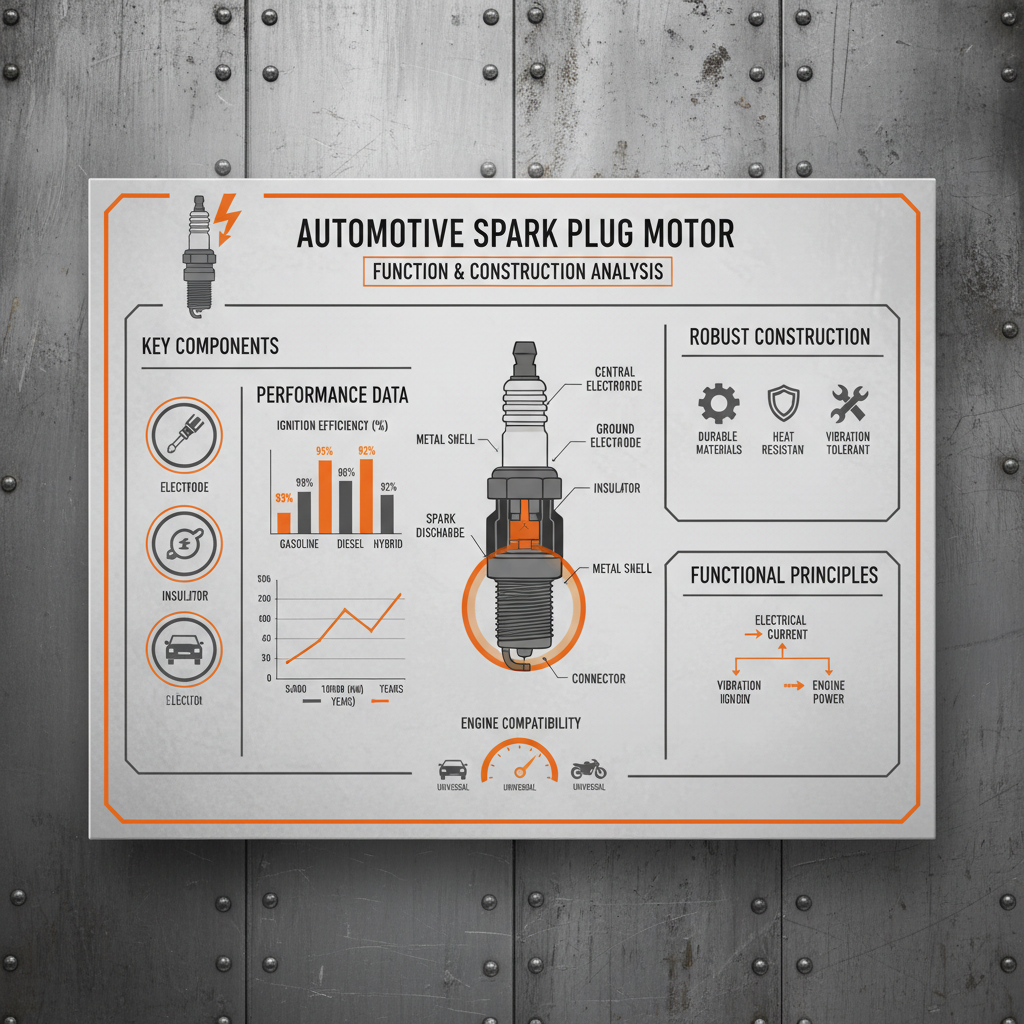
At its core, a spark plug motor functions by converting the car's electrical system's low voltage into a significantly higher voltage – typically between 20,000 and 100,000 volts. This transformation is primarily handled by the ignition coil. The high-voltage electricity then travels through the spark plug wire to the spark plug. Inside the spark plug, a gap between the center and ground electrodes generates a spark, igniting the compressed air-fuel mixture within the engine cylinder. This precise ignition is what drives the piston, ultimately powering the vehicle. A well-functioning spark plug motor is essential for smooth and efficient engine operation.
Key Highlights: Converting low voltage into high voltage, generating a spark to ignite the air-fuel mixture, crucial for engine operation.
Types of Spark Plug Motors: A Comparative Overview
There are several types of spark plug motors, each with its own characteristics and applications. The most common include: conventional, resistor, and platinum. Conventional spark plugs are the most basic and affordable option, while resistor plugs incorporate a resistor to suppress radio frequency interference. Platinum plugs offer extended lifespan and improved performance. More recent technologies like iridium spark plugs provide even longer life and more consistent spark. Choosing the right type depends on your vehicle's specifications and your performance expectations.
Spark Plug Type Comparison:
• Conventional: Most affordable, shortest lifespan.
• Resistor: Suppresses interference, moderate lifespan.
• Platinum: Extended lifespan, improved performance.
• Iridium: Longest lifespan, consistent spark.
Spark Plug Motor Performance and Efficiency
The performance and efficiency of a spark plug motor directly impacts fuel economy, emissions, and engine power. A faulty or worn spark plug can lead to misfires, reduced power, and increased fuel consumption. Regular inspection and replacement of spark plugs are crucial for maintaining optimal engine performance. Factors like electrode wear, fouling, and gap size can all affect its operation. Utilizing high-quality spark plugs and adhering to the manufacturer's recommended maintenance schedule can significantly enhance engine efficiency.
Maintaining Your Spark Plug Motor: Best Practices
Regular maintenance is crucial for extending the life of your spark plug motor. This includes inspecting the plugs for wear and tear, cleaning them as needed, and replacing them according to the manufacturer's recommendations. Using the correct spark plug type for your vehicle is essential. Ensure the spark plug gap is correctly adjusted before installation. Additionally, avoid over-tightening the spark plugs, as this can damage the threads in the cylinder head. Professional inspection and replacement are recommended for optimal results.
Future Trends in Spark Plug Motor Technology
The future of spark plug motor technology is focused on improving efficiency, reducing emissions, and extending lifespan. Innovations include plasma ignition systems, which offer more consistent and powerful ignition, and the development of new materials for electrodes that can withstand higher temperatures and wear. Research into multi-spark technologies, which fire the spark multiple times per combustion cycle, is also underway. These advancements promise to further enhance engine performance and reduce environmental impact.
Conclusion: Maximizing Engine Performance with a Reliable Spark Plug Motor
A functional spark plug motor is the cornerstone of a healthy engine. Understanding its operation, selecting the appropriate type, and implementing regular maintenance are vital for ensuring optimal performance, fuel efficiency, and longevity. By prioritizing these aspects, you can maximize your engine's potential and enjoy a smoother, more reliable driving experience.
Frequently Asked Questions (FAQs)
How often should I replace my spark plugs?
The recommended replacement interval for spark plugs varies depending on the plug type and vehicle manufacturer. Generally, conventional spark plugs should be replaced every 30,000 miles, platinum plugs every 60,000 miles, and iridium plugs every 100,000 miles. However, it's always best to consult your vehicle's owner's manual for specific recommendations. Signs of needing replacement include engine misfires, rough idling, and reduced fuel efficiency. Regular inspection can help determine if replacement is necessary before these symptoms occur.
What causes spark plug fouling?
Spark plug fouling occurs when deposits accumulate on the electrodes, hindering their ability to generate a spark. Common causes include oil leaks into the combustion chamber, excessive fuel consumption, a faulty fuel mixture, or the use of incorrect spark plugs. Fouling can manifest as carbon deposits, oil residue, or other contaminants. Regular maintenance, including oil changes and ensuring a proper fuel-air mixture, can help prevent fouling.
Can a faulty spark plug cause engine damage?
Yes, a faulty spark plug can potentially lead to engine damage. Misfires caused by a bad spark plug can send unburned fuel into the catalytic converter, potentially damaging it. Prolonged misfires can also cause increased stress on other engine components. Therefore, addressing spark plug issues promptly is crucial to prevent more serious and costly repairs.
Latest news
-
Prechamber Spark Plugs for Enhanced Engine Combustion Efficiency
NewsApr.16,2026
-
Ultimate Guide to Choosing the Best Motorcycle Spark Plug
NewsApr.09,2026
-
The Vital Role of a Generator Spark Plug for Reliable Power Supply
NewsApr.07,2026
-
Understanding Engine Spark Plug Functionality for Optimal Performance
NewsApr.04,2026
-
Comprehensive Guide to Aircraft Spark Plugs for Optimal Engine Performance
NewsMar.31,2026
-
Choosing the Best Spark Plug Supplier for Optimal Engine Performance
NewsMar.28,2026