Mar . 07, 2026 02:05 Back to list
Understanding Spark Plug Gaskets for Optimal Engine Performance and Reliability
Understanding Spark Plug Gaskets: A Comprehensive Guide
Spark plug gaskets are critical components in ensuring the efficient operation of internal combustion engines. These small, often overlooked seals play a vital role in maintaining compression and preventing leaks. This article delves into the world of spark plug gaskets, covering their function, materials, types, installation, and common issues. Understanding these gaskets is crucial for mechanics, DIY enthusiasts, and anyone looking to optimize their engine's performance. A well-maintained spark plug gasket can contribute to improved fuel efficiency and reduced emissions.
The Core Function of a Spark Plug Gasket
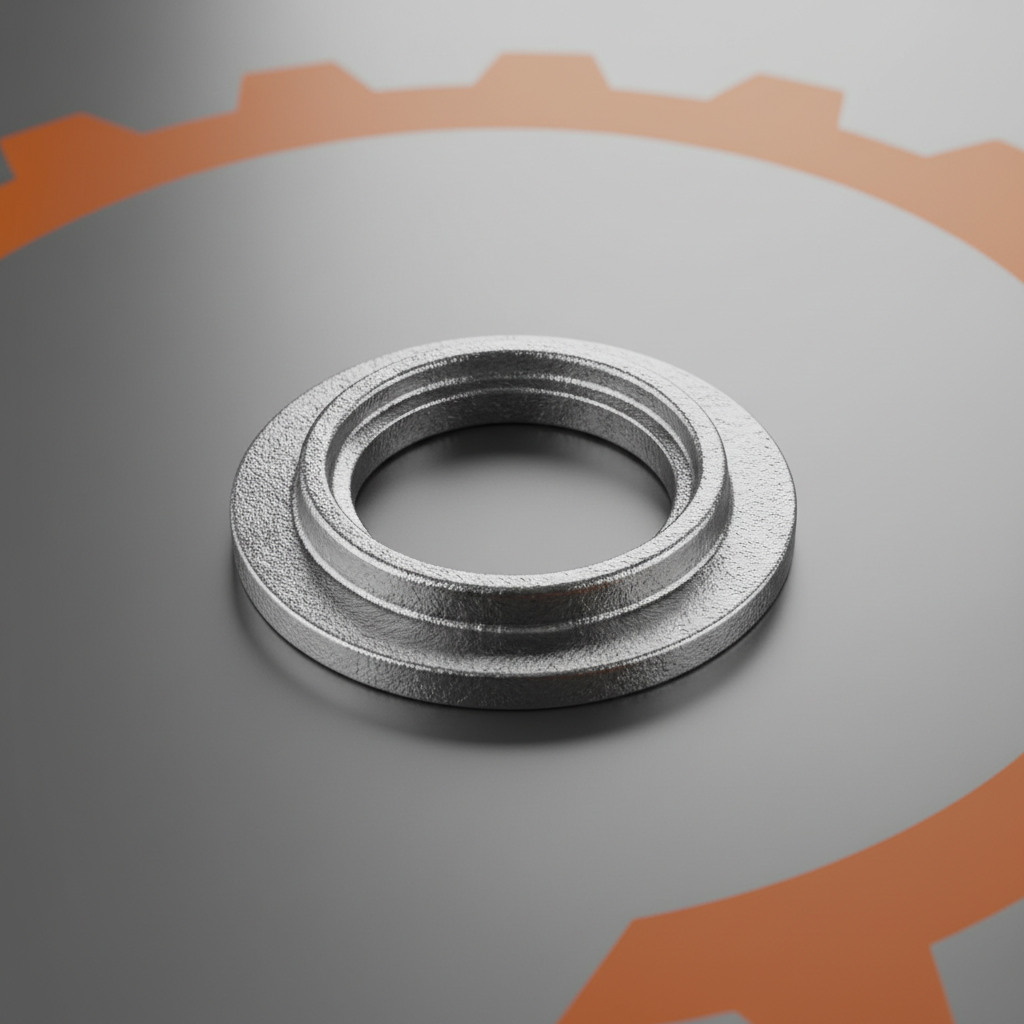
The primary function of a spark plug gasket is to create a tight seal between the spark plug and the cylinder head. This seal prevents combustion gases from escaping the cylinder, which would result in a loss of compression and reduced engine power. Without a proper seal, you may experience misfires, reduced fuel efficiency, and potential damage to other engine components. These gaskets also protect the spark plug threads from corrosion and damage. A faulty gasket can lead to significant engine problems if left unaddressed. Choosing a high-quality spark plug gasket is essential for maintaining optimal engine performance.
Key Benefits: A properly sealed spark plug ensures maximum combustion efficiency, prevents gas leaks, protects spark plug threads, and contributes to overall engine health.
Types of Spark Plug Gaskets
Spark plug gaskets come in various types, each suited for different engine designs and spark plug types. The most common types include:
- Flat Gaskets: These are the most basic type, made from a flat sheet of material.
- Cone Washers: Often used with tapered spark plug seats, cone washers provide a superior seal by compressing into the tapered surface.
- Multi-Layer Steel (MLS) Gaskets: These gaskets offer excellent sealing properties and are commonly found in high-performance engines.
- Rubber Gaskets: Typically used in older engines or lower-pressure applications.
The choice of gasket depends on the engine manufacturer’s specifications and the type of spark plugs being used. Using the incorrect gasket can compromise the seal and lead to engine problems.
Gasket Type Comparison:
• Flat Gaskets: Simple, cost-effective, suitable for basic applications.
• Cone Washers: Excellent sealing with tapered seats, durable.
• MLS Gaskets: High-performance, superior sealing, ideal for high-pressure engines.
• Rubber Gaskets: Low cost, best for older or low-pressure systems.
Materials Used in Spark Plug Gasket Manufacturing
The materials used to manufacture spark plug gaskets are crucial for their performance and durability. Common materials include:
Installation Best Practices for Spark Plug Gaskets
Proper installation is crucial for ensuring a reliable seal. Here are some best practices:
- Clean the surfaces: Thoroughly clean the spark plug seat and cylinder head to remove any debris or old gasket material.
- Use a torque wrench: Tighten the spark plug to the manufacturer's specified torque. Over-tightening can damage the gasket or cylinder head.
- Inspect the gasket: Check the gasket for any signs of damage before installation.
- Replace the gasket: Always replace the gasket with a new one each time you remove a spark plug.
Common Issues and Troubleshooting
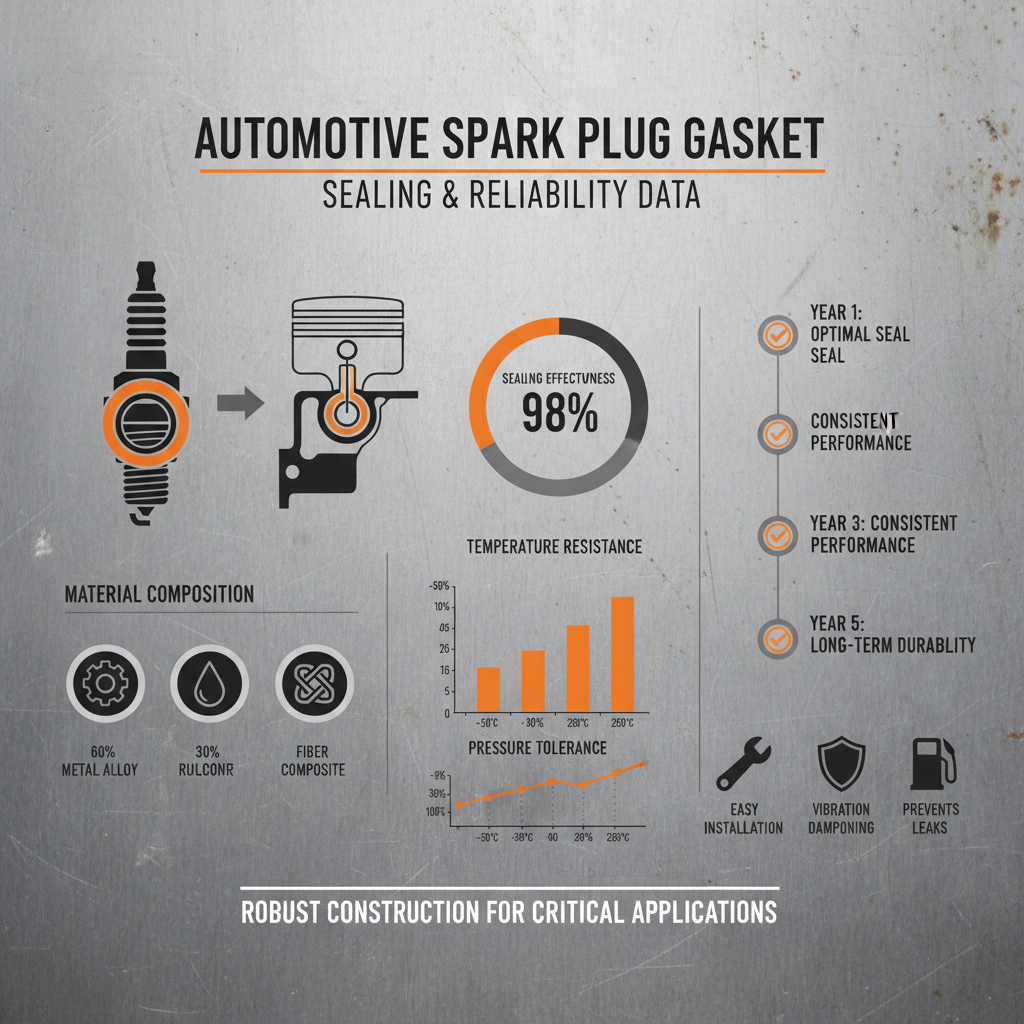
Common issues with spark plug gaskets include leaks, compression loss, and misfires. These problems can be caused by a damaged gasket, improper installation, or corrosion. If you suspect a faulty gasket, visually inspect it for cracks or damage. A compression test can also help identify leaks. If you're unsure about diagnosing or repairing the issue, it’s best to consult a qualified mechanic. Huima Oil Seal offers a wide range of high-quality spark plug gaskets to help prevent these issues.
Conclusion: The Importance of Quality Spark Plug Gaskets
Maintaining a properly sealed spark plug system is essential for optimal engine performance and longevity. Choosing high-quality spark plug gaskets from a trusted supplier like Huima Oil Seal ensures a reliable seal, prevents leaks, and contributes to improved fuel efficiency and reduced emissions. Don’t underestimate the importance of this small but critical component.
Frequently Asked Questions (FAQs)
How often should I replace spark plug gaskets?
It's generally recommended to replace spark plug gaskets every time you replace the spark plugs. Even if the old gasket appears to be in good condition, it's best practice to use a new one to ensure a perfect seal. Over time, the gasket material can become brittle or compressed, leading to leaks. Replacing the gasket with each spark plug change is a simple and inexpensive way to prevent potential engine problems. Consider environmental factors and engine usage; more demanding conditions might necessitate more frequent replacements.
Can I reuse a spark plug gasket?
It's strongly discouraged to reuse a spark plug gasket. Once the gasket has been compressed and sealed, it can lose its elasticity and ability to create a tight seal. Reusing a gasket significantly increases the risk of leaks, compression loss, and misfires. New spark plug gaskets are relatively inexpensive, and the cost of a new gasket is far less than the potential damage caused by a failed seal.
What causes a spark plug gasket to fail?
Several factors can contribute to spark plug gasket failure, including over-tightening the spark plug, corrosion, exposure to extreme temperatures, and using the wrong type of gasket. Over-tightening can compress and damage the gasket, while corrosion can weaken the material. Extreme temperatures can cause the gasket to become brittle or break down. Always use the correct torque specifications and a compatible gasket material to prevent premature failure. Using the high-quality spark plug gaskets will reduce the chances of failure.
What are the symptoms of a bad spark plug gasket?
Symptoms of a bad spark plug gasket can include engine misfires, reduced fuel efficiency, loss of power, and a hissing sound near the spark plug. You might also notice oil leaks around the spark plug. If you experience any of these symptoms, it's important to inspect the spark plug gaskets and replace them if necessary. Addressing a faulty gasket promptly can prevent more serious engine damage.
Latest news
-
Prechamber Spark Plugs for Enhanced Engine Combustion Efficiency
NewsApr.16,2026
-
Ultimate Guide to Choosing the Best Motorcycle Spark Plug
NewsApr.09,2026
-
The Vital Role of a Generator Spark Plug for Reliable Power Supply
NewsApr.07,2026
-
Understanding Engine Spark Plug Functionality for Optimal Performance
NewsApr.04,2026
-
Comprehensive Guide to Aircraft Spark Plugs for Optimal Engine Performance
NewsMar.31,2026
-
Choosing the Best Spark Plug Supplier for Optimal Engine Performance
NewsMar.28,2026