Mar . 08, 2026 02:05 Back to list
Understanding Spark Plug Coil Packs for Optimal Engine Performance and Longevity
Understanding Spark Plug Coil Packs: A Comprehensive Guide
Spark plug coil packs are essential components of modern internal combustion engines. They're responsible for generating the high-voltage spark needed to ignite the air-fuel mixture in each cylinder, initiating the combustion process. A failing coil pack can lead to a range of engine problems, from reduced fuel efficiency to complete engine failure. This article delves into the function, types, common issues, and replacement considerations for spark plug coil packs, helping you understand this critical engine component. Ensuring the health of your coil packs is vital for optimal engine performance and longevity.
How Spark Plug Coil Packs Function
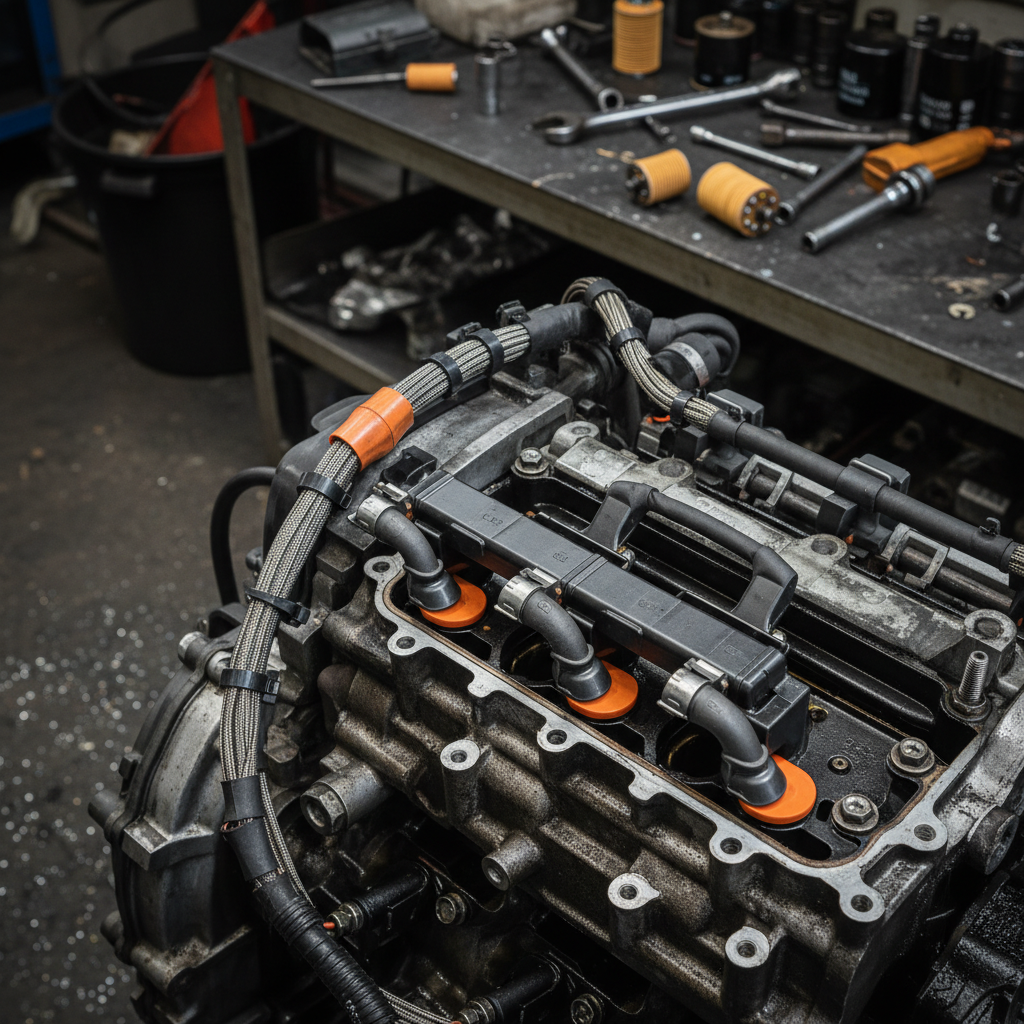
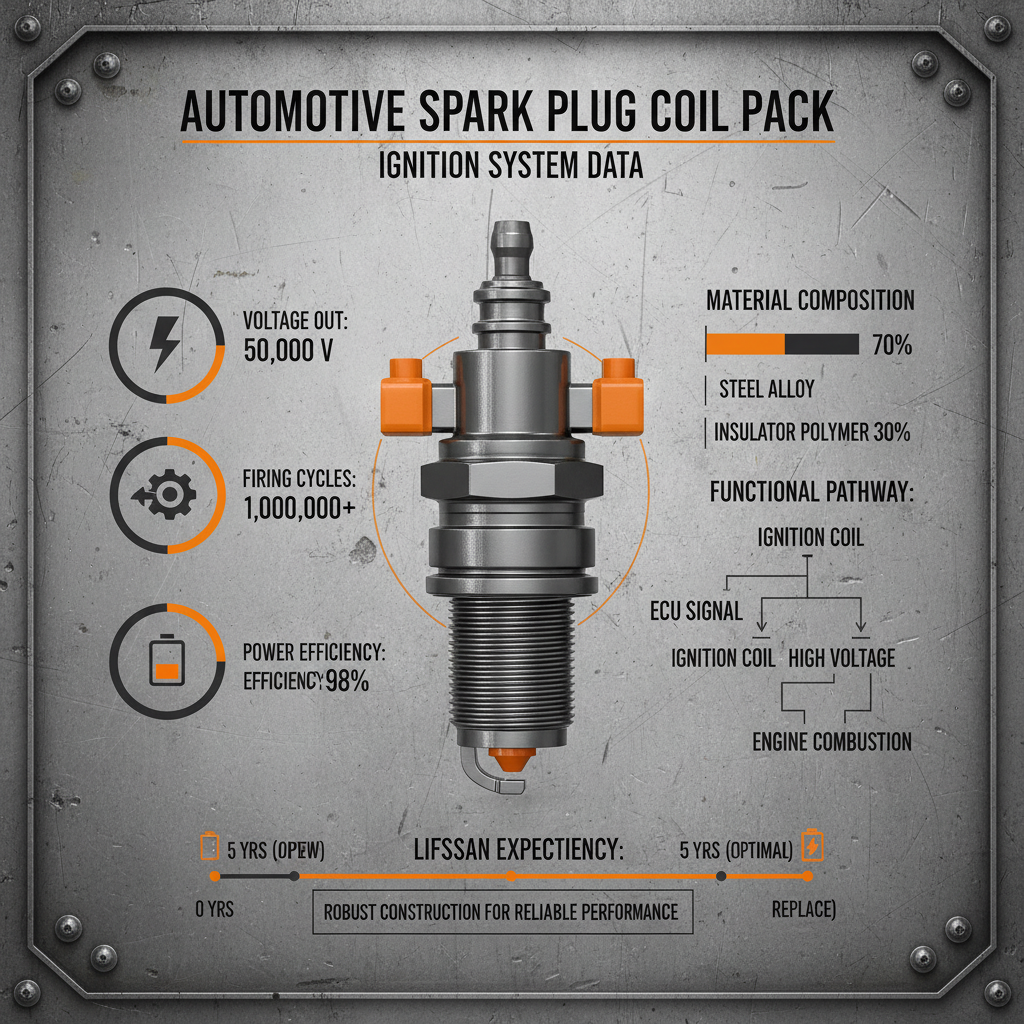
Traditionally, engines used a single ignition coil to distribute spark to all cylinders via a distributor. Modern engines, however, employ individual coil packs (or coil-on-plug systems) for each cylinder. The engine control unit (ECU) sends a signal to the coil pack, which rapidly transforms low-voltage electricity from the car’s battery into the high-voltage electricity (typically 20,000-40,000 volts) needed to create a spark across the spark plug gap. This direct ignition method provides a more precise and powerful spark, resulting in more complete combustion and improved engine performance. The quality and reliability of the coil pack directly impact engine efficiency and responsiveness.
Key Benefits of Coil Packs: Increased spark energy, improved fuel efficiency, reduced emissions, and enhanced engine reliability.
Types of Spark Plug Coil Packs
There are three main types of spark plug coil packs: Distributor Coil Packs, Waste Spark Coil Packs, and Coil-on-Plug (COP) Coil Packs. Distributor coil packs are found in older vehicles and use a distributor to route the spark. Waste spark coil packs fire two spark plugs simultaneously, one during its power stroke and the other during its exhaust stroke. COP coil packs are the most common type in modern vehicles, with a dedicated coil pack for each cylinder, providing the most efficient and reliable ignition system. Choosing the correct type of coil pack for your vehicle is crucial for maintaining optimal performance.
Coil Pack Type Comparison:
• Distributor Coil Packs: Older systems, less efficient.
• Waste Spark Coil Packs: More efficient than distributor types, but still less precise than COP.
• Coil-on-Plug (COP) Coil Packs: Most efficient, reliable, and precise.
Common Symptoms of a Failing Spark Plug Coil Pack
Recognizing the signs of a failing coil pack is essential for preventing further engine damage. Common symptoms include engine misfires (often felt as a jerking or hesitation during acceleration), rough idling, reduced fuel efficiency, difficulty starting the engine, and a check engine light illuminating. A faulty coil pack may also cause the engine to stall. These symptoms can sometimes be difficult to diagnose, as they can be similar to other engine problems, making professional diagnostics valuable.
Replacing Spark Plug Coil Packs: A Step-by-Step Guide
Replacing a faulty coil pack is often a straightforward process, but it’s crucial to follow safety precautions. Disconnect the negative battery terminal before beginning any work. Locate the faulty coil pack (identified using a scan tool). Disconnect the electrical connector and remove the mounting bolt. Gently pull the coil pack off the spark plug. Install the new coil pack, ensuring a secure connection. Reconnect the battery terminal and test the engine. Remember, it's often recommended to replace coil packs in pairs, even if only one is failing, to ensure balanced performance. Huimaooilseal.com offers high-quality coil packs designed for optimal performance and reliability.
Conclusion: Maintaining a Healthy Ignition System
Ensuring the proper functioning of your spark plug coil packs is vital for optimal engine performance, fuel efficiency, and overall vehicle reliability. Recognizing the symptoms of a failing coil pack and replacing it promptly can prevent more serious engine damage. Investing in quality spark plug coil packs from a trusted supplier like Huimaooilseal.com is a proactive step towards maintaining a healthy ignition system.
Frequently Asked Questions (FAQs)
How long do spark plug coil packs typically last?
The lifespan of a spark plug coil pack can vary significantly depending on driving conditions, vehicle maintenance, and the quality of the coil pack itself. Generally, they last between 60,000 and 150,000 miles. However, factors like extreme temperatures, rough roads, and infrequent maintenance can shorten their lifespan. Regularly inspecting your coil packs for signs of wear and tear, and replacing them proactively, can help prevent engine problems down the road. Choosing high-quality coil packs from reputable brands, like those available at Huimaooilseal.com, can also contribute to a longer lifespan.
Can a bad coil pack cause other engine problems?
Yes, a failing spark plug coil pack can certainly cause other engine problems. A misfiring cylinder can lead to unburnt fuel entering the exhaust system, potentially damaging the catalytic converter. Prolonged misfires can also cause increased engine vibrations and stress on other components. Furthermore, a weak spark can lead to carbon buildup on spark plugs, further exacerbating the issue. Addressing a faulty coil pack promptly is crucial to prevent cascading problems and costly repairs.
Is it necessary to replace all coil packs at once?
While it's not always necessary to replace all coil packs at once, it's often recommended, especially if they are all nearing the end of their expected lifespan or if one coil pack has failed. Replacing them in pairs or as a complete set ensures balanced performance and prevents future issues. If one coil pack has failed, the others may be weakened and likely to fail soon after, leading to repeat repairs. This proactive approach can save you time and money in the long run and ensure optimal engine performance.
What tools are needed to replace a spark plug coil pack?
Replacing a spark plug coil pack typically requires minimal tools. You'll need a socket wrench set to remove the mounting bolt, a screwdriver (potentially) for releasing any clips, a pair of pliers for disconnecting the electrical connector, and a diagnostic scanner to clear any trouble codes after the replacement. It's also helpful to have a rag or towel to wipe down the area and a small amount of dielectric grease to apply to the electrical connector to prevent corrosion.
Latest news
-
Prechamber Spark Plugs for Enhanced Engine Combustion Efficiency
NewsApr.16,2026
-
Ultimate Guide to Choosing the Best Motorcycle Spark Plug
NewsApr.09,2026
-
The Vital Role of a Generator Spark Plug for Reliable Power Supply
NewsApr.07,2026
-
Understanding Engine Spark Plug Functionality for Optimal Performance
NewsApr.04,2026
-
Comprehensive Guide to Aircraft Spark Plugs for Optimal Engine Performance
NewsMar.31,2026
-
Choosing the Best Spark Plug Supplier for Optimal Engine Performance
NewsMar.28,2026