Mar . 09, 2026 02:05 Back to list
Understanding Spark Plug Coil Performance Selection and Types
Understanding Spark Plug Coils: Performance and Selection
Spark plug coils are crucial components in modern internal combustion engines, responsible for generating the high-voltage spark needed to ignite the air-fuel mixture. A malfunctioning coil can lead to engine misfires, reduced fuel efficiency, and even complete engine failure. Choosing the right spark plug coil is essential for optimal engine performance and longevity. At Huimao Oil Seal, we specialize in providing high-quality engine components, including robust and reliable spark plug coils. This article will delve into the function of spark plug coils, types available, common issues, and factors to consider when selecting a replacement.
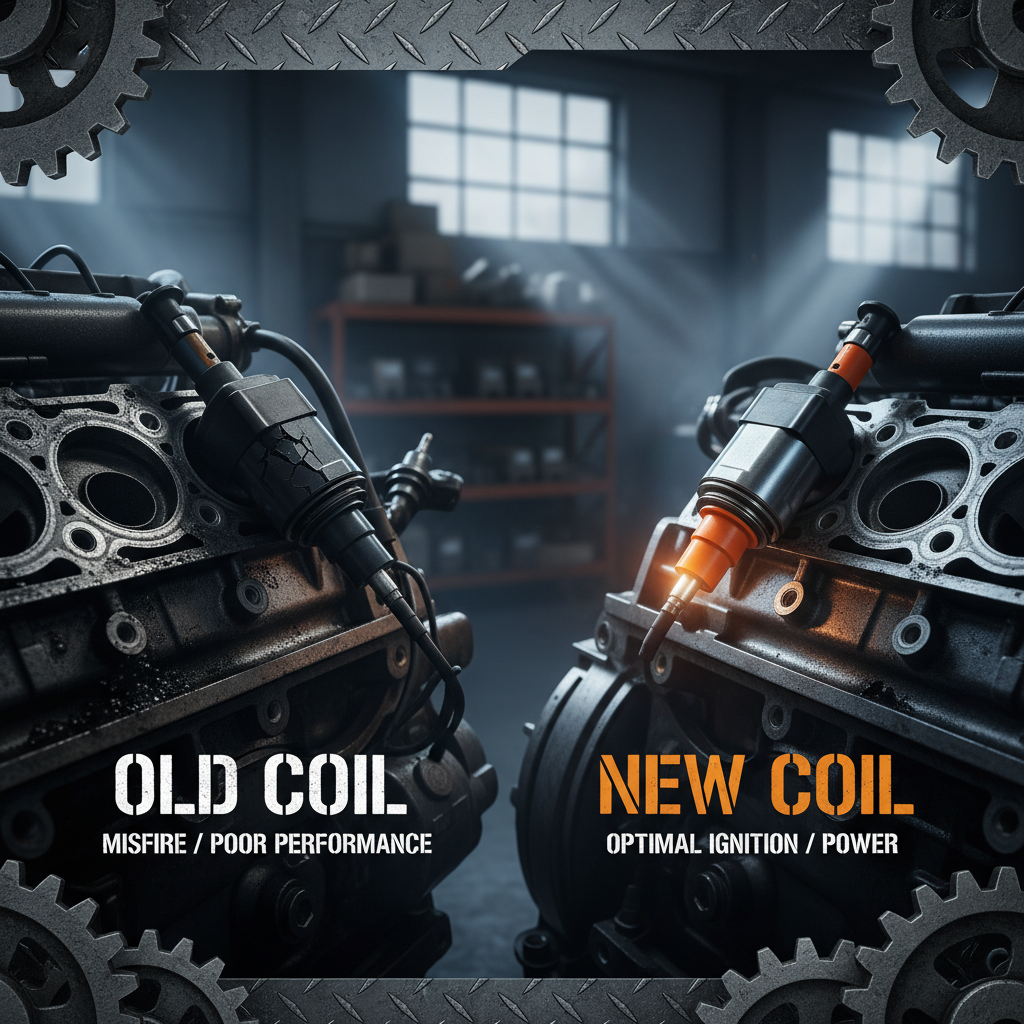
How Spark Plug Coils Work
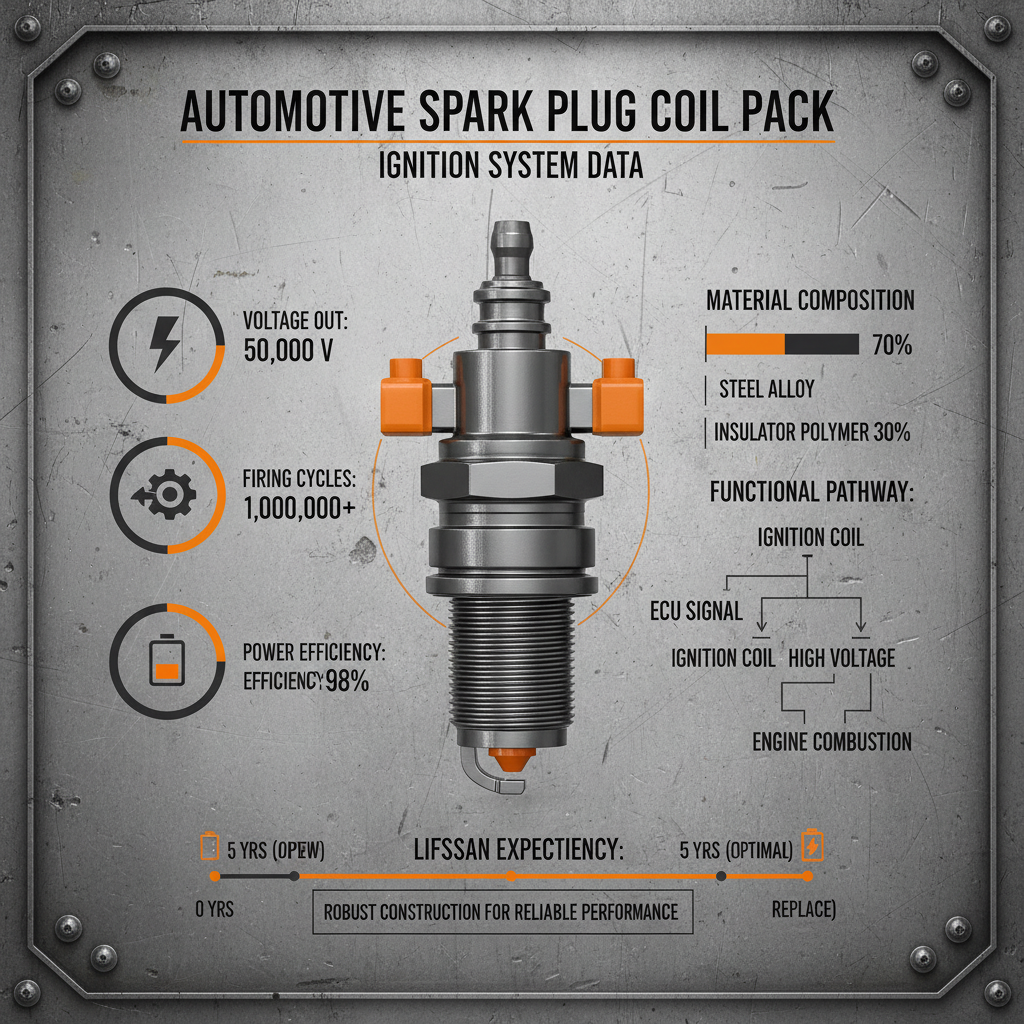
The primary function of a spark plug coil is to transform the low-voltage electricity from the car's battery (typically 12 volts) into the high-voltage electricity (often exceeding 20,000 volts) needed to create a spark across the spark plug gap. This is achieved through electromagnetic induction. The coil consists of two windings: a primary winding with few turns and a secondary winding with many turns. When current flows through the primary winding, it creates a magnetic field. Interrupting this current causes the magnetic field to collapse, inducing a high voltage in the secondary winding, which is then delivered to the spark plug. Proper functioning of the coil is paramount for efficient combustion and engine operation.
Key Takeaway: The spark plug coil is responsible for the critical step of converting low voltage to high voltage, enabling the ignition of the air-fuel mixture and powering your engine.
Types of Spark Plug Coils
There are several types of spark plug coils, each with its own advantages and disadvantages. These include:
- Coil-on-Plug (COP): These coils are mounted directly on top of each spark plug, eliminating the need for spark plug wires. This design reduces energy loss and improves ignition reliability.
- Distributor-Type Coils: Older vehicles often use a single coil connected to a distributor, which distributes the spark to each cylinder.
- Wasted Spark Coils: These systems use one coil for every two cylinders, firing one cylinder on the compression stroke and the other on the exhaust stroke.
- Pencil Coils: A common type of COP coil, known for their compact size and ease of installation.
Spark Plug Coil Types - A Quick Comparison:
• COP: Direct connection, reduced energy loss.
• Distributor-Type: Older technology, less efficient.
• Wasted Spark: Cost-effective, utilizes one coil for two cylinders.
• Pencil Coils: Compact and easy to install.
Common Spark Plug Coil Issues
Several issues can affect spark plug coil performance. Common problems include:
- Cracked or Damaged Housing: Physical damage can expose internal components to moisture and contaminants.
- Internal Short Circuits: Breakdown of insulation can cause shorts, leading to misfires.
- Weak Magnetic Field: Over time, the coil's ability to generate a strong magnetic field can diminish.
- Corroded Terminals: Corrosion can impede electrical conductivity, reducing spark intensity.
Recognizing these symptoms early can prevent further engine damage and ensure optimal performance. Regular inspection and timely replacement are key.
Choosing the Right Spark Plug Coil: A Comparison
Selecting the appropriate spark plug coil is vital for your engine's health. Here's a comparison of common coil materials and their characteristics:
Why Choose Huimao Oil Seal for Your Spark Plug Coil Needs?
At Huimao Oil Seal, we provide high-quality spark plug coils designed for optimal performance and durability. We source our products from reputable manufacturers and rigorously test them to ensure they meet our stringent standards. Our coils are compatible with a wide range of vehicle makes and models. We are dedicated to providing our customers with reliable engine components and exceptional customer service.
Conclusion: Power Your Engine with Quality Coils
Investing in a high-quality spark plug coil is crucial for maintaining optimal engine performance, fuel efficiency, and reliability. Don't compromise on quality – choose Huimao Oil Seal for dependable engine components and exceptional service.
Frequently Asked Questions (FAQs)
What are the symptoms of a failing spark plug coil?
A failing spark plug coil can manifest in several ways. Common symptoms include engine misfires (a noticeable shaking or hesitation during acceleration), reduced fuel economy, a check engine light illuminating on your dashboard, and difficulty starting the engine. In severe cases, a completely failed coil can prevent the engine from running altogether. It’s important to address these symptoms promptly to prevent further engine damage. If you suspect a coil issue, it's best to have your vehicle diagnosed by a qualified mechanic.
How long do spark plug coils typically last?
The lifespan of a spark plug coil can vary depending on several factors, including driving conditions, engine temperature, and the quality of the coil itself. Generally, spark plug coils are expected to last between 60,000 to 100,000 miles. However, some coils may fail prematurely, while others may last longer. Regular vehicle maintenance and adhering to the manufacturer's recommended service intervals can help maximize coil lifespan.
Can I replace a spark plug coil myself?
Replacing a spark plug coil can be a relatively straightforward DIY project for experienced mechanics. However, it requires some mechanical knowledge and the right tools. If you're not comfortable working on your vehicle's engine, it's best to have a qualified mechanic perform the replacement. Incorrect installation can lead to further engine problems. Safety precautions, such as disconnecting the battery before working on the ignition system, are essential.
Latest news
-
Prechamber Spark Plugs for Enhanced Engine Combustion Efficiency
NewsApr.16,2026
-
Ultimate Guide to Choosing the Best Motorcycle Spark Plug
NewsApr.09,2026
-
The Vital Role of a Generator Spark Plug for Reliable Power Supply
NewsApr.07,2026
-
Understanding Engine Spark Plug Functionality for Optimal Performance
NewsApr.04,2026
-
Comprehensive Guide to Aircraft Spark Plugs for Optimal Engine Performance
NewsMar.31,2026
-
Choosing the Best Spark Plug Supplier for Optimal Engine Performance
NewsMar.28,2026