Jan . 27, 2026 21:25 Back to list
Comprehensive Guide to the 20 30 7 Oil Seal for Industrial and Automotive Applications
Understanding the 20 30 7 Oil Seal: A Comprehensive Guide
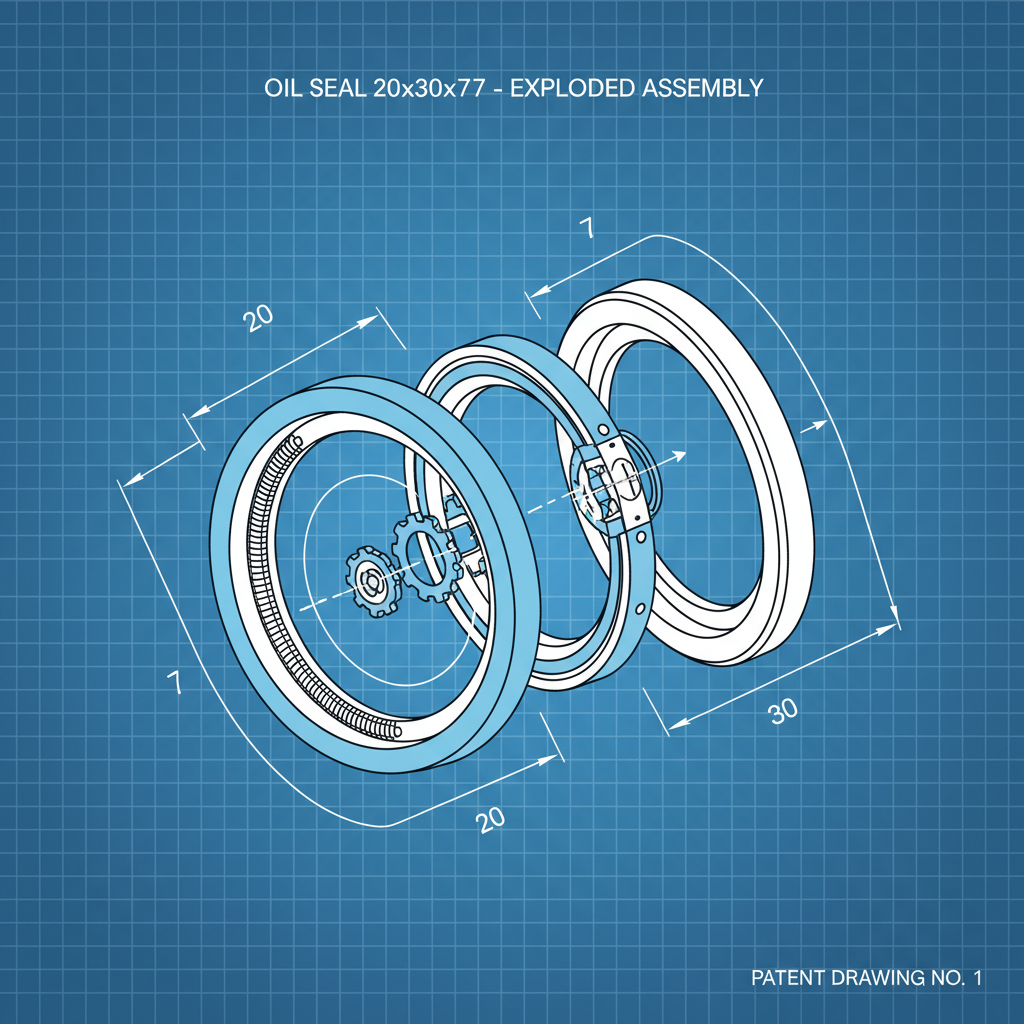
The 20 30 7 oil seal is a critical component in a wide range of industrial machinery and automotive applications. This seal, specifying an inner diameter of 20mm, an outer diameter of 30mm, and a width of 7mm, is designed to prevent leakage of fluids – oil, grease, water, or chemicals – while maintaining the integrity of rotating or reciprocating equipment. This article will provide an in-depth look at its specifications, materials, applications, and how to choose the right seal for your needs. Huima Oil Seal specializes in providing high-quality oil seals, ensuring optimal performance and longevity for your machinery.
What Exactly is a 20 30 7 Oil Seal?
Simply put, a 20 30 7 oil seal is a mechanical component used to close the space between rotating and stationary parts in machinery. The numbers – 20, 30, and 7 – represent the seal’s dimensions in millimeters: 20mm inner diameter, 30mm outer diameter, and 7mm width. These seals prevent leakage of various fluids, protect components from contamination, and maintain system pressure. They are available in a variety of materials, depending on the application’s requirements. Choosing the correct seal dimensions is crucial for optimal performance and preventing failures. Explore our selection of oil seals for a wide range of sizes and materials.
Key Benefits: Prevents fluid leakage, protects against contamination, maintains system pressure, and extends the life of critical machinery components.
Material Choices for 20 30 7 Oil Seals
The material of a 20 30 7 oil seal is selected based on the fluid being sealed, the operating temperature, the speed of rotation, and the presence of abrasive materials. Common materials include:
- Nitrile Rubber (NBR): Excellent resistance to oil and fuel, making it a general-purpose choice.
- Viton (FKM): Superior resistance to high temperatures, chemicals, and oils. Ideal for demanding applications.
- Silicone Rubber (VMQ): Good for high and low temperatures, but less resistant to oil than NBR or Viton.
- Polyacrylate (ACM): Offers good oil resistance and is suitable for higher temperatures than NBR.
Selecting the appropriate material ensures the longevity and reliability of the seal in its intended environment.
Material Comparison:
• NBR: Good all-around oil resistance, cost-effective.
• Viton: Exceptional high-temperature and chemical resistance.
• Silicone: Wide temperature range, but limited oil resistance.
• ACM: Improved oil resistance at higher temperatures compared to NBR.
Applications of the 20 30 7 Oil Seal
The versatility of the 20 30 7 oil seal makes it suitable for various applications, including:
- Automotive Industry: Sealing engine components, transmissions, and differentials.
- Hydraulic Systems: Preventing leakage in hydraulic pumps, motors, and cylinders.
- Gearboxes: Protecting gears from lubrication loss and contamination.
- Water Pumps: Ensuring water-tight seals in pumps for various industries.
- Industrial Machinery: Sealing bearings, shafts, and other rotating parts.
Choosing the Right 20 30 7 Oil Seal for Your Application
Selecting the appropriate seal involves considering several factors. First, verify the correct dimensions – 20mm ID, 30mm OD, and 7mm width. Next, determine the fluid being sealed and the operating temperature. Consider the rotational speed and any potential abrasive contaminants. Finally, choose a material that offers the necessary chemical resistance and durability. Contact our experts at Huima Oil Seal for assistance in selecting the optimal seal for your specific requirements.
Quality Assurance and Sourcing from Huima Oil Seal
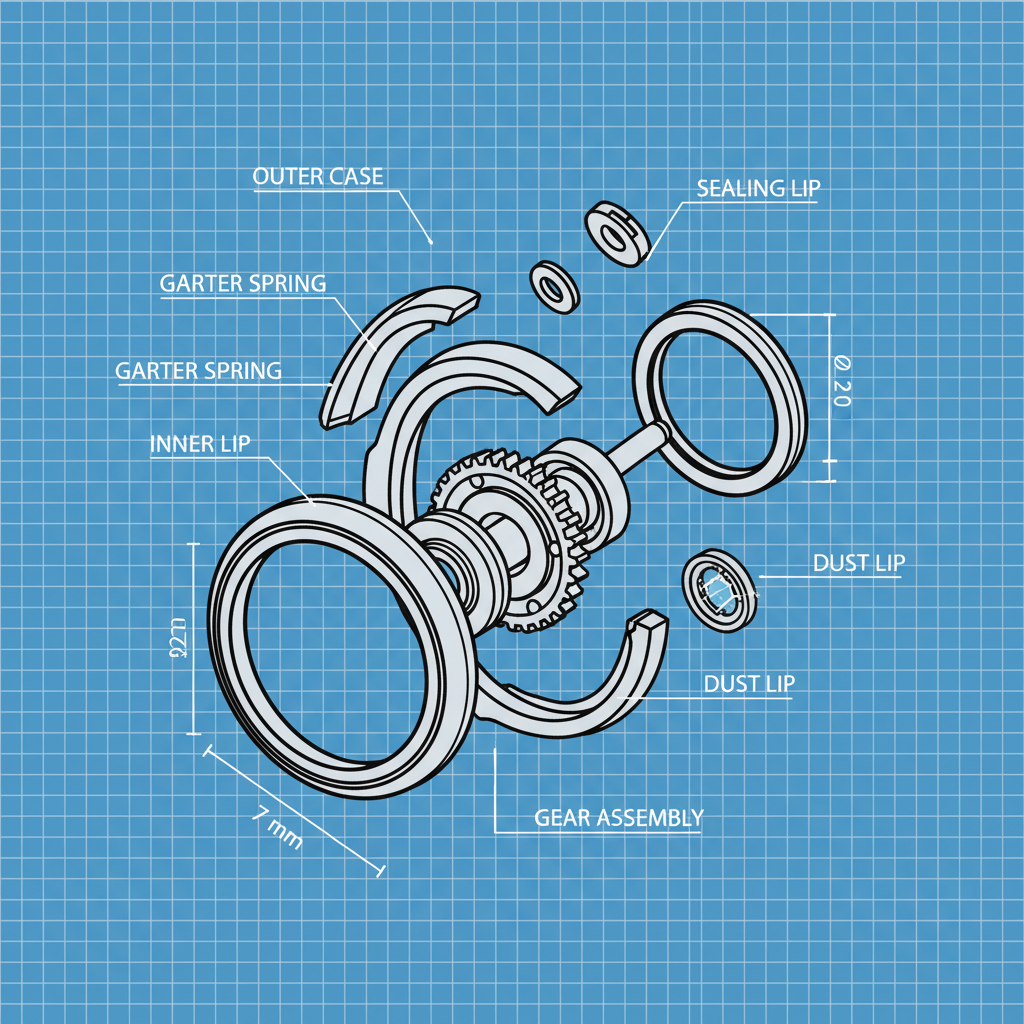
At Huima Oil Seal, we prioritize quality and reliability. Our 20 30 7 oil seals are manufactured to rigorous standards, using high-quality materials. We offer a wide range of materials and configurations to meet your specific needs. We also provide comprehensive technical support to help you select the best seal for your application. We are committed to delivering superior products and exceptional customer service.
Conclusion: Ensuring Reliable Performance with the Right Oil Seal
The 20 30 7 oil seal is a vital component for maintaining the efficiency and reliability of numerous machines. By understanding its specifications, materials, and applications, you can make informed decisions about your sealing needs. Partnering with a trusted supplier like Huima Oil Seal ensures you receive high-quality products and expert support.
Frequently Asked Questions (FAQs)
What is the best material for a 20 30 7 oil seal used in high-temperature applications?
For high-temperature applications, Viton (FKM) is generally the best choice. Viton offers exceptional resistance to heat, oils, and chemicals, maintaining its sealing properties even at elevated temperatures. While silicone can also handle high temperatures, its oil resistance is lower. Consider the specific temperature range and fluid compatibility when making your final selection. We at Huima Oil Seal can help you determine the most appropriate material based on your application.
How long can I expect a 20 30 7 oil seal to last?
The lifespan of a 20 30 7 oil seal depends on various factors, including operating conditions, fluid compatibility, and installation quality. Generally, a well-maintained seal can last for several years. However, it’s recommended to inspect seals regularly for signs of wear, cracking, or swelling. Replacing a seal proactively can prevent costly equipment failures. The material of the seal also plays a role, with Viton typically lasting longer than NBR in harsh environments.
What are the common causes of oil seal failure?
Common causes of oil seal failure include improper installation, contamination, excessive heat, chemical incompatibility, and shaft wear. Incorrect installation can damage the seal’s lip, leading to leakage. Contaminants like dirt and debris can abrade the sealing surface. High temperatures can degrade the seal material. Using an incompatible fluid can cause swelling or shrinking. Finally, a worn or damaged shaft can compromise the seal’s effectiveness. Huima Oil Seal provides guidance on proper installation and material selection to minimize the risk of failure.
Latest news
-
Prechamber Spark Plugs for Enhanced Engine Combustion Efficiency
NewsApr.16,2026
-
Ultimate Guide to Choosing the Best Motorcycle Spark Plug
NewsApr.09,2026
-
The Vital Role of a Generator Spark Plug for Reliable Power Supply
NewsApr.07,2026
-
Understanding Engine Spark Plug Functionality for Optimal Performance
NewsApr.04,2026
-
Comprehensive Guide to Aircraft Spark Plugs for Optimal Engine Performance
NewsMar.31,2026
-
Choosing the Best Spark Plug Supplier for Optimal Engine Performance
NewsMar.28,2026