Feb . 28, 2026 02:05 Back to list
Comprehensive Guide to Spark Plug Wire Connectors for Optimal Engine Performance
Understanding Spark Plug Wire Connectors: A Comprehensive Guide
Spark plug wire connectors are crucial components in any internal combustion engine, ensuring efficient and reliable transfer of electricity for ignition. Maintaining their integrity is vital for optimal engine performance. This article will provide an in-depth exploration of spark plug wire connectors, covering types, materials, common issues, and best practices for maintenance. Whether you’re a seasoned mechanic or a DIY enthusiast, understanding these connectors can save you time, money, and potential engine damage. Proper selection and installation of these components can significantly improve engine efficiency and longevity.
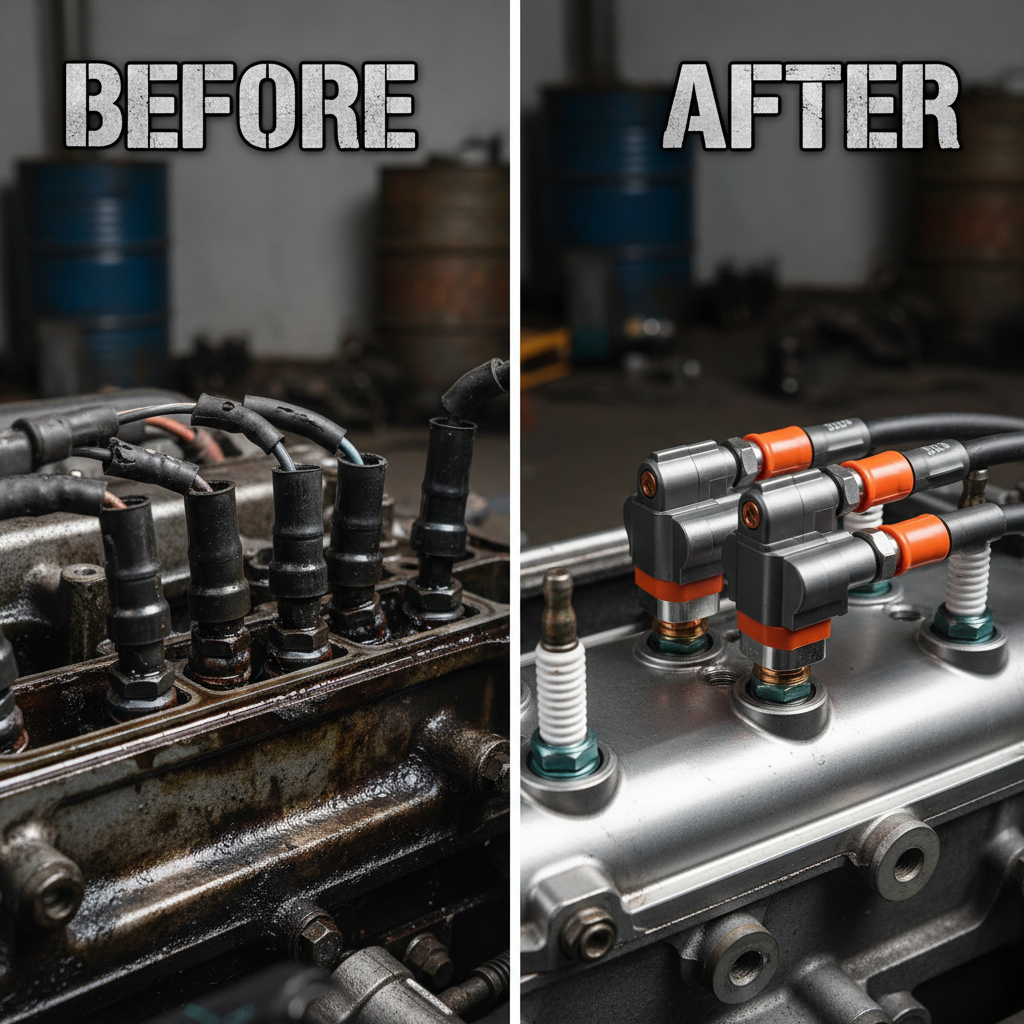
Types of Spark Plug Wire Connectors
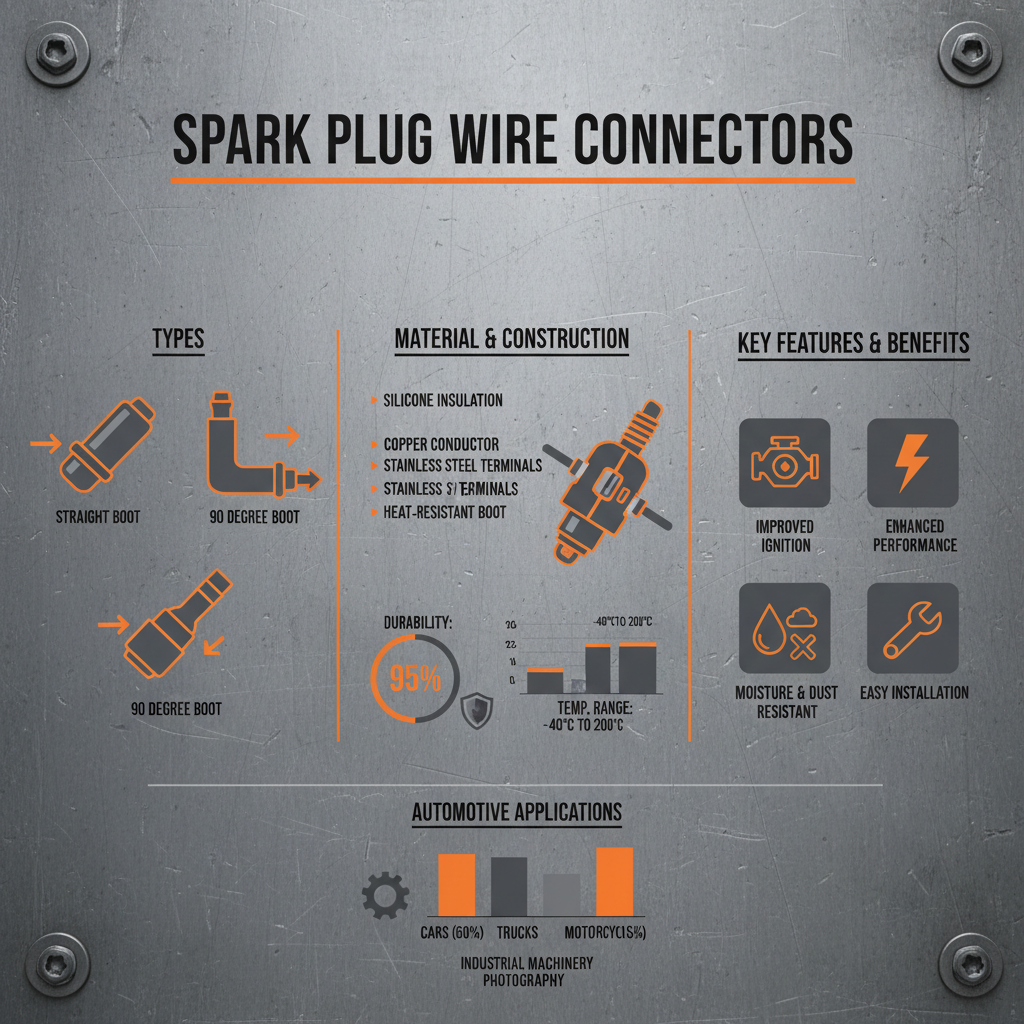
Spark plug wire connectors come in various designs, each with its strengths and weaknesses. Common types include: Straight Boots, commonly found in older vehicles, offering a simple and direct connection. Angled Boots, designed to navigate tighter engine compartments and reduce stress on the wires. Magnetic Connectors, utilizing magnetic force for a secure and easy connection. Silicone Boots, known for their superior heat resistance and durability. Choosing the right type depends on the engine's design, operating conditions, and desired level of performance. Huimaooilseal provides a diverse range of connectors to suit various needs.
Key Considerations: The correct connector type ensures a secure and efficient connection, preventing misfires and maintaining optimal engine performance.
Materials Used in Spark Plug Wire Connectors
The materials used significantly impact the connector's performance and lifespan. Silicone rubber is frequently employed for its excellent heat resistance, flexibility, and dielectric properties. Conductive alloys, such as copper and brass, are used for the terminal contacts to ensure efficient electrical conductivity. Thermoplastic polymers provide structural support and insulation. Higher-quality connectors often utilize more durable materials, extending their service life and enhancing reliability. Huimaooilseal’s connectors are crafted with premium materials for exceptional performance.
Material Benefits:
• Silicone Rubber: Excellent heat resistance and flexibility.
• Copper/Brass Alloys: High electrical conductivity.
• Thermoplastic Polymers: Structural support and insulation.
Comparing Connector Performance: Silicone vs. Standard Rubber
While both silicone and standard rubber are used in spark plug wire connectors, silicone offers significant advantages in terms of heat resistance and durability. Standard rubber can degrade and crack under high temperatures, leading to misfires and performance issues. Silicone remains flexible and maintains its properties even in extreme heat conditions. This makes silicone connectors a superior choice for high-performance engines or vehicles operating in hot climates.
Common Issues with Spark Plug Wire Connectors
Several issues can plague spark plug wire connectors, leading to engine performance problems. Corrosion on the terminals can impede electrical flow, resulting in misfires. Cracked or broken boots allow moisture and contaminants to enter, compromising insulation and conductivity. Loose connections can cause intermittent spark and reduced power. Regular inspection and prompt replacement of damaged connectors are essential for maintaining engine health. Huimaooilseal offers durable and reliable connectors designed to withstand harsh conditions.
Best Practices for Maintaining Spark Plug Wire Connectors
Preventative maintenance can significantly extend the life of your spark plug wire connectors. Regularly inspect the connectors for cracks, corrosion, or looseness. Clean the terminals with a specialized contact cleaner to remove any buildup. Ensure the connectors are securely seated on both the spark plugs and the ignition coils. Consider applying a dielectric grease to the inside of the boots to prevent moisture intrusion and enhance conductivity. Following these simple steps can help ensure reliable ignition and optimal engine performance.
Conclusion: Ensuring Reliable Ignition with Quality Connectors
Investing in high-quality spark plug wire connectors is a crucial step in maintaining engine health and performance. By understanding the different types, materials, and potential issues, you can make informed decisions and ensure a reliable ignition system. Regular inspection and preventative maintenance will further extend the life of your connectors and prevent costly repairs. Choose Huimaooilseal for superior quality and performance.
Frequently Asked Questions (FAQs)
How often should I replace my spark plug wire connectors?
While there isn't a fixed schedule, it’s generally recommended to inspect your spark plug wire connectors every 30,000 to 50,000 miles. Replace them if you notice any signs of cracking, corrosion, or looseness. Severe operating conditions, such as extreme temperatures or exposure to harsh chemicals, may necessitate more frequent replacement. Proactive replacement is always better than waiting for a connector to fail and cause engine misfires.
Can I reuse spark plug wire connectors?
While technically possible, it's generally not recommended to reuse spark plug wire connectors. The rubber boots can become brittle and cracked with age, compromising their ability to seal out moisture and contaminants. Reusing connectors also increases the risk of a poor connection. For optimal performance and reliability, it’s best to replace the connectors whenever you replace your spark plugs.
What causes spark plug wire connectors to corrode?
Corrosion is primarily caused by exposure to moisture, road salt, and other contaminants. Electrical corrosion can also occur due to galvanic reactions between dissimilar metals. Regularly cleaning the terminals and applying a dielectric grease can help prevent corrosion. In areas with harsh winters, it's especially important to wash away road salt to protect the connectors.
Latest news
-
Prechamber Spark Plugs for Enhanced Engine Combustion Efficiency
NewsApr.16,2026
-
Ultimate Guide to Choosing the Best Motorcycle Spark Plug
NewsApr.09,2026
-
The Vital Role of a Generator Spark Plug for Reliable Power Supply
NewsApr.07,2026
-
Understanding Engine Spark Plug Functionality for Optimal Performance
NewsApr.04,2026
-
Comprehensive Guide to Aircraft Spark Plugs for Optimal Engine Performance
NewsMar.31,2026
-
Choosing the Best Spark Plug Supplier for Optimal Engine Performance
NewsMar.28,2026