Mar . 04, 2026 02:15 Back to list
Comprehensive Guide to Spark Plug O Ring Function Materials and Replacement
Understanding Spark Plug O Rings: A Comprehensive Guide
Spark plug O rings are crucial components in maintaining the efficiency and reliability of internal combustion engines. These small, yet vital, seals prevent oil and coolant from entering the combustion chamber, ensuring optimal engine performance. This article will delve into the function, materials, types, and replacement of spark plug o rings, providing valuable insights for mechanics, DIY enthusiasts, and anyone interested in engine maintenance. A well-maintained spark plug seal is critical to prevent engine misfires and costly repairs.
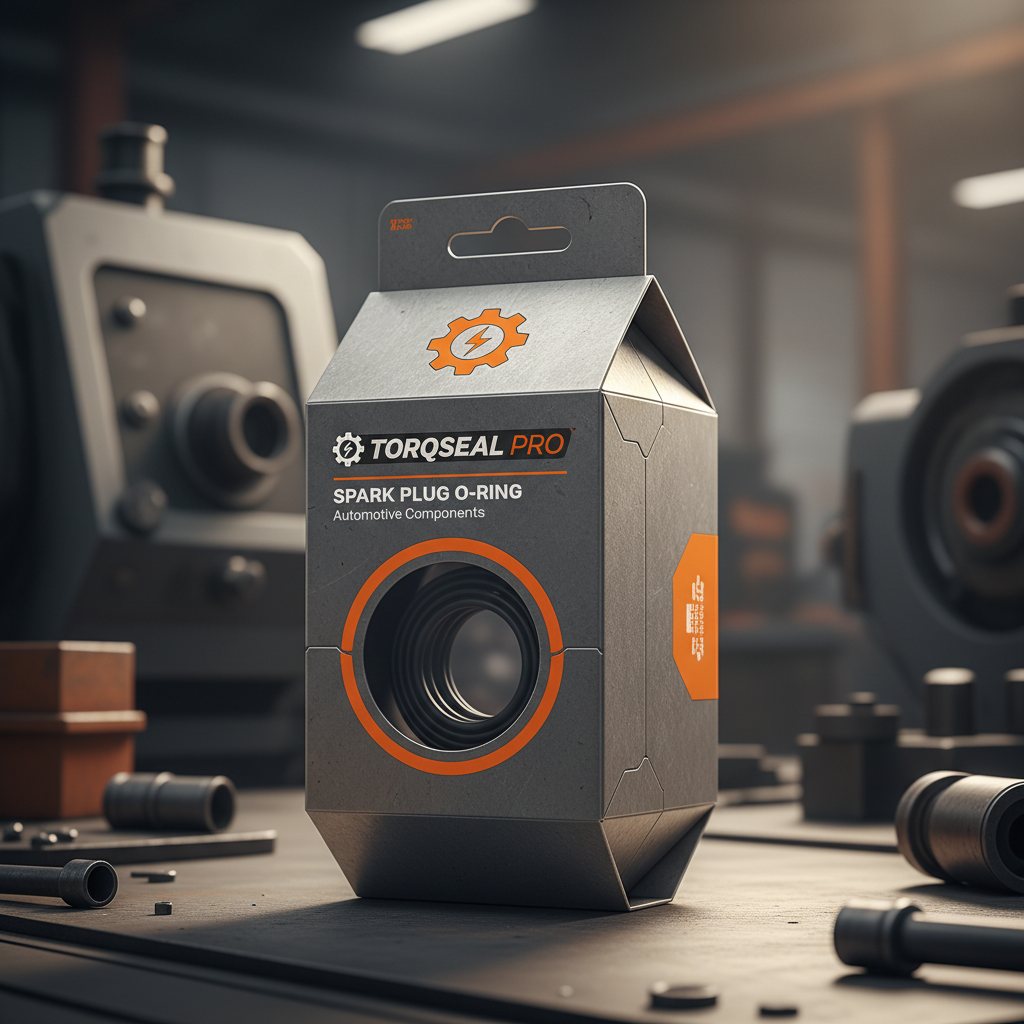
The Function of a Spark Plug O Ring
The primary function of a spark plug o ring is to create a hermetic seal between the spark plug and the cylinder head. This seal prevents combustion gases, oil, and coolant from leaking into the combustion chamber or escaping from it. Without a properly functioning o ring, oil can foul the spark plug, leading to misfires, reduced fuel efficiency, and potential engine damage. Coolant intrusion can cause corrosion and further compromise engine integrity. Huima Oil Seal specializes in providing high-quality o rings for a variety of applications, including spark plugs.
Key Benefit: A properly sealed spark plug ensures optimal combustion, maximizing engine power and fuel efficiency.
Materials Used in Spark Plug O Rings
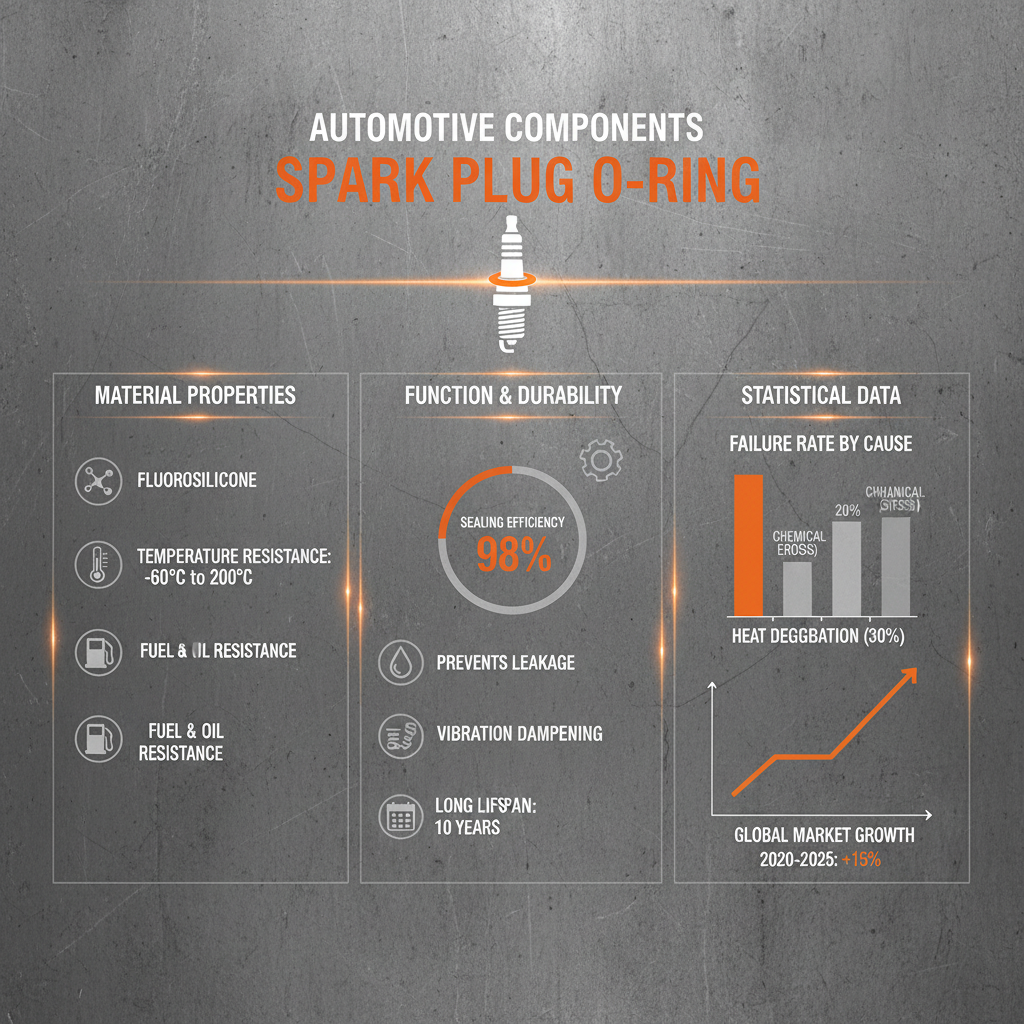
Spark plug o rings are typically manufactured from materials that exhibit excellent resistance to high temperatures, oil, and fuel. Common materials include:
- Viton (FKM): Renowned for its superior heat resistance and chemical compatibility. Often the preferred choice for high-performance engines.
- Nitrile Rubber (NBR): A cost-effective option offering good oil resistance. Suitable for general automotive applications.
- Silicone Rubber (VMQ): Provides excellent flexibility and temperature resistance, though its oil resistance is generally lower than Viton.
- Fluorosilicone (FVMQ): Combines the benefits of both silicone and fluorocarbon rubbers, offering good fuel and oil resistance with high-temperature stability.
The selection of the right material is critical for ensuring a long-lasting and reliable seal. Contact Huima Oil Seal to discuss material options for your specific engine requirements.
Material Comparison:
• Viton: Excellent heat & chemical resistance.
• Nitrile: Good oil resistance, cost-effective.
• Silicone: Flexible, temperature resistant.
• Fluorosilicone: Combines silicone & fluorocarbon benefits.
Types of Spark Plug O Rings and Their Applications
While generally small and similar in appearance, spark plug o rings can vary based on engine type and manufacturer specifications. Common types include:
Replacing Spark Plug O Rings: A Step-by-Step Guide
Replacing spark plug o rings is a relatively straightforward process. Here’s a basic guide:
- Disconnect the spark plug wire or coil pack.
- Remove the spark plug.
- Carefully remove the old o ring. A small pick can be helpful.
- Clean the spark plug seat on the cylinder head.
- Lubricate the new o ring with a small amount of dielectric grease.
- Install the new o ring onto the spark plug.
- Reinstall the spark plug and tighten it to the manufacturer’s specifications.
- Reconnect the spark plug wire or coil pack.
It’s best practice to replace the o rings whenever you remove the spark plugs for maintenance. Huima Oil Seal offers complete kits with both spark plugs and corresponding o rings for convenient replacement.
Preventive Maintenance and Extending O Ring Life
To maximize the lifespan of your spark plug o rings, consider these preventive measures:
- Regular Inspections: Check o rings for cracks, wear, or damage during routine engine maintenance.
- Proper Torque: Ensure spark plugs are tightened to the manufacturer’s specifications. Over-tightening can damage the o ring.
- Avoid Chemical Exposure: Minimize exposure to harsh chemicals that can degrade the rubber material.
- Use Dielectric Grease: Lubricating the o ring with dielectric grease aids in installation and prevents drying out.
Conclusion: The Importance of Spark Plug O Rings
Maintaining the integrity of your spark plug o rings is essential for optimal engine performance and longevity. By understanding their function, selecting the right materials, and following proper replacement procedures, you can prevent costly repairs and ensure a smooth-running engine. Huima Oil Seal is your trusted partner for high-quality spark plug o rings and sealing solutions.
Frequently Asked Questions (FAQs)
How often should I replace spark plug o rings?
It's generally recommended to replace spark plug o rings every time you replace your spark plugs – typically every 30,000 to 100,000 miles, depending on your vehicle’s manufacturer recommendations. Even if the old o rings appear undamaged, they can become brittle with age and lose their sealing ability. Replacing them proactively prevents potential oil leaks and misfires. If you notice symptoms like rough idling, reduced fuel efficiency, or engine misfires, it’s a good idea to inspect and replace the o rings sooner.
Can I reuse a spark plug o ring?
While it might be tempting to reuse an o ring, it’s generally not recommended. Once an o ring is compressed and removed, it loses its elasticity and may not create a proper seal upon reinstallation. This can lead to oil leaks and engine performance issues. O rings are relatively inexpensive, and the peace of mind from using a new, reliable seal is well worth the cost. Huima Oil Seal offers affordable and high-quality replacements.
What causes spark plug o rings to fail?
Several factors can contribute to the failure of spark plug o rings. Heat exposure is a major culprit, causing the rubber to harden and crack over time. Chemical exposure to oil, fuel, and coolant can also degrade the material. Improper installation, such as over-tightening the spark plug, can damage the o ring. Additionally, age and general wear and tear naturally lead to deterioration. Regular inspection and timely replacement are crucial for preventing failures.
Latest news
-
Prechamber Spark Plugs for Enhanced Engine Combustion Efficiency
NewsApr.16,2026
-
Ultimate Guide to Choosing the Best Motorcycle Spark Plug
NewsApr.09,2026
-
The Vital Role of a Generator Spark Plug for Reliable Power Supply
NewsApr.07,2026
-
Understanding Engine Spark Plug Functionality for Optimal Performance
NewsApr.04,2026
-
Comprehensive Guide to Aircraft Spark Plugs for Optimal Engine Performance
NewsMar.31,2026
-
Choosing the Best Spark Plug Supplier for Optimal Engine Performance
NewsMar.28,2026