Mar . 12, 2026 02:05 Back to list
Understanding the Crucial Roles of Ignition Coil and Spark Plug Systems
Understanding Ignition Coils and Spark Plugs: A Comprehensive Guide
The engine of your vehicle relies on a precise and powerful ignition system to run smoothly. Two crucial components of this system are the ignition coil and the spark plug. These work in tandem to initiate combustion, providing the energy that drives your vehicle. This article will delve into their functions, how they work together, common issues, and what to look for when replacing them. Proper maintenance and understanding of these parts are essential for optimal engine performance and longevity.
The Role of the Ignition Coil
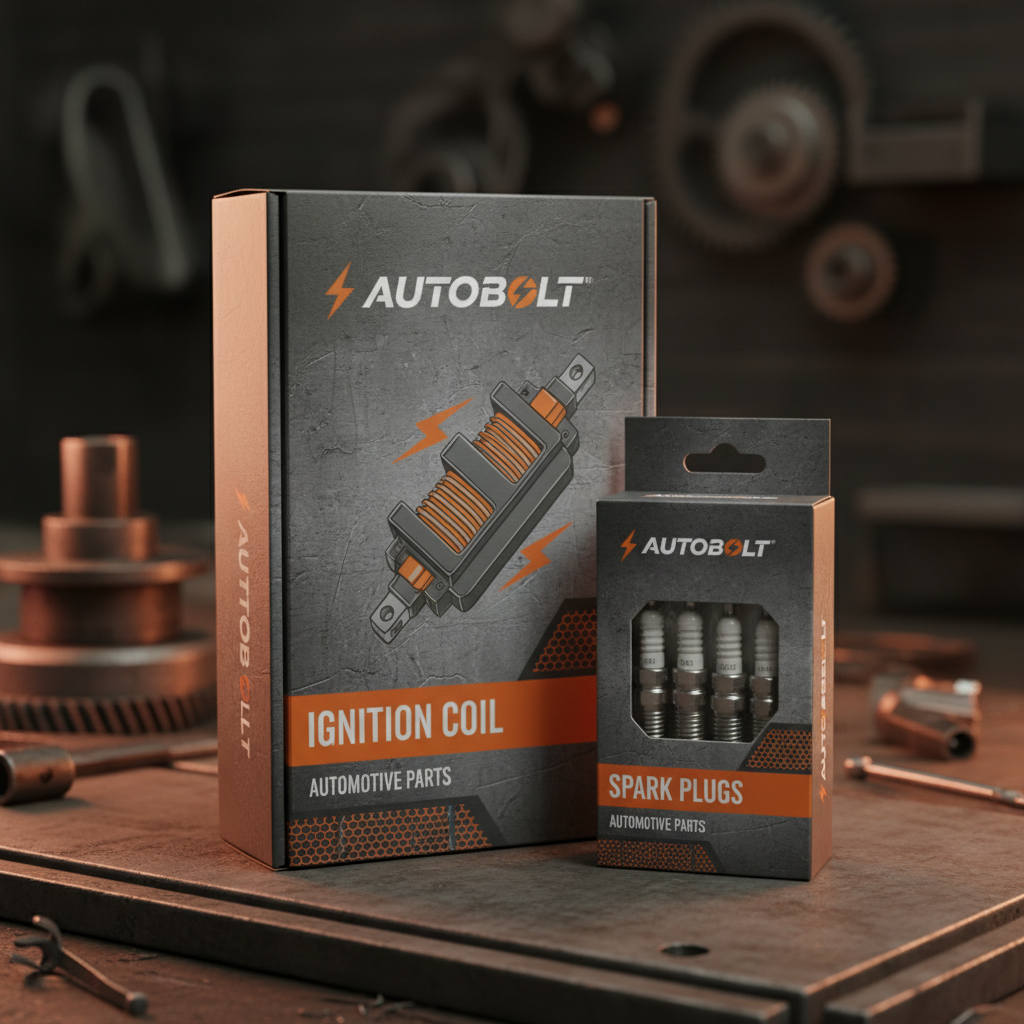
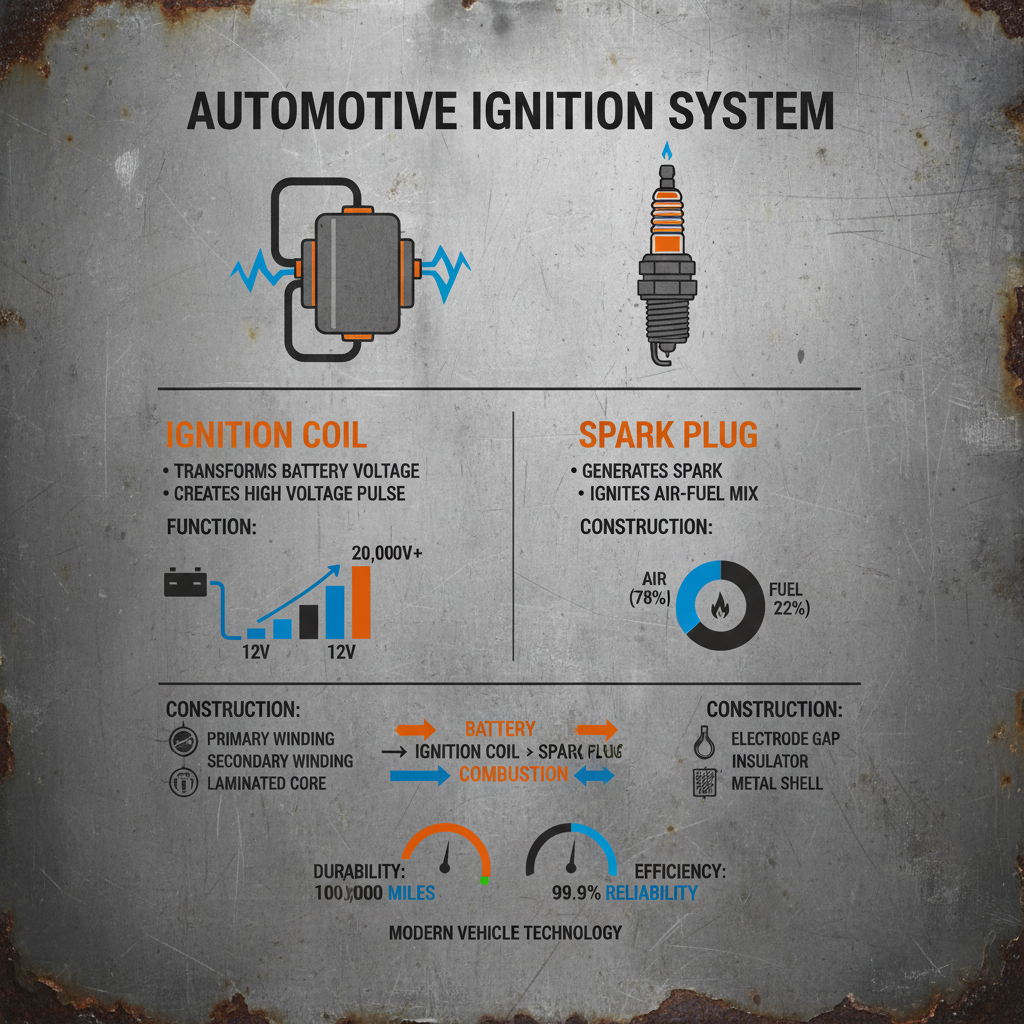
The ignition coil is essentially a transformer that steps up the vehicle's 12-volt electrical system to the high voltage (typically 20,000-40,000 volts) needed to create a spark. It does this by winding a copper wire around an iron core. When the engine control unit (ECU) signals the coil, it creates a magnetic field. When the ECU cuts off the current, the magnetic field collapses, inducing a high voltage in the secondary winding. This high voltage is then sent to the spark plug. Modern vehicles often feature coil-on-plug (COP) systems, where each cylinder has its own dedicated ignition coil, improving efficiency and reliability. Understanding the ignition coil’s function is key to diagnosing engine misfires and performance issues.
Key Function: Transforms low voltage to high voltage, enabling spark plug ignition.
Spark Plugs: Initiating Combustion
The spark plug is the final link in the ignition process. It receives the high-voltage pulse from the ignition coil and creates a spark across a small gap between its electrodes. This spark ignites the air-fuel mixture within the engine cylinder, initiating the combustion process that drives the piston. Spark plugs are designed to withstand extreme temperatures and pressures. Different types of spark plugs exist, including copper, platinum, and iridium, each offering varying levels of durability and performance. Regularly checking and replacing spark plugs is vital for maintaining engine efficiency and preventing damage.
Spark Plug Benefits:
• Ignites the air-fuel mixture, starting combustion.
• Withstands extreme temperatures and pressures.
• Available in various materials (copper, platinum, iridium).
Ignition Coil and Spark Plug: Working Together
The ignition coil and spark plug are inseparable partners in the combustion process. The coil provides the electrical energy, while the spark plug delivers it to ignite the fuel-air mixture. If the ignition coil fails, it won’t generate the necessary voltage, and the spark plug will not fire. Conversely, a faulty spark plug with a damaged electrode or improper gap can prevent a spark even with a functioning ignition coil. This interconnectedness makes it crucial to diagnose both components when experiencing ignition-related problems. You can find high-quality ignition coils and spark plugs from trusted suppliers like Huimao Oilseal.
Common Issues and Troubleshooting
Several symptoms can indicate problems with your ignition coil or spark plugs. These include engine misfires (a feeling of hesitation or jerkiness), rough idling, reduced fuel economy, and difficulty starting the engine. A check engine light is often illuminated. Using an OBD-II scanner can help pinpoint the issue by identifying the specific cylinder experiencing problems. Visually inspecting the spark plugs for wear, fouling, or damage is also a crucial step. Replacing faulty components, and ensuring correct installation, is vital for restoring optimal engine performance.
Choosing the Right Replacement Parts
When replacing ignition coils or spark plugs, it's essential to choose high-quality parts that meet or exceed the vehicle manufacturer's specifications. Consider the type of spark plug recommended for your engine (copper, platinum, or iridium) and opt for reputable brands. Ensure the ignition coil is compatible with your vehicle's make and model. Utilizing quality components from a trusted supplier like Huimao Oilseal can significantly improve reliability and longevity.
Conclusion: Maintaining a Healthy Ignition System
A properly functioning ignition system is vital for optimal engine performance and fuel efficiency. By understanding the roles of the ignition coil and spark plug, recognizing common issues, and choosing quality replacement parts, you can keep your vehicle running smoothly for years to come.
Frequently Asked Questions (FAQs)
How often should I replace my spark plugs?
The recommended replacement interval for spark plugs varies depending on the type of plug and your vehicle's manufacturer. Generally, copper spark plugs should be replaced every 30,000 miles, platinum plugs every 60,000-100,000 miles, and iridium plugs every 100,000+ miles. However, it's crucial to consult your vehicle's owner's manual for specific recommendations. Regularly inspecting your spark plugs can help determine if replacement is needed sooner than the recommended interval.
What causes ignition coils to fail?
Ignition coils can fail due to several factors, including overheating, electrical shorts, corrosion, and physical damage. Over time, the internal insulation can break down, leading to shorts. Exposure to moisture and extreme temperatures can also contribute to failure. Additionally, a faulty engine control unit (ECU) can send incorrect signals to the coil, causing it to malfunction. Consistent engine misfires can also put excessive stress on the coil, accelerating its deterioration.
Can a bad spark plug cause an ignition coil to fail?
Yes, a bad spark plug can indirectly contribute to ignition coil failure. A faulty spark plug can create extra stress on the ignition coil as it attempts to overcome the resistance and produce a spark. This increased stress can generate excessive heat within the coil, leading to premature failure. Therefore, it's crucial to address spark plug issues promptly to prevent damage to the ignition coil.
How do I know if I need to replace both the ignition coil and spark plug?
If you're experiencing consistent misfires and have identified a faulty ignition coil, it's often recommended to replace the spark plug on that cylinder simultaneously. This is because the misfire can potentially foul the spark plug, reducing its lifespan. Replacing both components ensures optimal performance and prevents future issues. If the spark plug appears heavily fouled or damaged, even without a confirmed coil failure, it's a good practice to replace it along with the coil for preventative maintenance.
Latest news
-
Prechamber Spark Plugs for Enhanced Engine Combustion Efficiency
NewsApr.16,2026
-
Ultimate Guide to Choosing the Best Motorcycle Spark Plug
NewsApr.09,2026
-
The Vital Role of a Generator Spark Plug for Reliable Power Supply
NewsApr.07,2026
-
Understanding Engine Spark Plug Functionality for Optimal Performance
NewsApr.04,2026
-
Comprehensive Guide to Aircraft Spark Plugs for Optimal Engine Performance
NewsMar.31,2026
-
Choosing the Best Spark Plug Supplier for Optimal Engine Performance
NewsMar.28,2026