Jan . 28, 2026 11:35 Back to list
Understanding the 14 22 5 Oil Seal for Optimal Performance and Longevity
Understanding the 14 22 5 Oil Seal: A Comprehensive Guide
The 14 22 5 oil seal is a critical component in preventing leakage and maintaining the efficiency of rotating equipment. Often used in a variety of industrial applications, selecting the correct oil seal is vital for optimal performance and longevity. This article will delve into the specifics of the 14 22 5 oil seal, covering its applications, materials, installation, and benefits, providing a thorough overview for engineers, maintenance personnel, and anyone involved in machinery operation. Choosing the right seal minimizes downtime and reduces operational costs.
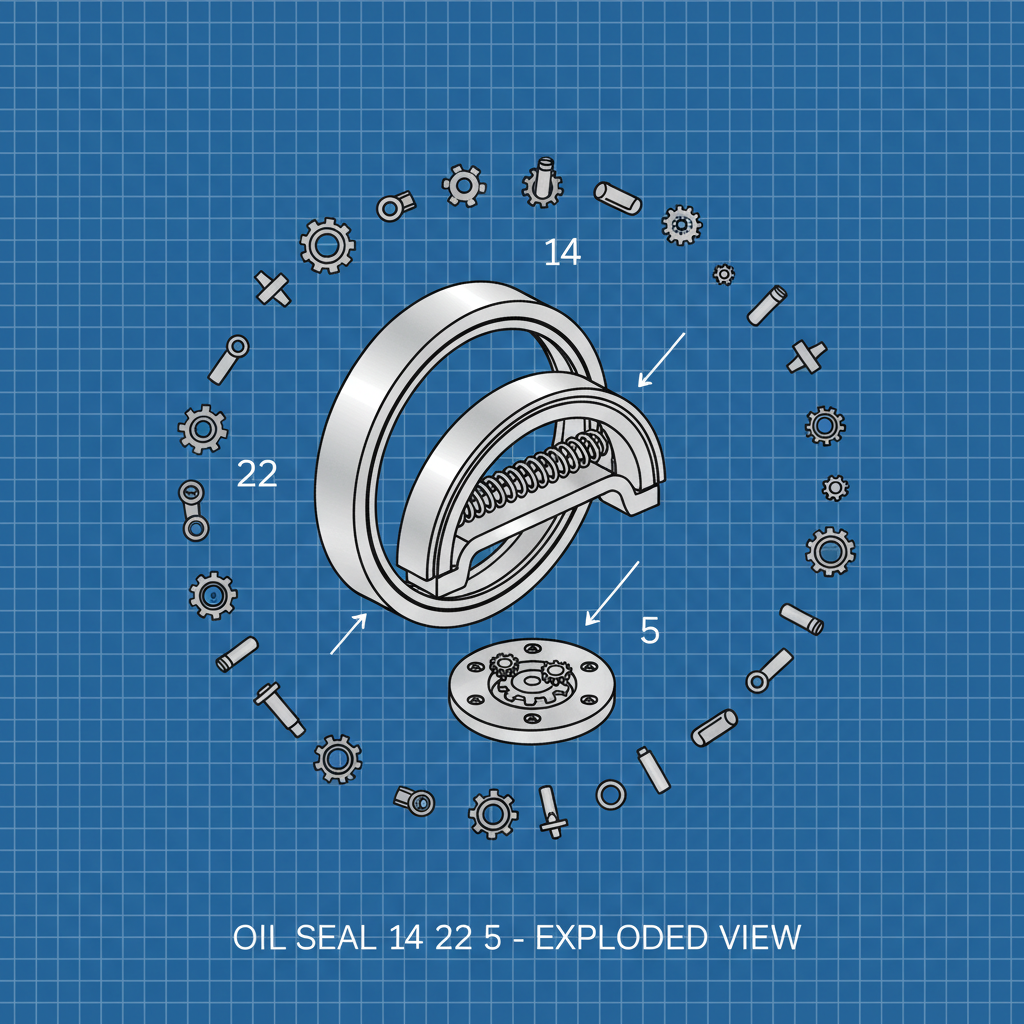
What is a 14 22 5 Oil Seal?
The designation "14 22 5" refers to specific dimensions of the oil seal. Typically, these numbers represent the inner diameter (ID), outer diameter (OD), and width of the seal, respectively – in this case, 14mm ID, 22mm OD, and 5mm width. These seals are designed to prevent the leakage of fluids (oil, grease, water) between stationary and rotating components, such as shafts and housings. They are commonly found in gearboxes, pumps, motors, and other rotating machinery. A correctly installed 14 22 5 oil seal is crucial for ensuring the smooth operation and longevity of the equipment.
Key Highlights: The "14 22 5" designation refers to the inner diameter (14mm), outer diameter (22mm), and width (5mm) of the seal. These dimensions are vital for ensuring a proper fit and effective sealing performance.
Applications of the 14 22 5 Oil Seal
The 14 22 5 oil seal finds widespread use across various industries. Common applications include: automotive transmissions and differentials, electric motors, hydraulic pumps and cylinders, gearboxes in industrial machinery, and power tools. Its compact size makes it ideal for applications where space is limited. The seal's ability to withstand moderate temperatures and pressures contributes to its versatility. Industries benefiting from the reliable performance of this seal include automotive, manufacturing, construction, and agricultural equipment sectors. A high-quality 14 22 5 oil seal will help to prevent costly repairs and downtime.
Common Applications:
• Automotive Transmissions
• Electric Motors
• Hydraulic Pumps
• Industrial Gearboxes
Materials Used in 14 22 5 Oil Seals
Oil seals are constructed from various materials to suit different operating conditions. Common materials include: Nitrile Rubber (NBR) – excellent resistance to oil and fuel, commonly used for general-purpose applications; Viton (FKM) – superior resistance to high temperatures, chemicals, and oils, ideal for demanding environments; Silicone Rubber (VMQ) – good temperature resistance and flexibility, suitable for food-grade applications; Polyacrylate Rubber (ACM) – good resistance to hot oil and oxidation. The choice of material depends on the fluid being sealed, the temperature range, and the pressure conditions. Huimao Oil Seal offers a range of material options to meet specific requirements.
Proper Installation of a 14 22 5 Oil Seal
Correct installation is crucial for ensuring the oil seal's effectiveness. Before installation, thoroughly clean both the shaft and housing to remove any dirt, debris, or burrs. Lightly lubricate the seal’s lip with a compatible lubricant. Use a specialized installation tool to avoid damaging the seal. Ensure the seal is seated squarely in the housing and that the shaft is properly aligned. Avoid using excessive force during installation. Regularly inspecting the installed seal for signs of wear or damage will help prevent unexpected failures. A properly installed 14 22 5 oil seal will significantly extend the lifespan of the machinery.
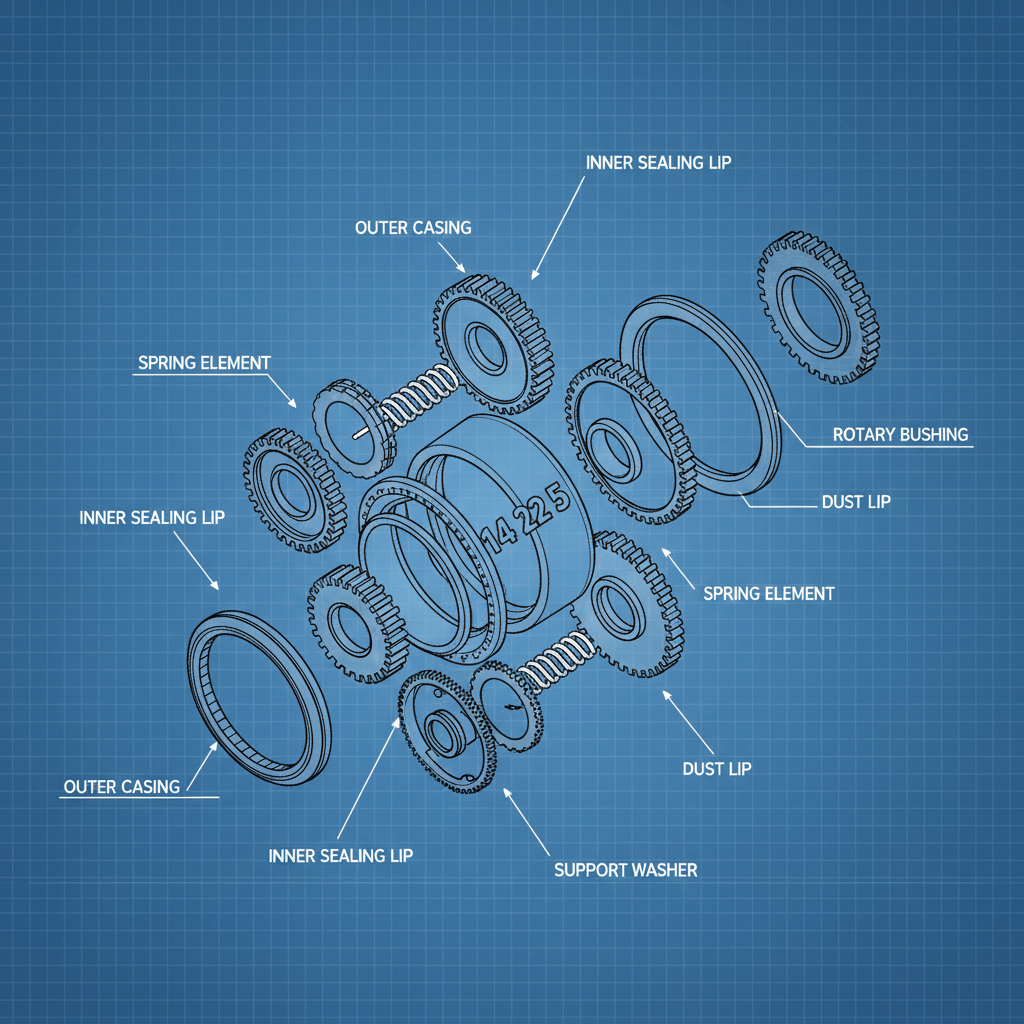
Benefits of Using a Quality 14 22 5 Oil Seal
Investing in a high-quality 14 22 5 oil seal offers numerous benefits, including reduced leakage, improved equipment reliability, lower maintenance costs, and extended machinery lifespan. A properly functioning seal prevents fluid loss, which can lead to decreased efficiency and potential damage to components. By minimizing downtime and reducing the need for frequent replacements, a quality seal contributes to significant cost savings. Huimao Oil Seal ensures superior performance and durability, providing long-term value.
Conclusion: Ensuring Reliability with the Right Seal
Selecting the correct 14 22 5 oil seal is paramount for the efficient and reliable operation of rotating equipment. By understanding the application requirements, material options, and proper installation techniques, you can ensure long-lasting performance and minimize downtime. Choosing quality seals from a reputable supplier, such as Huimao Oil Seal, is an investment in the longevity and efficiency of your machinery.
Frequently Asked Questions (FAQs)
What is the expected lifespan of a 14 22 5 oil seal?
The lifespan of a 14 22 5 oil seal varies depending on operating conditions, including temperature, pressure, and the type of fluid being sealed. Generally, under normal conditions, a well-maintained seal can last between 1 and 3 years. Regular inspection for signs of wear, such as cracking, hardening, or leakage, is crucial. Factors like improper installation, abrasive contaminants, and exceeding the seal's temperature limits can significantly reduce its lifespan. Replacing the seal proactively can prevent catastrophic equipment failure.
Can a 14 22 5 oil seal be reused?
Generally, it is not recommended to reuse an oil seal. Once the seal has been installed and subjected to operational stress, its sealing lip can become deformed or damaged, compromising its ability to prevent leaks. Even if the seal appears undamaged, microscopic imperfections may have developed during use. Reusing a seal can lead to premature failure and potential equipment damage. It's best practice to always install a new seal during maintenance or repairs.
What are the signs of a failing 14 22 5 oil seal?
Common signs of a failing 14 22 5 oil seal include visible oil leakage around the shaft or housing, reduced equipment performance, increased operating temperatures, and unusual noises. A gradual decline in efficiency can also indicate a seal failure. If you observe any of these symptoms, it's important to inspect the seal and replace it promptly to prevent further damage.
Where can I purchase high-quality 14 22 5 oil seals?
You can purchase high-quality 14 22 5 oil seals directly from Huimao Oil Seal. We offer a wide range of materials and sizes to meet your specific application needs. Our seals are manufactured to stringent quality standards, ensuring reliable performance and durability. We also provide expert technical support to help you select the right seal for your requirements.
Latest news
-
Prechamber Spark Plugs for Enhanced Engine Combustion Efficiency
NewsApr.16,2026
-
Ultimate Guide to Choosing the Best Motorcycle Spark Plug
NewsApr.09,2026
-
The Vital Role of a Generator Spark Plug for Reliable Power Supply
NewsApr.07,2026
-
Understanding Engine Spark Plug Functionality for Optimal Performance
NewsApr.04,2026
-
Comprehensive Guide to Aircraft Spark Plugs for Optimal Engine Performance
NewsMar.31,2026
-
Choosing the Best Spark Plug Supplier for Optimal Engine Performance
NewsMar.28,2026