Mar . 17, 2026 02:05 Back to list
Optimizing Engine Performance with Coil Pack and Spark Plugs Maintenance
Understanding Coil Packs and Spark Plugs: A Comprehensive Guide
Ensuring your engine runs smoothly requires a reliable ignition system. Two crucial components of this system are the coil pack and the spark plugs. These parts work together to ignite the air-fuel mixture, providing the power your vehicle needs. This article will delve into the function of each component, how to identify potential problems, and when replacement is necessary. Proper maintenance and timely replacement of these parts are essential for optimal engine performance and fuel efficiency.
What is a Coil Pack and How Does it Work?
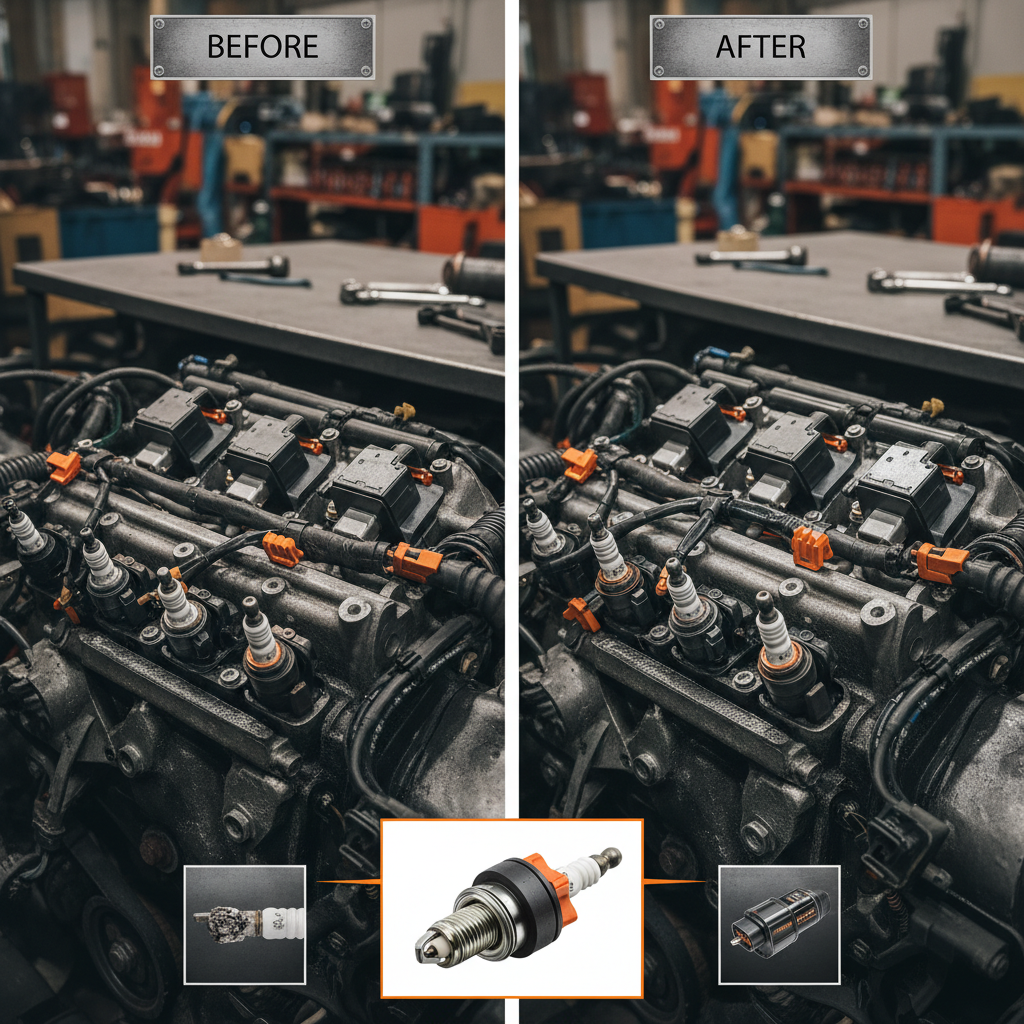
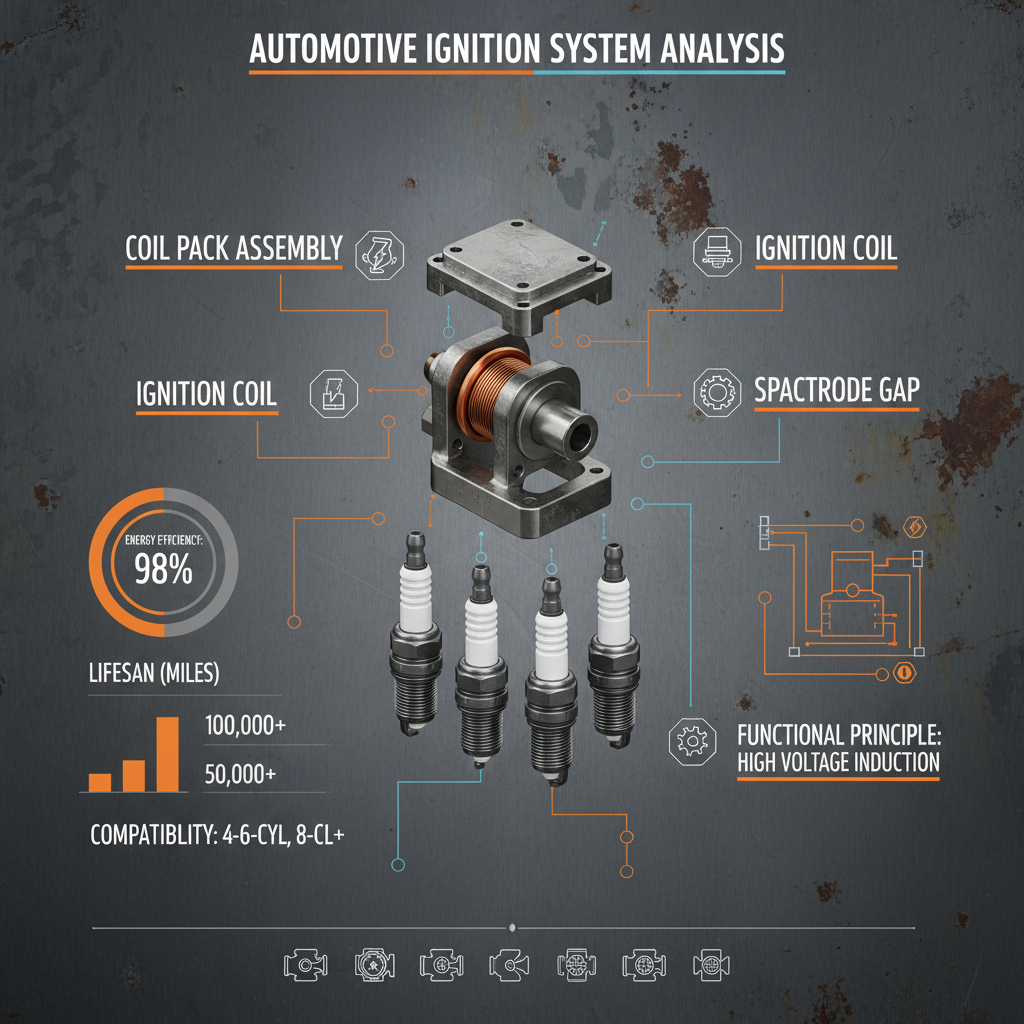
The coil pack is an ignition coil that generates the high-voltage electricity needed to create a spark at the spark plugs. Modern engines often use coil packs instead of a single ignition coil because they are more efficient and reliable. Each cylinder, or pair of cylinders, typically has its own coil pack. The coil pack receives a low-voltage signal from the engine control unit (ECU), which is then transformed into a high-voltage pulse, typically between 20,000 and 40,000 volts. This high-voltage electricity is then sent to the corresponding spark plug to ignite the air-fuel mixture. A failing coil pack can result in misfires, rough idling, and reduced engine power. Visiting Huimaooilseal.com can give you more information on quality coil pack replacements.
Key Takeaway: Coil packs are crucial for efficient and reliable engine ignition. They convert low voltage to high voltage, enabling spark plugs to ignite the air-fuel mixture.
Spark Plugs: The Ignition Point
Spark plugs are responsible for creating the spark that ignites the air-fuel mixture inside the engine cylinders. They consist of a central electrode, a ground electrode, and an insulator. The high-voltage electricity from the coil pack travels to the spark plug, creating an arc across the gap between the electrodes, which ignites the compressed air-fuel mixture. Spark plugs wear down over time due to the constant heat and electrical stress. Worn spark plugs can lead to poor combustion, reduced fuel economy, and increased emissions. A consistent spark is vital for optimal engine function, and finding the right spark plug for your engine at Huimaooilseal.com can improve your vehicles performance.
Spark Plug Benefits:
• Initiates combustion for engine power
• Contributes to fuel efficiency
• Reduces harmful emissions
• Impacts overall engine performance
Coil Pack vs. Spark Plugs: Key Differences
While both coil packs and spark plugs are critical to the ignition system, they have distinct roles. The coil pack generates the high-voltage electricity, while the spark plug delivers that electricity to ignite the air-fuel mixture. The coil pack essentially powers the spark plug. If a coil pack fails, the corresponding spark plug won't receive a sufficient spark. Conversely, if a spark plug is fouled or worn, it may not ignite the mixture even with a good spark from the coil pack. Both failures can cause similar symptoms, making diagnosis sometimes challenging.
Identifying Problems: Symptoms of a Failing Coil Pack or Spark Plug
Several symptoms can indicate a problem with your coil pack or spark plugs. Common signs include engine misfires (a feeling of jerking or stumbling), rough idling, reduced acceleration, poor fuel economy, and the check engine light illuminating. A misfire occurs when one or more cylinders aren't firing correctly. The check engine light will often display a diagnostic trouble code (DTC) that can help pinpoint the source of the problem. A visual inspection can also reveal problems – look for cracked or damaged coil packs, or fouled or worn spark plugs. Addressing these issues promptly will prevent further engine damage.
Maintenance and Replacement: Keeping Your Engine Running Smoothly
Regular maintenance is key to preventing issues with your coil packs and spark plugs. Follow your vehicle's recommended maintenance schedule for spark plug replacement. Inspect coil packs periodically for cracks or damage. Consider using fuel additives designed to clean fuel injectors and combustion chambers, which can help prevent spark plug fouling. When replacing spark plugs, always use the correct type specified by your vehicle manufacturer. You can find a wide selection of quality coil packs and spark plugs at Huimaooilseal.com.
Conclusion: A Reliable Ignition System is Essential
Maintaining a healthy ignition system is vital for optimal engine performance, fuel efficiency, and reduced emissions. The coil pack and spark plugs are crucial components that require regular attention and timely replacement. By understanding their function, recognizing potential problems, and following a proactive maintenance plan, you can ensure your engine runs smoothly for years to come.
Frequently Asked Questions (FAQs)
How often should I replace my spark plugs?
The recommended replacement interval for spark plugs varies depending on the type of spark plug and your vehicle’s manufacturer. Generally, copper spark plugs should be replaced every 30,000 miles, platinum spark plugs every 60,000-100,000 miles, and iridium spark plugs every 100,000+ miles. However, it’s always best to consult your owner’s manual for the specific recommendation for your vehicle. Regular inspection can help determine if replacement is needed sooner than scheduled, especially if you experience symptoms like engine misfires or reduced fuel economy.
Can a bad coil pack cause a check engine light?
Yes, a failing coil pack is a common cause of a check engine light. When a coil pack malfunctions, it can cause a misfire, which the engine control unit (ECU) detects and records as a diagnostic trouble code (DTC). The DTC will typically indicate a misfire on a specific cylinder, which can help you pinpoint the faulty coil pack. Scanning your vehicle’s computer with an OBD-II scanner will reveal the specific code and help you diagnose the problem.
What are the signs of a worn-out spark plug?
Several signs can indicate worn-out spark plugs, including engine misfires, rough idling, difficulty starting the engine, reduced fuel economy, and increased emissions. Visually inspecting the spark plugs can also reveal wear, such as rounded electrodes, carbon buildup, or oil fouling. If you notice any of these signs, it's a good idea to have your spark plugs inspected and replaced if necessary.
Is it possible to replace just one coil pack or spark plug?
While it’s possible to replace just one coil pack or spark plug, it’s generally recommended to replace them in sets. If one coil pack has failed, others are likely nearing the end of their lifespan as well. Replacing all coil packs at once ensures consistent performance and prevents future issues. Similarly, replacing all spark plugs at the same time ensures uniform combustion and optimal engine performance. It’s a more cost-effective approach in the long run.
Latest news
-
Prechamber Spark Plugs for Enhanced Engine Combustion Efficiency
NewsApr.16,2026
-
Ultimate Guide to Choosing the Best Motorcycle Spark Plug
NewsApr.09,2026
-
The Vital Role of a Generator Spark Plug for Reliable Power Supply
NewsApr.07,2026
-
Understanding Engine Spark Plug Functionality for Optimal Performance
NewsApr.04,2026
-
Comprehensive Guide to Aircraft Spark Plugs for Optimal Engine Performance
NewsMar.31,2026
-
Choosing the Best Spark Plug Supplier for Optimal Engine Performance
NewsMar.28,2026