Mar . 10, 2026 02:05 Back to list
Toyota Axia Spark Plug Guide Ensuring Optimal Engine Performance
Understanding the Spark Plug for Your Toyota Axia
Maintaining your Toyota Axia’s engine efficiency and performance relies heavily on the quality of its spark plugs. A faulty spark plug can lead to misfires, reduced fuel economy, and even engine damage. This article delves into the specifics of spark plug axia, covering types, replacement guidelines, and choosing the best options for your vehicle. Finding the right spark plug for your Axia is crucial for optimal engine health and longevity. We will provide practical advice to help you make an informed decision.

Types of Spark Plugs for the Toyota Axia
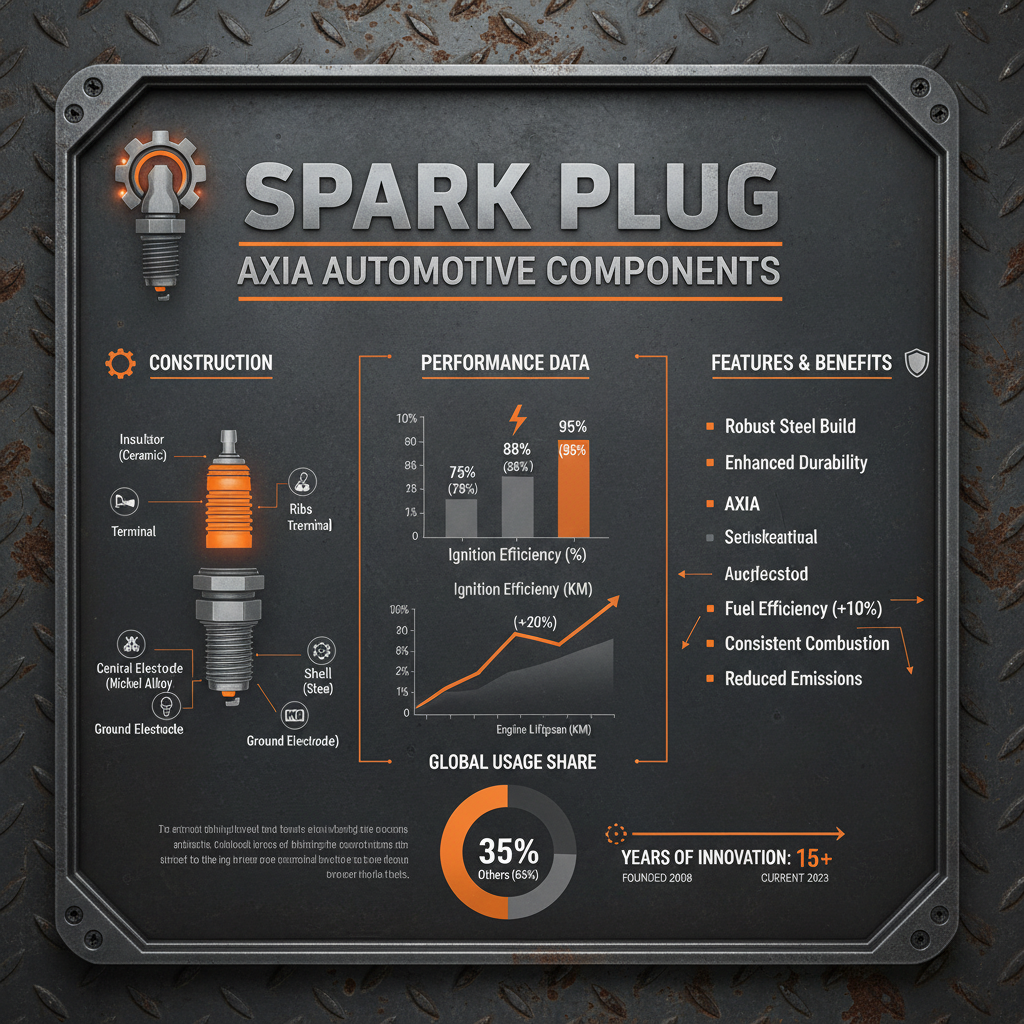
There are primarily three types of spark plugs available for the Toyota Axia: Copper, Platinum, and Iridium. Each offers different benefits in terms of longevity, performance, and cost. Copper spark plugs are the most affordable, but they require more frequent replacement. Platinum spark plugs offer improved durability and a longer lifespan, while Iridium spark plugs are the most expensive but provide the longest service life and most consistent performance. Your choice depends on your driving habits and budget. The best spark plug is one that balances performance with cost-effectiveness.
Key Highlights: Understanding the differences between spark plug types will help you select the best option for your Toyota Axia, ensuring optimal engine performance and fuel efficiency.
Choosing the Right Spark Plug: Axia Engine Specifications
The Toyota Axia typically requires spark plugs that meet specific heat range and thread size specifications. Using the incorrect spark plug can negatively impact engine performance and potentially cause damage. Generally, the Axia’s engine benefits from a spark plug with a medium heat range. It's essential to consult your owner's manual or a trusted mechanic for the precise specifications for your specific Axia model year. Ensuring compatibility is paramount.
Spark Plug Considerations:
• Heat Range: Medium heat range is generally best for Axia engines.
• Thread Size: Ensure the thread size matches your Axia's engine.
• Gap Setting: Properly gapping the spark plug is critical for optimal performance.
• Manufacturer Recommendations: Always prioritize the manufacturer’s suggested spark plug type.
Spark Plug Axia: A Comparison of Common Options
Comparing different spark plug brands and materials can be challenging. Here’s a table outlining the key differences between common spark plug options available for the Toyota Axia:
Spark Plug Replacement Intervals for Your Axia
Regularly replacing your spark plugs is essential for maintaining optimal engine performance. The recommended replacement interval for spark plug axia depends on the type of plug used. Copper plugs should be replaced every 30,000 – 50,000 kilometers, platinum plugs every 80,000 – 160,000 kilometers, and iridium plugs every 160,000+ kilometers. However, it’s crucial to visually inspect your spark plugs periodically for signs of wear and tear, such as fouling, erosion, or cracking.
DIY vs. Professional Installation
Replacing spark plugs is a relatively straightforward task for experienced DIY mechanics. However, it requires the correct tools and knowledge to avoid damaging the engine. If you're not comfortable working on your engine, it's best to have the spark plugs replaced by a qualified mechanic. Incorrect installation can lead to misfires and potentially more severe engine problems. You can find quality spark plugs and oil seals at Huimao Oil Seal.
Conclusion: Maintaining Optimal Axia Performance
Choosing the right spark plug axia and adhering to regular replacement intervals are crucial for maintaining your Toyota Axia's engine health, fuel efficiency, and overall performance. Whether you choose to tackle the replacement yourself or rely on a professional mechanic, prioritizing quality and compatibility will ensure a smooth and reliable driving experience.
Frequently Asked Questions (FAQs)
What are the symptoms of a failing spark plug in a Toyota Axia?
Common symptoms of a failing spark plug include engine misfires (felt as a rough idle or hesitation during acceleration), reduced fuel economy, difficulty starting the engine, and a noticeable loss of power. You might also experience a "check engine" light illuminating on your dashboard. Ignoring these symptoms can lead to more serious engine damage, so prompt attention is crucial. A simple diagnostic test involves checking the spark plugs for wear, fouling, or damage.
How do I properly gap a spark plug for my Axia?
Spark plug gap refers to the distance between the center electrode and the ground electrode. The correct gap for your Toyota Axia is specified in your owner’s manual. To gap a spark plug, use a spark plug gapping tool to carefully bend the ground electrode until the gap matches the specified measurement. Be gentle to avoid damaging the electrode. Incorrect gapping can cause misfires and reduce engine performance.
Can I mix different types of spark plugs in my Axia?
It's generally not recommended to mix different types of spark plugs (e.g., copper and iridium) in your Toyota Axia. Different spark plug materials have different performance characteristics and heat ranges. Mixing them can lead to uneven combustion, reduced engine efficiency, and potentially damage to the catalytic converter. It's best to replace all spark plugs with the same type and specification at the same time.
Where can I find reliable spark plugs for my Toyota Axia?
You can find reliable spark plugs for your Toyota Axia at reputable auto parts stores, dealerships, and online retailers. Huimao Oil Seal offers a selection of high-quality spark plugs compatible with various Toyota models, including the Axia. Ensure you choose spark plugs from trusted brands and verify that they meet the specifications for your specific vehicle.
Latest news
-
Prechamber Spark Plugs for Enhanced Engine Combustion Efficiency
NewsApr.16,2026
-
Ultimate Guide to Choosing the Best Motorcycle Spark Plug
NewsApr.09,2026
-
The Vital Role of a Generator Spark Plug for Reliable Power Supply
NewsApr.07,2026
-
Understanding Engine Spark Plug Functionality for Optimal Performance
NewsApr.04,2026
-
Comprehensive Guide to Aircraft Spark Plugs for Optimal Engine Performance
NewsMar.31,2026
-
Choosing the Best Spark Plug Supplier for Optimal Engine Performance
NewsMar.28,2026