Oct . 18, 2025 12:50 Back to list
Radiator Hose 25412-2E100 | OEM Fit, Durable EPDM, Fast Ship
Field Notes on the Radiator Hose 25412-2E100 from Hebei
I’ve been walking shop floors long enough to know a cooling system lives or dies by its rubber plumbing. And this one—the Radiator Hose 25412-2E100—has been turning heads among fleet buyers and independent garages alike. It comes out of the Julu industrial zone, Xingtai city, Hebei province, a place that’s built a quiet reputation for reliable elastomer parts. Interestingly, some catalogs cross-list it for different European and Korean platforms; to be honest, always confirm with VIN or OE cross-reference before hitting “buy.”
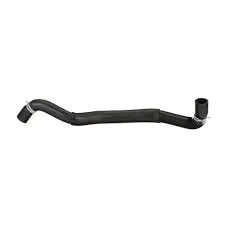
What’s changing in the hose world?
Two big trends: higher under-hood temps from turbo downsizing, and the shift to long-life coolants. That pushes suppliers toward EPDM blends with tighter peroxide cure control, or even FKM liners on hot spots. Actually, most real-world buyers still want EPDM for value and stability—if the compounding is right.
Technical snapshot
| Spec | Value (≈, real-world may vary) |
|---|---|
| Base material | EPDM + polyester/aramid fiber reinforcement |
| Inner diameter | ≈ 28–34 mm (application-dependent) |
| Operating temp | -40°C to +125°C continuous; spikes to 135°C |
| Burst pressure | ≥ 2.5× working pressure (tested around 1.6–2.0 MPa) |
| Ozone resistance | Pass, 50 pphm, 40°C, 72 h, no cracks (ASTM visual) |
| Standards target | SAE J20 Class D-1; ASTM D2000 M2BA |
Installation scenarios: daily commuter sedans, light crossovers, and fleet taxis where uptime matters. Many customers say it drops in without drama and seals cleanly with OE-style clamps. I guess that’s what you want—no fuss, no leaks.
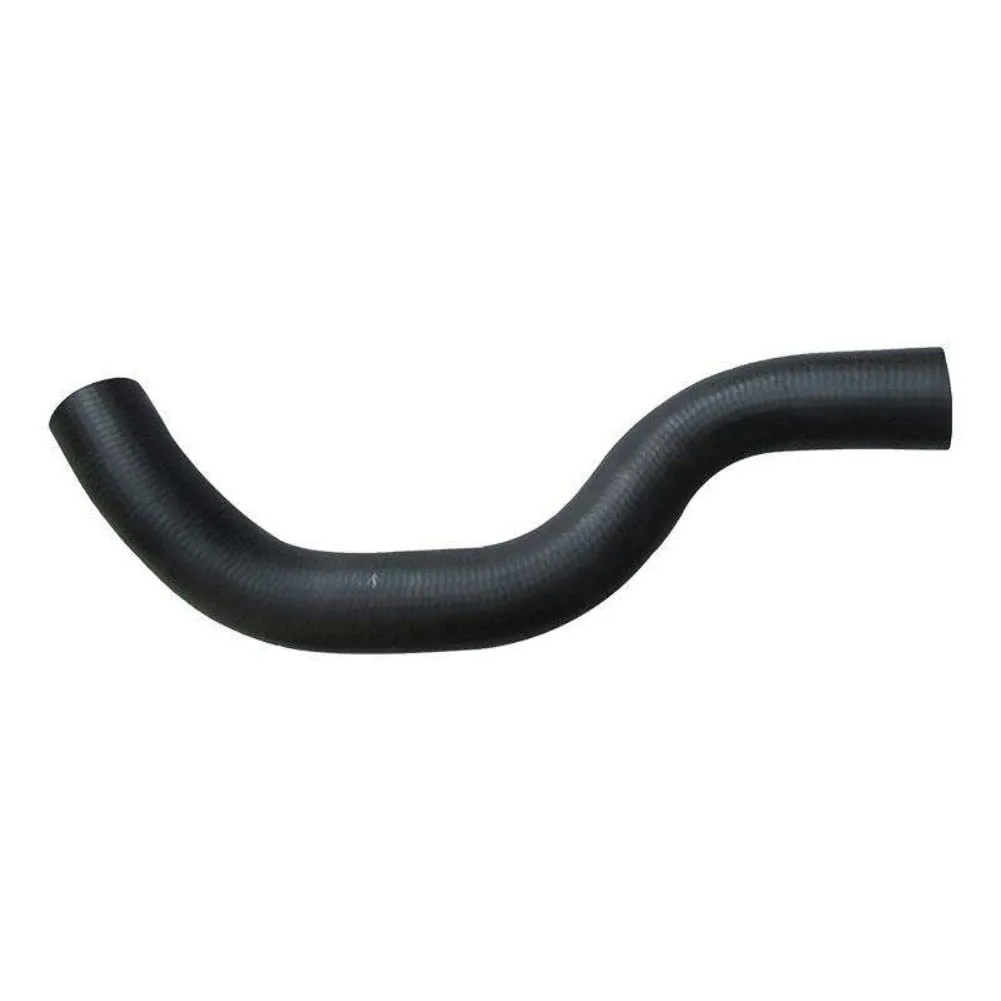
Manufacturing and testing flow (how it’s made)
- Materials: peroxide-cured EPDM compound, fabric reinforcement, optional fluoroelastomer liner on request.
- Methods: mandrel wrapping and autoclave vulcanization; CNC cut length; end-bead forming for clamp retention.
- QC checkpoints: durometer (Shore A 60–75), tensile and elongation, burst and vacuum collapse, dimensional CMM checks.
- Testing standards: SAE J20 coolant hose, ASTM D1149 ozone, ASTM D412 tensile, salt spray on clamps if supplied.
- Service life: around 6–8 years/120–160k km in average duty; coolant quality heavily influences this.
- Industries: passenger vehicles, small vans, remanufacturing lines, and export aftermarket.
Why this hose over others?
The big advantage is stable EPDM cure and neat bead geometry—less creep under clamp load. Surprisingly, some budget hoses skip the extra fabric ply; this one doesn’t. On customization, you can specify ID/OD, pre-formed angles, logo ink-jet, and even batch traceability if you’re supplying fleets.
| Vendor | Material/Spec | Testing | Notes |
|---|---|---|---|
| Huimao (Hebei) | EPDM, SAE J20 target | Burst, vacuum, ozone | Custom bends, quick lead-time |
| Generic Import A | EPDM, unspecified | Basic visual only | Lower price; variable QC |
| Dealer OE | EPDM to OE print | Full OEM spec | Highest cost, best traceability |
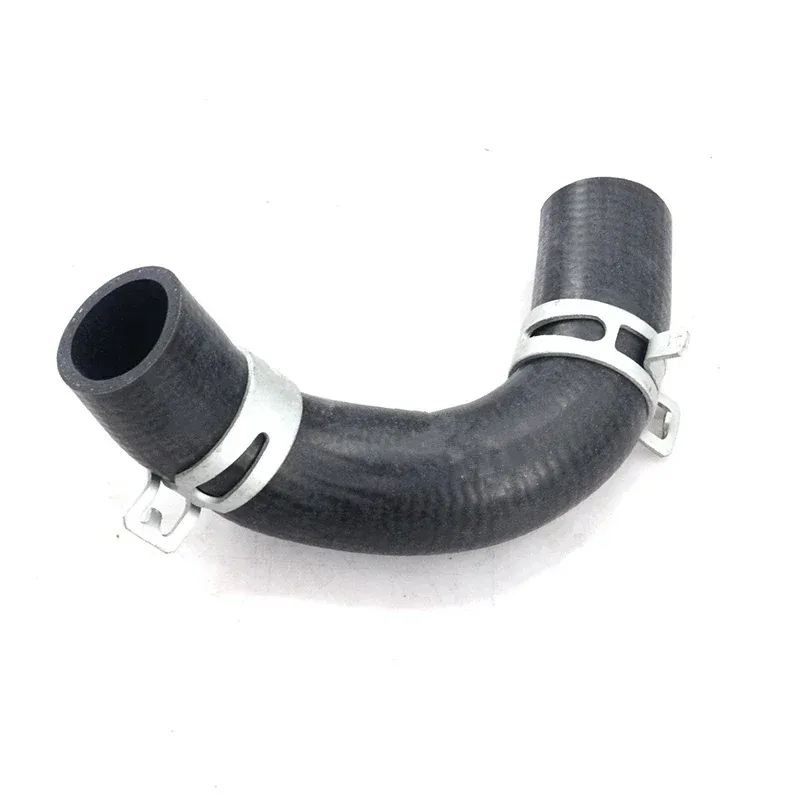
Case study: urban taxi fleet
A 60-car taxi operator swapped to Radiator Hose 25412-2E100 units during summer peak. Failure rate over 9 months: 1/60 (clamp issue, not the hose). Coolant weeps dropped to near-zero after torque re-checks at 1,000 km. Mechanics liked the slightly stiffer bead—easy to seat, less rework.
Certifications and compliance
Production follows ISO 9001 systems; automotive customers may request IATF 16949 documentation. Material declarations available for REACH and RoHS on request. Test reports typically include burst, vacuum collapse, and ozone exposure data aligned with SAE/ASTM methods.
Practical buying tips
- Match bends and port angles to your chassis; photos are helpful, but the print or VIN check is safer.
- Use new clamps; reuse works in a pinch, but many leaks come from tired hardware.
- Flush coolant—old silicates chew hoses, no matter how good the rubber is.
Origin: Julu industrial zone, Xingtai city, Hebei province. If you need a private-label run of the Radiator Hose 25412-2E100, ask for compound sheet, cure profile, and PPAP-lite—most serious vendors will share.
Authoritative references
Latest news
-
Everything You Need to Know About Oil Seal 40 62 10: Specs, Uses & Suppliers
NewsDec.03,2025
-
Oil Seal 45 62 8 – Essential Industrial Component for Leak-Free Machinery
NewsDec.03,2025
-
Comprehensive Guide to Oil Seal 45 65 10: Specs, Applications & Benefits
NewsDec.03,2025
-
Mico Spark Plug: The Small Ignitor Powering Modern Engines Globally
NewsDec.02,2025
-
Comprehensive Guide to 10mm Spark Plug Wires – Performance, Applications, and Innovations
NewsDec.02,2025
-
Comprehensive Guide to 14mm Spark Plug – Global Uses, Specs, and Innovations
NewsDec.02,2025