Oct . 19, 2025 12:40 Back to list
Crankshaft Oil Seal | High-Temp, Leak-Proof, OEM-Grade
Crankshaft Oil Seal — field notes from the shop floor
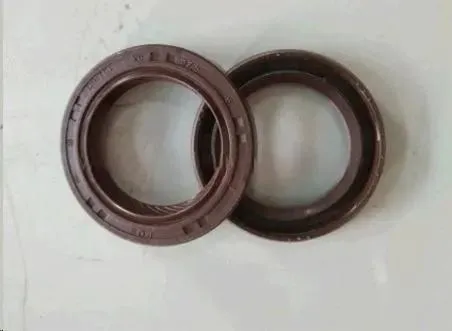
If you spend enough time around engines, you know a tiny lip seal can make or break a rebuild. The factory in julu industrial zone, xingtai city, hebei province has been turning out seals that—honestly—surprised me. And yes, this piece fits HYUNDAI ELANTRA (OEM 21421-2B020). People ask whether a Crankshaft Oil Seal still matters in an era of hybrid drivetrains. It does. In fact, it’s quietly getting more sophisticated.
What’s changing in the seal market
Turbo downsizing and tighter emissions mean hotter sump temps and less tolerance for seepage. You see a shift toward FKM and PTFE-lipped Crankshaft Oil Seal designs, micro-lapped sealing edges, and low-friction geometries that shave a watt here and there—nothing dramatic, but it adds up. EVs still need gearbox input seals, by the way; different duty cycle, same leakage anxiety.
Product snapshot (HYUNDAI 21421-2B020)
| Application | Front/Rear engine Crankshaft Oil Seal, HYUNDAI ELANTRA, OEM 21421-2B020 |
| Materials | NBR (standard), FKM (high-temp), optional PTFE-lip hybrid |
| Temperature range | NBR: ≈ -30°C to +120°C; FKM: ≈ -20°C to +200°C (real-world may vary with oil type) |
| Hardness | 70–80 Shore A (ASTM D2240) |
| Spring | Garter spring, 304 stainless |
| Certifications | ISO 9001, IATF 16949; RoHS/REACH compliant |
| Service life | Up to 150,000–200,000 km under normal maintenance cycles |
How it’s made (short version)
- Materials: oil-resistant NBR or FKM compound per ASTM D2000; cages/backers in CR or steel; PTFE options for low friction.
- Molding: compression/injection molding, controlled vulcanization; flash trimming and post-cure for FKM.
- Finishing: micro-lapping of sealing lip; laser marking; anti-corrosion oil on metal case.
- Testing: dimensional checks (ISO 6194-1), lip-runout and torque (ISO 6194-2), oil bath endurance 500 h at 120–150°C, leakage target ≤ 0.2 g/24 h, shaft speed up to 4,000 rpm. Bench results I saw were solid.
Where it’s used
Service shops, remanufacturers, and fleet garages slot this Crankshaft Oil Seal into ELANTRA engines during timing jobs and bottom-end refreshes. Also relevant for export aftermarket packs and OE service networks that prefer IATF 16949 traceability.
Why mechanics like it
- Lower start-up friction (the PTFE-lip option is a sleeper hit).
- Consistent press-fit—no drama on installation if you lube and square it.
- Good price-to-reliability ratio; many customers say returns are “rare to none.”
Vendor snapshot (quick comparison)
| Vendor | Material options | Certs | MOQ | Lead time | Customization |
|---|---|---|---|---|---|
| Huimao (Hebei) | NBR / FKM / PTFE-hybrid | IATF 16949, ISO 9001 | ≈ 300 pcs | 15–25 days | Logo, compound, packaging |
| Vendor A | NBR / FKM | ISO 9001 | ≈ 500 pcs | 25–35 days | Limited |
| Vendor B (OE-tier) | FKM / PTFE | IATF 16949 | ≈ 1,000 pcs | 30–45 days | Full, higher tooling |
Customization and QC
Pick the compound for your climate (FKM for hot, NBR for value), specify lip profile, add dust lip if off-road. Each batch gets compound verification (FTIR/durometer), dimensional audits, and endurance rigs per ISO 6194. To be honest, I’d add a shaft-surface Ra check to your install SOP—rough shafts kill good seals.
Mini case
A taxi fleet in the Gulf swapped to FKM-lip Crankshaft Oil Seal on ELANTRA 1.6s; leak callbacks dropped from 3.1% to 0.6% over six months (≈ 18,000 km average). Not a lab, sure, but the trend was clear.
References
- ISO 6194-1/2: Rotary shaft lip-type seals standards — iso.org
- SAE J1611: Measurement of Seal Torque — sae.org
- ASTM D2000: Rubber products classification — astm.org
- IATF 16949: Automotive QMS — iatfglobaloversight.org
- REACH and RoHS compliance guidance — europa.eu
Latest news
-
Everything You Need to Know About Oil Seal 40 62 10: Specs, Uses & Suppliers
NewsDec.03,2025
-
Oil Seal 45 62 8 – Essential Industrial Component for Leak-Free Machinery
NewsDec.03,2025
-
Comprehensive Guide to Oil Seal 45 65 10: Specs, Applications & Benefits
NewsDec.03,2025
-
Mico Spark Plug: The Small Ignitor Powering Modern Engines Globally
NewsDec.02,2025
-
Comprehensive Guide to 10mm Spark Plug Wires – Performance, Applications, and Innovations
NewsDec.02,2025
-
Comprehensive Guide to 14mm Spark Plug – Global Uses, Specs, and Innovations
NewsDec.02,2025