Sep . 12, 2025 08:40 Back to list
Premium Ventilation Valves for Efficient Airflow Control
Industry Trends in Fluid Control and Ventilation Technology
The global industrial landscape is increasingly demanding advanced fluid control mechanisms that offer superior efficiency, reliability, and environmental compliance. This necessitates a critical focus on components such as the Ventilation Valve, a cornerstone in various process-critical applications. Current trends indicate a strong shift towards intelligent, digitally integrated valve systems capable of real-time monitoring and predictive maintenance. Manufacturers are focusing on material innovation to enhance corrosion resistance and durability, especially in harsh operating environments. Furthermore, energy efficiency is no longer a luxury but a fundamental requirement, driving demand for designs that minimize pressure drop and optimize flow dynamics. The integration of IoT and AI in valve management is also on the rise, promising unprecedented levels of operational control and system optimization, particularly in complex industrial networks like smart factories and automated processing plants. Environmental regulations, such as stringent emissions controls and the push for sustainable operations, further compel the industry to develop valves that prevent fugitive emissions and reduce overall carbon footprint.
Geographically, emerging markets are seeing rapid industrialization, leading to a surge in demand for robust and cost-effective ventilation solutions. Concurrently, established markets in North America and Europe are prioritizing upgrades to existing infrastructure with high-performance, long-lifecycle components. The supply chain resilience, especially after recent global disruptions, has also become a key consideration, pushing for localized manufacturing and diversified sourcing strategies for critical components.
Detailed Manufacturing Process Flow of a Ventilation Valve
The production of a high-performance Ventilation Valve is a meticulous, multi-stage process designed to ensure precision, durability, and compliance with stringent industry standards. Each step is critical in contributing to the valve's overall reliability and operational lifespan.
Key Process Steps:
- 1. Material Selection & Procurement: Sourcing begins with certified raw materials, typically high-grade stainless steel (e.g., SS304, SS316L for corrosion resistance), ductile iron, carbon steel, or specialized alloys depending on the application and media. Materials are selected based on anticipated pressure, temperature, chemical compatibility, and desired service life. Certifications like EN 10204 3.1 are standard.
- 2. Body Manufacturing (Casting/Forging):
- Casting: For complex geometries, sand casting or investment casting processes are employed. Molten metal is poured into molds, then allowed to cool and solidify. This offers cost-effectiveness for larger volumes.
- Forging: For applications demanding higher strength and integrity, forging is used. Metal is heated and then shaped using localized compressive forces, resulting in a dense, grain-oriented structure with superior mechanical properties.
- 3. CNC Machining: Precision machining using Computer Numerical Control (CNC) equipment is critical. This stage ensures exact dimensions, tight tolerances, and smooth surface finishes for internal components like the valve seat, disc, stem, and body bore. This directly impacts sealing efficiency and operational smoothness.
- 4. Component Fabrication & Assembly: Individual components, including seals (e.g., EPDM, Viton, PTFE), springs, and actuators, are manufactured or sourced. All components undergo strict quality checks before final assembly in a controlled environment to prevent contamination and ensure correct fitting.
- 5. Surface Treatment & Coating: Depending on the application, valves may undergo surface treatments such as passivation for stainless steel, epoxy coating for corrosion protection in carbon steel valves, or specialized coatings for abrasive or high-temperature environments. This enhances the valve's resistance to corrosion, erosion, and chemical attack.
- 6. Testing & Quality Assurance:
- Hydrostatic Testing: Each valve body is subjected to a hydrostatic pressure test (e.g., per API 598, EN 12266-1) at 1.5 times the nominal pressure to check for structural integrity and leaks.
- Seat Leakage Test: Air or water is used at lower pressures to verify the sealing capability of the valve seat.
- Functional Testing: The valve's opening and closing mechanisms are tested to ensure smooth operation, correct torque, and full travel.
- Material Verification: Spectrographic analysis (PMI - Positive Material Identification) is performed on critical components to confirm alloy composition.
- 7. Final Inspection & Packaging: A final visual and dimensional inspection ensures all specifications are met. Valves are then carefully cleaned, preserved (e.g., rust preventative oil), and packaged to prevent damage during transit, often with protective end caps and robust crating.
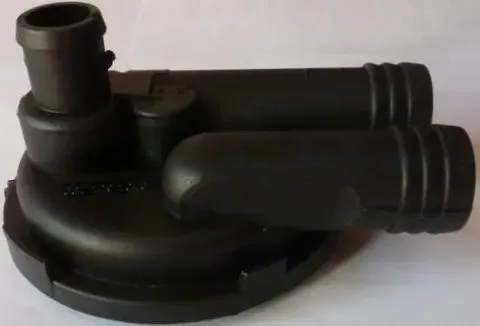
This stringent manufacturing process ensures that each Ventilation Valve delivered to our clients upholds the highest standards of quality, safety, and performance, guaranteeing a projected service life often exceeding 15-20 years under optimal operating conditions.
Technical Specifications and Parameters
Understanding the precise technical specifications of a Ventilation Valve is paramount for proper system design and operational efficiency. Our valves are engineered to meet diverse industrial requirements with robust construction and precise control capabilities.
Typical Ventilation Valve Specifications:
| Parameter | Specification Range | Standard Compliance |
|---|---|---|
| Nominal Diameter (DN/NPS) | DN50 - DN1200 (NPS 2" - 48") | ISO 5752, ASME B16.10 |
| Nominal Pressure (PN/Class) | PN10 - PN160 (Class 150 - Class 900) | EN 1092-1, ASME B16.5 |
| Body Material | Ductile Iron (GGG40), Carbon Steel (WCB), Stainless Steel (CF8M, CF3M), Duplex Steel (CD3MN) | ASTM A216, A351, A536 |
| Sealing Material | EPDM, NBR, Viton (FKM), PTFE, Metal-to-Metal | ASTM D2000 |
| Temperature Range | -40°C to +200°C (depending on sealing material) | |
| Actuation Options | Manual (Handwheel, Lever), Pneumatic, Electric, Hydraulic | ISO 5211 (Actuator Mounting) |
| Leakage Class | Class V (soft seat), Class IV (metal seat) | ANSI/FCI 70-2 |
| End Connections | Flanged (RF, FF), Wafer, Lugged, Butt-Weld | ASME B16.5, ASME B16.25 |
These specifications ensure that our Ventilation Valve products are not only compliant with international standards but also tailored to deliver optimal performance across a spectrum of challenging industrial operations. Precision engineering guarantees minimal maintenance requirements and maximum operational uptime.
Application Scenarios and Target Industries
The versatility and robust design of the Ventilation Valve make it indispensable across a wide array of industrial sectors. Its primary function is to regulate the flow of air or gas, prevent vacuum formation, and manage pressure differentials, ensuring system integrity and operational safety.
Key Application Scenarios:
- Petrochemical Industry: Used in tank farms and pipelines for breathing applications, preventing tank collapse or rupture due to pressure fluctuations during filling/emptying or temperature changes. Essential for vapor recovery units and flare systems.
- Metallurgy and Mining: Critical for dust collection systems, furnace ventilation, and gas handling systems where precise air or gas flow is required to maintain safe atmospheric conditions and prevent particulate build-up.
- Water Supply & Drainage Systems: Employed in pumping stations, water treatment plants, and sewer networks to release trapped air, prevent water hammer, and allow air ingress when lines are drained, protecting pipelines from vacuum collapse.
- Power Generation: Utilized in ventilation systems for boiler rooms, turbine halls, and cooling towers, regulating airflow for combustion, cooling, and safety.
- HVAC and Building Management: Essential for large-scale industrial HVAC systems to control airflow, maintain desired pressure regimes, and ensure air quality in cleanrooms, data centers, and manufacturing facilities.
- Chemical Processing: Handling corrosive or hazardous gases, requiring specific material construction (e.g., stainless steel, PTFE-lined) to ensure long-term integrity and safety.
In these scenarios, the advantages of our valves, such as energy saving through optimized flow, superior corrosion resistance due to advanced materials, and precise pressure regulation, are clearly demonstrated. For instance, in a municipal water network, a properly sized air Ventilation Valve can reduce energy consumption by preventing water hammer surges and maintaining consistent flow, thereby extending the life of pumps and pipes.
Technical Advantages and Performance Metrics
Our Ventilation Valve products are designed with advanced engineering principles to deliver measurable technical advantages that translate directly into operational benefits for our clients. Focus areas include enhanced durability, superior sealing, and optimized flow dynamics.
Key Advantages:
- Exceptional Corrosion Resistance: Utilizing materials like SS316L, Duplex Stainless Steel, and specialized coatings ensures longevity in aggressive chemical environments. This minimizes maintenance costs and extends replacement cycles significantly.
- Optimized Flow Dynamics: Engineered internal geometries reduce turbulence and minimize pressure drop, leading to significant energy savings in pumping or compression systems. This directly impacts operational expenditure (OpEx).
- Superior Sealing Integrity: Precision-machined seating surfaces and advanced elastomeric or metallic sealing materials provide bubble-tight shut-off (per ANSI/FCI 70-2 Class V or VI), preventing fugitive emissions and ensuring process containment.
- Robust Construction & Durability: Heavy-duty body castings/forgings, reinforced stems, and high-strength fasteners ensure reliability under extreme pressure, temperature, and cyclic operations. Our valves are designed for a service life exceeding 150,000 cycles.
- Low Maintenance Requirements: Self-lubricating bearings, easily replaceable wear parts, and robust designs contribute to extended maintenance intervals, reducing total cost of ownership (TCO).
- Modular Design for Customization: Standardized interfaces for actuators and accessories allow for easy integration into existing or new control systems, providing flexibility and future-proofing.
Performance metrics often include quantifiable benefits such as a 15-20% reduction in system energy consumption due to improved flow coefficient (Cv), a 99.9% reduction in leak rates compared to conventional designs, and an operational lifespan extended by 30-50% in demanding applications. Our rigorous testing protocols, including pressure cycle tests and environmental stress screening, validate these claims, providing authoritative assurance of product quality and reliability.
Vendor Comparison: Selecting the Right Ventilation Valve Partner
Choosing the optimal supplier for a Ventilation Valve requires a thorough evaluation beyond initial cost. Factors such as product quality, technical support, customization capabilities, and after-sales service play a crucial role in long-term operational success and cost efficiency. Below is a comparative overview of typical vendor offerings, highlighting our competitive advantages.
Ventilation Valve Vendor Comparison:
| Feature/Criterion | Our Offering (Huimao) | Typical Competitor A | Typical Competitor B |
|---|---|---|---|
| Material Certifications | EN 10204 3.1, PMI on all critical components | Limited or 2.2 certificates only | 3.1 on request, limited PMI |
| Design & Engineering | In-house R&D, CFD-optimized designs | Standard designs, outsourced R&D | Reliance on older designs |
| Leakage Performance | ANSI/FCI 70-2 Class V/VI standard | Class III/IV typically | Class IV with premium |
| Customization | Extensive, from materials to actuation & controls | Limited options (DN/PN only) | Moderate flexibility |
| Warranty | 24-36 months standard, extendable | 12-18 months | 18-24 months |
| Lead Time (Standard) | 4-6 weeks for common configurations | 8-12 weeks | 6-10 weeks |
Our commitment to superior engineering, rigorous quality control (ISO 9001 certified), and dedicated customer support ensures that we provide not just a product, but a reliable solution that minimizes downtime and optimizes operational expenditure for our clients. We have been serving leading industrial clients globally for over two decades, building a reputation for trustworthiness and expertise.
Customized Solutions for Complex Demands
Recognizing that standard products may not always meet the unique challenges of every industrial application, we offer extensive customization services for our Ventilation Valve range. Our engineering team collaborates closely with clients to design and manufacture bespoke solutions that integrate seamlessly into existing systems and address specific operational constraints.
Customization Capabilities Include:
- Material Adaptation: Beyond standard options, we can utilize exotic alloys (e.g., Hastelloy, Monel, Titanium) for extreme corrosive media, high temperatures, or specific industry regulations (e.g., NACE MR0175 for sour service).
- Specialized Coatings: Application of advanced internal and external coatings (e.g., Ceramic, Tungsten Carbide, PFA lining) to enhance erosion resistance, reduce friction, or improve chemical compatibility.
- End Connection Modifications: Design and fabrication of non-standard flange types, weld ends, or specialized connections to match unique pipeline configurations or equipment interfaces.
- Actuation & Control Integration: Integration of specific pneumatic, electric, or hydraulic actuators, along with advanced control accessories such as positioners, limit switches, solenoids, and intelligent valve controllers for seamless DCS/SCADA integration.
- Pressure and Temperature Rating Adjustments: Engineering valves to operate reliably beyond standard pressure classes or within exceptionally wide temperature ranges, often requiring specific material and design modifications.
- Flow Characteristic Optimization: Custom design of valve trim (e.g., contoured discs, multi-stage cages) to achieve specific flow curves, noise reduction, or cavitation prevention in critical control applications.
Our team leverages advanced CAD/CAE tools, including Computational Fluid Dynamics (CFD) and Finite Element Analysis (FEA), to model and predict valve performance under custom conditions before physical prototyping. This approach significantly reduces development time and ensures the customized Ventilation Valve meets or exceeds performance expectations, offering a tailored solution without compromise on quality or reliability.
Application Case Studies & Customer Success
Case Study 1: Enhanced Efficiency in a Petrochemical Facility
A major petrochemical client was experiencing significant fugitive emissions and inefficient tank breathing operations due to aging and poorly sealing ventilation valves in their crude oil storage tanks. This led to environmental compliance issues and product loss. We engineered and supplied custom SS316L Ventilation Valve units with specialized PTFE seals, rated for H2S service and equipped with smart position feedback sensors.
- Result: Post-installation, the client reported a 98% reduction in fugitive emissions (validated by optical gas imaging) and a 12% improvement in tank breathing efficiency, leading to an estimated annual saving of over $250,000 in product retention and reduced environmental fines.
- Client Feedback: "The new valves from Huimao have not only solved our compliance issues but have also proven to be a financially sound investment due to their reliability and the excellent technical support provided."
Case Study 2: Preventing Water Hammer in a Municipal Water Network
A large municipal water utility faced recurring issues with water hammer and pipe collapse in their main transmission lines during pump shut-offs and emergency draining. Conventional air valves were failing to adequately vent or admit air quickly enough, causing costly damage and service interruptions. We provided large-bore, dual-orifice air Ventilation Valve systems, specifically designed for high-volume air release and vacuum prevention.
- Result: Installation of our valves completely eliminated instances of pipe collapse and significantly reduced water hammer events. The system's operational stability improved dramatically, leading to a 20% reduction in pipe maintenance costs and uninterrupted water supply.
- Client Feedback: "Huimao's robust air valves were a game-changer for our network. Their engineers provided excellent guidance on placement and sizing, and the product performance has been flawless."
Frequently Asked Questions (FAQ)
- Q1: What is the typical lead time for a standard Ventilation Valve order?
- For standard configurations and common materials, our typical lead time is 4-6 weeks from order confirmation. For highly customized or large-volume orders, lead times will be provided with the quotation, generally ranging from 8-12 weeks, depending on material availability and complexity.
- Q2: What warranty is provided with your Ventilation Valves?
- We offer a standard warranty of 24-36 months from the date of shipment or 18-30 months from the date of installation, whichever comes first, against manufacturing defects and material failures under normal operating conditions. Extended warranty options are available upon request.
- Q3: How do you ensure product quality and reliability?
- Our quality assurance program is ISO 9001 certified and includes rigorous testing at every stage of manufacturing, from raw material inspection to final functional and pressure testing per API, ANSI, and EN standards. We provide complete material test reports (MTRs) and performance certificates with every shipment.
- Q4: What kind of after-sales support do you offer?
- We provide comprehensive after-sales support including technical consultations, troubleshooting assistance, spare parts supply, and on-site commissioning and training services globally. Our dedicated support team is available to ensure the continuous and efficient operation of your ventilation systems.
Conclusion
The proper selection and implementation of high-quality ventilation valves are critical for the safety, efficiency, and longevity of industrial fluid and gas handling systems. Our commitment to engineering excellence, adherence to international standards, and a focus on customized solutions position us as a trusted partner for B2B clients seeking reliable and high-performance Ventilation Valve technology. We pride ourselves on delivering products that not only meet but exceed industry expectations, ensuring optimal operational performance and significant cost savings over the entire lifecycle.
Authoritative Citations
- International Organization for Standardization (ISO) Official Website. "ISO 9001:2015 Quality management systems — Requirements."
- American Petroleum Institute (API) Official Website. "API Specification 6D: Specification for Pipeline Valves."
- American Society of Mechanical Engineers (ASME) Official Website. "ASME B16.34: Valves—Flanged, Threaded, and Welding End."
- Fluid Controls Institute (FCI) Official Website. "ANSI/FCI 70-2: Control Valve Seat Leakage."
- National Association of Corrosion Engineers (NACE International) Official Website. "NACE MR0175 / ISO 15156: Petroleum and natural gas industries—Materials for use in H2S-containing environments in oil and gas production."
Latest news
-
Everything You Need to Know About Oil Seal 40 62 10: Specs, Uses & Suppliers
NewsDec.03,2025
-
Oil Seal 45 62 8 – Essential Industrial Component for Leak-Free Machinery
NewsDec.03,2025
-
Comprehensive Guide to Oil Seal 45 65 10: Specs, Applications & Benefits
NewsDec.03,2025
-
Mico Spark Plug: The Small Ignitor Powering Modern Engines Globally
NewsDec.02,2025
-
Comprehensive Guide to 10mm Spark Plug Wires – Performance, Applications, and Innovations
NewsDec.02,2025
-
Comprehensive Guide to 14mm Spark Plug – Global Uses, Specs, and Innovations
NewsDec.02,2025