Sep . 13, 2025 08:40 Back to list
Premium Ignition Coils | Enhance Engine Performance & Reliability
Introduction to Advanced Ignition Coil Technology for B2B Applications
In the demanding landscape of modern internal combustion engines, across both automotive and diverse industrial sectors, the reliability and performance of the ignition system are paramount. At the very core of this system lies the ignition coil, a critical electromagnetic induction device engineered to transform low-voltage battery power into the high voltage impulses necessary to generate a potent spark across the spark plug gap. This precisely timed electrical discharge ignites the compressed air-fuel mixture, initiating the controlled combustion cycle that drives the engine. As engine designs continue to advance, aiming for greater efficiency, stringent emission compliance, and enhanced power output, the technical demands placed upon ignition coil technology have intensified significantly. Leading manufacturers are relentlessly innovating, leveraging cutting-edge materials, sophisticated winding techniques, and integrated electronic controls to produce coils that deliver precise, high-energy sparks consistently across an increasingly wide spectrum of challenging operating conditions. This comprehensive overview is meticulously crafted for B2B decision-makers and technical engineers, delving into the technical intricacies, prevailing market trends, diverse application scenarios, and strategic considerations pertinent to the advanced ignition coil sector.
Industry Trends and Market Dynamics for High-Performance Ignition Systems
The global market for advanced automotive and industrial ignition coil solutions is experiencing a profound transformation, propelled by a confluence of factors including increasingly stringent emission regulations, the global imperative for superior fuel efficiency, and the continuous evolution of sophisticated engine management systems. Key technological and market trends shaping this sector include:
- Prevalence of Pencil Coils and Coil-on-Plug (COP) Designs: These advanced designs are becoming the industry standard due to their ability to eliminate traditional spark plug wires. This direct ignition approach significantly reduces energy loss, minimizes electromagnetic interference (EMI) that can affect sensitive onboard electronics, and optimizes engine bay packaging. COP systems offer unparalleled precision in spark timing and advanced diagnostic capabilities.
- Integration of Smart Electronics and Control Units: Modern ignition coils are increasingly incorporating integrated igniter modules and diagnostic circuitry. This allows for highly precise control over parameters such as dwell time (the period the coil is charged), enabling higher spark energy generation and real-time monitoring of coil performance. Such integration is vital for optimizing engine operation, supporting advanced fuel injection strategies, and facilitating predictive maintenance.
- Advancements in Material Science: Continuous research and development in materials are crucial for enhancing coil performance and longevity. This includes the development of high-grade core materials (e.g., specialized silicon steel alloys with improved magnetic permeability) and advanced encapsulation resins (e.g., high-dielectric strength epoxy compounds offering superior thermal stability, vibration resistance, and moisture protection).
- Demand for Elevated Spark Energy and Faster Voltage Rise Times: Contemporary engine architectures, particularly those employing direct fuel injection, turbocharging, or lean-burn strategies, necessitate significantly higher spark energy and faster voltage rise times. This ensures robust and complete combustion, especially under high load, high RPM, and transient operating conditions, critical for power delivery and emission control.
- Impact of Electrification and Hybridization: While the automotive industry observes a clear trend towards hybrid and fully electric powertrains, internal combustion engines (ICE) and hybrid ICE components are projected to remain dominant across many segments for several decades. This sustained presence drives continued and accelerated innovation in critical ICE components like the ignition coil to meet evolving performance, efficiency, and environmental standards.
Market intelligence reports indicate that the global automotive ignition system market is forecast to exceed USD 10 billion by 2028, with the Asia-Pacific region emerging as a primary growth driver due to burgeoning automotive manufacturing and an escalating demand for fuel-efficient vehicles. Industrial engine applications also contribute substantially to this market, fueled by expansion in sectors such as power generation, marine propulsion, and heavy-duty industrial equipment.
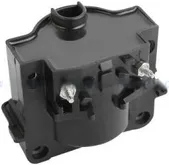
Modern direct-fit ignition coils demonstrating compact design and robust construction.
Detailed Manufacturing Process Flow of an Advanced Ignition Coil
The production of a high-performance ignition coil is an intricate process involving a meticulously orchestrated series of precision engineering and manufacturing steps. These stages are crucial for achieving optimal electrical characteristics, exceptional thermal management, and long-term durability. Our manufacturing operations strictly adhere to rigorous international quality management standards, including ISO 9001, and incorporate relevant ANSI electrical testing protocols throughout the production lifecycle.
- Core Material Preparation: The process begins with the precision cutting and stacking of high-permeability silicon steel laminations. This laminated core construction is fundamental for maximizing magnetic flux density, efficiently channeling the magnetic field, and crucially, for minimizing eddy current losses. Reducing these losses directly improves the coil's electrical efficiency and mitigates heat generation during operation.
- Primary Winding: High-grade electrolytic copper wire, typically ranging from 0.5mm to 1.0mm in diameter, is precisely wound around the prepared core. The exact number of turns and the specific winding geometry are critical design parameters that directly determine the coil's primary resistance and inductance. Advanced computer-controlled winding machines are employed to ensure uniform tension, consistent layer insulation, and accurate turn count.
- Secondary Winding: A significantly finer gauge copper wire, typically between 0.05mm and 0.1mm in diameter, is then meticulously wound over the primary winding. Multiple layers of high-dielectric strength insulation are interleaved between these windings to prevent inter-turn short circuits and ensure electrical isolation. This secondary winding comprises tens of thousands of turns, functioning as the high-voltage step-up transformer. The turns ratio, often exceeding 100:1, is the primary factor dictating the ultimate output voltage.
- Insulation and Encapsulation: The wound coil assembly undergoes a critical vacuum impregnation process utilizing a specialized epoxy resin or a similar high-performance dielectric material. This vacuum process is vital for eliminating microscopic air voids within the windings, which could otherwise lead to internal arcing and premature failure. The encapsulation provides superior electrical insulation, facilitates efficient thermal dissipation, and imparts robust mechanical stability. Furthermore, this protective layer ensures exceptional corrosion resistance by sealing against moisture, engine oils, chemical ingress, and environmental contaminants.
- Casing and Terminal Integration: The fully encapsulated coil is then carefully housed within a highly durable, typically glass-fiber reinforced, high-temperature resistant polymer casing. For complex casing geometries or critical mounting points, precision CNC machining may be employed. The high-voltage output and low-voltage input terminals are securely integrated into the casing, ensuring robust and reliable electrical connections capable of withstanding engine vibration and thermal cycling.
- Curing and Finishing: Following assembly, the coils undergo a controlled thermal curing process for the epoxy resin, which fully hardens the encapsulant and stabilizes the internal components. This is followed by any final assembly steps for external brackets or connectors.
-
Rigorous Quality Control & Testing: Each ignition coil produced undergoes a multi-stage, comprehensive testing protocol to ensure compliance with stringent performance and durability specifications. These tests include:
- Winding Resistance & Inductance Measurement: Verification of primary and secondary winding specifications against design parameters.
- Dielectric Strength Test: High-voltage testing to ensure the integrity of the insulation against breakdown.
- Output Voltage & Spark Energy Test: Measurement of peak output voltage (e.g., 25-45 kV) and spark energy (e.g., 50-100 mJ) under simulated engine conditions to guarantee ignition performance.
- Thermal Cycling & Vibration Tests: Accelerated life testing to assess durability under extreme environmental stress and mechanical loads.
- Leakage & Corrosion Resistance Test: Verification of the coil's ability to maintain long-term integrity in harsh, corrosive operating environments.
This meticulous and standards-compliant manufacturing process guarantees a typical service life often exceeding 150,000 miles (approximately 240,000 kilometers) for automotive applications and thousands of continuous operating hours for industrial engines. Our products consistently demonstrate advantages in energy saving due to minimized electrical losses and superior corrosion resistance attributed to robust encapsulation techniques.
Technical Specifications and Performance Parameters of Advanced Ignition Coils
A thorough understanding of the critical technical specifications of an ignition coil is indispensable for engineers and procurement specialists when selecting the most appropriate component for specific engine applications. High-quality coils are characterized by an optimal balance across a range of key electrical and mechanical parameters, which collectively ensure reliable, efficient, and consistent spark delivery throughout the engine's operational life.
These meticulously defined parameters collectively delineate the precise performance envelope of an advanced ignition coil. A higher maximum output voltage is crucial for ensuring the reliable firing of spark plugs even under extreme cylinder pressures and challenging air-fuel ratios. Optimized primary and secondary resistance values, coupled with carefully engineered primary inductance, enable precise control over dwell time, leading to a rapid and powerful magnetic field collapse that generates high spark energy. Furthermore, the specified operating temperature range and the selection of robust housing materials are paramount for guaranteeing extended durability and reliable performance in harsh engine environments, ranging from sub-zero arctic cold starts to the high-heat operating conditions routinely encountered in various industrial applications.
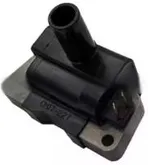
Internal components of an ignition coil, illustrating primary and secondary windings.
Application Scenarios and Target Industries for Ignition Coils
The inherent versatility, critical function, and unwavering reliability of the ignition coil render it an indispensable component across an expansive array of industries and diverse application scenarios where dependable internal combustion engines are widely deployed. Our advanced coil designs are meticulously engineered to not only meet but exceed the highly demanding requirements of various sectors, consistently offering superior performance, extended longevity, and enhanced operational efficiency.
- Automotive Industry: This encompasses the entire spectrum from light-duty passenger vehicles to heavy-duty commercial trucks and buses. Modern ignition coils are fundamental for optimizing engine performance, achieving superior fuel economy, and ensuring strict compliance with global emission standards. Direct ignition systems (Coil-on-Plug configurations) are now standard, delivering precise spark timing and high energy output crucial for sophisticated multi-valve, direct-injection, and turbocharged engines. This also extends to commercial fleets where unparalleled reliability directly impacts operational costs and critical vehicle uptime.
- Marine Engines: Operating in marine environments presents a unique set of severe challenges, including constant exposure to moisture, corrosive salt spray, and rapidly fluctuating temperatures. Ignition coils designed for marine applications must therefore exhibit exceptional corrosion resistance, superior waterproofing (often IP-rated), and robust electrical insulation to prevent misfires and ensure reliable engine starting and continuous, sustained operation—factors absolutely critical for both safety and performance at sea.
- Power Generation (Industrial Generators): Stationary engines employed in a wide range of power generators, from essential residential standby units to large-scale industrial power plants, are entirely reliant on exceptionally robust and durable ignition systems. These applications typically demand extended service life and unwavering, consistent performance under continuous, heavy-duty cycles, ensuring an uninterrupted power supply. Our advanced coils contribute significantly to enhanced combustion efficiency in these systems, leading to reduced fuel consumption and lower emissions, which are vital for economic and environmental compliance.
- Industrial Equipment: This vast and varied category includes engines powering heavy construction machinery (e.g., excavators, wheel loaders, bulldozers), agricultural equipment (e.g., tractors, harvesters, irrigation pumps), and material handling equipment (e.g., forklifts, telescopic handlers). Such machinery frequently operates in extremely dusty, dirty, high-vibration, and often remote environments, necessitating ignition coils with superior mechanical strength, advanced vibration dampening capabilities, and exceptional resistance to various environmental contaminants.
- Specialized Applications (Petrochemical, Metallurgy, Water Supply & Drainage): While these industries predominantly utilize electric motors or large-scale gas turbines for their primary operations, they often integrate smaller, dedicated internal combustion engines for backup power generation, specific mobile equipment, or critical process control systems. For instance, in petrochemical plants, an emergency generator's ignition coil must possess intrinsic safety features and demonstrate supreme reliability. In water supply and drainage infrastructure, robust engines power vital pumps and standby systems. Our specialized ignition coils offer enhanced reliability and superior corrosion resistance, making them ideally suited for these demanding and often hazardous operational zones.
Across these highly diverse and challenging application scenarios, the tangible advantages provided by our ignition coils—such as significant energy saving achieved through optimized combustion and superior corrosion resistance derived from advanced encapsulation techniques—directly translate into substantial reductions in operational costs, prolonged equipment service life, and demonstrably improved environmental performance for our valued B2B partners.
Technical Advantages and Performance Differentiation
Our comprehensive range of ignition coil products is distinguished by several inherent technical advantages that directly address the escalating performance, reliability, and durability requirements of modern industrial and automotive applications. These advanced features collectively ensure optimal engine operation and extended component lifespan.
- Consistently High Spark Energy Output: Our coils are precisely engineered to deliver consistently high spark energy, typically within the range of 60-90 mJ. This robust energy output ensures complete and efficient combustion, even in challenging engine conditions such as lean-burn mixtures or high-pressure direct-injection systems. The result is significantly improved fuel efficiency, a drastic reduction in misfires, and demonstrably lower levels of harmful exhaust emissions.
- Optimized Dwell Time Control: With either integrated igniter modules or seamless compatibility with advanced Engine Control Units (ECUs), our coils facilitate highly precise dwell time management. This crucial feature optimizes the coil charging period, ensuring maximum energy storage within the coil's magnetic field without leading to core saturation. This precise control prevents premature overheating and significantly extends the overall service life of the coil.
- Rapid Voltage Rise Time: A swift voltage rise time is an absolutely critical characteristic for achieving consistently reliable ignition, particularly at higher engine RPMs where the available time for spark generation is minimal. Our coils are meticulously designed to achieve peak voltage exceptionally rapidly, ensuring that the spark fires effectively and consistently across the entire range of engine speeds. This also notably enhances cold start capabilities and overall engine responsiveness.
- Superior Thermal Management Capabilities: Through the strategic deployment of high-thermal-conductivity epoxy resins for encapsulation and the optimization of core geometries, our coils are adept at efficiently dissipating heat generated during operation. This advanced thermal management prevents the thermal breakdown of critical insulation layers and winding wires, thereby substantially extending the operational life of the coil even under continuous, high-load operating conditions.
- Robust Environmental Protection: Our rigorous, multi-stage encapsulation process, which utilizes advanced dielectric materials, provides unparalleled resistance to moisture, engine oil, various chemicals, and extreme temperature fluctuations. This superior corrosion resistance and comprehensive sealing capability make our ignition coils exceptionally well-suited for deployment in the harshest industrial, marine, and off-highway environments.
- Effective EMI/RFI Suppression: We employ sophisticated shielding techniques and optimized winding designs to minimize both electromagnetic interference (EMI) and radio frequency interference (RFI) emissions. This is a crucial factor for preventing disruption to sensitive onboard electronic systems, communication networks, and diagnostic tools, particularly in modern vehicles and industrial machinery that are equipped with complex integrated control systems.
These distinct technical advantages translate directly into tangible, measurable benefits for our clients: significantly enhanced engine performance, extended service intervals, a notable reduction in overall maintenance costs, and improved adherence to increasingly strict environmental standards. Our unwavering commitment to product quality and engineering excellence is rigorously reinforced by our adherence to ISO 9001 certification and extensive, real-world lifecycle testing protocols.
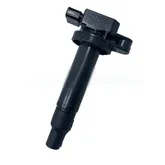
A high-performance ignition coil assembly ready for integration into complex systems.
Vendor Comparison: Evaluating Ignition Coil Suppliers for B2B Procurement
The strategic selection of the most suitable ignition coil vendor represents a critical decision point for Original Equipment Manufacturers (OEMs) and large-scale industrial operators. Beyond the initial procurement cost, a multitude of factors such as unwavering product reliability, comprehensive technical support, robust customization capabilities, and rigorous adherence to international quality standards are absolutely paramount for long-term operational success. The following framework provides a comparative analysis to assist in evaluating potential suppliers:
This detailed comparison unequivocally highlights our significant competitive edge in delivering high-performance, exceptionally durable, and highly customizable ignition solutions. Our extensive experience, coupled with robust quality assurance processes and a focus on engineering excellence, enables us to offer superior products precisely tailored to client-specific requirements. This commitment to bespoke solutions is a critical differentiator, often overlooked but absolutely crucial for ensuring long-term operational success, optimized engine performance, and superior total cost of ownership for our B2B partners.
Customized Solutions and Strategic OEM Partnership Capabilities
At Huimao Oil Seal, we recognize that universal, off-the-shelf solutions frequently fail to meet the precise, highly specialized requirements of every unique engine application or industrial system. This understanding forms the foundation of our specialization in providing meticulously customized ignition coil solutions for Original Equipment Manufacturers (OEMs) and major industrial clients globally. Our collaborative engineering approach ensures that our bespoke products seamlessly integrate with existing engine designs, sophisticated engine management systems, and stringent operational parameters.
- In-depth Design Consultation and Advanced Engineering: Our team of highly experienced engineering experts engages in close collaboration with client R&D departments. This collaboration extends to a comprehensive understanding of specific engine parameters, intricate packaging constraints within the engine bay, and the precise environmental operating conditions the coils will endure. This process includes detailed analysis and optimization of critical parameters such as required output voltage, precise spark energy, primary/secondary resistance values, and inductance characteristics.
- Strategic Material Selection and Optimization: Our customization capabilities extend significantly to the meticulous selection and optimization of materials for core laminations, winding wires, and critically, the encapsulation compounds. For demanding applications in extreme temperature environments, high-vibration conditions, or chemically aggressive settings, specialized resins with demonstrably enhanced thermal stability, chemical resistance, or vibration dampening properties are carefully selected and precisely formulated.
- Rapid Prototyping and Rigorous Validation: We offer advanced rapid prototyping services to develop functional sample coils that are engineered to meet the client's exact and unique specifications. These prototypes undergo extensive in-house testing across various simulated conditions. Furthermore, they are provided for comprehensive client validation and rigorous engine dynamometer testing to ensure optimal performance, unwavering reliability, and superior durability before advancing to full-scale mass production.
- Integrated Electronics and Smart System Design: For the most modern and sophisticated engine management systems, we possess the capability to integrate specific igniter modules, advanced diagnostic circuitry, and various communication protocols (e.g., CAN bus compatibility) directly into the coil assembly. This integration not only simplifies complex vehicle or equipment wiring harnesses but also significantly enhances overall system intelligence and diagnostic capabilities.
- Scalable Volume Production and Quality Assurance: Our state-of-the-art manufacturing facilities are meticulously equipped for highly scalable production, accommodating requirements ranging from specialized small batch runs for unique industrial machinery to high-volume output necessary for large-scale automotive assembly lines. We maintain exceptionally strict quality control protocols throughout every stage of the production cycle, rigorously adhering to industry benchmarks such as IATF 16949 standards for automotive-grade components, where applicable, to guarantee consistent excellence.
Our distinguished track record of successful OEM partnerships across a diverse range of global industries emphatically underscores our proven capability to consistently deliver high-quality, exceptionally reliable, and perfectly tailored ignition solutions that actively drive innovation and elevate performance for our discerning clients.
Application Case Studies: Proven Performance in Diverse Industrial Environments
Our unwavering commitment to engineering excellence and product reliability is most powerfully demonstrated through real-world applications where our advanced ignition coil solutions have consistently delivered superior performance and unmatched dependability, even in the most challenging operational environments.
Case Study 1: Optimizing Industrial Generator Reliability
A prominent manufacturer of large-scale industrial power generators, critical for continuous-duty operations in sectors like data centers and manufacturing, experienced persistent issues with premature ignition coil failures in their natural gas engines. This led to frequent unscheduled downtime, significant operational disruptions, and escalated maintenance expenditures. Their existing coils were struggling to cope with sustained high-temperature operation and intense mechanical vibration.
- Solution Implemented: We collaboratively designed and delivered a customized ignition coil variant featuring an extensively enhanced thermal management system, incorporating a specialized high-temperature epoxy resin for superior encapsulation and a significantly reinforced casing design. The electrical parameters of the coil were meticulously fine-tuned to provide a more stable, consistently higher-energy spark, thereby optimizing combustion specifically for natural gas fuel characteristics.
- Results Achieved: Following the successful integration of our customized coils, the client reported a substantial 40% reduction in ignition-related failures over a rigorous two-year operational period. Furthermore, engine efficiency improved by an impressive 3%, directly translating into significant fuel savings and reduced operational costs. The average service life of the ignition coil extended by a factor of 1.5 times compared to their previous components, drastically reducing maintenance cycles and profoundly enhancing overall operational reliability.
Case Study 2: Enhancing Marine Engine Durability
A leading marine propulsion system integrator sought advanced ignition coils for their innovative new line of high-performance outboard motors. The primary engineering challenge was severe and continuous exposure to corrosive salt water, high humidity, and constant engine vibration. These harsh conditions routinely led to premature corrosion and critical electrical shorts with standard automotive-grade ignition coils.
- Solution Implemented: Our engineering team developed a bespoke, marine-specific ignition coil. This solution featured an IP68-rated waterproof and highly corrosion-resistant casing, coupled with a specialized dielectric gel for internal potting that provides unparalleled protection. Furthermore, all external electrical connections were meticulously sealed using military-grade, robust connectors to withstand extreme marine conditions.
- Results Achieved: Extensive field tests unequivocally demonstrated flawless and consistent operation across a wide range of diverse marine conditions, from calm waters to rough seas. The engines equipped with our advanced coils exhibited consistently reliable starting performance and exceptional operational stability, even after prolonged exposure to the most aggressive saltwater environments. Critically, the integrator reported zero ignition-related failures in their pilot fleet over three full seasons of operation, powerfully affirming the superior durability, waterproofing, and unparalleled corrosion resistance of our tailored solution.
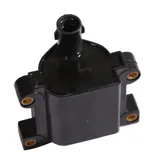
Precision-engineered ignition coil undergoing final quality inspection before deployment.
Frequently Asked Questions (FAQ) for B2B Clients
Q: What is the typical lead time for large-volume orders of your ignition coils?
A: Standard lead times for high-volume, B2B orders generally range from 6 to 10 weeks. This timeframe can vary slightly based on the specific customization requirements, the complexity of the design, and our current production schedule. For urgent orders or smaller batch requirements, we encourage clients to directly contact our dedicated sales team, who can explore expedited manufacturing and delivery options tailored to your needs. We pride ourselves on maintaining a robust and flexible supply chain to ensure timely fulfillment and minimize operational delays for our partners.
Q: What comprehensive warranty coverage do you offer on your ignition coils?
A: We provide a comprehensive industry-leading warranty that typically spans 24 to 36 months, or a specified number of operating hours, explicitly covering manufacturing defects and any material failures that may occur under normal operating conditions. This robust warranty commitment directly reflects our profound confidence in the superior quality, advanced engineering, and exceptional durability of our ignition coil products. The precise terms and conditions of the warranty are always clearly detailed within our formal sales agreements.
Q: How do your ignition coils specifically contribute to enhanced energy saving and reduced emissions?
A: Our ignition coils are meticulously engineered to consistently deliver a high-energy, precisely timed, and exceptionally stable spark. This advanced spark delivery mechanism ensures a more complete and highly efficient combustion of the air-fuel mixture within the engine cylinders. The direct benefits include a significant reduction in the emission of unburnt hydrocarbons (HC) and carbon monoxide (CO), which are major pollutants. Concurrently, this enhanced combustion efficiency leads to substantial improvements in fuel economy, thereby contributing both to crucial environmental sustainability objectives and tangible operational cost savings for our clients.
Q: What level of after-sales support and technical assistance do you provide to your B2B clients?
A: We are committed to fostering long-term partnerships and provide a dedicated, highly responsive after-sales support team. This team offers comprehensive technical assistance, expert troubleshooting guidance, and streamlined processing for any warranty claims. We furnish extensive product documentation, offer tailored training programs for client technical staff, and provide direct access to our experienced engineering experts for any specific application queries, intricate performance inquiries, or design optimization discussions. Our ultimate priorities are unwavering customer satisfaction and sustained, collaborative partnership.
Authoritative References
- Society of Automotive Engineers (SAE) International. "J2270: Recommended Practice for Ignition Coil Testing."
- International Organization for Standardization (ISO). "ISO 9001: Quality management systems – Requirements."
- Bosch Automotive Handbook. 10th Edition. Robert Bosch GmbH, 2017.
- Delphi Technologies. "Ignition Systems: Design, Operation, and Diagnostics." Technical Publication, 2019.
- Automotive Research Center (ARC). "Innovations in Spark Ignition Technology for Future Powertrains." Research Report, 2021.
Latest news
-
Everything You Need to Know About Oil Seal 40 62 10: Specs, Uses & Suppliers
NewsDec.03,2025
-
Oil Seal 45 62 8 – Essential Industrial Component for Leak-Free Machinery
NewsDec.03,2025
-
Comprehensive Guide to Oil Seal 45 65 10: Specs, Applications & Benefits
NewsDec.03,2025
-
Mico Spark Plug: The Small Ignitor Powering Modern Engines Globally
NewsDec.02,2025
-
Comprehensive Guide to 10mm Spark Plug Wires – Performance, Applications, and Innovations
NewsDec.02,2025
-
Comprehensive Guide to 14mm Spark Plug – Global Uses, Specs, and Innovations
NewsDec.02,2025