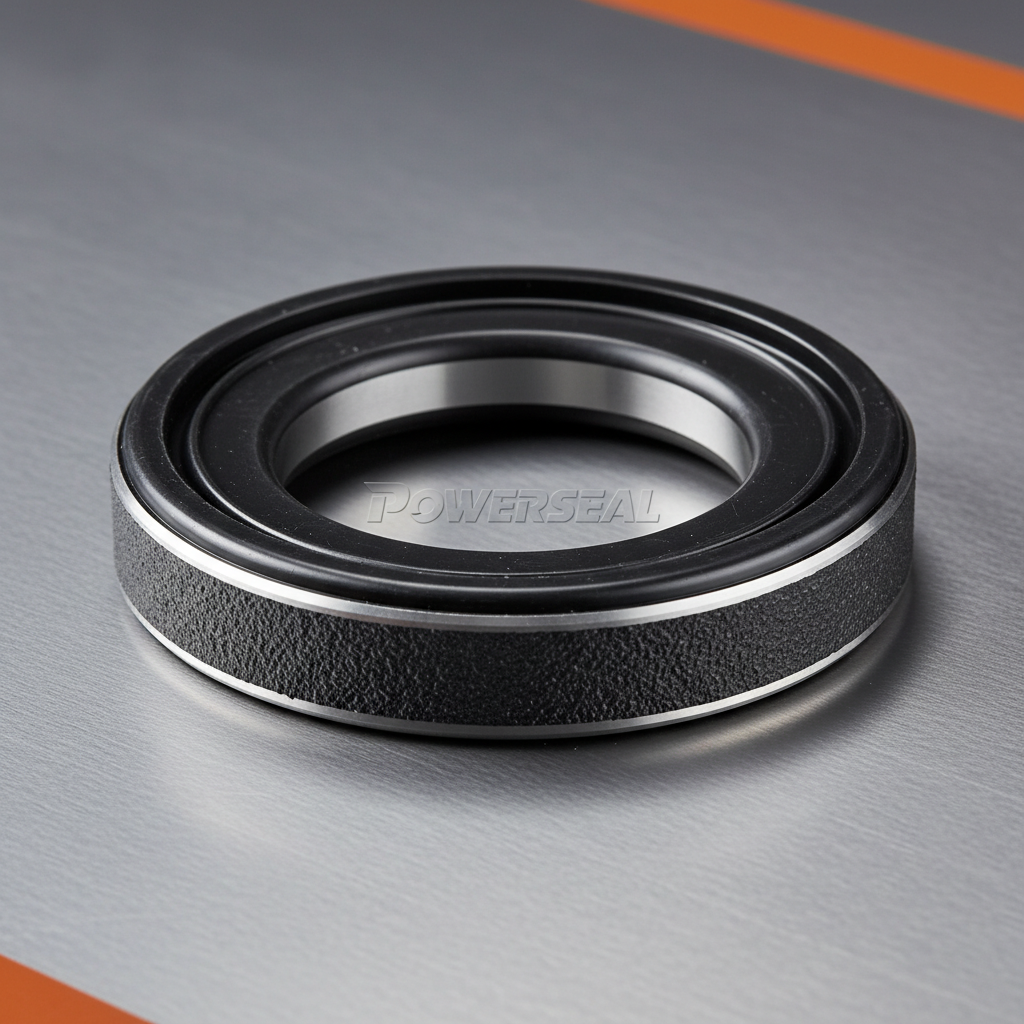
In the demanding world of automotive engineering, the integrity of rotating assemblies depends heavily on a single, critical component: the oil seal hub. These specialized sealing elements are engineered to prevent lubricant leakage while simultaneously blocking external contaminants like dust, water, and road salt from entering the wheel hub assembly, ensuring the longevity of bearings and axles.
Maintaining a high-performance oil seal hub is not merely a matter of routine maintenance but a fundamental safety requirement. When a seal fails, the resulting loss of lubrication can lead to catastrophic bearing failure, increased friction, and unexpected vehicle downtime, which translates to significant financial losses for fleet operators and safety risks for individual drivers.
Understanding the nuances of material science and precision fitment is key to maximizing the service life of these components. By focusing on the synergy between elastomer flexibility and steel reinforcement, manufacturers can produce an oil seal hub that withstands extreme temperature fluctuations and high rotational speeds, reflecting the broader industry trend toward zero-maintenance intervals and enhanced vehicle reliability.
Global Relevance of Oil Seal Hub Systems
The global automotive supply chain relies heavily on the standardization of precision components, where the oil seal hub serves as a primary defense mechanism for drivetrain stability. According to ISO standards for automotive components, the failure rate of sealing systems is a leading indicator of overall vehicle reliability. In an era where global logistics depend on the constant movement of heavy-duty trucks and passenger cars, the demand for high-durability seals has surged to meet stricter environmental and safety regulations.
The challenge lies in the diversity of operating environments—from the humid tropics of Southeast Asia to the freezing winters of Northern Europe. Each climate imposes different stresses on the oil seal hub, necessitating materials that can remain pliable at -40°C while resisting degradation at 120°C. This global variability has pushed manufacturers to move beyond generic rubber solutions toward advanced fluoropolymers and reinforced composites.
Defining the Technical Architecture of Oil Seal Hubs
At its most basic level, an oil seal hub is a radial shaft seal designed to retain lubricant within a bearing housing and exclude contaminants from the outside. It typically consists of a flexible sealing lip that maintains a precise contact pressure against the rotating shaft, often supported by a metal case for structural rigidity and a garter spring to maintain tension during vibration.
In the context of modern industry, these components are essential for the transition toward "maintenance-free" hub units. By utilizing precision-engineered geometries, the oil seal hub reduces the coefficient of friction, which not only prevents leaks but also contributes to a marginal increase in fuel efficiency by reducing parasitic drag in the wheel assembly.
Beyond the automotive sector, the principles applied to the oil seal hub are mirrored in heavy machinery, wind turbine gearboxes, and railway axles. The goal remains constant: creating a hermetic barrier that can survive millions of rotational cycles without compromising the purity of the internal lubricant.
Core Components for Maximum Seal Integrity
The durability of an oil seal hub is primarily dictated by its material composition. High-grade Nitrile (NBR) is common for standard applications, but for high-performance vehicles, Viton (FKM) is preferred due to its superior chemical resistance and thermal stability, ensuring the seal does not harden and crack over time.
Another critical factor is the precision of the sealing lip design. A double-lip oil seal hub incorporates a primary lip for oil retention and a secondary "dust lip" that acts as a windshield, scraping away particulates before they can reach the critical sealing surface, thereby extending the life of the internal bearings.
Finally, the structural reinforcement provided by the metal casing ensures that the oil seal hub remains perfectly concentric during installation and operation. This rigidity prevents the seal from "walking" or shifting under high centrifugal forces, which would otherwise lead to premature leakage and hub failure.
Comparative Performance Analysis of Hub Sealing
When evaluating the effectiveness of various sealing methods, engineers look at parameters such as leakage rates, friction torque, and wear resistance. The transition from traditional felt seals to the modern oil seal hub using synthetic elastomers has drastically reduced the frequency of hub lubrication intervals.
By analyzing different material grades, we can see a clear correlation between material investment and operational lifespan. While budget-grade seals offer short-term cost savings, the high-performance oil seal hub variants provide a significantly lower total cost of ownership (TCO) due to decreased downtime.
Performance Comparison of Oil Seal Hub Material Variants
Industrial Applications Across Global Regions
In the heavy-duty transport sectors of North America and Europe, the oil seal hub is critical for long-haul logistics. These vehicles operate under extreme loads, where the seal must withstand constant pressure and thermal expansion. The implementation of reinforced hubs has led to a measurable decrease in roadside failures and increased safety for the general public.
In emerging markets across Asia and Africa, the oil seal hub faces the challenge of unpaved roads and high concentrations of abrasive dust. In these remote industrial zones, the use of multi-lip seals has become the gold standard, as they provide a redundant layer of protection that ensures the vehicle can operate for thousands of miles between services despite harsh environmental conditions.
Strategic Value and Long-Term Reliability
The long-term value of investing in a premium oil seal hub extends beyond simple mechanics; it is about operational trust. When a fleet manager knows their seals are rated for 100,000 miles, they can optimize their maintenance schedules and reduce the overhead costs associated with unplanned repairs.
From a sustainability perspective, a high-quality oil seal hub prevents oil leaks that would otherwise contaminate the soil and groundwater. Reducing the frequency of replacement also means fewer discarded rubber components ending up in landfills, aligning the automotive industry with global green initiatives and ESG (Environmental, Social, and Governance) goals.
Ultimately, the reliability of the hub seal is a proxy for the reliability of the entire axle system. By ensuring a perfect seal, manufacturers protect the most expensive components—the bearings and the axle shaft—creating a logical chain of value that enhances the overall dignity and safety of the transport infrastructure.
Future Innovations in Hub Sealing Technology
The future of the oil seal hub is being shaped by the digital transformation of the automotive industry. We are seeing the emergence of "smart seals" integrated with micro-sensors that can monitor lubricant temperature and wear levels in real-time, alerting the driver to a potential failure before it occurs.
Material science is also evolving with the introduction of nano-coatings. By applying a diamond-like carbon (DLC) coating to the contact surface of the oil seal hub, engineers can virtually eliminate friction-induced wear, potentially doubling the service life of the component while further reducing fuel consumption.
As the industry shifts toward electric vehicles (EVs), the requirements for the oil seal hub are changing. EVs often have higher torque outputs and different lubricant chemistry, requiring seals that can handle rapid acceleration spikes without leaking, paving the way for a new generation of high-torque specific sealing solutions.
Core Analysis of Hub Sealing Technology Innovations
| Technology Generation |
Primary Material |
Key Advantage |
Reliability Score (1-10) |
| Standard NBR Hub |
Nitrile Rubber |
Cost-Effectiveness |
6 |
| High-Temp FKM Hub |
Fluorocarbon |
Thermal Resistance |
8 |
| Low-Friction PTFE Hub |
Teflon/PTFE |
Minimum Wear |
9 |
| DLC Coated Hub |
Composite/Carbon |
Surface Hardness |
9 |
| EV Optimized Hub |
Advanced Polymer |
High Torque Handling |
8 |
| Smart-Sensor Hub |
Hybrid Electronic |
Predictive Maintenance |
10 |
FAQS
The most common sign of oil seal hub failure is the appearance of grease or oil splattered on the inside of the wheel rim or the brake assembly. You may also notice an increase in humming or grinding noises from the wheel hub, which indicates that lubricant has leaked out and contaminants have entered the bearing, causing accelerated wear.
Yes, to a small degree. A high-quality oil seal hub made from low-friction materials like PTFE or those with DLC coatings reduces the rotational drag on the axle. While the impact per single seal is minor, across all wheels and thousands of vehicles, this reduction in parasitic loss contributes to better overall fuel efficiency.
It is not recommended. Standard NBR (Nitrile) seals have a limited temperature range. In high-heat environments, NBR can become brittle and crack, leading to rapid failure of the oil seal hub. For such applications, FKM (Viton) is the professional choice as it maintains its elasticity and sealing properties at much higher temperatures.
For passenger vehicles, an inspection of the oil seal hub is typically done during every oil change or tire rotation (every 5,000 to 10,000 miles). For heavy-duty commercial trucks, more frequent checks are required, especially after driving through floodwaters or salt-heavy winter roads, which can degrade the seal lip.
In many older vehicle designs, the oil seal hub can be replaced individually. However, many modern vehicles use "sealed-for-life" hub units where the seal is integrated into the bearing assembly. In those cases, the entire hub unit must be replaced to ensure a proper seal and bearing alignment.
The most common cause of premature failure is improper installation. If the oil seal hub is driven in crookedly, the sealing lip can be nicked or folded, creating an immediate leak path. Additionally, using the wrong lubricant during installation or failing to clean the shaft surface can lead to early degradation.
Conclusion
The oil seal hub may be a small component in the vast architecture of a vehicle, but its role in maintaining lubrication and excluding contaminants is paramount. From the selection of advanced elastomers like FKM to the implementation of double-lip designs and nano-coatings, the evolution of this component directly impacts vehicle safety, operational costs, and environmental sustainability.
As we look toward a future of electric mobility and predictive maintenance, the integration of smart sensing and ultra-low friction materials will redefine the standards of hub sealing. For fleet operators and automotive engineers, prioritizing the quality of the oil seal hub is an investment in long-term reliability and a commitment to engineering excellence. Visit our website for more professional solutions: www.huimaooilseal.com