Jan . 27, 2026 17:35 Back to list
Comprehensive Guide to Platinum Spark Plugs for Enhanced Vehicle Performance
Understanding Platinum Spark Plugs: A Comprehensive Guide
Platinum spark plugs are a popular choice for vehicle owners seeking enhanced performance and longevity. They offer a significant upgrade over traditional copper spark plugs, delivering improved fuel efficiency, smoother engine operation, and extended service life. This article will delve into the benefits of platinum spark plugs, how they differ from other types, their applications, and factors to consider when choosing the right ones for your vehicle. Optimizing your engine's ignition system with the right spark plugs is crucial for maintaining optimal performance and minimizing maintenance costs.
What are Platinum Spark Plugs?
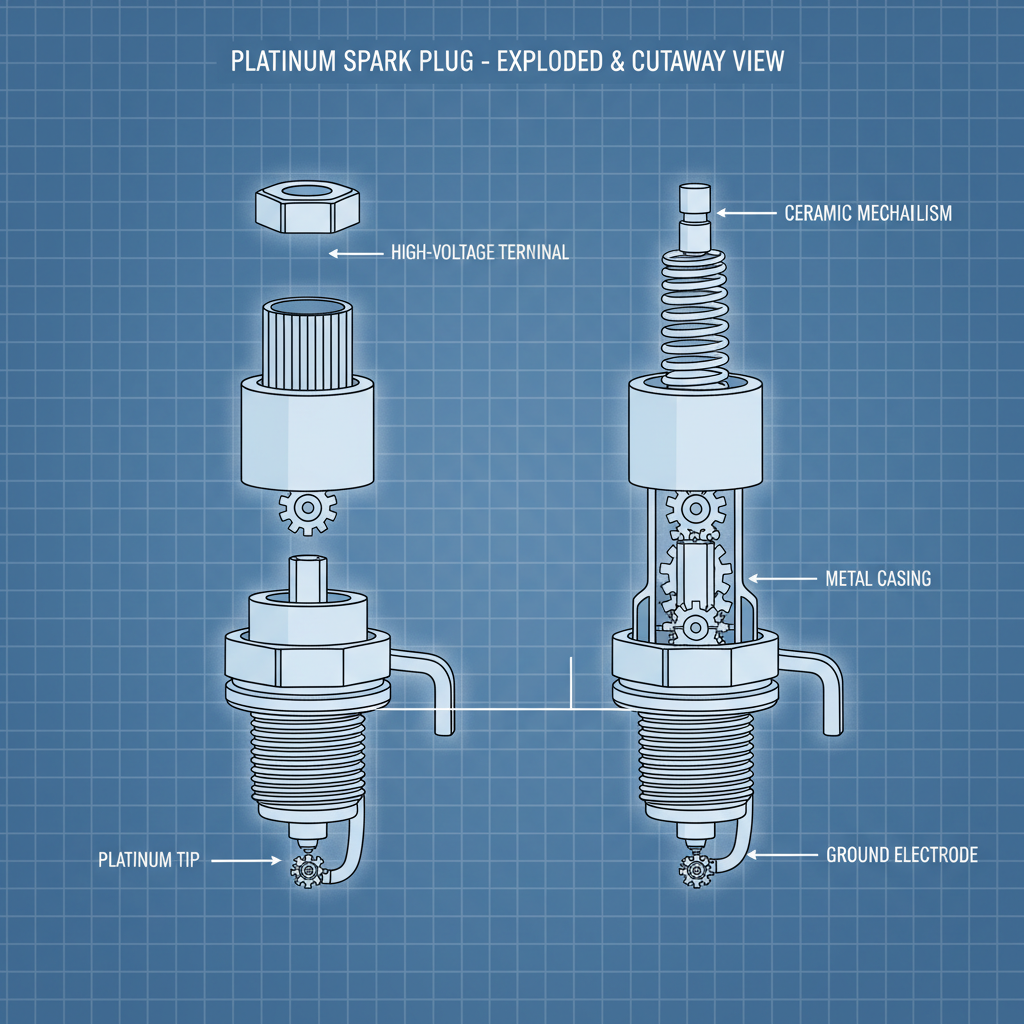
Platinum spark plugs utilize a platinum electrode tip, often combined with a platinum ground electrode. Platinum is a highly durable and corrosion-resistant metal, which allows these spark plugs to maintain a consistent spark gap for extended periods. This reduces misfires and ensures efficient combustion. The finer wire design of the platinum electrode also concentrates the spark energy, further enhancing ignition efficiency. Compared to copper plugs, platinum plugs boast a significantly longer service life – often exceeding 100,000 miles, depending on driving conditions and vehicle specifications. Choosing quality platinum spark plugs from a reputable supplier like Huimao Oilseal can make a real difference.
Key Highlights: Platinum’s durability allows for extended service life, reduced misfires, and consistently efficient combustion.
Platinum vs. Other Spark Plug Types
Understanding the differences between spark plug types is crucial for making an informed decision. Copper spark plugs are the most common and least expensive, but they require frequent replacement. Iridium spark plugs offer even longer life than platinum, but are typically more expensive. Here's a breakdown:
Spark Plug Comparison:
• Copper: Cost-effective, short lifespan (20,000-30,000 miles).
• Platinum: Long lifespan (100,000+ miles), improved performance.
• Iridium: Extremely long lifespan (150,000+ miles), best performance, highest cost.
Benefits of Using Platinum Spark Plugs
Switching to platinum spark plugs offers several advantages. These include: improved fuel economy due to more complete combustion, enhanced engine responsiveness and acceleration, reduced emissions, smoother idling, and minimized maintenance intervals. The consistent spark gap ensures optimal engine performance throughout its lifespan, reducing the likelihood of rough running or stalling. Many modern vehicles are designed to operate optimally with platinum or iridium spark plugs, so upgrading can restore factory performance.
Choosing the Right Platinum Spark Plugs
Selecting the correct spark plugs for your vehicle is critical. Consult your vehicle's owner's manual or a trusted mechanic to determine the correct spark plug type and heat range. Consider the engine's make, model, and year, as well as its operating conditions. Purchasing from a reputable supplier, like Huimao Oilseal, ensures you receive genuine, high-quality spark plugs that meet the required specifications.
Installation and Maintenance
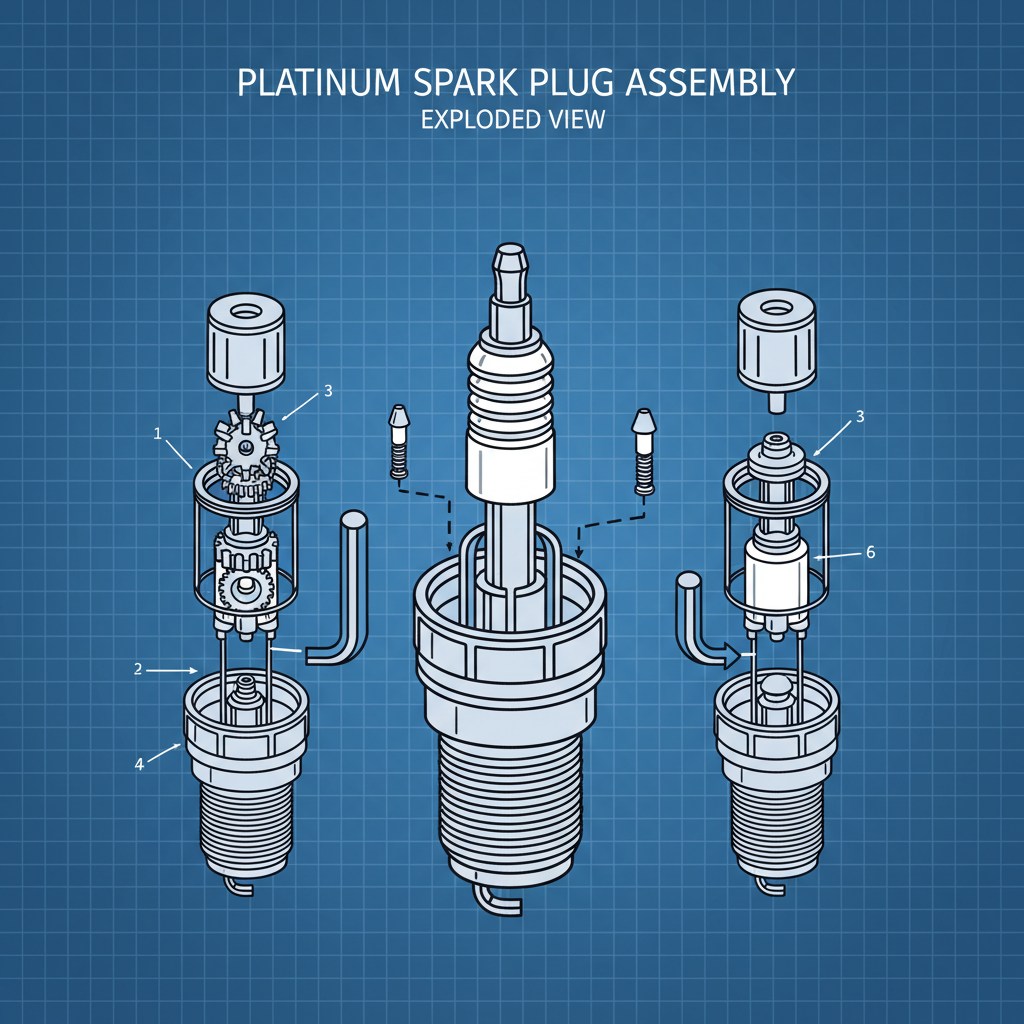
While many experienced DIY enthusiasts can install spark plugs, it's often best to have them installed by a qualified mechanic. Incorrect installation can damage the engine. Regular inspection of spark plugs, even those with long lifespans, can help identify potential issues before they escalate. Look for signs of wear, fouling, or damage. Proper gap adjustment is also crucial for optimal performance.
Conclusion: Upgrade Your Engine with Platinum Spark Plugs
Investing in platinum spark plugs is a smart way to improve your vehicle's performance, fuel efficiency, and longevity. By choosing the right plugs and ensuring proper installation, you can enjoy a smoother, more reliable driving experience for years to come. Don’t compromise on quality – select a trusted supplier like Huimao Oilseal for all your automotive needs.
Frequently Asked Questions (FAQs)
How often should I replace platinum spark plugs?
Platinum spark plugs typically last between 100,000 and 150,000 miles, but this can vary depending on driving conditions and vehicle maintenance. It's a good idea to inspect them at around 60,000 miles and replace them if you notice any signs of wear or damage. Factors like frequent short trips, stop-and-go traffic, and aggressive driving can shorten their lifespan. Refer to your vehicle's owner's manual for specific recommendations.
Can I mix different brands of platinum spark plugs?
While it's technically possible to mix brands, it's generally not recommended. Different manufacturers may have slight variations in heat range and electrode design, which can affect engine performance. It's best to use the same brand and type of spark plug for all cylinders to ensure optimal combustion and avoid potential issues.
Are platinum spark plugs compatible with all vehicles?
Not all vehicles are designed to run optimally with platinum spark plugs. Some older vehicles or those with specific engine designs may require copper or iridium plugs. Always check your vehicle's owner's manual or consult with a qualified mechanic to determine the correct spark plug type for your vehicle. Using the wrong type can lead to reduced performance and potential engine damage.
What are the signs that my platinum spark plugs need replacing?
Common signs include: engine misfires, rough idling, reduced fuel economy, difficulty starting the engine, and a loss of acceleration. You may also notice a check engine light illuminating on your dashboard. A visual inspection can reveal signs of wear, corrosion, or fouling on the spark plug electrodes. If you experience any of these symptoms, it's best to have your spark plugs inspected and replaced by a qualified mechanic.
Latest news
-
Prechamber Spark Plugs for Enhanced Engine Combustion Efficiency
NewsApr.16,2026
-
Ultimate Guide to Choosing the Best Motorcycle Spark Plug
NewsApr.09,2026
-
The Vital Role of a Generator Spark Plug for Reliable Power Supply
NewsApr.07,2026
-
Understanding Engine Spark Plug Functionality for Optimal Performance
NewsApr.04,2026
-
Comprehensive Guide to Aircraft Spark Plugs for Optimal Engine Performance
NewsMar.31,2026
-
Choosing the Best Spark Plug Supplier for Optimal Engine Performance
NewsMar.28,2026