Feb . 11, 2026 02:05 Back to list
Comprehensive Guide to Platinum Spark Plugs for Enhanced Vehicle Performance
Understanding Platinum Spark Plugs: A Comprehensive Guide
Platinum spark plugs are a popular choice for vehicle owners seeking enhanced performance and longevity. Offering a significant upgrade over traditional copper spark plugs, they provide a more consistent spark, improved fuel efficiency, and a longer service life. This article will delve into the benefits of platinum spark plugs, their applications, and how they compare to other types. Whether you're a car enthusiast or simply looking to maintain your vehicle, understanding the intricacies of these components is crucial for optimal engine health.
The Science Behind Platinum Spark Plugs
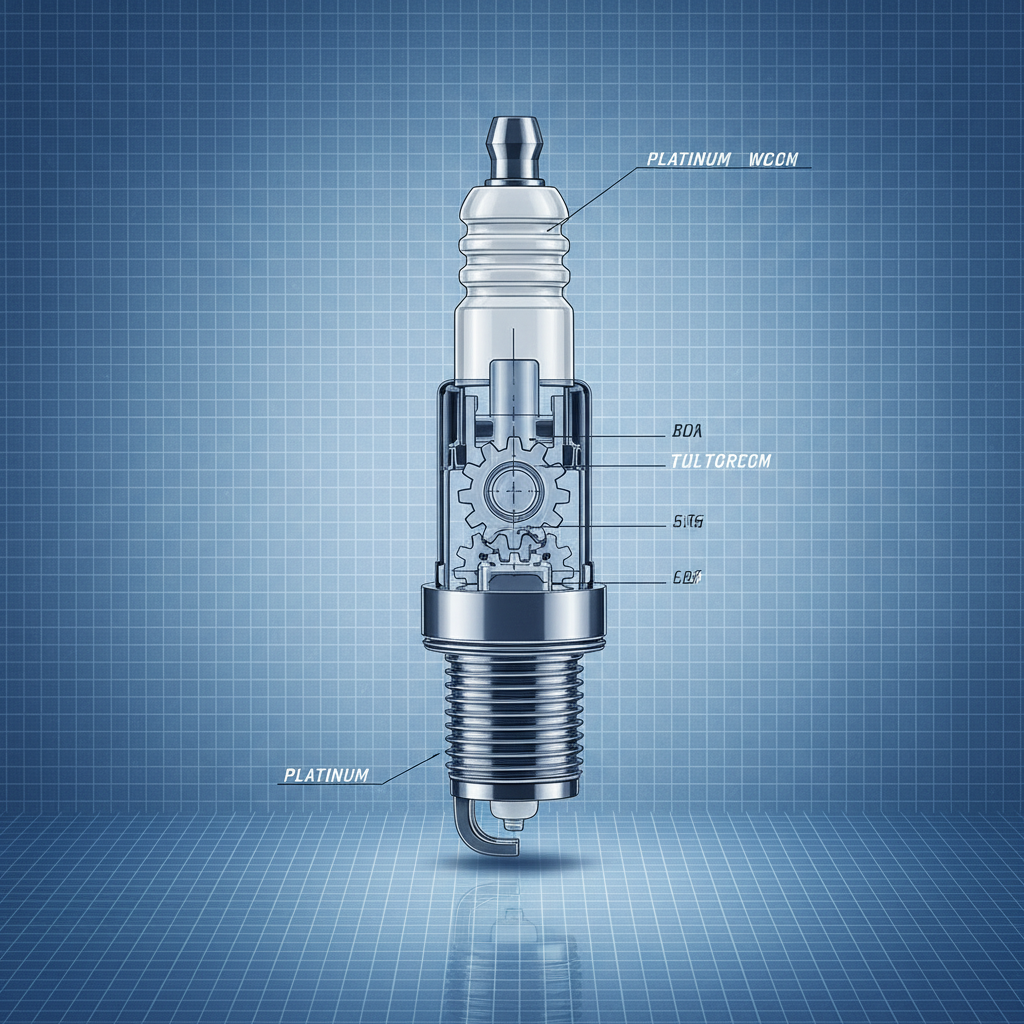
Platinum spark plugs utilize a platinum disc welded onto the center electrode. This design contributes to several advantages. Platinum has a significantly higher melting point than copper, enabling it to withstand the intense temperatures within the combustion chamber. Furthermore, platinum is highly resistant to corrosion and wear, leading to a longer lifespan. This durability translates to reduced maintenance costs and fewer spark plug replacements. The fine wire platinum electrode also allows for a more focused and consistent spark, improving combustion efficiency and reducing misfires. This enhanced ignition leads to better throttle response and overall engine performance.
Key Highlights: Platinum’s high melting point and corrosion resistance ensure durability and a longer lifespan, resulting in less frequent replacements and improved engine efficiency.
Platinum Spark Plugs vs. Other Types: A Detailed Comparison
Choosing the right spark plug depends on your vehicle and driving habits. While copper spark plugs are the most affordable, they have the shortest lifespan and require frequent replacement. Iridium spark plugs offer a longer lifespan than platinum, but they come at a higher cost. Nickel spark plugs, often found in older vehicles, offer moderate performance and lifespan. The table below provides a detailed comparison of these different types.
Benefits of Using Platinum Spark Plugs
Investing in platinum spark plugs offers several compelling advantages. Their longer lifespan reduces the frequency of replacements, saving you time and money. Improved fuel efficiency translates to fewer trips to the gas station. Enhanced engine performance results in smoother acceleration and better overall responsiveness. Reduced emissions contribute to a cleaner environment. Ultimately, platinum spark plugs provide a cost-effective solution for maintaining optimal engine health and performance.
Key Benefits:
• Longer lifespan reduces replacement frequency
• Improved fuel efficiency saves money
• Enhanced engine performance for smoother driving
• Reduced emissions for a cleaner environment
Choosing the Right Platinum Spark Plugs for Your Vehicle
When selecting platinum spark plugs, it’s crucial to ensure compatibility with your vehicle’s make and model. Refer to your vehicle’s owner’s manual or a reputable parts catalog to determine the correct spark plug specification. Consider the heat range, thread size, and gap. Using the wrong spark plug can lead to engine misfires, reduced performance, and even damage. At Huimaooilseal.com, we offer a wide range of platinum spark plugs suitable for various vehicles.
Installation and Maintenance Tips
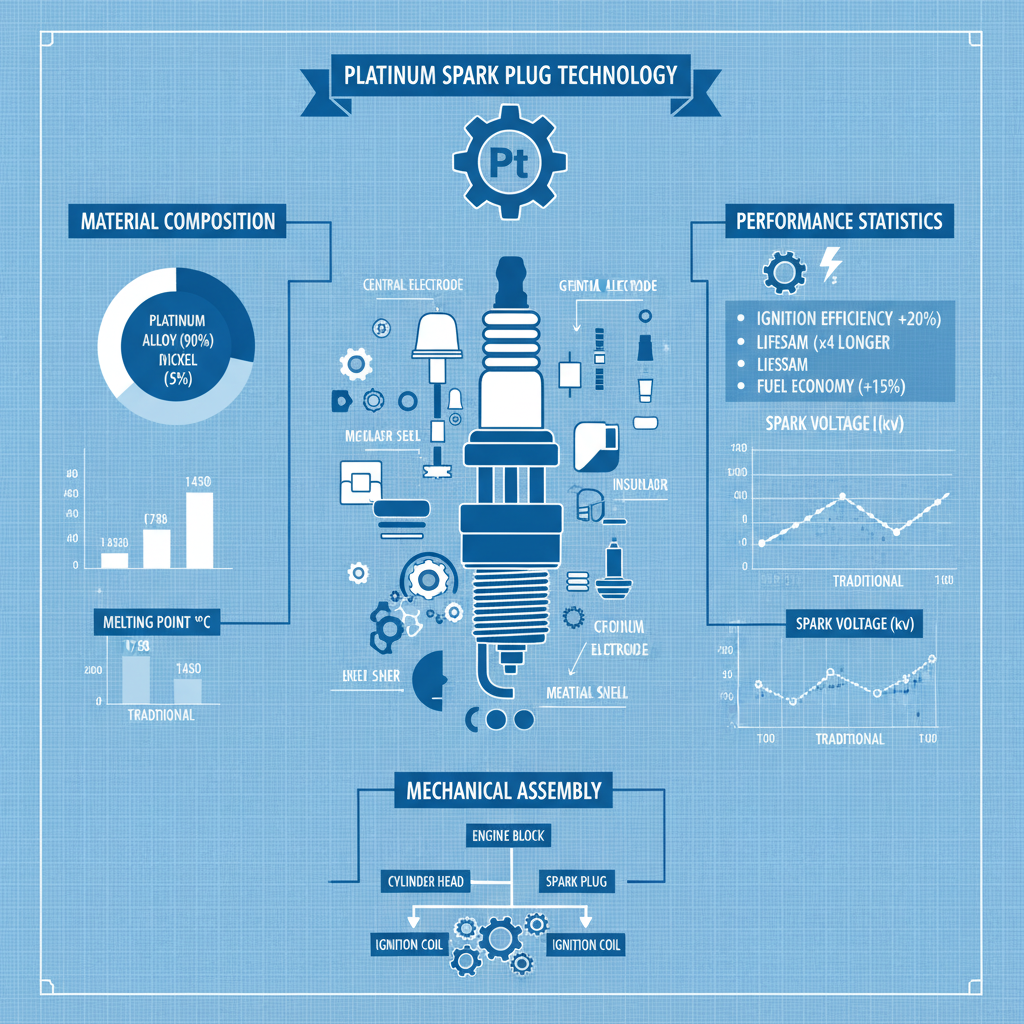
Replacing spark plugs is a relatively straightforward maintenance task that can be performed by experienced DIYers. However, it's essential to follow proper procedures to avoid damaging the engine. Always disconnect the negative battery cable before beginning. Use a spark plug socket to remove the old plugs and install the new ones. Ensure the spark plug gap is correctly set according to your vehicle’s specifications. Apply anti-seize lubricant to the spark plug threads to prevent corrosion. Regularly inspect your spark plugs for signs of wear and tear.
Conclusion: The Power of Platinum Spark Plugs
Investing in platinum spark plugs is a smart move for any vehicle owner looking to enhance performance, improve fuel efficiency, and extend engine life. Their superior durability and consistent spark make them a worthwhile upgrade over traditional spark plug types. Visit Huimaooilseal.com today to explore our selection and find the perfect platinum spark plugs for your vehicle.
Frequently Asked Questions (FAQs)
How often should I replace my platinum spark plugs?
Platinum spark plugs typically last between 60,000 and 100,000 miles, but this can vary depending on driving conditions and vehicle maintenance. It's recommended to inspect them every 30,000 miles and replace them if they show signs of wear, such as a worn electrode or fouling. Regular maintenance and adherence to your vehicle's recommended service schedule will help maximize their lifespan. Ignoring worn spark plugs can lead to reduced fuel efficiency and engine performance.
Are platinum spark plugs suitable for all vehicles?
While platinum spark plugs offer numerous benefits, they aren’t necessarily the best choice for all vehicles. Some older vehicles are designed for traditional copper or nickel spark plugs, and using platinum plugs might not result in a noticeable improvement. Always consult your vehicle’s owner’s manual or a qualified mechanic to determine the correct spark plug type for your specific make and model. Using the recommended spark plug ensures optimal engine performance and prevents potential issues.
What causes spark plug fouling?
Spark plug fouling occurs when the spark plug becomes coated with deposits, such as oil, carbon, or fuel. This can disrupt the spark and cause engine misfires. Common causes of fouling include a rich fuel mixture, worn valve seals, or a faulty ignition system. Regularly maintaining your vehicle’s engine and addressing any underlying issues can help prevent spark plug fouling. Properly functioning components ensure a clean combustion process and extend spark plug life.
Can I use anti-seize lubricant on my spark plugs?
Yes, applying a small amount of anti-seize lubricant to the spark plug threads is recommended to prevent corrosion and make future removal easier. However, be careful not to apply too much, as it can interfere with the spark plug’s grounding and affect its performance. Use a high-quality anti-seize lubricant specifically designed for spark plugs and follow the manufacturer’s instructions carefully. Proper application ensures a secure and reliable connection.
Latest news
-
Prechamber Spark Plugs for Enhanced Engine Combustion Efficiency
NewsApr.16,2026
-
Ultimate Guide to Choosing the Best Motorcycle Spark Plug
NewsApr.09,2026
-
The Vital Role of a Generator Spark Plug for Reliable Power Supply
NewsApr.07,2026
-
Understanding Engine Spark Plug Functionality for Optimal Performance
NewsApr.04,2026
-
Comprehensive Guide to Aircraft Spark Plugs for Optimal Engine Performance
NewsMar.31,2026
-
Choosing the Best Spark Plug Supplier for Optimal Engine Performance
NewsMar.28,2026