Feb . 27, 2026 02:05 Back to list
Choosing the Right Spark Plug Wire Crimper for Optimal Engine Performance and Reliability
Choosing the Right Spark Plug Wire Crimper for Optimal Performance
Maintaining a properly functioning ignition system is crucial for any engine, and a reliable spark plug wire crimper is essential for creating secure and conductive connections. This article delves into the world of spark plug wire crimpers, covering different types, features to look for, and how to choose the best one for your specific needs. Whether you're a professional mechanic or a DIY enthusiast, understanding these tools will ensure optimal engine performance and longevity. Proper crimping guarantees a strong electrical connection, preventing misfires and maximizing fuel efficiency.
Understanding the Different Types of Spark Plug Wire Crimpers
Spark plug wire crimpers come in several varieties, each suited for different types of terminals and applications. The most common types include: Self-Adjusting Crimpers, which automatically adjust to the size of the terminal, making them user-friendly for a wide range of applications. Adjustable Crimpers require manual adjustment based on the terminal size, offering more precise control. Ratcheting Crimpers provide a consistent crimp with each squeeze, reducing hand fatigue and ensuring a reliable connection. Finally, Insulated Crimpers offer an extra layer of safety, especially important for working with electrical components. Choosing the right type depends on the volume of work, the variety of terminals used, and the desired level of precision.
Key Takeaway: Selecting the appropriate crimper type ensures a secure and reliable connection, preventing misfires and optimizing engine performance.
Features to Look for in a Quality Spark Plug Wire Crimper
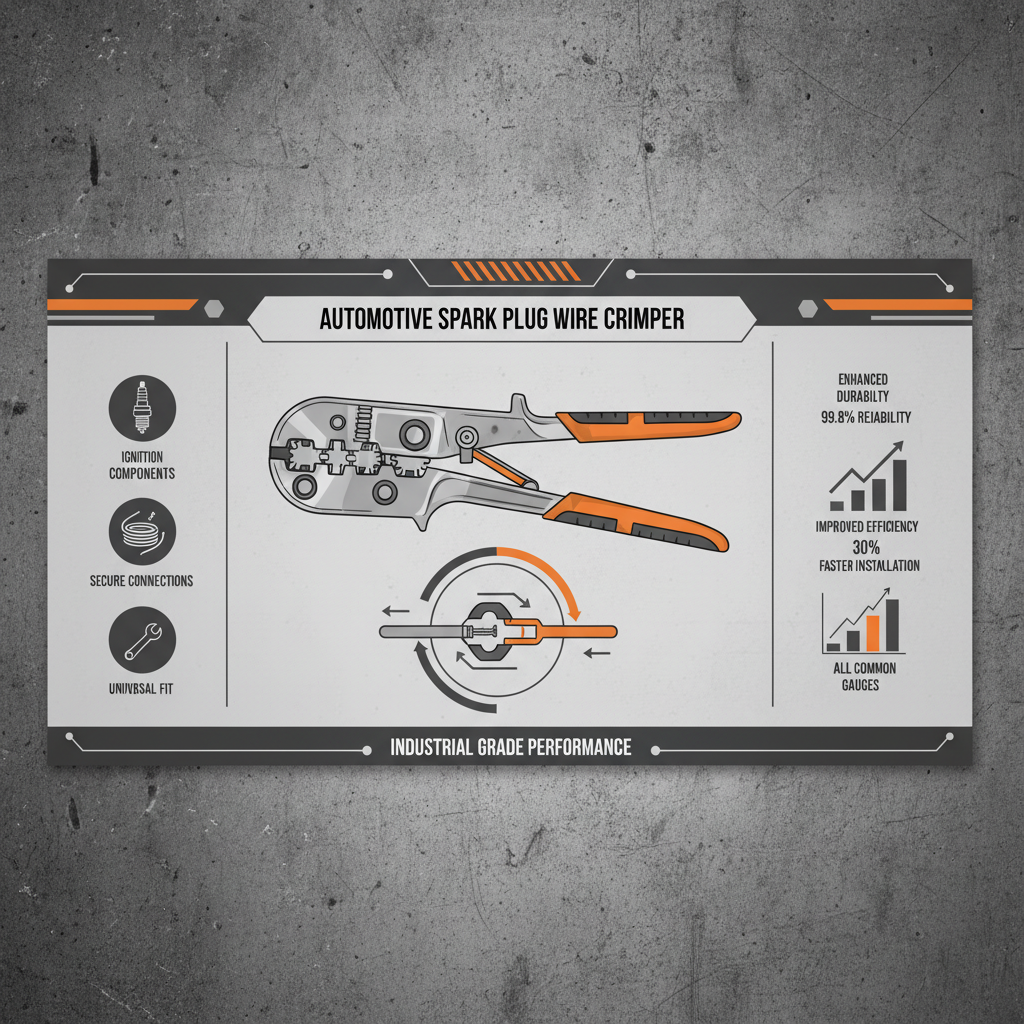
Beyond the basic types, several features contribute to a crimper's quality and effectiveness. Look for durable construction, ideally with hardened steel jaws to withstand repeated use. Ergonomic handles are essential for reducing hand fatigue, especially during extended projects. A ratcheting mechanism ensures a consistent, reliable crimp every time. Adjustability is crucial for accommodating different terminal sizes, and a built-in wire cutter can add convenience. A well-designed crimper will not only create a secure connection but also make the process more comfortable and efficient. Investing in a quality tool will save time and frustration in the long run.
Essential Features:
• Durable Construction (Hardened Steel)
• Ergonomic Handles for Comfort
• Ratcheting Mechanism for Consistency
• Adjustable to Different Terminal Sizes
Spark Plug Wire Crimper Comparison: Key Models and Specifications
Choosing the right crimper can be overwhelming. Here's a comparison of a few popular models, highlighting their key features and specifications to help you make an informed decision:
Proper Crimping Technique: A Step-by-Step Guide
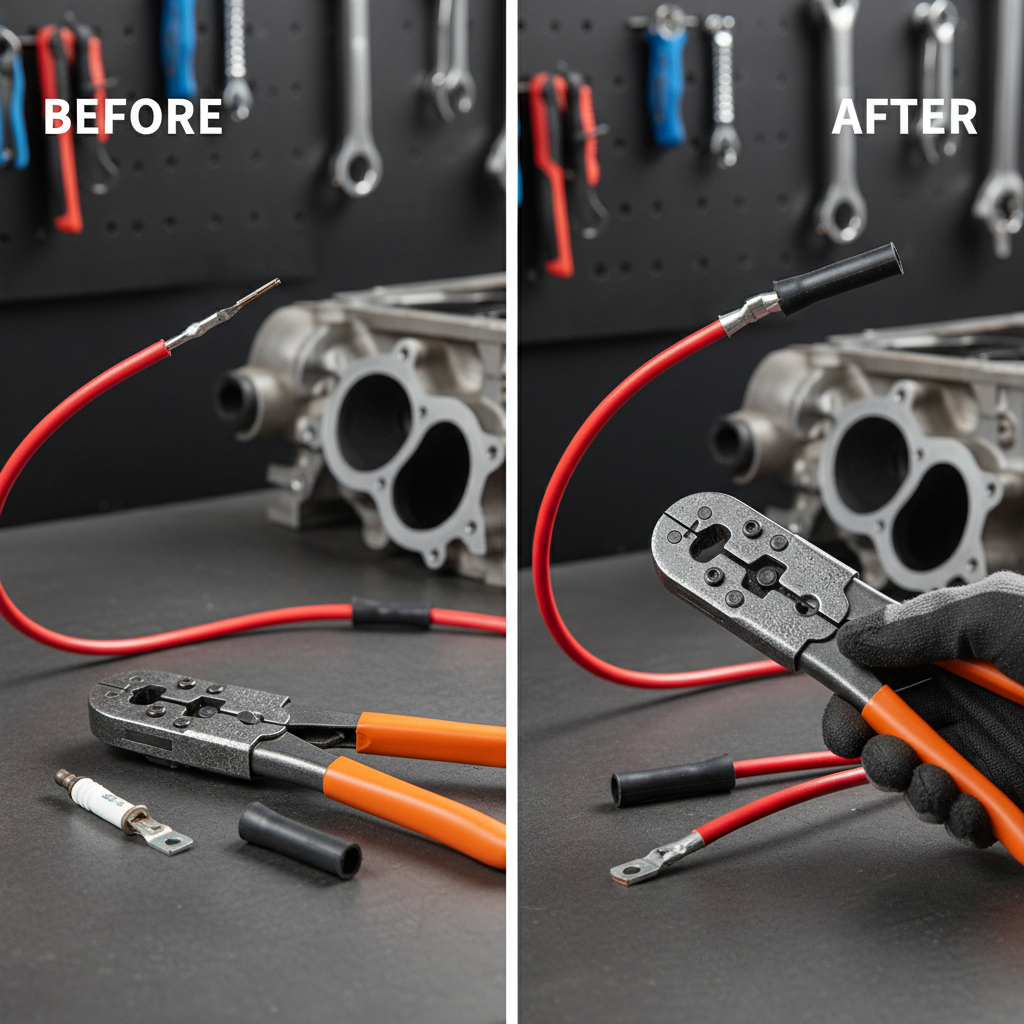
Achieving a reliable crimp requires more than just a quality tool. Here's a step-by-step guide: Prepare the Wire: Strip the insulation from the wire to the correct length, as specified by the terminal manufacturer. Insert the Wire: Insert the stripped wire fully into the terminal. Crimp the Connector: Position the terminal in the crimper's jaws and squeeze firmly until the ratchet mechanism releases (if applicable). Inspect the Crimp: Visually inspect the crimp to ensure it's secure and evenly compressed. A poor crimp can lead to electrical resistance and engine performance issues.
Ensuring Longevity: Maintenance and Storage
To ensure your spark plug wire crimper lasts for years to come, proper maintenance is key. Regularly clean the jaws with a wire brush to remove any debris or corrosion. Lubricate the moving parts with a light oil to ensure smooth operation. Store the crimper in a dry, protected environment to prevent rust. Avoid dropping the tool, as this can damage the precision jaws. With proper care, your crimper will provide reliable performance for many years.
Conclusion: Investing in Quality and Technique
Choosing the right spark plug wire crimper and mastering the proper technique are essential for maintaining optimal engine performance. Investing in a quality tool and following a careful crimping process will ensure secure and reliable connections, preventing misfires and maximizing fuel efficiency. Don't compromise on quality – a well-maintained crimper is a valuable asset for any mechanic or DIY enthusiast.
Frequently Asked Questions (FAQs)
What is the best type of crimper for a beginner?
For beginners, a self-adjusting spark plug wire crimper is generally recommended. These crimpers automatically adjust to the size of the terminal, eliminating the need for manual adjustments and reducing the risk of incorrect crimping. They are user-friendly and offer a good balance of performance and simplicity. Starting with a self-adjusting model allows you to gain confidence and experience before moving on to more advanced types.
How can I tell if a crimp is bad?
A bad crimp will typically exhibit visible signs of weakness. Look for a loose or uneven connection, or a crimp that doesn’t fully compress the terminal. You might also notice exposed wire strands. A continuity test with a multimeter can confirm whether the connection is solid. If the crimp fails the continuity test, it needs to be redone. A faulty crimp can lead to intermittent misfires and engine performance issues.
Can I reuse a spark plug wire after removing it?
While technically possible, it's generally not recommended to reuse spark plug wires. The wires can become brittle and cracked over time, especially with exposure to heat and oil. Reusing a wire increases the risk of misfires and electrical leakage. It’s best practice to replace spark plug wires as a set whenever you replace your spark plugs. This ensures optimal performance and reliability.
Latest news
-
Prechamber Spark Plugs for Enhanced Engine Combustion Efficiency
NewsApr.16,2026
-
Ultimate Guide to Choosing the Best Motorcycle Spark Plug
NewsApr.09,2026
-
The Vital Role of a Generator Spark Plug for Reliable Power Supply
NewsApr.07,2026
-
Understanding Engine Spark Plug Functionality for Optimal Performance
NewsApr.04,2026
-
Comprehensive Guide to Aircraft Spark Plugs for Optimal Engine Performance
NewsMar.31,2026
-
Choosing the Best Spark Plug Supplier for Optimal Engine Performance
NewsMar.28,2026