Oct . 16, 2025 11:55 Back to list
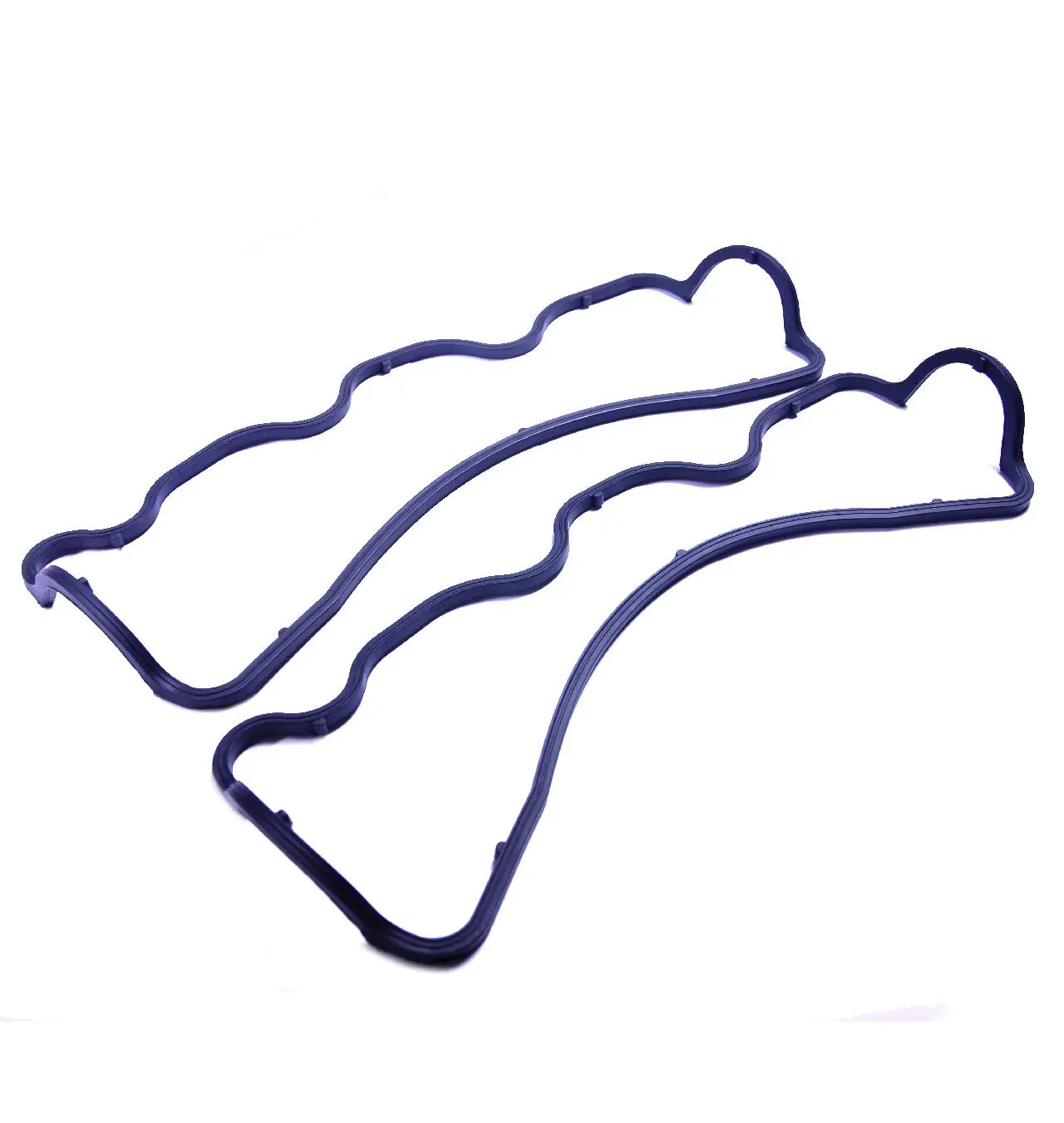
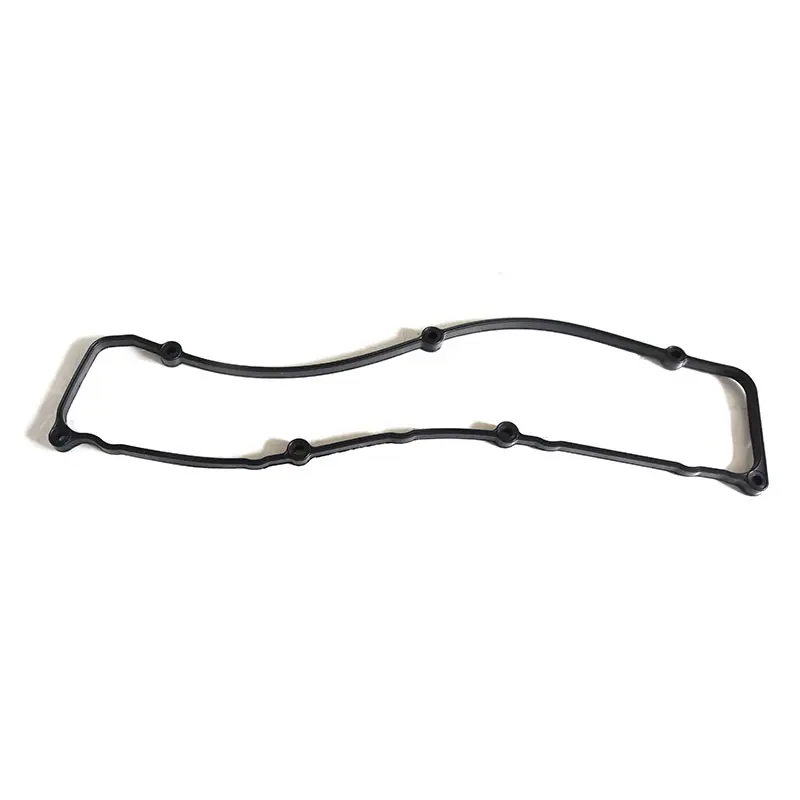
Valve Cover Gasket MD105185 – OEM-Grade, Leak-Proof Seal
A closer look at Valve Cover Gasket MD105185 from the shop floor
I’ve been around gasket benches long enough to know when a part quietly over-delivers. The Valve Cover Gasket MD105185 is one of those. It comes out of Julu industrial zone, Xingtai city, Hebei province—an area that’s become a bit of a sealing hub, to be honest. What caught my eye: consistent bead height, tidy flash, and real-world leak performance that matches the paperwork.
Industry snapshot
Gaskets are trending toward higher-temp elastomers, better oil resistance, and tighter tolerance control. The push is coming from turbo downsizing, extended drain intervals, and, frankly, customer patience getting shorter. Makers that pass ASTM and IATF audits don’t just brag about it; they publish data. That’s where the Valve Cover Gasket MD105185 feels on-point.
Quick spec sheet
| Parameter | Typical Spec (≈, real-world may vary) |
|---|---|
| Base material | NBR or FKM blend per ASTM D2000 [1] |
| Hardness, Shore A | 70 ±5 (ASTM D2240) |
| Temp range | -30 to 150°C (NBR) / up to 200°C (FKM) |
| Compression set | ≤25% @ 100°C, 22h (ASTM D395) [3] |
| Oil resistance | ΔV ≤ 10% in IRM 903 oil (ASTM D471) [2] |
| Heat aging | ΔH ≤ -10 Shore A @ 125°C, 70h (ASTM D573) [4] |
| Service life | ≈100,000–150,000 km under normal maintenance |
Manufacturing and QA flow (how it’s actually made)
- Compound design: NBR/FKM recipes mapped to ASTM D2000 callouts [1].
- Mixing and milling: controlled Mooney viscosity; batch traceability logged.
- Molding: compression or transfer mold; integral sealing beads formed in-tool.
- Post-cure: oven cure for FKM to stabilize compression set and outgas residues.
- Deflashing and visual sort: gate vestige trimmed; bead continuity inspected.
- Dimensional check: critical IDs/ODs to ISO 3302-1 M2 tolerance class.
- Leak screening: low-pressure oil wet test; torque-retention checks on sample covers.
- Certs: ISO 9001 and IATF 16949 system compliance for PPAP/traceability [5][6].
Where it fits and why it matters
Use cases span daily commuters to light commercial engines where valve cover seepage ruins coil packs and makes a mess. Many customers say the Valve Cover Gasket MD105185 “just seals the first time,” fewer re-torques. That’s partly bead geometry and partly decent compression-set metrics.
Advantages I’ve noticed
- Consistent bead height—less fiddling during install.
- Oil-swell control that keeps clamp load stable over months.
- Packaging that doesn’t warp the gasket in transit (surprisingly common elsewhere).
Vendor comparison (field notes, not lab gospel)
| Aspect | Huimao (Origin: Julu, Xingtai, Hebei) | Trading-only Vendor | Low-cost Factory |
|---|---|---|---|
| Material callout | ASTM D2000 line callouts provided | Generic “NBR” only | Unspecified blends |
| Bead uniformity | Tight (good repeatability) | Varies by batch | Inconsistent |
| Certs / PPAP | ISO 9001, IATF 16949 system; PPAP on request | Basic COC | None stated |
Customization
Need tweaks? You can usually specify compound (NBR/FKM), Shore A 60–80, bead geometry, and tolerance class. For harsh turbo setups, I’d ask for FKM, post-cure, and a slightly higher bead to accommodate thermal cycling.
Mini case notes
- Taxi fleet, humid coastal city: after 30k km, no visible weep; coil packs stayed dry.
- Performance garage: switched to FKM spec of Valve Cover Gasket MD105185; reduced comeback rates on turbo builds by ≈40% (their words, not mine).
References and standards
Latest news
-
Everything You Need to Know About Oil Seal 40 62 10: Specs, Uses & Suppliers
NewsDec.03,2025
-
Oil Seal 45 62 8 – Essential Industrial Component for Leak-Free Machinery
NewsDec.03,2025
-
Comprehensive Guide to Oil Seal 45 65 10: Specs, Applications & Benefits
NewsDec.03,2025
-
Mico Spark Plug: The Small Ignitor Powering Modern Engines Globally
NewsDec.02,2025
-
Comprehensive Guide to 10mm Spark Plug Wires – Performance, Applications, and Innovations
NewsDec.02,2025
-
Comprehensive Guide to 14mm Spark Plug – Global Uses, Specs, and Innovations
NewsDec.02,2025