The gearbox oil seal is a critical component in countless mechanical systems across the globe. Its primary function – preventing leakage and contamination within gearboxes – directly impacts the efficiency, reliability, and longevity of machinery. From automobiles and industrial equipment to renewable energy installations and aerospace applications, the reliable performance of a gearbox oil seal is paramount. Understanding its design, materials, and applications is essential for engineers, maintenance professionals, and anyone involved in operating and maintaining mechanical power transmission systems. A properly functioning gearbox oil seal safeguards against costly downtime, environmental damage, and potential safety hazards.
Globally, the demand for high-quality gearbox oil seals is driven by the continued growth of manufacturing, infrastructure development, and the increasing sophistication of mechanical systems. The United Nations Industrial Development Organization (UNIDO) emphasizes the importance of reliable machinery for sustainable industrial growth, particularly in developing nations. Simultaneously, stricter environmental regulations necessitate robust sealing solutions to prevent oil leaks and minimize pollution. The automotive industry, a major consumer of these seals, is undergoing a rapid transformation with the rise of electric vehicles, creating new demands for seals compatible with different lubricants and operating conditions.
The challenges associated with maintaining operational efficiency and minimizing environmental impact further underscore the importance of innovative gearbox oil seal technology. The development of advanced sealing materials and designs is crucial for meeting these evolving needs and ensuring the continued performance of critical machinery worldwide.
The Core Principles of gearbox oil seal
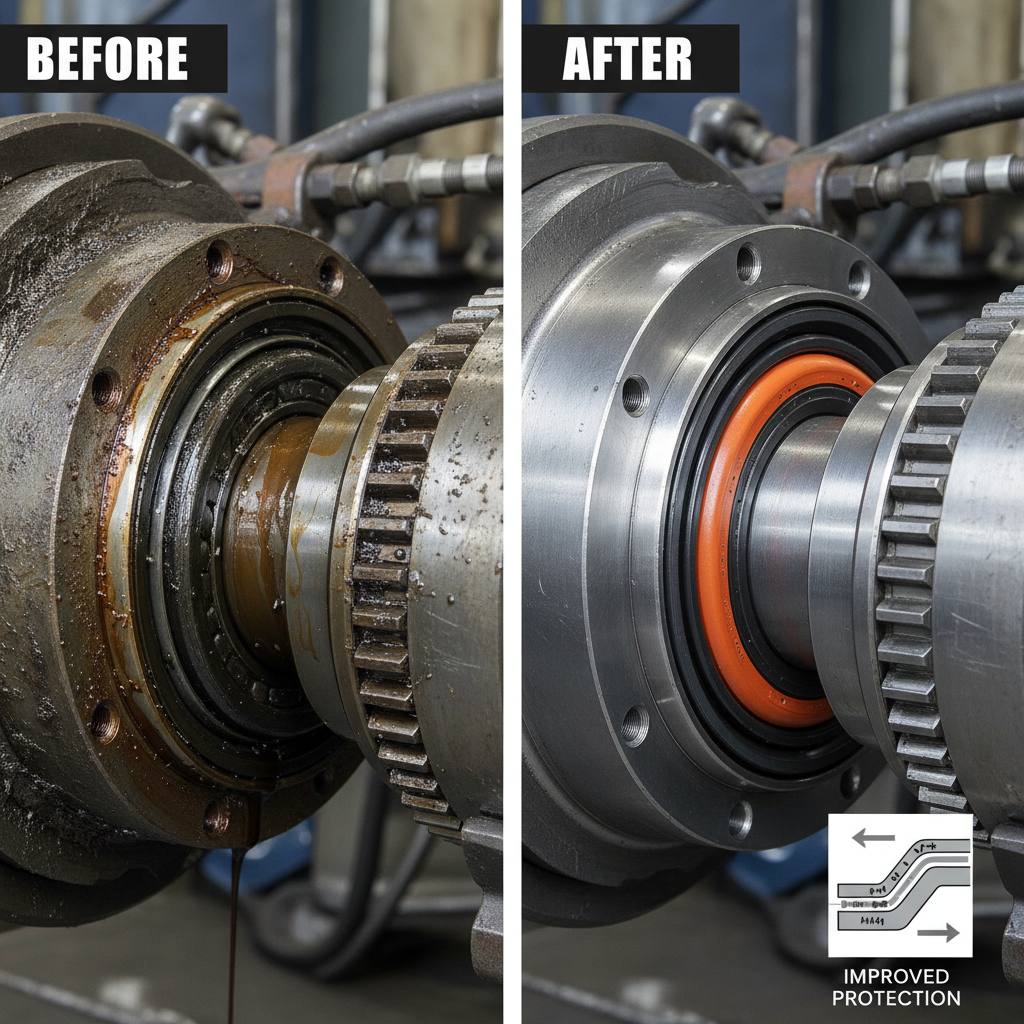
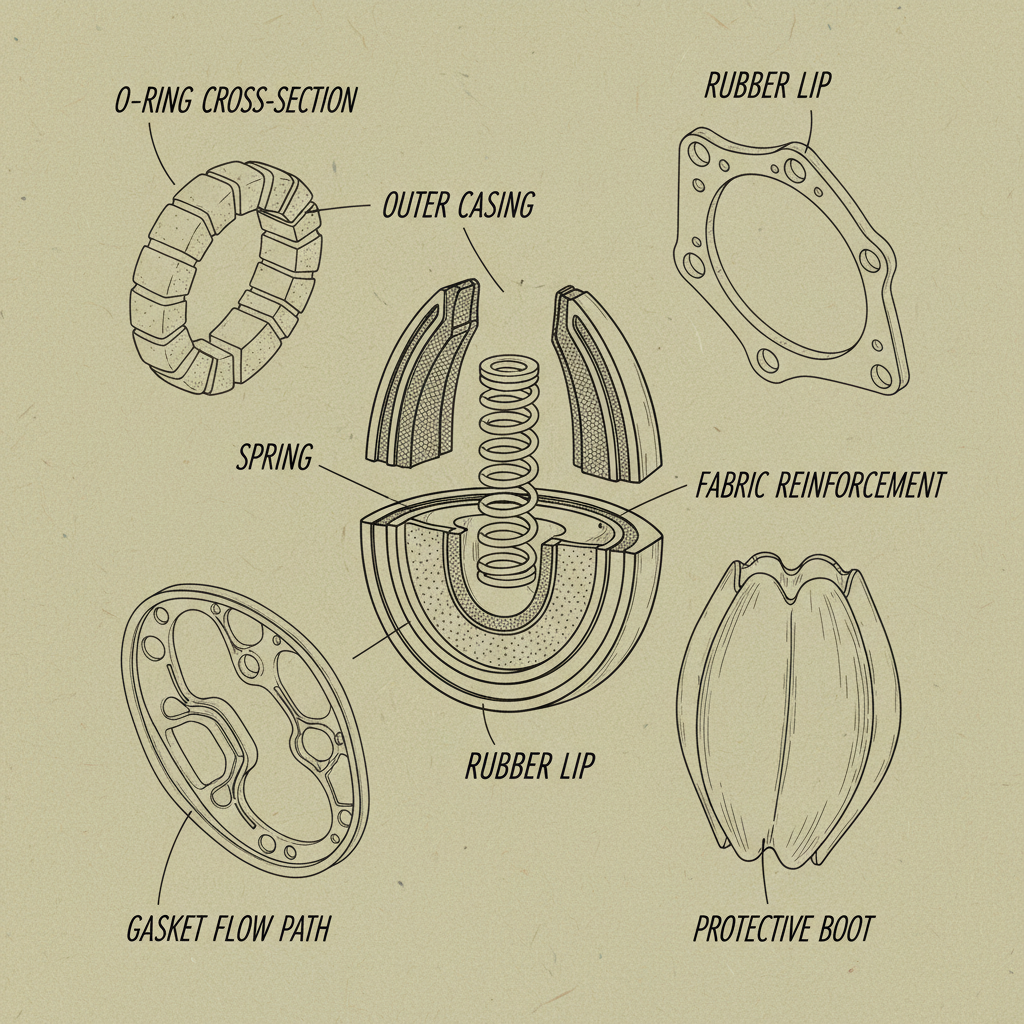
At its most fundamental level, a gearbox oil seal prevents the escape of lubricant and the ingress of contaminants – dirt, dust, moisture – into the gearbox housing. This protection is critical for maintaining proper lubrication, preventing wear, and ensuring the efficient operation of gears and bearings. The sealing mechanism typically involves a flexible lip made of a resilient material pressed against a rotating shaft or housing surface. Gearbox oil seal designs vary widely depending on the application, but the core principle remains constant: create a barrier to maintain fluid integrity.
The effectiveness of a gearbox oil seal is determined by several factors, including the material's compatibility with the lubricant, the precision of the seal's dimensions, the surface finish of the shaft and housing, and the operating conditions – temperature, pressure, and rotational speed. Selecting the appropriate seal for a specific application requires careful consideration of these parameters to ensure long-term reliability and prevent premature failure.
Historical Development of gearbox oil seal
Early gearbox sealing solutions were rudimentary, often relying on packed materials like cotton or felt pressed into the gearbox housing. These methods were prone to leakage, required frequent maintenance, and offered limited protection against contaminants. The development of rubber-based seals in the early 20th century marked a significant improvement, providing a more effective and durable sealing solution. As automotive and industrial applications became more demanding, the need for even more reliable seals drove further innovation.
The mid-20th century saw the introduction of synthetic rubber materials, such as nitrile rubber (NBR) and silicone rubber, offering improved resistance to temperature, chemicals, and wear. The development of spring-loaded seals and PTFE (Teflon) seals further enhanced sealing performance and extended service life. Ongoing advancements in materials science and manufacturing techniques continue to refine gearbox oil seal technology, resulting in seals capable of operating in increasingly harsh environments.
Today, sophisticated sealing solutions incorporate advanced designs, such as multi-lip seals, cassette seals, and labyrinth seals, tailored to specific application requirements. The evolution of the gearbox oil seal reflects a continuous pursuit of improved performance, reliability, and longevity.
Material Science in gearbox oil seal
The selection of the right material is paramount to the performance and longevity of a gearbox oil seal. Nitrile rubber (NBR) is a commonly used material due to its excellent resistance to petroleum-based lubricants and its relatively low cost. However, NBR has limitations in terms of high-temperature performance and compatibility with certain aggressive chemicals.
For high-temperature applications, silicone rubber (VMQ) and fluorocarbon rubber (FKM, Viton) are often preferred. Silicone rubber offers excellent temperature resistance and flexibility, while FKM provides superior resistance to chemicals and abrasion. PTFE (Teflon) is also used in seals, either as a coating or as a solid component, due to its exceptionally low coefficient of friction and excellent chemical resistance. The growing demand for environmentally friendly materials is driving research into bio-based elastomers and sustainable sealing solutions.
The material’s hardness, measured by the Shore A durometer, also plays a crucial role. Softer materials conform better to shaft surfaces, providing a tighter seal, while harder materials offer improved wear resistance. The optimal material selection depends on a careful assessment of the operating conditions, lubricant type, and performance requirements.
Performance Characteristics of gearbox oil seal
Several key performance characteristics define the quality and suitability of a gearbox oil seal. Leakage rate is a primary concern, as any loss of lubricant can lead to reduced efficiency and potential damage to the gearbox. Wear resistance is equally important, as the seal must withstand constant contact with the rotating shaft and maintain its sealing properties over time.
Temperature stability refers to the seal's ability to maintain its performance across a wide range of operating temperatures. Chemical compatibility ensures that the seal material doesn't degrade or swell when exposed to the gearbox lubricant and other fluids.
Comparison of gearbox oil seal Performance Metrics
Global Industry Applications of gearbox oil seal
Gearbox oil seals are indispensable across a wide spectrum of industries. In the automotive sector, they are critical components of transmissions, differentials, and transfer cases, ensuring smooth and reliable power delivery. Industrial machinery, including pumps, compressors, and conveyor systems, rely heavily on gearbox oil seal to prevent lubricant loss and maintain operational efficiency.
The renewable energy sector utilizes gearbox oil seals in wind turbines and hydroelectric generators, where reliable performance is essential for maximizing energy output. Aerospace applications demand high-precision seals capable of withstanding extreme temperatures and pressures. In post-disaster relief operations, the longevity of heavy machinery hinges on the integrity of these often-overlooked components.
Advantages and Future Outlook for gearbox oil seal
The advantages of utilizing high-quality gearbox oil seals are multifaceted. Reduced downtime and maintenance costs are significant benefits, as are improved equipment reliability and extended service life. Preventing oil leakage minimizes environmental impact and enhances workplace safety. A well-sealed gearbox operates more efficiently, reducing energy consumption and lowering operating expenses.
Looking ahead, the future of gearbox oil seal technology is focused on developing more durable, efficient, and environmentally friendly solutions. The adoption of advanced materials, such as self-healing elastomers and nanocomposites, promises to extend seal life and reduce leakage rates. Furthermore, the integration of sensor technology into seals will enable real-time monitoring of seal performance and predictive maintenance capabilities.
Challenges and Innovations in gearbox oil seal Technology
Despite advancements, several challenges remain in gearbox oil seal technology. High-speed applications generate significant heat and friction, which can lead to seal degradation. Aggressive chemicals and extreme temperatures can also compromise seal performance. The increasing demand for smaller, more compact gearboxes presents challenges in terms of seal design and installation.
Innovations addressing these challenges include the development of advanced surface treatments to reduce friction and wear, the use of multi-lip seals to provide redundant sealing, and the implementation of advanced sealing geometries to optimize pressure distribution. Research into self-lubricating seals and seals with integrated cooling systems holds promise for improving performance in demanding applications.
The development of smart seals, incorporating sensors and data analytics, is another exciting area of innovation. These seals can provide real-time feedback on seal health, enabling predictive maintenance and preventing catastrophic failures.
Summary of Challenges and Innovation Strategies for gearbox oil seal
| Challenge |
Impact on gearbox oil seal Performance |
Innovation Strategy |
Potential Outcome |
| High Operating Temperature |
Accelerated Material Degradation |
Utilize High-Temperature Elastomers (FKM, VMQ) |
Extended Seal Life, Reduced Leakage |
| Chemical Exposure |
Swelling, Cracking, Loss of Elasticity |
Employ Chemically Resistant Materials (PTFE, FKM) |
Maintained Seal Integrity, Prevents Failure |
| High Rotational Speed |
Increased Friction, Heat Generation |
Develop Low-Friction Coatings, Optimized Seal Geometry |
Reduced Wear, Improved Efficiency |
| Contaminant Ingress |
Abrasion, Seal Damage |
Implement Multi-Lip Seals, Protective Shields |
Enhanced Seal Protection, Extended Life |
| Miniaturization Requirements |
Design Complexity, Installation Challenges |
Micro-Seal Design, Precision Manufacturing |
Compact Sealing Solutions, Improved Integration |
| Predictive Maintenance Needs |
Lack of Real-Time Seal Health Monitoring |
Integrate Sensors for Pressure, Temperature, and Wear Detection |
Proactive Maintenance, Reduced Downtime |
FAQS
The lifespan of a gearbox oil seal varies significantly depending on the application, operating conditions, and seal material. Generally, a well-maintained seal can last between 2,000 and 10,000 hours of operation. Factors such as excessive temperatures, chemical exposure, and high speeds can shorten its lifespan. Regular inspections and preventative maintenance are crucial for maximizing seal longevity. A quality gearbox oil seal can contribute significantly to overall system uptime.
Selecting the appropriate seal material requires careful consideration of the lubricant type, operating temperature, chemical exposure, and pressure. Nitrile rubber (NBR) is a common choice for petroleum-based lubricants, while Viton (FKM) offers superior chemical resistance and high-temperature performance. Silicone rubber (VMQ) is ideal for extreme temperature variations. PTFE provides excellent chemical inertness and low friction. Consult with a sealing specialist to determine the best material for your specific application.
Common signs of a failing gearbox oil seal include noticeable oil leaks around the gearbox housing, reduced lubricant levels, increased operating temperatures, and unusual noises. A gradual decline in gearbox performance can also indicate a seal failure. Ignoring these signs can lead to catastrophic gearbox damage, so prompt inspection and replacement are essential.
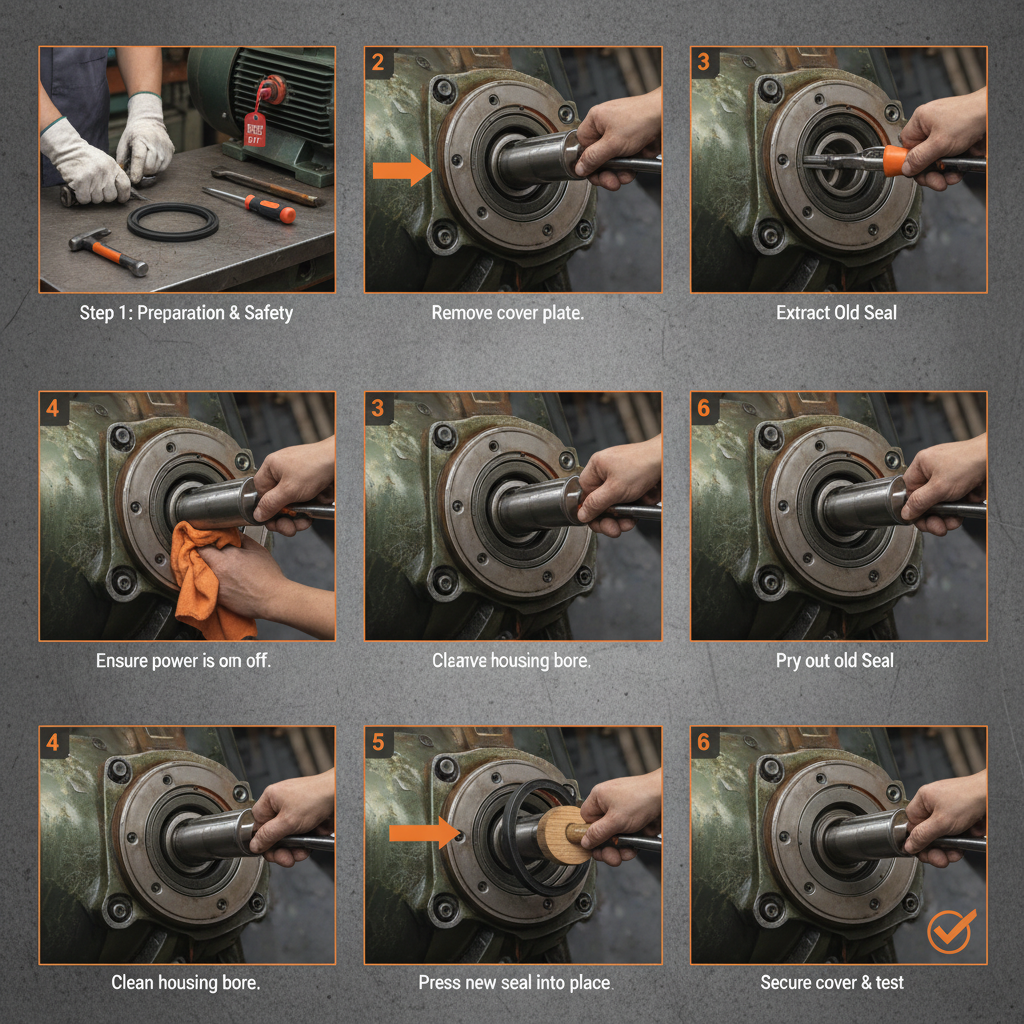
Proper installation is critical for maximizing seal life. Ensure the shaft surface is smooth and free from burrs or scratches. Use a seal installation tool to avoid damaging the sealing lip. Apply a thin coat of lubricant to the seal before installation. Avoid excessive force, as this can distort the seal and compromise its performance. Follow the manufacturer’s instructions carefully.
Yes, there is growing demand for eco-friendly sealing solutions. Bio-based elastomers derived from renewable resources are becoming increasingly available. Manufacturers are also focusing on reducing waste during production and developing recyclable seal materials. Choosing environmentally responsible gearbox oil seal options contributes to sustainable industrial practices.
A single-lip seal has one sealing lip, providing a basic level of protection against leakage and contamination. A double-lip seal features two sealing lips, offering enhanced sealing performance and greater resistance to contaminants. Double-lip seals are commonly used in demanding applications with high speeds, pressures, or exposure to abrasive particles. The choice depends on the specific application requirements.
Conclusion
In conclusion, the gearbox oil seal is a deceptively simple, yet fundamentally important component that underpins the reliable operation of countless mechanical systems worldwide. From its historical evolution to the cutting-edge materials and designs employed today, the gearbox oil seal continues to evolve to meet the ever-increasing demands of modern industry. Understanding its core principles, key performance characteristics, and potential challenges is essential for engineers, maintenance professionals, and anyone responsible for ensuring the longevity and efficiency of mechanical equipment.
Looking ahead, continued innovation in materials science, sealing technologies, and predictive maintenance techniques will drive further improvements in gearbox oil seal performance. Embracing these advancements is crucial for maximizing uptime, minimizing environmental impact, and enhancing the overall sustainability of mechanical systems. Visit our website at www.huimaooilseal.com to learn more about our comprehensive range of high-quality gearbox oil seal solutions.