Sep . 15, 2025 08:40 Back to list
Reliable Brake Light Switch: Enhance Safety, Easy Install
Industry Trends and the Critical Role of the Brake Light Switch
In the dynamic landscape of modern transportation and industrial machinery, the reliability and precision of every component are paramount. Among these, the Brake Light Switch stands as a foundational safety device, signaling braking intent and facilitating critical system functions. Current industry trends, particularly the rapid advancements in vehicle electrification, autonomous driving systems, and the increasing demand for enhanced safety standards across all sectors, are placing unprecedented emphasis on the performance and durability of such components.
The evolution from purely mechanical to sophisticated electromechanical and even sensor-based solutions for brake light activation highlights a move towards higher precision, faster response times, and superior environmental resilience. For B2B decision-makers and engineers, understanding the intricacies of a high-quality Brake Light Switch is crucial for ensuring compliance with stringent regulatory requirements, optimizing system performance, and ultimately safeguarding operations and personnel. This article delves into the technical specifications, manufacturing excellence, diverse applications, and inherent advantages of advanced brake light switches, providing a comprehensive overview for industrial professionals.
Precision Manufacturing Process of a Brake Light Switch
The production of a high-performance Brake Light Switch involves a meticulously controlled, multi-stage manufacturing process designed to ensure reliability, longevity, and consistent functionality. Our process integrates advanced engineering techniques with rigorous quality assurance protocols.
Process Flow Overview:
- Material Selection: Begins with the careful selection of high-grade materials. For the housing, engineering plastics like PA66-GF30 (Glass Fiber reinforced Polyamide 66) are chosen for their exceptional mechanical strength, temperature resistance (-45°C to +120°C), and chemical inertness. Contact materials typically involve silver alloys (e.g., AgCdO, AgNi) for superior conductivity and arc erosion resistance, ensuring a stable electrical connection over millions of cycles. Springs are made from high-tensile stainless steel for consistent actuation force.
- Component Manufacturing:
- Injection Molding: The main housing and plunger components are precision injection-molded from selected engineering plastics, ensuring dimensional accuracy and structural integrity.
- Stamping & Forming: Electrical terminals and contact plates are produced through high-precision stamping from copper or brass alloys, often followed by silver or gold plating to optimize conductivity and corrosion resistance.
- Spring Winding: Actuation springs are precisely wound and heat-treated to achieve specified spring rates and fatigue life.
- Automated Assembly: Components are assembled using automated lines to minimize human error and ensure consistency. This typically involves fitting contacts, springs, plungers, and sealing elements within the molded housing. Advanced ultrasonic welding or snap-fit mechanisms secure the assembly.
- Calibration and Sealing: For certain variants, contact actuation points are precisely calibrated. Environmental sealing, often to IP67 or IP68 standards, is applied using specialized gaskets or potting compounds to protect against dust, moisture, and fluids.
- Rigorous Testing: Every batch undergoes extensive testing:
- Functional Testing: Verifies electrical continuity, actuation force, and release force.
- Lifecycle Testing: Simulates millions of actuation cycles to confirm the mechanical and electrical service life, often exceeding 1.5 million cycles.
- Environmental Testing: Includes tests for temperature cycling (-45°C to +120°C), humidity, salt spray (corrosion resistance), and vibration (per ISO 16750-3 and IEC 60068 standards).
- Dielectric Strength Test: Ensures insulation integrity at high voltages.
- Final Inspection and Packaging: Concludes with visual inspection and proper packaging to prevent damage during transit.
This meticulous process guarantees a typical service life exceeding 1.5 million cycles under specified operating conditions, far surpassing industry averages. Target industries include automotive (passenger, commercial, heavy-duty), petrochemical, metallurgy, mining, railway systems, and water supply & drainage, where advantages such as extreme corrosion resistance (due to advanced sealing and material choice), energy-efficient operation (low power consumption), and robust performance in harsh environments are critical.
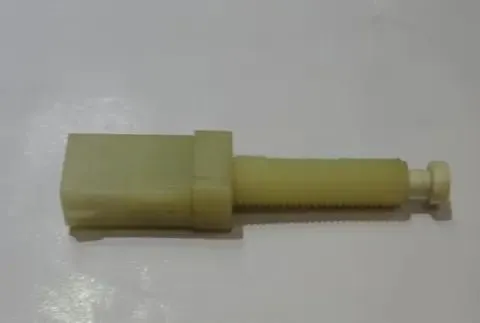
Technical Specifications and Parameters
The performance of a Brake Light Switch is defined by a set of critical technical parameters that dictate its suitability for specific applications. Our switches are engineered to meet and exceed rigorous industry benchmarks, ensuring optimal performance and safety.
| Parameter | Value | Unit | Testing Standard / Description |
|---|---|---|---|
| Rated Voltage | 12 / 24 | V DC | Compliant with ISO 16750 for road vehicles. |
| Max. Current Load | 5 - 10 (depending on variant) | A | IEC 60068-2-2 (Dry Heat Test) |
| Operating Temperature Range | -45 to +120 | °C | Extended range per ISO 16750-3 (Mechanical and Climatic Loadings). |
| Environmental Protection (IP Rating) | IP67 / IP68 | IEC 60529, ensures dust-tightness and immersion protection. | |
| Actuation Force | 5 - 15 (customizable) | N | Force required to activate the switch. |
| Mechanical Lifecycle | > 1,500,000 | Cycles | Tested under full load conditions. |
| Contact Resistance (Max) | 50 | mΩ | IEC 60512-2-1, ensures minimal voltage drop. |
| Housing Material | PA66-GF30 (Glass Fiber Reinforced Polyamide 66) | High strength, excellent thermal and chemical resistance. | |
| Connector Type | 2-pin / 3-pin Deutsch, AMP, or custom | Standardized industrial connectors for robust connections. |
Diverse Application Scenarios
While commonly associated with automotive applications, the versatility and robust design of a high-quality Brake Light Switch extend its utility across a multitude of industrial and commercial sectors. Its primary function, to detect the actuation of a brake pedal or a similar mechanism, is critical for safety and operational control.
Key Application Areas:
- Automotive Industry: Beyond simply illuminating brake lights, our switches are integral to vehicle safety systems. They communicate brake status to the Engine Control Unit (ECU) for cruise control disengagement, electronic stability control (ESC), anti-lock braking systems (ABS), and advanced driver-assistance systems (ADAS), ensuring precise and rapid data transmission.
- Heavy-Duty & Commercial Vehicles: Trucks, buses, construction equipment (excavators, loaders), and agricultural machinery rely on durable brake light switches to withstand extreme vibrations, dust, moisture, and temperature fluctuations. These switches are vital for signaling to other operators and enabling auxiliary systems like PTO (Power Take-Off) engagement or hydraulic brake activation.
- Industrial Machinery: In factories and manufacturing plants, brake light switches are adapted to various control mechanisms. They can serve as limit switches for automated processes, safety interlocks on presses or conveyors, or position sensors for robotic arms, indicating when a component has reached a safe stop or specific position.
- Railway Systems: Critical for signaling braking conditions in locomotives and rolling stock, contributing to train control systems and overall rail safety. They operate under severe environmental conditions and demand exceptional reliability.
- Material Handling Equipment: Forklifts, stackers, and other warehouse equipment use these switches to control braking systems, ensure operator safety, and integrate with automated guided vehicles (AGVs).
- Marine Applications: In harsh saltwater environments, specialized brake light switches with enhanced corrosion resistance are used in braking and safety systems for marine vessels and offshore equipment.
The diverse needs across these sectors necessitate switches with robust construction, wide operating temperature ranges, high IP ratings, and excellent resistance to chemicals and vibrations, all of which are hallmarks of our product design.
Technical Advantages of Our Brake Light Switch Solutions
Our advanced Brake Light Switch solutions are designed with a focus on delivering superior performance, longevity, and reliability, addressing the most demanding requirements of B2B applications. These technical advantages translate directly into operational efficiency, enhanced safety, and reduced total cost of ownership for our clients.
Key Advantages:
- Exceptional Durability and Service Life: Engineered with premium materials and precision manufacturing, our switches boast a mechanical lifecycle exceeding 1.5 million cycles. This robust design minimizes wear and tear, significantly extending the service interval and reducing maintenance costs.
- Extreme Environmental Resilience: With an IP67/IP68 rating, our switches are completely sealed against dust ingress and protected against immersion in water. They operate reliably across an extended temperature range of -45°C to +120°C, making them suitable for the harshest industrial and outdoor environments, from arctic cold to desert heat.
- Superior Corrosion Resistance: Utilizing specialized housing materials (e.g., PA66-GF30) and plated contacts, our switches exhibit outstanding resistance to corrosive agents, including salt spray, automotive fluids, and industrial chemicals. This ensures consistent electrical performance even in challenging chemical or marine settings.
- Precision and Repeatability: Each switch is calibrated for consistent actuation and release forces, ensuring highly repeatable and accurate signaling. This precision is critical for seamless integration with sophisticated electronic control units (ECUs) and advanced safety systems (e.g., ABS, ESC, ADAS).
- Energy Efficiency: Designed for low power consumption, our switches contribute to the overall energy efficiency of the systems they are integrated into, particularly beneficial in battery-electric vehicles and energy-sensitive industrial applications.
- Vibration and Shock Resistance: Constructed to withstand high levels of vibration and mechanical shock, our switches maintain integrity and functionality in applications subject to dynamic stresses, such as heavy machinery, off-road vehicles, and railway systems.
Vendor Comparison: Why Choose Our Brake Light Switch
Choosing the right supplier for critical components like a Brake Light Switch requires a thorough evaluation of technical capabilities, quality standards, and overall value proposition. Below is a comparison demonstrating our competitive edge against typical industry offerings.
| Feature/Parameter | Huimao Oil Seal (Our Product) | Competitor A (Premium Segment) | Competitor B (Standard Segment) |
|---|---|---|---|
| Mechanical Lifecycle | > 1,500,000 cycles | > 1,000,000 cycles | > 800,000 cycles |
| Operating Temperature Range | -45°C to +120°C | -40°C to +100°C | -30°C to +90°C |
| Environmental Protection (IP) | IP67 / IP68 | IP67 | IP65 |
| Customization Options | Extensive (materials, force, connectors, cable length, mounting) | Limited (standard models with minor modifications) | Basic (e.g., color, cable length) |
| Standard Warranty | 2 Years | 1 Year | 6 Months |
| Certifications | ISO 9001, IATF 16949, CE, RoHS | ISO 9001, CE | ISO 9001 |
| Corrosion Resistance | Excellent (sealed design, high-grade materials) | Good | Standard |
| Technical Support | Dedicated engineering support, application specialists | Standard product support | Basic email/phone support |
This comparison highlights our commitment to delivering a superior Brake Light Switch that not only meets but often exceeds industry standards, providing long-term value and reliability.
Customized Solutions and Integration Support
Recognizing that off-the-shelf solutions may not always perfectly align with unique operational requirements, we specialize in providing customized Brake Light Switch solutions. Our engineering team collaborates closely with clients to design and manufacture switches that precisely fit their specifications, ensuring optimal integration and performance within complex systems.
Our Customization Capabilities Include:
- Material Selection: Tailoring housing materials (e.g., flame-retardant, high-temperature polymers), contact alloys (e.g., silver-palladium for low current, heavy-duty for high current), and sealing compounds for specific environmental or chemical exposure needs.
- Electrical Specifications: Adjusting rated voltage and current capacity, contact configurations (e.g., Normally Open, Normally Closed, Changeover), and implementing specific electrical protection features.
- Mechanical Parameters: Fine-tuning actuation force, plunger travel, and mounting configurations (e.g., threaded body, snap-in, bracket-mounted) to seamlessly integrate with existing mechanical designs.
- Connector and Cabling: Providing bespoke connector types (e.g., specialized automotive, industrial, waterproof), custom cable lengths, and wiring harnesses for plug-and-play integration.
- Sensor Integration: Developing switches with integrated diagnostic capabilities or incorporating additional sensor functionalities (e.g., pressure, temperature) where system requirements dictate.
Our expert engineers provide comprehensive integration support, from initial concept and prototyping to final validation and mass production. This collaborative approach ensures that the customized switch performs flawlessly, enhances system reliability, and meets all relevant industry standards and certifications.
Application Case Studies
Our commitment to delivering high-quality, reliable solutions is best illustrated through real-world applications. These case studies highlight how our Brake Light Switch has provided tangible benefits to diverse industries.
Case Study 1: Heavy-Duty Mining Equipment Manufacturer
A leading manufacturer of large-scale mining trucks faced persistent issues with premature failure of standard brake light switches due to extreme vibrations, dust, and hydraulic fluid exposure in their open-pit mining operations. The existing switches required replacement every 6-9 months, leading to significant downtime and maintenance costs.
- Solution Provided: We engineered a customized Brake Light Switch with an IP68 rating, a robust PA66-GF30 housing, and specialized viton seals for enhanced chemical resistance. The internal contact mechanism was reinforced for superior vibration resilience, and the electrical connections were upgraded to military-grade sealed Deutsch connectors.
- Results: The new switches achieved an average service life exceeding 3 years, a 400% improvement over previous solutions. This resulted in a 75% reduction in unplanned maintenance related to switch failures, an estimated annual savings of $50,000 per vehicle fleet in parts and labor, and significantly improved operational safety.
Case Study 2: Autonomous Logistics Robotics Manufacturer
An innovator in autonomous warehouse robotics required an ultra-precise and highly reliable brake switch for their AGV (Automated Guided Vehicle) braking system. Critical requirements included minimal actuation force for integration with sensitive pedal sensors, a compact footprint, and consistent electrical signaling for sophisticated path planning and emergency stop functions.
- Solution Provided: We developed a miniaturized Brake Light Switch variant with a precisely tuned actuation force of 5N, ensuring seamless integration with the AGV's low-profile brake pedal assembly. The switch featured a gold-plated contact system for reliable low-current signaling and was tested to 2 million cycles for extended operational life in a high-throughput environment.
- Results: The custom switch enabled the AGV manufacturer to meet strict safety certification requirements for their robotics platform. Its exceptional repeatability and extended lifecycle contributed to a 15% improvement in AGV system uptime and eliminated false positives in braking signals, enhancing both safety and operational efficiency within the automated warehouse.
Commitment to Quality, Support, and Trustworthiness
Our dedication to quality, transparent business practices, and unwavering customer support builds the foundation of trust with our B2B partners. We adhere to the highest industry standards and offer robust post-sales support.
Authoritativeness and Certifications:
- Certified Quality Management: We operate under ISO 9001:2015 certified quality management systems, ensuring consistent product quality and process efficiency. For automotive-specific applications, we are IATF 16949 compliant.
- Product Compliance: Our products conform to global standards such as CE (European Conformity) and RoHS (Restriction of Hazardous Substances), affirming environmental responsibility and safety.
- Industry Partnerships: We are proud suppliers to leading OEMs and Tier-1 manufacturers in the automotive, industrial, and heavy-duty sectors, reflecting our proven track record and expertise over 20+ years in the industry.
- Rigorous Testing Data: All product specifications are validated through comprehensive internal and third-party laboratory testing, with detailed test reports available upon request to substantiate performance claims.
Frequently Asked Questions (FAQ):
- Q: What is the typical lead time for a custom Brake Light Switch order?
A: Standard production orders typically have a lead time of 4-6 weeks, depending on volume and complexity. For customized solutions, initial prototyping and sampling usually take 6-8 weeks, followed by agreed-upon production lead times. Expedited options are available upon discussion. - Q: What is your warranty policy?
A: We offer a standard 2-year warranty on all our brake light switches, covering defects in materials and workmanship under normal operating conditions. Extended warranty options are available for specific project requirements. - Q: Do you provide after-sales technical support?
A: Yes, our dedicated technical support team is available to assist with integration queries, troubleshooting, and any performance-related questions throughout the product lifecycle. We offer online, phone, and on-site support depending on the client's needs and project scope. - Q: How do you ensure product consistency for large volume orders?
A: Our manufacturing processes incorporate advanced automation and stringent Statistical Process Control (SPC) measures. Every batch undergoes 100% automated functional testing and periodic destructive testing to ensure uniform quality and performance across all units, maintaining consistency even in high-volume production.
Conclusion
The demand for reliable, high-performance safety components like the Brake Light Switch is growing exponentially across various B2B sectors. From the stringent requirements of autonomous vehicles to the harsh conditions of heavy industrial machinery, the need for precision, durability, and environmental resilience is paramount. Our commitment to advanced manufacturing processes, rigorous testing, and comprehensive customization capabilities ensures that our brake light switches not only meet but exceed these evolving industry demands. By partnering with us, B2B clients can secure a critical component that enhances safety, optimizes system performance, and provides long-term operational value.
References:
- International Organization for Standardization (ISO) – ISO 16750: Road vehicles – Environmental conditions and testing for electrical and electronic equipment.
- International Electrotechnical Commission (IEC) – IEC 60529: Degrees of protection provided by enclosures (IP Code).
- SAE International – J1939 Recommended Practice for a Serial Control and Communications Vehicle Network.
- Bosch, Robert. "Automotive Handbook." 9th ed., Wiley, 2014.
Latest news
-
Everything You Need to Know About Oil Seal 40 62 10: Specs, Uses & Suppliers
NewsDec.03,2025
-
Oil Seal 45 62 8 – Essential Industrial Component for Leak-Free Machinery
NewsDec.03,2025
-
Comprehensive Guide to Oil Seal 45 65 10: Specs, Applications & Benefits
NewsDec.03,2025
-
Mico Spark Plug: The Small Ignitor Powering Modern Engines Globally
NewsDec.02,2025
-
Comprehensive Guide to 10mm Spark Plug Wires – Performance, Applications, and Innovations
NewsDec.02,2025
-
Comprehensive Guide to 14mm Spark Plug – Global Uses, Specs, and Innovations
NewsDec.02,2025