Oct . 22, 2025 14:40 Back to list
Radiator Hose 25412-2E100 | OEM Fit EPDM, Leak-Proof
Field notes on Radiator Hose 25412-2E100 from an industry insider
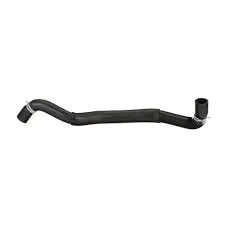
If you spend any time around engine bays (guilty), cooling hoses tell you a lot about a supplier’s mindset. The Radiator Hose 25412-2E100 coming out of julu industrial zone, xingtai city, hebei province, is one of those quiet workhorses—no flashy marketing, just a tidy formulation and consistent finishes. Fitment notes suggest selected BMW/other platforms depending on trim; in practice, always confirm by VIN or OE drawing.
Why it matters now
Cooling circuits are getting trickier. EV battery chillers aside, modern ICE and hybrid engines run hotter and tighter. Many customers say hoses that used to last “forever” now show soft spots earlier if the compound is off by even a little. The trend is clear: higher temperature EPDM blends, better reinforcement, and tighter burst/impulse specs. The Radiator Hose 25412-2E100 slots right into that conversation.
Key specifications (typical)
| Material | EPDM coolant-grade with polyester/aramid fabric reinforcement |
| Inner diameter | ≈ 28–35 mm (depends on variant; verify drawing) |
| Temperature range | -40 °C to +125 °C continuous, +135 °C short peaks |
| Working/burst pressure | ≈ 1.0 MPa working / ≥ 2.0 MPa burst (lab data; real-world use may vary) |
| Standards target | SAE J20 Class D-1, ISO 4081 Type 2 (coolant); ASTM D1149 ozone |
| Service life | Around 5–8 years/100–150k km in normal duty with correct coolant |
How it’s made (short version)
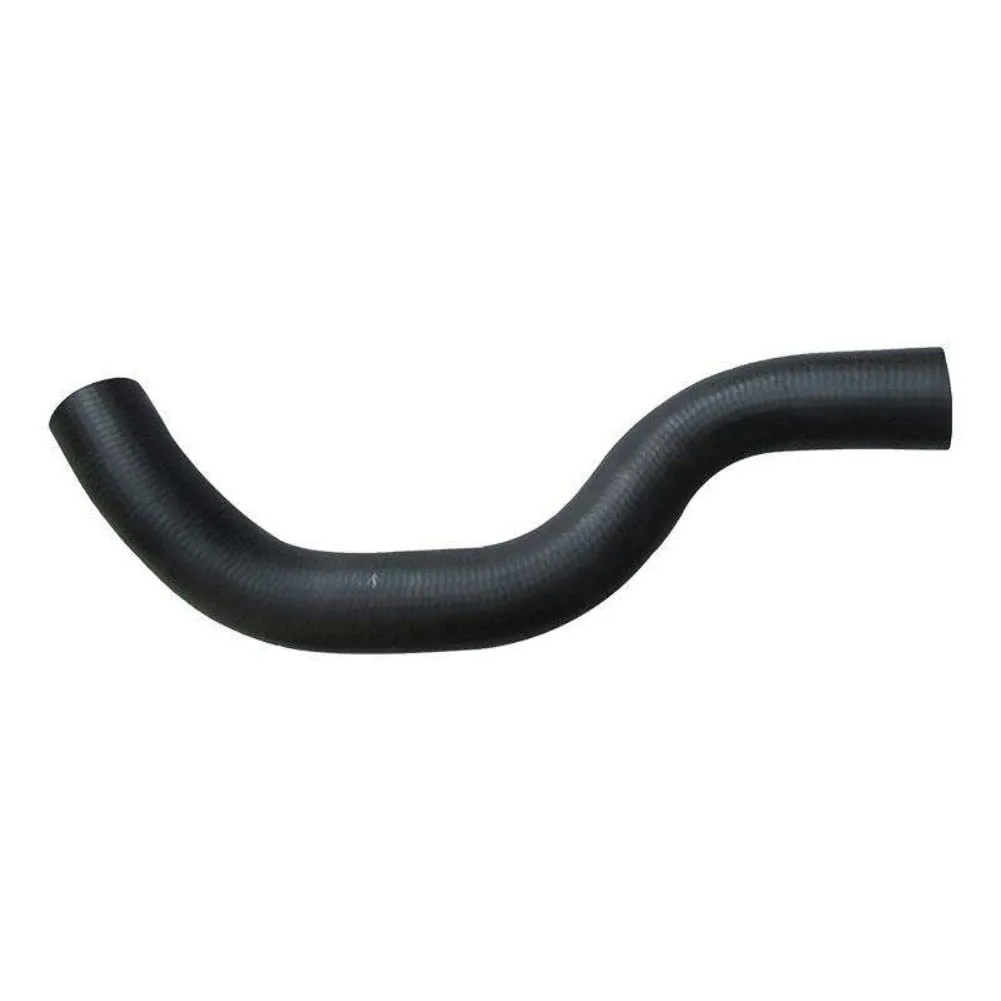
- Compounding: peroxide-cured EPDM optimized for glycol coolants and low extractables.
- Reinforcement: bias-wrapped textile layer for kink resistance and impulse durability.
- Forming: mandrel build with clocked bends; some variants get molded quick-connect ends.
- Vulcanization: controlled cure to hit Shore A 65–75 and compression set targets.
- Finishing: trim, bead formation, visual inspection, then pressure/leak testing.
Testing typically includes tensile (ASTM D412), ozone aging (ASTM D1149, 50 pphm/40 °C), coolant immersion weight change, and impulse pressure cycles per SAE J20. I’ve seen burst results clearing 2.0 MPa comfortably on fresh lots.
Where it’s used
Direct-fit replacements on specified platforms, plus fleet refurb, performance cooling upgrades (thicker radiators, hotter thermostats), and harsh climate service—desert taxis and mountain delivery vans love EPDM that doesn’t chalk too soon.
Real-world case
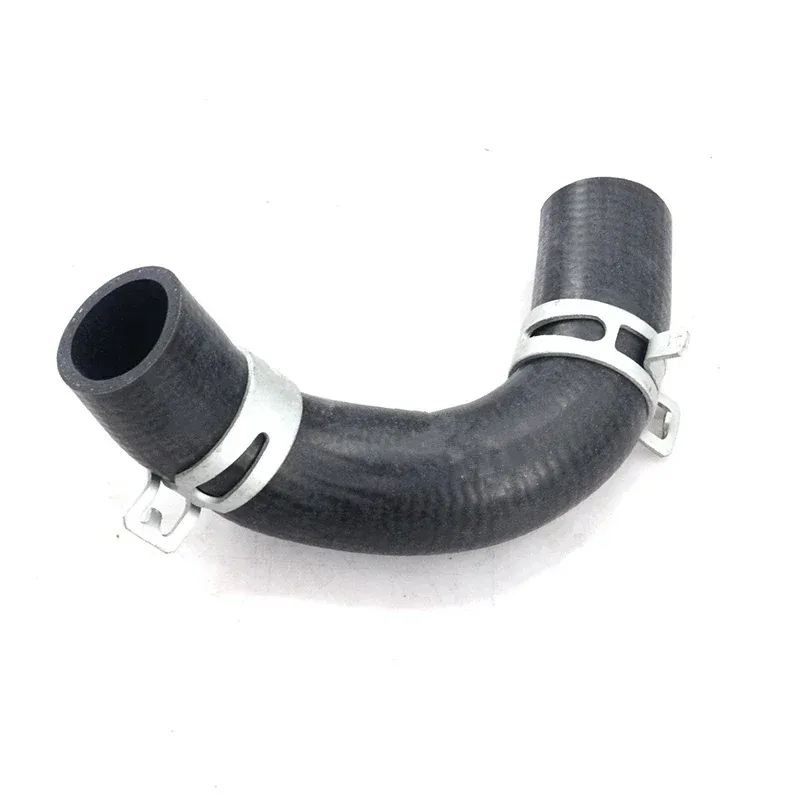
A regional courier (80 vans, mixed Euro-Asian fleet) swapped in the Radiator Hose 25412-2E100 on 1.6–2.0L units during a summer overhaul. After 18 months, they reported zero hose-related roadside failures and slightly cooler average ECT (they also refreshed caps—always helps). Not scientific, yet telling.
Vendor comparison (quick glance)
| Vendor | Spec alignment | Lead time | Price (≈) | Notes |
|---|---|---|---|---|
| Huimao (origin: Xingtai) | SAE J20 / ISO 4081 targets; consistent burst | 7–15 days ARO | Mid | OEM-style beads, good QC photos |
| Generic import | Varies; some omit ozone test | 3–6 weeks | Low | Watch for thin wall/kink risk |
| OE dealer | Full OE spec | In stock to 10 days | High | Premium price, branded |
Customization and certifications
Custom IDs/ODs, bend radii, quick-connect ends, private labeling, and color tracer lines are available. Typical documentation includes material datasheets, RoHS/REACH statements, and—on request—PPAP Level 3 for OEM projects. The Radiator Hose 25412-2E100 batches I reviewed came with lot traceability and pressure test logs.
User feedback (summary)
- Installers like the bead accuracy—clamps seat without “walking.”
- Fleet techs report less softening near turbo-side heat after one summer.
- One note: check coolant compatibility; silicate-heavy mixes can shorten life, to be honest.
References
- SAE J20: Coolant System Hoses, Society of Automotive Engineers.
- ISO 4081: Road vehicles — Liquid fuel and lubricating oil hoses.
- ASTM D1149: Rubber Deterioration—Ozone Cracking.
- ASTM D412: Vulcanized Rubber—Tension Testing.
- ASTM D2000: Standard Classification System for Rubber Products.
Latest news
-
Everything You Need to Know About Oil Seal 40 62 10: Specs, Uses & Suppliers
NewsDec.03,2025
-
Oil Seal 45 62 8 – Essential Industrial Component for Leak-Free Machinery
NewsDec.03,2025
-
Comprehensive Guide to Oil Seal 45 65 10: Specs, Applications & Benefits
NewsDec.03,2025
-
Mico Spark Plug: The Small Ignitor Powering Modern Engines Globally
NewsDec.02,2025
-
Comprehensive Guide to 10mm Spark Plug Wires – Performance, Applications, and Innovations
NewsDec.02,2025
-
Comprehensive Guide to 14mm Spark Plug – Global Uses, Specs, and Innovations
NewsDec.02,2025